How to Choose the Best External Fixation Device for Your Needs?

Time:2026-08-14 Author:Liam
0%

Choosing the right External Fixation Device can be a daunting task. With so many options available, it’s essential to understand your specific needs. Dr. Emily Carter, an expert in orthopedic surgery, emphasizes the importance of tailored solutions, stating, "The right device significantly impacts recovery." When selecting a fixation device, consider factors such as the type of injury, patient comfort, and ease of use. Each device serves a distinct purpose, and understanding these nuances can make all the difference.

Many healthcare professionals face challenges when evaluating different devices. Reviewing clinical outcomes and patient feedback can provide valuable insights. However, some may overlook critical features, leading to suboptimal choices. Look for devices that allow for flexibility and adjustment. This can enhance healing and improve overall patient satisfaction. Without a doubt, the right External Fixation Device is a crucial part of the treatment plan.
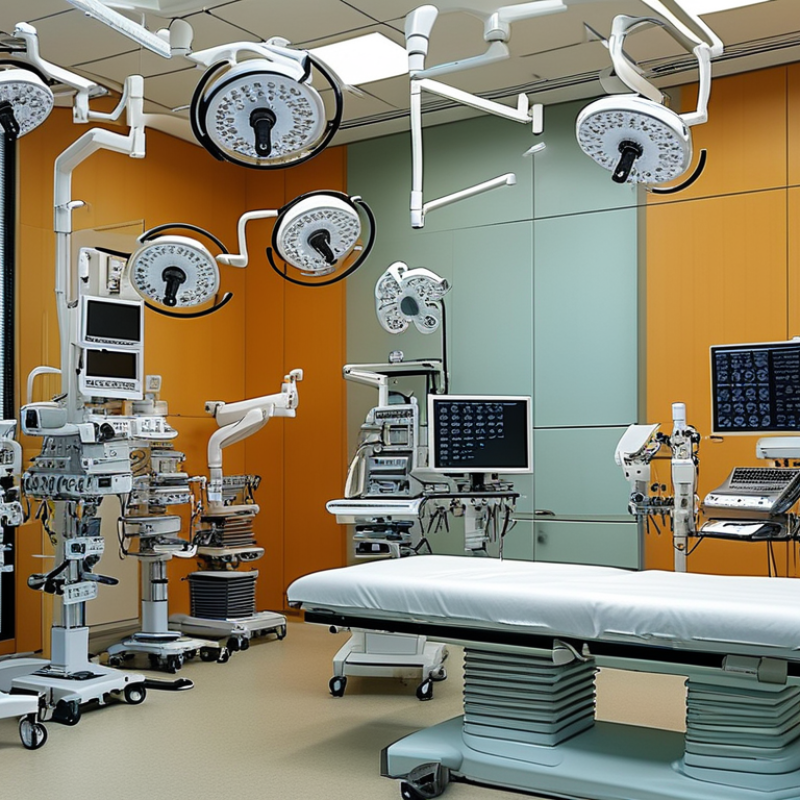
How to Choose the Best External Fixation Device for Your Needs?

Understanding External Fixation: Definition and Types

External fixation is a valuable method used in orthopedic procedures. It involves the use of devices to stabilize bone fractures from outside the body. This method has various types, each designed for specific conditions. The two main categories are uniplanar and circular fixators. Uniplanar fixators offer stability in a single plane. Circular fixators allow for more complex adjustments and can be used for limb lengthening.

When choosing an external fixation device, consider your specific medical needs. It's essential to consult with a healthcare professional. They can provide insights into the best device for your situation. Always assess the type of injury, the desired outcome, and your overall health.

Tips: Ensure that the fixation device is easy to maintain. Discuss the frequency of adjustments with your doctor. Some devices may require more frequent monitoring. Regular check-ups can prevent complications. Your comfort during the healing process is also crucial.

Understanding the types of external fixation helps in making informed decisions. Each device has its benefits and limitations. Take the time to weigh these factors. Reflect on your needs and stay engaged in your treatment plan.

How to Choose the Best External Fixation Device for Your Needs?

Type of Device Material Weight Indications Cost
Monolateral Fixator Aluminum Lightweight Bone fractures, limb deformities $1000 - $1500
Bilateral Fixator Stainless Steel Moderate Complex fractures $1200 - $1800
Circular Fixator Carbon Fiber Lightweight Distraction osteogenesis $1500 - $2500
Hybrid Fixator Titanium Lightweight Trauma, limb lengthening $2000 - $3000

Key Factors to Consider in External Fixation Device Selection

Choosing the right external fixation device is crucial for effective treatment. Several key factors can guide your decision. One important aspect is the type of injury being treated. Different injuries may require specific configurations. For instance, a simple fracture may benefit from a straightforward device. In contrast, complex fractures might necessitate advanced technology for stability.

Material selection plays a significant role too. Most devices use titanium or stainless steel, known for their strength. However, the choice can depend on the patient's condition. For example, some injuries heal better with lightweight options. Additionally, consider the ease of application. Devices that are easier to manage can reduce complications. Clinicians' expertise with certain types of devices can also influence this.

Patients should weigh comfort and mobility. Devices that restrict movement can lead to muscle stiffness. Finding a good balance between fixation strength and patient comfort is essential. It's vital to discuss these factors with a healthcare professional. A thorough evaluation can bring clarity to the selection process. Remember, it's a collaborative effort that requires ongoing reflection and adjustment.

Assessing Your Medical Condition and Fixation Requirements

Choosing the right external fixation device requires careful consideration of your specific medical condition and fixation needs. Understanding your injury is crucial. For fractures, the type and location matter. For example, an unstable fracture in the leg may need more rigid support than a minor wrist injury. Don't overlook other factors like age and activity level. They can influence recovery.

Consulting with a medical professional is essential. Their expertise can guide you to the appropriate device. Discuss possible complications and recovery timelines. It's common for individuals to feel overwhelmed by choices. Remember, not every device is suitable for your situation. Reflect on your comfort and lifestyle during the decision-making process.

Trial and error may play a role. A device that works for one person may not work for another. Be open to feedback from your healthcare provider. Regularly evaluate your progress. If the chosen fixation isn't working, adjustments may be necessary. Your journey to recovery is unique, and you deserve a solution that supports your specific needs effectively.

Evaluating Material and Design for Strength and Comfort

When selecting an external fixation device, material and design play critical roles in ensuring strength and comfort. Stainless steel and titanium are the most common materials used. Both offer excellent strength, but titanium is notably lighter. A lighter device can reduce discomfort during prolonged use. However, with reduced weight may come increased wear and tear. Users must consider their specific needs when evaluating these materials.

Design factors also impact comfort and functionality. Devices should have a smooth finish to prevent skin irritation. A well-designed padding system can further enhance patient comfort. Adjustable components may facilitate better positioning. Yet, if an adjustment is too complex, it can lead to frustration. The balance between user-friendliness and advanced features is essential.

Consulting with an experienced healthcare professional can provide insights into material durability and design choices. Individual experiences with various devices can differ greatly. Therefore, it's important to consider personal comfort alongside a device's structural integrity. Continuous feedback on performance can foster improvements in future designs.

Comparative Analysis of Popular External Fixation Devices on the Market

The market for external fixation devices has expanded significantly, driven by advancements in orthopedic technology. Key reports indicate that the global external fixation device market is expected to reach over $1.5 billion by 2025, reflecting a compound annual growth rate (CAGR) of 6.4%. Such growth highlights the need for healthcare professionals and patients to make informed decisions when selecting these devices.

A comparative analysis of popular external fixation devices reveals notable differences in design and functionality. Circular and unilateral frames are two common types. Circular frames offer rotational stability and are often preferred for complex fractures. They are versatile but can be challenging for patient care. Unilateral frames, while simpler and easier to manage, may provide less stability in complex cases. The choice between these types largely depends on specific clinical scenarios and patient needs.

Emerging research indicates that the effective use of external fixation devices can significantly reduce healing times. Nevertheless, complications such as pin site infections remain a concern. Studies cite infection rates of up to 15% with certain devices, necessitating a careful assessment of the device's design and materials. It’s clear that while options are abundant, the shortcomings of each device must be considered ergonomically and clinically.

FAQS

: What is external fixation?

: External fixation is a method used to stabilize bone fractures from outside the body.

What are the main types of external fixators?

The main types are uniplanar and circular fixators. Uniplanar offers stability in one plane.

Why is it important to consult a healthcare professional when choosing a fixation device?

A healthcare professional can provide insights tailored to your medical needs and situation.

How can I ensure my fixation device is comfortable?

Look for smooth finishes and good padding to prevent irritation and enhance comfort.

What materials are commonly used in external fixation devices?

Stainless steel and titanium are common. Titanium is lighter but may wear out faster.

How often will my fixation device need adjustments?

The frequency of adjustments depends on the device. Ask your doctor about this.

What factors should I consider before selecting a fixation device?

Consider your injury type, desired outcome, and overall health before making a choice.

How does design impact the use of external fixation devices?

A well-designed device can improve comfort, but complex adjustments may lead to frustration.

Why is continuous feedback important for device performance?

Feedback helps improve future designs based on individual experiences with different devices.

What should I do if I experience discomfort with my device?

Report any discomfort to your doctor. It's important to address these issues promptly.

Conclusion

Choosing the best External Fixation Device requires a thorough understanding of its definition and types. External fixation is often utilized in orthopedic treatments to stabilize fractures and injuries. Key factors to consider include the specific medical condition, fixation requirements, and individual patient needs. Evaluating the material and design of the device is crucial for ensuring both strength and comfort during the healing process.

Additionally, conducting a comparative analysis of the popular external fixation devices available on the market can help patients and healthcare providers make informed decisions. By carefully assessing these elements, you can select an External Fixation Device that will best support recovery and promote optimal healing outcomes.

Liam

Liam

Liam is a dedicated marketing professional with a profound expertise in the industry, where he excels at highlighting the unique advantages of our core products. With a keen understanding of market trends and consumer needs, Liam frequently updates our company’s professional blog, providing......