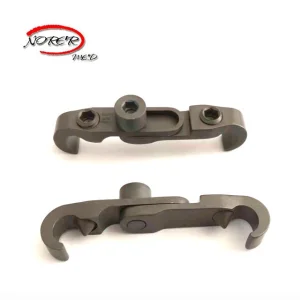
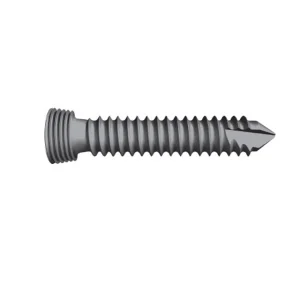
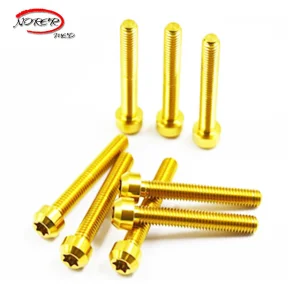
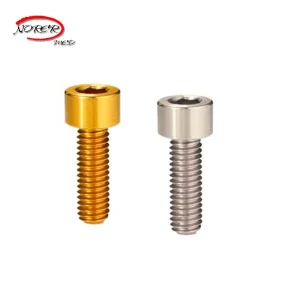
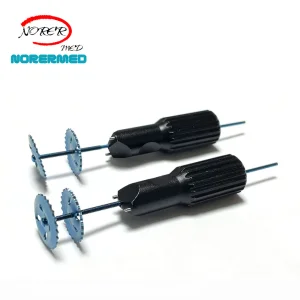
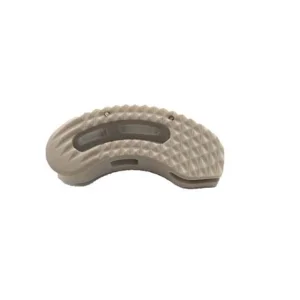
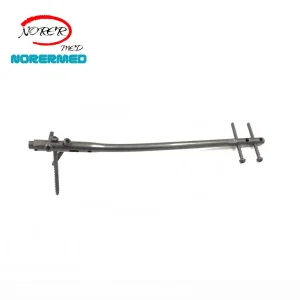
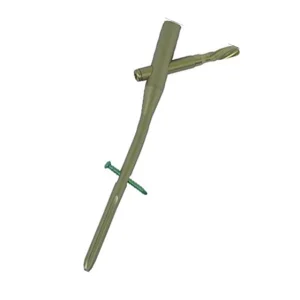
In modern industrial engineering, titanium has transitioned from an exotic material reserved for aerospace into the absolute baseline for high-reliability medical implants and precision mechanics. Because titanium offers an unparalleled strength-to-weight ratio, exceptional corrosion resistance, and complete biological compatibility, it has become the bedrock for osteosynthetic trauma devices and advanced structural components.
However, processing titanium is notoriously complex. Standard milling systems suffer from premature tool wear, deformation, and poor finish characteristics. A specialized titanium custom part factory must combine advanced metallurgy, multi-axis Swiss CNC machinery, and post-machining passivation processes to ensure clinical safety and dimensional exactness. As medical device requirements pivot towards custom, patient-specific orthopedic implants, manufacturing must integrate extreme technical accuracy with highly agile supply chain pipelines.
Situated in Changzhou, China, our facilities sit at the epicentre of orthopedic manufacturing. This cluster integrates raw alloy suppliers, ISO-accredited testing centers, and thermal processing facilities, driving down overheads and production lead times.
We leverage domestic titanium reserves processing Grade 5 (Ti-6Al-4V) and Grade 23 (Ti-6Al-4V ELI) that strictly comply with international standards such as ASTM F136 and ASTM F67, ensuring chemical purity and uniform mechanical properties.
By blending Chinese manufacturing scaling with rigid quality inspection, our titanium custom part factories deliver components with identical quality profiles to Western fabricators, at a fraction of capital expenditure.
Authentic views from DEON Medical's production and testing floors, highlighting clinical machining compliance and strict clean-room handling.
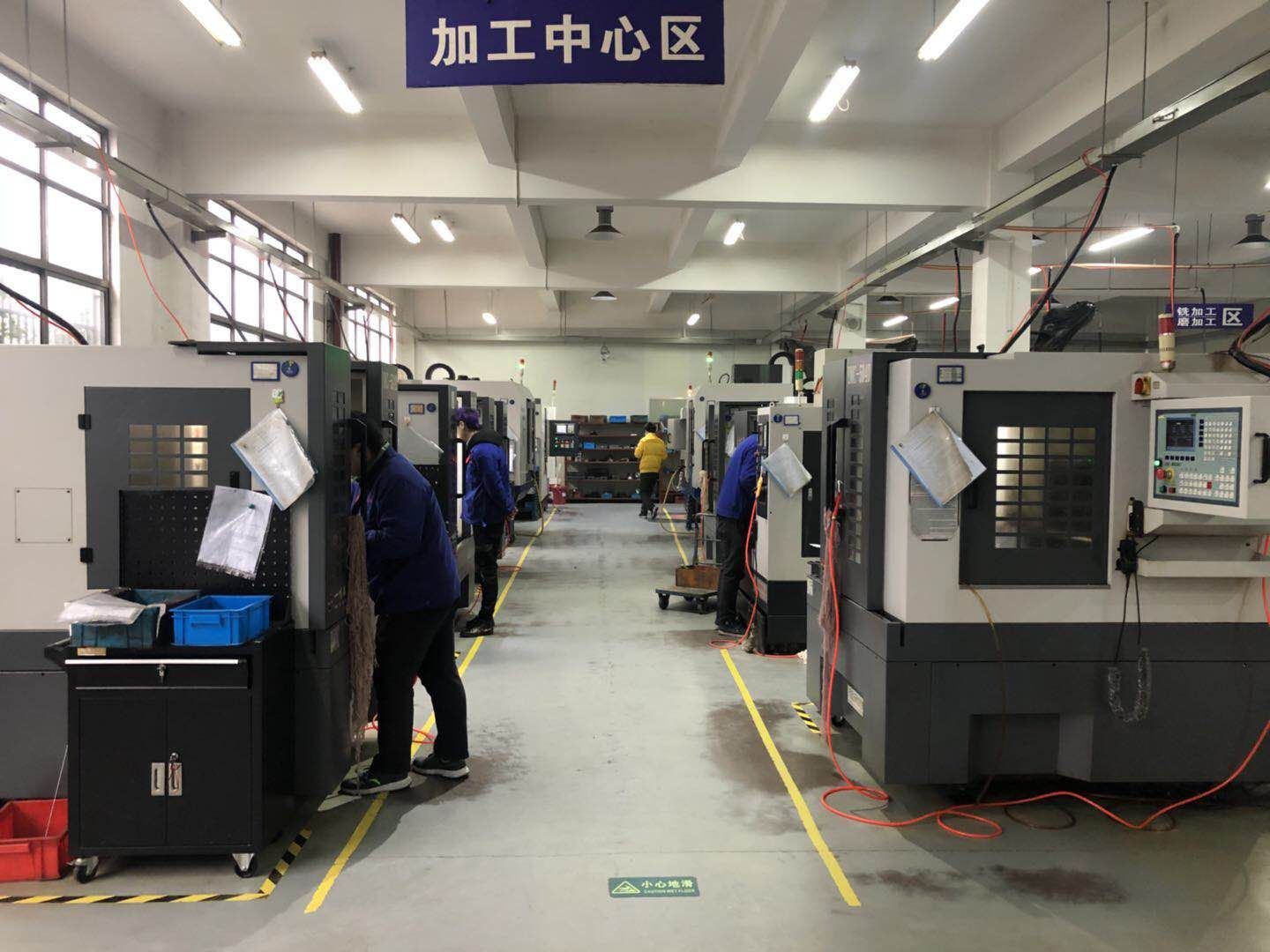
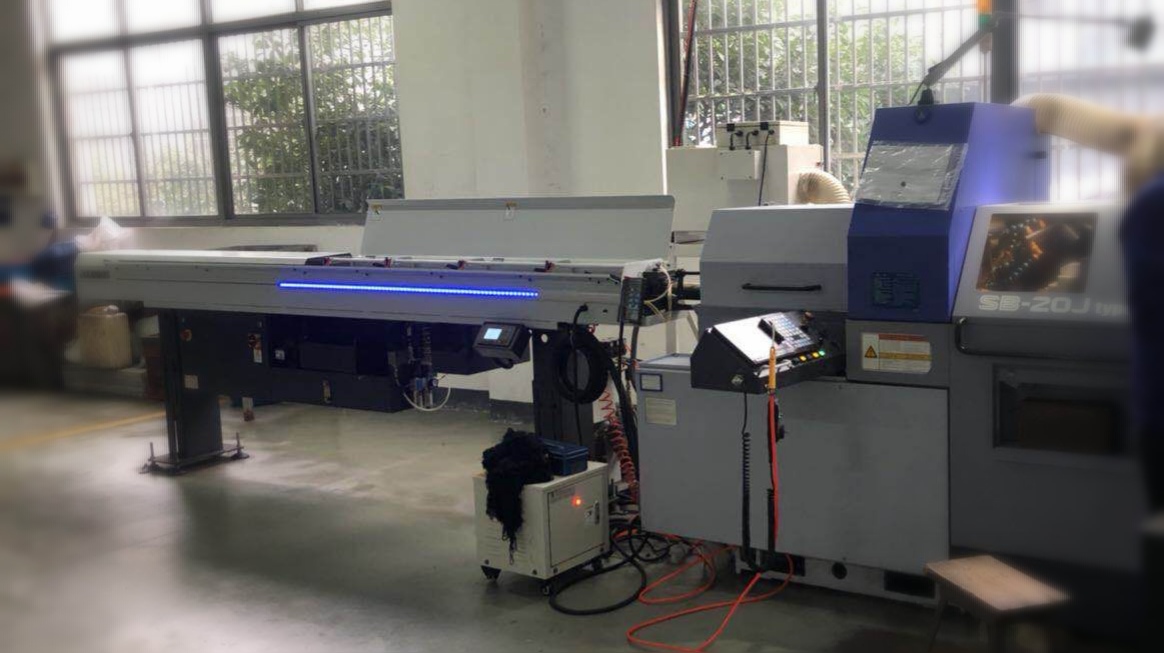
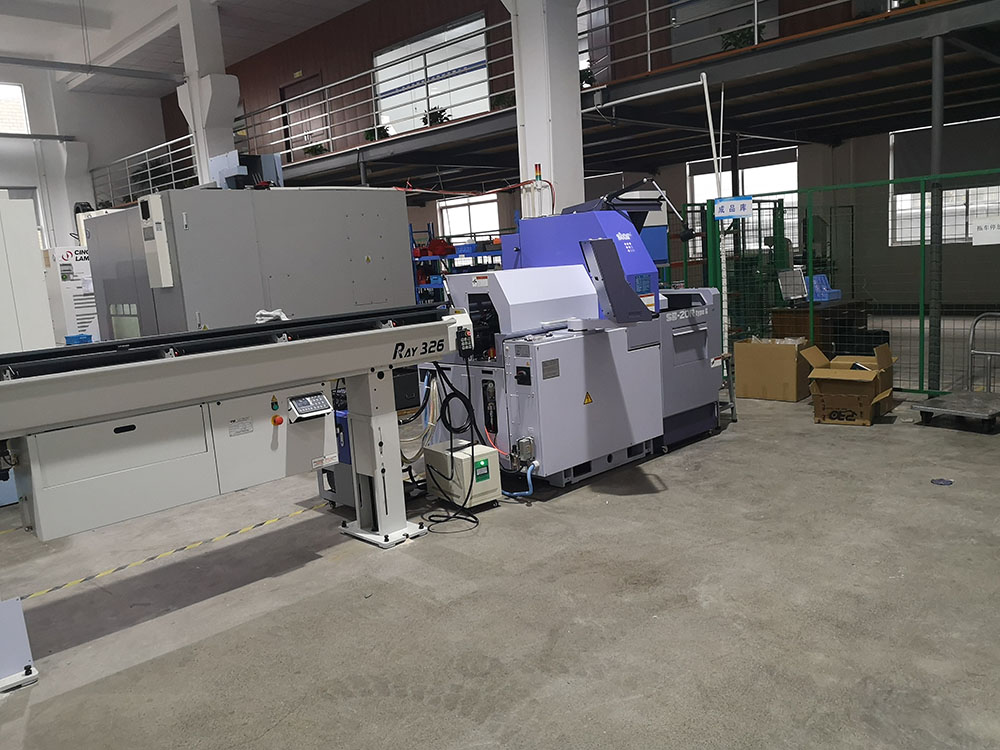
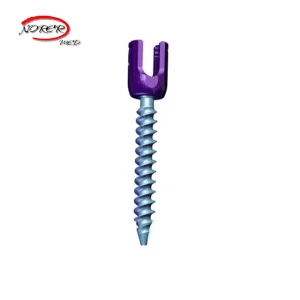
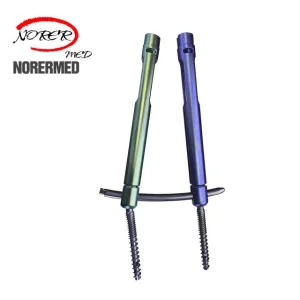
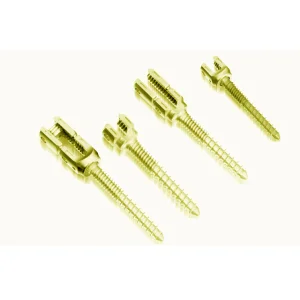
For medical devices and precision aerospace structures, compliance is non-negotiable. At DEON Medical, every batch of titanium custom parts undergoes rigorous verification. Our factory implements quality systems in line with ISO 13485:2016, guaranteeing the trace-level control required for human implantable trauma plates, cervical plates, spinal pedicle screws, and PEEK cages.
Our Quality Management System (QMS) enforces full chemical trace records, dimensional verification via coordinate measuring machines (CMM), and optical comparator analysis. We certify structural and bio-mechanical standards including:
We provide global partners with localized engineering support, translating raw CAD models (STEP/IGES) into optimized Design for Manufacturability (DFM) plans, mitigating regulatory risks before chip production starts.
We are a leading developer and manufacturer of high-precision orthopedic trauma bone plates, locking bone screws, interlocking nails, spine pedicle screws, cervical plates, and PEEK implants, situated in China’s medical technology center.
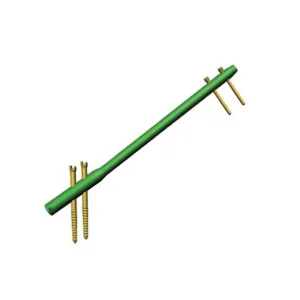
Our custom lock screws, tibial nails, and spinal fixation rods are utilized across specialized hospitals and veterinary clinics worldwide. These components require specialized mechanical flexibility to mimic osseous modulus and prevent bone shielding.
With skull surgeries and neuro-navigation systems advancing, titanium cranial locking clamps and ultra-thin micro-plates require high dimensional accuracy to adapt precisely to structural bone profiles without causing patient discomfort.
The industry is transitioning toward hybrid systems. We integrate rough 3D titanium printing with finishing CNC milling. This allows factories to produce dense titanium lattices for bone integration, finished with precise milled thread connections.
 Deon Medical