Choosing the right orthopedic tools is crucial for any medical professional. The orthopedic sector is expansive, with expected growth rates reaching 7.5% annually. According to a recent report from Grand View Research, the global orthopedic market was valued at over $54 billion in 2022. This indicates a rising demand for effective and reliable tools.
Quality orthopedic tools can significantly impact patient outcomes. Well-chosen instruments enhance precision in surgeries and contribute to better recovery times. However, healthcare professionals often face challenges selecting the best tools. A survey by the Journal of Orthopedic Research highlighted that 40% of surgeons felt uninformed about emerging tools.
Understanding specific needs is vital. Not all tools suit every procedure, and embracing innovation can be daunting. It's crucial to evaluate tools not just on brand reputation but also on clinical effectiveness. Sometimes, the most familiar options may not be the best. This reflection is essential for continuous improvement in orthopedic practices.
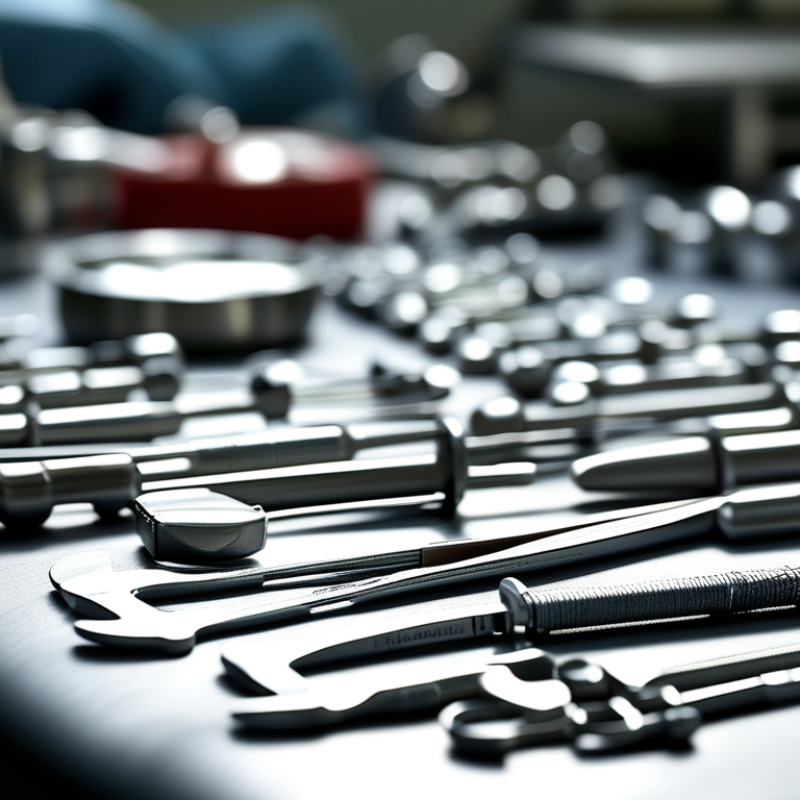
Choosing the right orthopedic tools involves understanding their types and purposes. Surgical instruments, ranging from scalpels to forceps, play a vital role in procedures. In total joint surgeries, tools specifically designed for bone reshaping or fixation are essential. According to a report by MarketsandMarkets, the orthopedic tools market is expected to reach $25 billion by 2025, highlighting the industry's rapid expansion.
When selecting tools, consider the procedures you'll perform. For instance, a surgeon specialized in sports medicine may prioritize arthroscopic instruments for minimally invasive techniques. These tools allow for quicker recovery times, with studies showing that patients can return to sport in approximately 4-6 months post-surgery. However, using inappropriate tools can lead to complications or prolonged recovery.
**Tips**: Always review ergonomic designs. They can decrease fatigue during long procedures. Also, make informed decisions based on your experience and procedural needs. Engaging with peers in the field often sheds light on tool effectiveness. Revisit your selections regularly—they may need updating as techniques evolve.
When it comes to orthopedic tools, understanding your specific needs is crucial. Each condition may require different tools. For instance, a patient recovering from a knee injury might benefit from braces, while those with chronic arthritis may find relief through adaptive devices. It's essential to assess your mobility, strength, and pain levels before making a choice.
Evaluating your orthopedic condition involves honest self-reflection. Are you struggling with daily activities? Do certain movements cause pain? These questions can guide your decision. Consulting with a healthcare professional can provide insights into what tools might help you the most. A good therapist will also consider your lifestyle, ensuring the chosen tools fit seamlessly into your routine.
Don't hesitate to try different options. What works for one person may not work for another. It’s okay to experiment and adjust. Remember, achieving comfort and support is a journey, and it may take time to find the best solution for you.
When selecting orthopedic tools, evaluating their quality and durability is paramount. High-quality tools often exhibit superior craftsmanship, which directly influences performance. Look for materials that withstand daily use and resist wear and tear. Stainless steel is a common choice. However, it’s essential to verify its grade.
Durability isn't only about materials. The design also matters. Tools must be ergonomically shaped for comfort. This can help reduce fatigue during prolonged usage. A tool might look sleek but fail under pressure. Test it under real conditions when possible.
User feedback matters too. Reviews can shed light on long-term reliability. Some tools may initially seem sturdy but may falter over time. Not every tool is perfect. Seek continuous improvements in your selection process. This way, you ensure your choices meet both current and future needs.
Consider your specific applications and environments. The best tool is not just the most expensive one; it's the one that truly fits your needs.
When selecting orthopedic tools, cost-effectiveness plays a critical role. It’s essential to consider your budget while ensuring quality. High-priced tools may not always provide better outcomes. Look for tools that meet your needs without breaking the bank. Assess how often you will use the equipment. For infrequent use, renting might be wise. This approach can save money initially and allow you to invest in better options later.
Research is necessary to understand the tools you need. Read reviews and seek opinions from trusted professionals in your field. Cheap tools sometimes lack durability, leading to additional costs. It’s tempting to opt for the lowest price, but consider long-term expenses. A well-made tool might cost more upfront but save you money in repairs and replacements.
Reflecting on past experiences can guide new purchases. Did a particular tool not meet your expectations? Learn from that. Think about what features you require, and avoid unnecessary extras. Your choices should focus on functionality and safety. Keep in mind how each tool fits into your practice’s financial plan. After all, sound decisions today shape your capability tomorrow.
When choosing orthopedic tools, investigating trusted brands and reviews is crucial. Research indicates that over 70% of patients rely on online reviews before making decisions. Reliable feedback can guide users toward selecting the best devices for their specific needs.
Diving into user reviews can reveal patterns regarding quality and functionality. A recent report highlighted that high-quality orthopedic tools significantly reduce recovery times by up to 30%. However, not all tools perform equally. Some products may appear effective but are backed by insufficient data.
Consider seeking recommendations from healthcare professionals. Their insights can help validate product claims. Additionally, examining clinical studies related to orthopedic tools can enhance your understanding. Consistency in positive feedback across multiple sources usually signifies a trustworthy product. Remember to weigh both positive and negative reviews to form a balanced opinion.
: There are various tools, including surgical instruments like scalpels and forceps for different procedures.
Using the right tools helps avoid complications and supports quicker recovery for patients.
They often focus on arthroscopic instruments to perform minimally invasive procedures efficiently.
Ergonomic designs can reduce fatigue, making long procedures more manageable.
Over 70% of patients use online reviews to guide their decisions on orthopedic devices.
They can provide insights and validate product claims, enhancing decision-making.
Clinical studies provide evidence of tool effectiveness and help inform users about quality.
Users should weigh both types of feedback to form a balanced understanding of products.
Regularly revisiting selections is necessary, as techniques may evolve and tools need updating.
The use of inappropriate tools can lead to complications and extended recovery times.
Choosing the best orthopedic tools for your needs involves a thorough understanding of the various types available. Different tools are designed for specific orthopedic conditions, so it's important to assess your unique requirements before making a decision. Evaluate the quality and durability of the tools you consider, as well-made instruments can significantly enhance your recovery process and overall experience.
Additionally, consider your budget and the cost-effectiveness of orthopedic tools, ensuring that you strike a balance between price and quality. Researching trusted brands and reading customer reviews can provide valuable insights into the performance and reliability of the tools you are interested in. By following these guidelines, you can be well-equipped to select the orthopedic tools that best support your orthopedic health and needs.

Deon Medical