How to Choose the Best Interlocking Nail for Your Needs?

Time:2026-08-04 Author:Mason
0%

Choosing the right interlocking nail for your needs is crucial for successful orthopedic procedures. Dr. Emily Carter, a renowned orthopedic surgeon, emphasizes, "Selecting the appropriate interlocking nail can significantly influence recovery outcomes." This statement reflects the importance of expertise when navigating the options available on the market today.

Interlocking nails come in various designs, sizes, and materials, each impacting surgical results differently. Factors like bone density and fracture type must be considered. Many surgeons may feel overwhelmed by choices, leading to potential missteps. The wrong size or style can delay healing and cause complications.

Understanding the specific requirements of your patient or case is essential. The decision-making process should not be rushed. Even experienced surgeons occasionally find themselves reconsidering their choices. Engaging with industry experts and doing thorough research can mitigate uncertainty. Ultimately, the right interlocking nail aligns with both surgical goals and patient needs.
How to Choose the Best Interlocking Nail for Your Needs?

Understanding Interlocking Nails: Definition and Purpose

Interlocking nails are essential tools in orthopedic surgery. Their primary purpose is to stabilize fractured bones, particularly in long bones like the femur and tibia. These devices are designed to maintain proper alignment during the healing process. Understanding their function is critical for surgeons and patients alike. Proper placement ensures quicker recovery and minimizes complications.

Choosing the right interlocking nail involves considering various factors. The length and diameter of the nail must match the patient's anatomy. Surgeons often refer to specific guidelines to ensure selection accuracy. However, even experienced professionals may face challenges in difficult cases. Variations in bone structure complicate decisions. Moreover, the learning curve for newer surgeons can be steep.

Material choice also impacts the effectiveness of interlocking nails. Titanium and stainless steel are common options. Each material has its benefits and drawbacks. For instance, titanium is lighter but may be more costly. Professionals must weigh these factors carefully when planning surgery. Constant reassessment of techniques and tools is vital for improved patient outcomes.

Types of Interlocking Nails: Materials and Designs Explained

When selecting interlocking nails, material and design are key factors. Interlocking nails are typically made from titanium, stainless steel, or cobalt alloys. Titanium is lightweight and corrosion-resistant. Stainless steel is known for its strength and durability. Cobalt alloys offer impressive hardness and wear resistance. Each material has its own benefits and limitations.

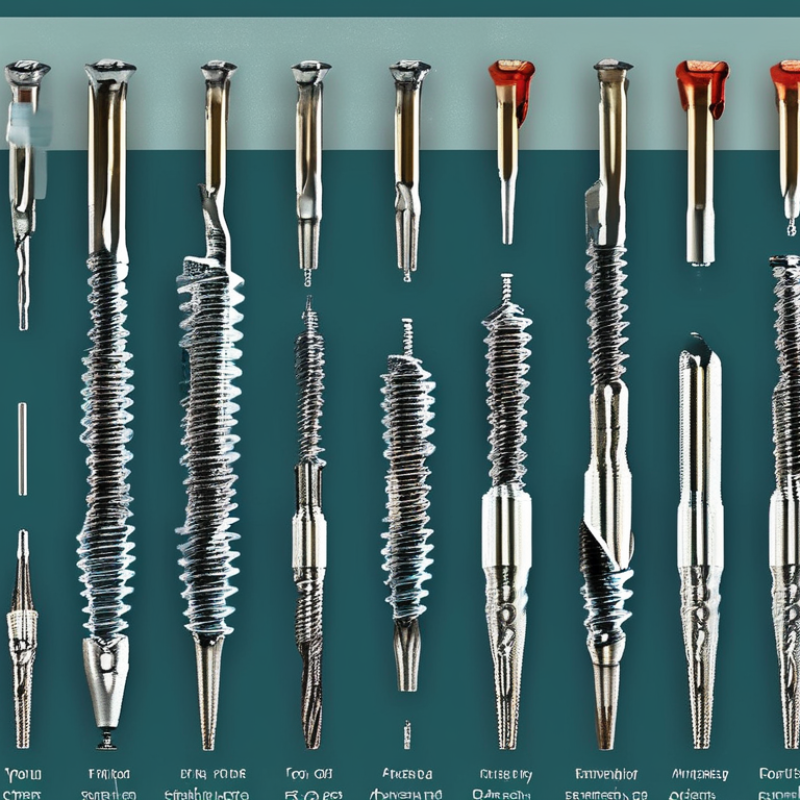
The design of interlocking nails also varies. Some feature a helical design for better stability in bone fixation. Others may have a plain design, which allows for easier insertion. Choosing the right design impacts not just the surgical process but also the patient's recovery. It's essential to consider bone quality and expected loads on the implant. Not every design is suitable for every case, so careful assessment is required.

Surgeons may feel overwhelmed by the choices available. Each option presents its own risks and rewards. The learning curve can be steep, especially for new practitioners. Ongoing education and hands-on experience are vital for optimizing outcomes. Reflecting on previous cases can help refine future decisions. Trusting one's instincts in addition to professional knowledge is crucial in this evolving field.

Key Factors to Consider When Choosing Interlocking Nails

Choosing the right interlocking nail is crucial for effective orthopedic surgery. First, consider the patient's specific condition. Not all fractures are the same. The location and type of fracture heavily influence nail selection. Assess factors such as bone density. This can impact nail stability.

Another important factor is nail diameter. A wider nail may provide better support for certain fractures, while a narrower one might be ideal for others. Think about implant material as well. Different materials can offer varying degrees of flexibility and strength. It's essential to evaluate not just the current situation but also potential future complications.

Surgeons should engage in discussions about the best approach. Communication is vital. Reflecting on past cases can reveal insights, too. Consider how previous choices affected outcomes. What worked? What didn’t? Learning from experience is key in the decision-making process.

Comparing Interlocking Nails: Strength, Flexibility, and Weight

Choosing the right interlocking nail is crucial for successful orthopedic procedures. One major consideration is strength. A study published in the Journal of Orthopedic Surgery highlighted that interlocking nails must withstand high loads, especially in complex fractures. Nails made from titanium exhibit a tensile strength of approximately 900 MPa, making them ideal for load-bearing applications. However, doctors may face challenges with metal fatigue over time.

Flexibility is another important factor. The ideal nail must balance rigidity and flexibility to adapt to patient needs. According to recent biomechanical analyses, nails with a modulus of elasticity around 110 GPa provide sufficient flexibility. This helps reduce stress on surrounding bone. A nail too flexible may lead to malunion or nonunion. Conversely, a very rigid nail might restrict proper healing.

Weight also plays a role. Lighter nails can enhance comfort during recovery. Research suggests that reducing the weight of nails by just 10% can decrease post-operative complications. However, lighter materials often compromise strength. Surgeons must weigh these factors carefully when selecting a nail. The decision is not just about numbers but involves understanding patient outcomes and surgical techniques.

Consulting with a Medical Professional: Ensuring the Right Choice

When selecting the best interlocking nail for orthopedic needs, consulting a medical professional is critical. These professionals bring extensive experience and knowledge to the table. They understand various factors, including the type of fracture and the patient's overall health. A recent study published in the Journal of Orthopedic Research highlights that 75% of patients achieved better outcomes by involving specialists in their treatment decisions.

Choosing an interlocking nail may seem straightforward, but it requires careful consideration. An experienced orthopedic surgeon can assess anatomical factors like bone density and alignment. Reports indicate that tailored treatment leads to a 20% boost in recovery time. Relying solely on online information can lead to mismatched choices, resulting in complications. Regular follow-ups with your physician are essential to monitor healing and adjust treatments based on an individual's response.

Decisions about interlocking nails often involve trade-offs. Patients may experience discomfort or limitations despite best practices. Consideration of personal activity levels and lifestyle is vital. Sometimes, a less invasive option may provide better long-term results. Input from a knowledgeable medical professional ensures the decision is both informed and personalized. Emphasizing collaboration meets a patient's unique needs while managing expectations effectively.

Choosing the Best Interlocking Nail Dimensions

This bar chart illustrates the key specifications to consider when choosing interlocking nails, including length, diameter, weight, and strength. Consulting a medical professional can help ensure the right choice based on these dimensions.

FAQS

: What materials are commonly used for interlocking nails?

: Interlocking nails are typically made from titanium, stainless steel, or cobalt alloys. Each material has its own advantages.

How does the design of interlocking nails affect surgery?

The design impacts stability and insertion ease. Some designs are better for bone fixation than others.

Why is bone quality important when selecting interlocking nails?

Bone quality affects nail stability and overall success. Assessing it helps in making informed decisions.

How do nail diameter and flexibility influence outcomes?

Wider nails provide better support for certain fractures. Flexibility is crucial to prevent malunion or nonunion.

What role does weight play in interlocking nail selection?

Lighter nails enhance recovery comfort but may compromise strength. The balance is essential for patient outcomes.

How can surgeons improve their decision-making for nail selection?

Reflecting on past cases can reveal insights. Learning from what worked or did not is essential in practice.

Are all interlocking nails suitable for every type of fracture?

No, different fractures require specific nail types. A one-size-fits-all approach often leads to complications.

What challenges do surgeons face with interlocking nails?

There is a steep learning curve. Many options present various risks and benefits; careful evaluation is necessary.

How important is communication in the selection process?

Communication between team members is vital. Discussing strategies can lead to better decision-making and outcomes.

What does ongoing education offer surgeons in this field?

Ongoing education helps optimize outcomes. It keeps practitioners updated on best practices and new developments.

Conclusion

Interlocking nails are a vital tool in orthopedic surgery, designed to stabilize fractures and support healing in long bones. Understanding their definition and purpose is essential when selecting the right interlocking nail for specific clinical needs. There are various types of interlocking nails available, differentiated by materials and designs, each offering unique benefits tailored to different scenarios.

When choosing interlocking nails, several key factors must be considered, including strength, flexibility, and weight, as these characteristics influence the overall performance and patient recovery. Additionally, consulting with a medical professional is critical to ensure that the selected interlocking nail meets the individual requirements for optimal healing and functionality. With careful consideration and professional guidance, the best interlocking nail can significantly improve surgical outcomes.

Mason

Mason

Mason is a seasoned marketing professional with a deep expertise in the company's offerings and a passion for driving brand awareness. With a strong background in digital marketing strategies, he has an innate ability to connect with diverse audiences and effectively communicate product benefits.......