China is rapidly becoming a hub for orthopedic devices, capturing the attention of global buyers. Among these experts, Dr. Li Wei emphasizes, “China's innovation in orthopedic devices is reshaping the landscape of healthcare.” His words highlight the country's focus on improving patient care through advanced technology.
The orthopedic device market is diverse and competitive. It offers everything from joint replacements to spinal implants. Each product tackles specific health issues, providing solutions for patients worldwide. Global buyers seek quality and reliability, two areas where Chinese manufacturers are putting significant effort.
However, challenges persist in the industry. Not all products meet global standards. This creates an urgent need for buyers to evaluate quality thoroughly. Their exploration must consider not just price, but also the long-term value of these orthopedic solutions. In this evolving landscape, informed decisions are crucial for successful partnerships.
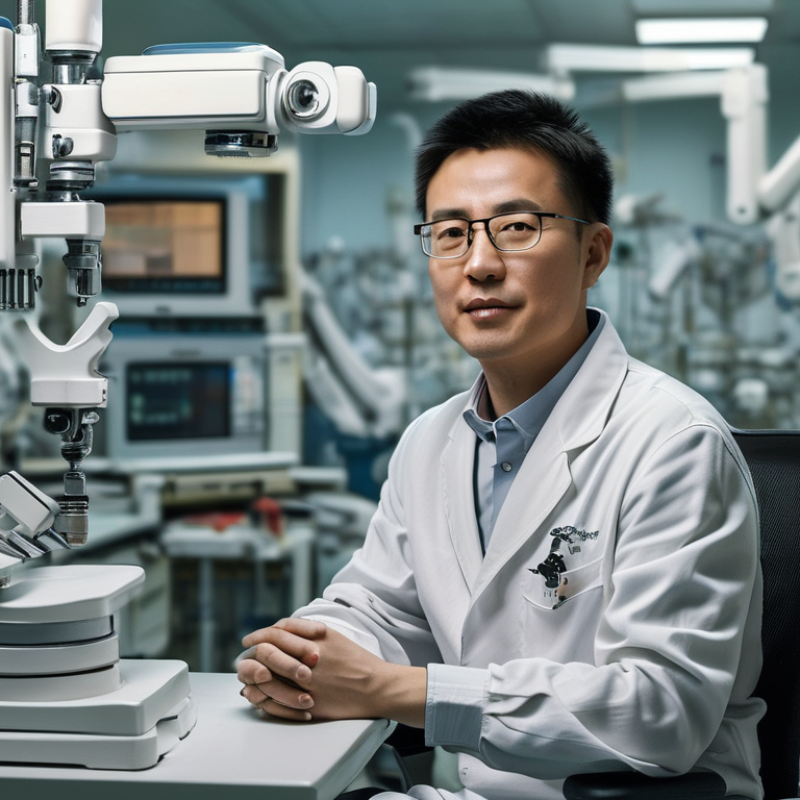
The orthopedic device market in China is rapidly evolving. By 2025, it is projected to reach approximately 15 billion USD, according to industry reports. The increasing elderly population drives this growth. The demand for joint replacement and spinal surgery devices is particularly soaring. Approximately 10% of adults experience bone and joint disorders. This highlights the critical need for advanced orthopedic solutions.
China is becoming a global manufacturing hub for orthopedic devices. This shift is fueled by significant investments in research and development. Local companies are improving product quality and innovation. However, inconsistencies in regulatory standards pose challenges. The market also faces competition from established global players. The balance between local production and international standards is vital.
Consumer awareness is on the rise. Patients are becoming more proactive about their orthopedic health. This shift leads to increased demand for high-quality devices. Many buyers are now seeking detailed information to make informed choices. Transparency in product specifications is crucial to build trust. As the market evolves, a comprehensive understanding of these dynamics will be essential for stakeholders.
China’s orthopedic devices industry is rapidly evolving. Several key players dominate this space, contributing significantly to innovation and quality. These companies employ advanced technology in designing and manufacturing orthopedic products. They focus on enhancing patient outcomes through precision instruments and implants.
Market leaders are investing heavily in research and development. Their efforts aim to improve surgical techniques and recovery times. However, challenges like regulatory compliance can hinder efficiency. Many firms struggle to navigate complex regulations, which can impact product availability. It’s essential to stay informed about these dynamics when considering suppliers.
The orthopedic sector also sees increased competition from emerging companies. Some new players offer innovative solutions at competitive prices. This makes it crucial for global buyers to assess potential partners carefully. Evaluating the reliability and reputation of these firms is vital. Collaborating with trustworthy manufacturers is key to successful procurement.
This chart displays the market share percentage of various orthopedic device types in China. It highlights the leading segments based on recent industry data.
Innovative technologies are pivotal in shaping the orthopedic device landscape in China. With an increasing incidence of musculoskeletal disorders, the demand for orthopedic solutions has surged. A recent report from Global Data indicates that the Chinese orthopedic market is expected to reach $8.3 billion by 2025, driven by advancements in smart implants and robotics.
Companies are increasingly investing in technologies such as artificial intelligence and 3D printing. These innovations reduce surgery times and improve patient outcomes. Notably, AI-driven systems assist surgeons in planning complex procedures. Yet, integrating these technologies can pose challenges. Healthcare professionals may require additional training to utilize data effectively.
Furthermore, regulatory pathways can be complex. Innovations must undergo rigorous testing before approval. Despite these hurdles, the potential benefits of enhanced surgical precision and customization of devices cannot be overlooked. The continuous push for innovation ensures that the orthopedic sector remains dynamic, albeit with obstacles that need addressing for broader implementation.
The regulatory landscape for orthopedic devices in China is complex and evolving. The National Medical Products Administration (NMPA) oversees regulations and approvals. They ensure that devices meet safety and efficacy standards. In 2022, approximately 60% of new orthopedic devices submitted for approval were significantly delayed due to regulatory scrutiny.
Clinical trials play a crucial role in this process. Manufacturers must provide comprehensive data supporting the safety of their products. However, securing approval often takes longer than expected. Reports indicate that the average timeframe for approval can exceed six months, impacting market entry.
The market for orthopedic devices in China is expected to reach USD 23 billion by 2025, reflecting significant growth. However, navigating the regulatory maze remains a challenge for international companies. The need for local partnerships and understanding of regional regulations is critical. Adapting to these requirements can be daunting but is necessary for success.
When sourcing orthopedic devices from China, buyers must prioritize quality and compliance. According to a recent report by the Medical Device Innovation Consortium, 30% of orthopedic devices fail to meet international standards. This statistic highlights the importance of due diligence. Buyers should request certifications and conduct thorough factory audits when evaluating suppliers.
Understanding local manufacturing practices is crucial. Many factories in China adhere to strict quality control measures. However, not all do. Engaging with third-party inspection services can mitigate risks. The Sourcing Report on Orthopedic Devices indicates that suppliers with ISO13485 certification show a 25% lower defect rate. This data underscores the need for reliable partners.
Buyers should also consider the fast pace of innovation in China's orthopedic device market. New technologies are being developed constantly. Staying informed through industry reports and networking at trade shows can provide valuable insights. However, potential buyers must reflect on the balance between cost savings and the risk of compromised quality. Making informed choices is key in building a successful procurement strategy.
: The industry is rapidly evolving with key players focused on innovation and quality.
They use advanced technology to design precision instruments and implants.
Regulatory compliance is tricky and affects efficiency and product availability.
New companies offer competitive prices, but reliability varies; thorough evaluation is crucial.
Quality and compliance must come first, to ensure products meet international standards.
Request certifications and conduct thorough factory audits to verify quality.
Suppliers with this certification show a 25% lower defect rate.
Not all factories follow strict quality control, which can lead to risks.
Industry reports and trade shows provide insights into new technologies.
Balancing cost savings with the risk of compromised quality is essential for decisions.
The orthopedic device market in China has seen significant growth driven by advancements in innovative technologies and an expanding healthcare sector. Key players in this industry are continuously developing cutting-edge solutions to address various orthopedic needs, enhancing both patient outcomes and quality of care. As global buyers consider sourcing orthopedic devices from China, understanding the regulatory landscape is crucial to ensure compliance and safety standards.
In navigating this dynamic market, potential buyers should focus on establishing strong partnerships with reputable manufacturers and staying informed about the latest trends and innovations. By leveraging technology and fostering collaboration, global buyers can successfully tap into the vast opportunities present within China's orthopedic device industry while ensuring they source high-quality products that meet international standards.

Deon Medical