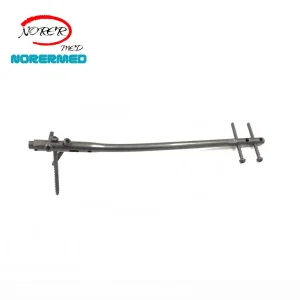
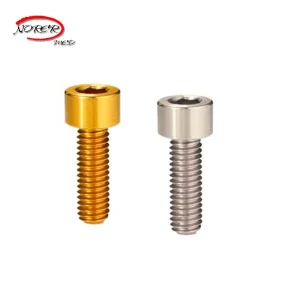
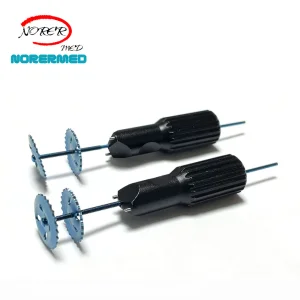
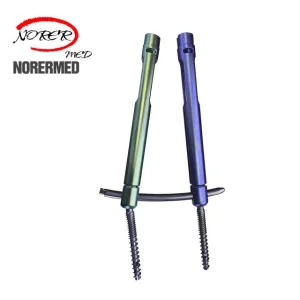
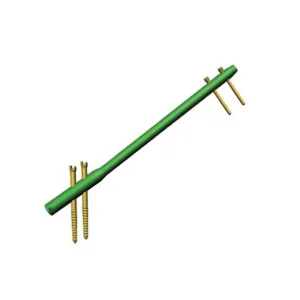
Explore our CE-certified trauma fixation components designed for highly complex structural reconstructions and standard fracture management procedures globally.
Headquartered in the global medical manufacturing hub of Changzhou, Jiangsu Province, DEON Medical (Changzhou) Co., Ltd. has established itself as a leading authority in orthopedic implants and external fixation technology over the past decade.
External fixation systems have evolved from simple rigid stabilizing frames to highly complex, dynamic, and biologically adaptive systems. The primary trajectory of modern orthopedics revolves around minimizing patient recovery time, reducing implant-associated infection rates, and integrating digital tools to monitor real-time bone consolidation.
The integration of telemetry and micro-sensors within external stabilization frames represents the next leap forward. Future systems will feature bio-sensors embedded directly within the carbon-fiber struts or titanium connecting rods. These sensors monitor axial strain levels, giving surgeons immediate, quantifiable feedback on the rate of callus formation and weight-bearing compliance.
While medical titanium (Grade 5, Ti-6Al-4V ELI) remains the standard for locking screws and pins due to its unmatched fatigue strength, external clamps and structural rings are transitioning to high-performance polymers like PEEK and carbon-fiber-reinforced composites. These materials provide complete radiolucency, allowing surgeons to obtain unobstructed X-rays of the fracture site during follow-ups.
Pin track infection remains the most prominent risk factor in long-term external fixation. The future roadmap includes the standardized use of silver-ion (Ag), hydroxyapatite (HA), and iodine-doped surface coatings on the transcutaneous portions of half-pins and Schanz screws. These coatings prevent bacterial colonization, reduce biofilm formation, and promote soft tissue sealing around the pin exit site.
In emergency trauma management, time is the single most critical variable. Severe open fractures, blast injuries, and multi-fragmented comminuted fractures require stable structural stabilization within minutes of admission to prevent compartment syndrome and vascular compromise. This is where standardized, highly adaptable external fixator systems prove indispensable.
| Trauma Classification | Typical Clinical Challenge | DEON Medical Fixation Solution | Material Preference |
|---|---|---|---|
| Open Segmental Fractures | High soft tissue damage, high risk of osteomyelitis, bone loss. | Unilateral Modular Frames & Hybrid Ring Fixators. | Titanium Rods & Self-Drilling Half Pins. |
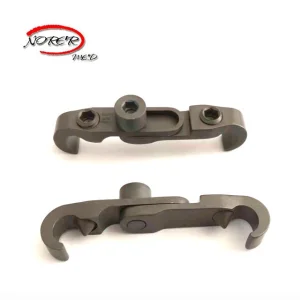
| Pelvic Ring Disruption | Massive internal bleeding, unstable pelvic volume. | Emergency Pelvic C-Clamp Fixators. | Carbon Fiber Struts & Heavy-Duty Locking Connectors. |
| Pediatric & Vet Trauma | Open growth plates, rapid bone remodeling, smaller anatomy. | Miniature External Fixators & Small-Diameter Pins. | Medical Grade Titanium Alloys (Ti-6Al-4V ELI). |
| Non-Unions & Deformities | Chronic bone shortening, angular deformities. | Hexapod Circular Fixators (Computer-assisted correction). | Anodized Aluminum and High-Tensile Titanium Screws. |
Clinical Insight: The application of "Damage Control Orthopedics" (DCO) utilizes rapid external fixation to stabilize long bone fractures temporarily. This stabilizes the patient’s systemic physiological state before performing definitive internal osteosynthesis with locking plates or interlocking intramedullary nails.
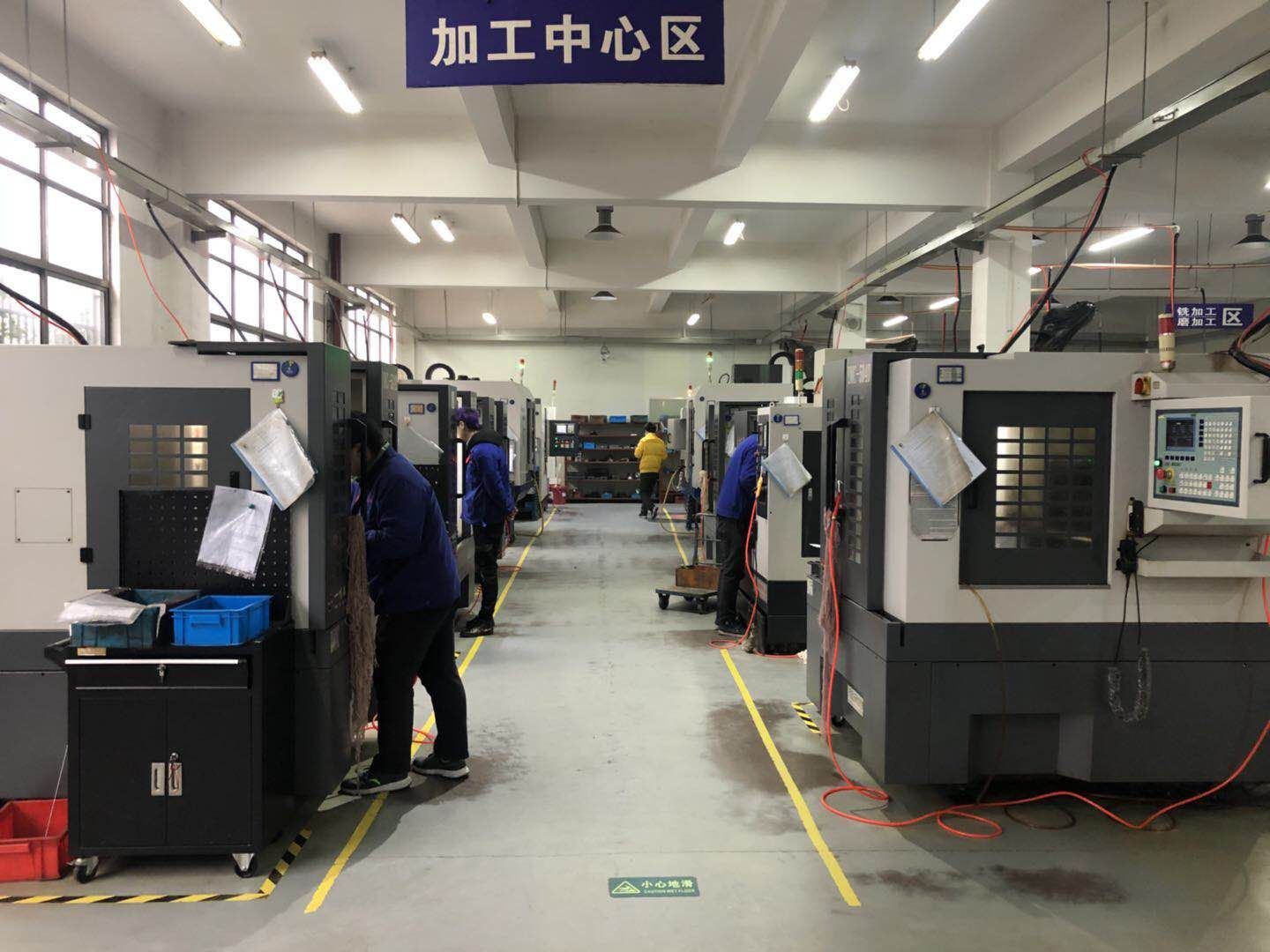
Operating in Changzhou’s specialized medical manufacturing cluster allows DEON Medical to leverage a complete, vertically integrated supply chain. Our Factory 4.0 transition focuses on high-level automation, automated dimensional inspection, and structural reliability.
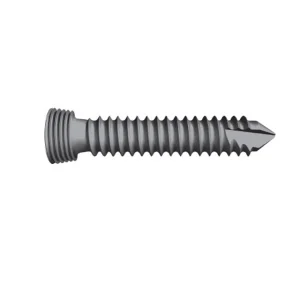
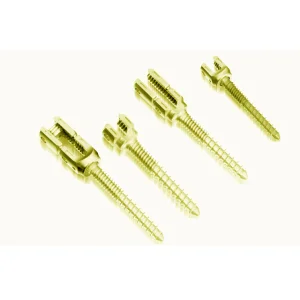
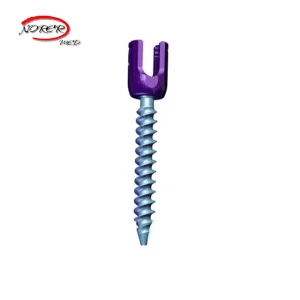
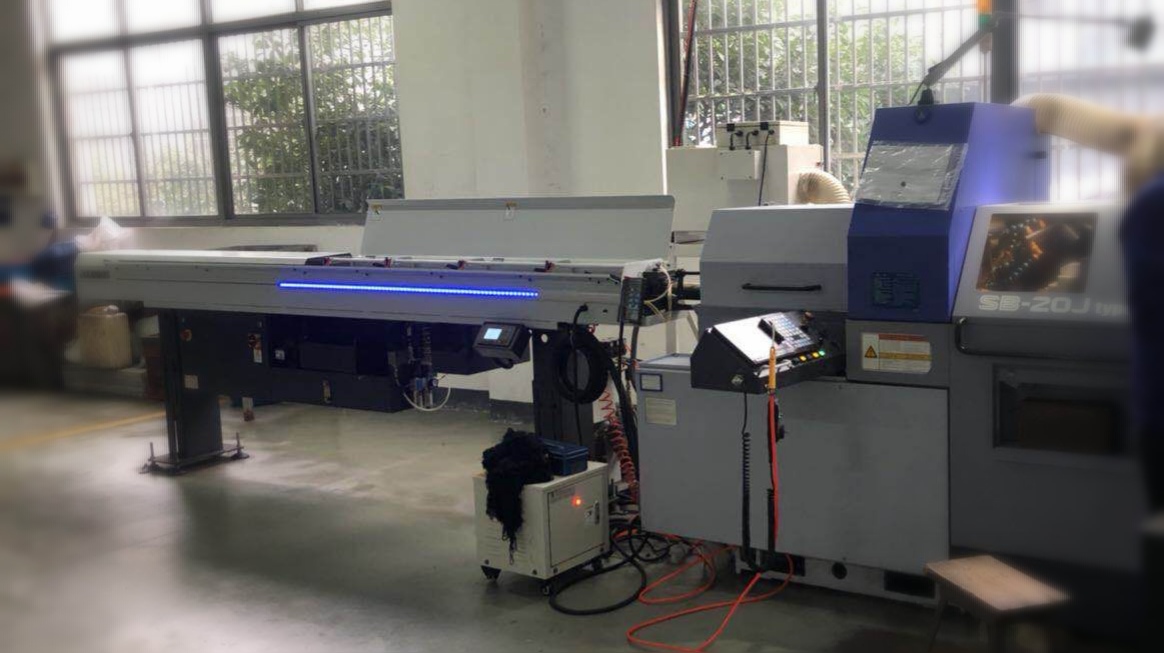
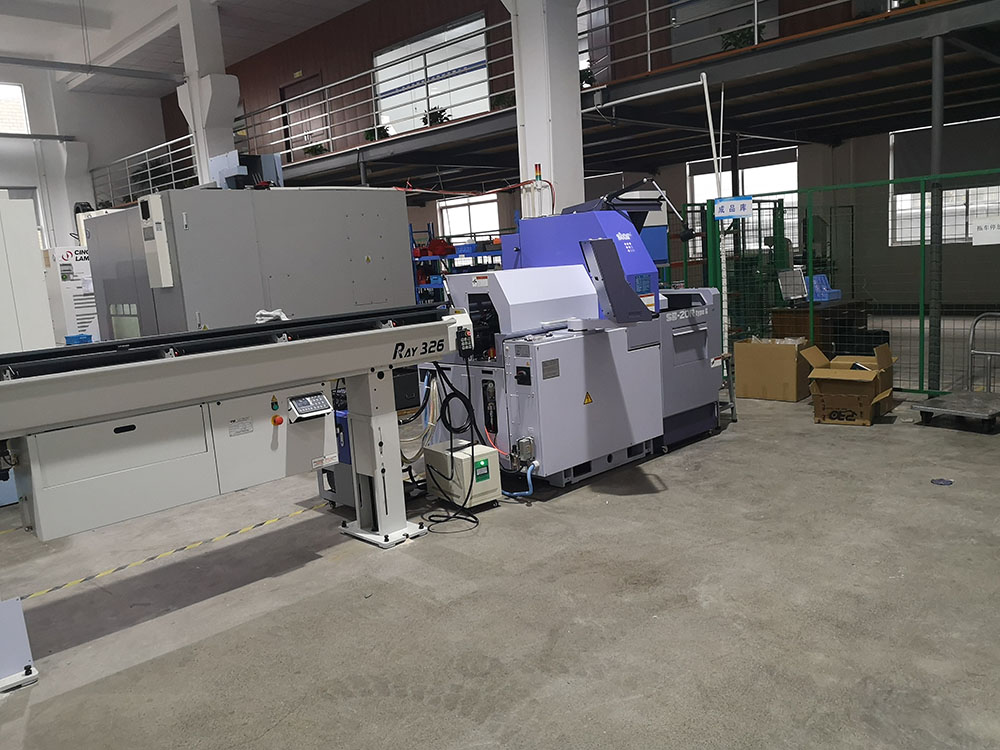
Our production lines are equipped with state-of-the-art multi-axis CNC Swiss-type lathes. This allows the machining of highly intricate thread profiles, self-tapping flutes, and variable pitch designs on locking screws and spinal pedicle pins with tolerances within ±3 microns, ensuring absolute mechanical consistency.
By partnering with audited raw material suppliers in China, we secure consistent batches of medical-grade titanium (Grade 5, Ti-6Al-4V) and PEEK. We conduct ultrasonic testing and spectral chemical analysis on every batch of raw material before it enters the CNC processing cycle, guaranteeing pure biological characteristics.
From Coordinate Measuring Machines (CMM) to automated optical projectors, each step of the manufacturing run is verified. This rigorous testing approach is designed to meet EU Medical Device Regulations (MDR) and FDA reporting protocols, eliminating the risk of structural failure under physiological loading conditions.
Distributing medical implants internationally requires navigating a complex labyrinth of regulatory frameworks and national standards. DEON Medical doesn't just supply products; we provide comprehensive regulatory documentation and technical support packages to facilitate smooth customs clearance, registration, and clinical adoption.
For large-scale B2B healthcare distributors, hospital purchasing organizations (GPOs), and private label brands, managing lead times, manufacturing capacity, and pricing transparency is critical. DEON Medical operates with a clear B2B procurement matrix designed to streamline volume purchasing.
Whether you require small-batch customized veterinary pedicle screws or standard human interlocking nails in bulk volumes, our production lines can scale up efficiently to optimize manufacturing costs and pass saving along to distributors.
Leverage our internal design laboratory. If you need modifications to the outer sleeve of a bone lock, thread depth revisions, or special packaging configurations, our design engineers can transition concept drawings into validated clinical prototypes.
We offer multiple shipping terms (FOB Shanghai, CIF, DDP) and maintain relationships with specialized cold-chain and medical-grade shipping carriers, ensuring that implants arrive sterile, securely packaged, and untampered.
Find authoritative answers to technical, regulatory, and procurement questions regarding our external and internal trauma systems.
Yes. DEON Medical is continuously aligning its quality systems and technical documentation files with the updated European Union Medical Device Regulation (MDR 2017/745). This ensures uninterrupted import rights and compliance for European distributors and healthcare systems.
We use medical-grade Ti-6Al-4V ELI (Grade 5, ASTM F136 specification). This titanium alloy features extra-low interstitials (ELI) which optimize ductility, toughness, and biocompatibility, making it superior to standard titanium for load-bearing skeletal implants.
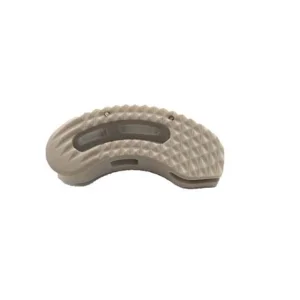
Absolutely. Our production line includes dedicated processing runs for veterinary-specific implants. These include veterinary-grade PEEK lumbar cages, miniature pedicle screws, and micro-locking plates designed for canine, feline, and equine orthopedic procedures.
For custom designs requiring new mold layouts or complex CNC reprogramming, the lead time typically ranges between 30 to 45 business days. This timeframe includes the production of sample batches, mechanical bench tests, and visual validation before full run scheduling.
We supply both configurations based on partner demand. Non-sterile implants are packaged under clean conditions in protective containers, ready for sterilization (usually autoclave steam sterilization) at the local clinical facility. Sterile implants undergo validated gamma irradiation or Ethylene Oxide (EO) sterilization, backed by sterile barrier packaging.
Every raw metal rod and PEEK block that enters our CNC facility is marked with a unique material heat code. This code traces directly back to the original metallurgical analysis reports provided by the smelter. We maintain records of these material runs for a minimum of 15 years to guarantee full lifetime accountability.
Discover our expanded inventory of surgical trauma hardware, including interlocking nails, spinal cages, and titanium stabilization rods.
 Deon Medical