Precision engineering meets rigorous kinematic testing. Explore our leading line of trauma, spine, and joint restoration products verified for operational stress and patient motion compatibility.
Changzhou, China
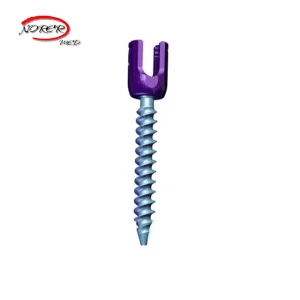
In modern orthopedic reconstruction and trauma medicine, the success of an implant is no longer measured solely by its structural integration, but by its dynamic performance under stress. The convergence of Motion Analysis Systems and orthopedic device manufacturing has ushered in an era where biomechanical kinematic validation dictates implant design. As a premier CE-certified manufacturer, DEON Medical integrates motion analysis validation into the development of high-fidelity trauma plates, PEEK spinal cages, and titanium pedicle screws.
The global orthopedic sector is experiencing a paradigm shift. Traditional "one-size-fits-all" trauma implants are being replaced by patient-matched and biomechanically simulated systems. The implementation of high-speed optoelectronic motion analysis, multi-camera digital photogrammetry, and dynamic strain calculation has allowed developers to observe how orthopedic implants interact with live tissue, muscle loads, and skeletal motion in real time.
By mapping the exact shear, torsion, and compressive force vectors experienced during gait, flexion, and rotation, our engineering team refines the structural geometry of our titanium screw machining profiles and spinal fixation components. This dynamic feedback loop minimizes the risk of stress shielding—a phenomenon where rigid metallic implants absorb too much load, leading to localized bone density degradation (Wolff's Law). Dynamic testing ensures that our implants possess a modulus of elasticity that matches native cortical and cancellous bone structures, particularly when using advanced materials like PEEK (Polyetheretherketone).
Procurement departments in modern hospitals, veterinary clinics, and international distribution networks focus on three core variables: biocompatibility, structural fatigue life, and regulatory clearance. Clinical stakeholders are increasingly demanding evidence of motion simulation testing before approving tenders. High-quality implants must demonstrate stable performance over millions of motion cycles, replicating years of physiological activity without mechanical degradation.
DEON Medical addresses complex anatomical challenges by providing comprehensive, motion-validated portfolios. Our macro-level solutions focus on stabilizing unstable skeletal geometries, permitting rapid patient mobilization, and accelerating osteointegration.
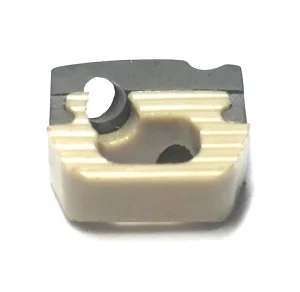
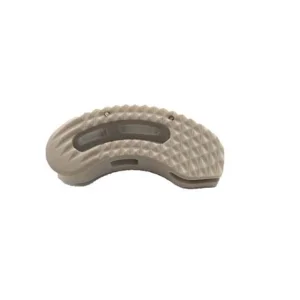
Our ACIF and TLIF PEEK Locking Infusion Cages restore disc height and normal lordosis while allowing dynamic load transfer to promote rapid interbody fusion.
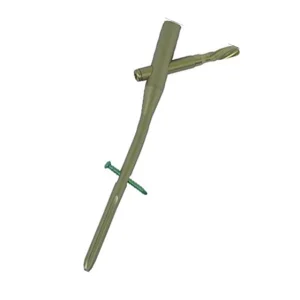
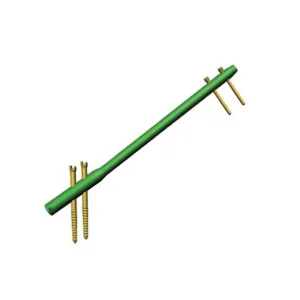
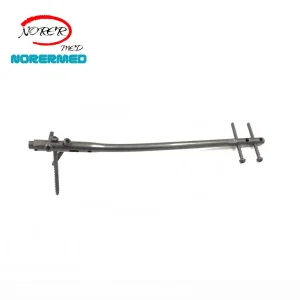
PFNA and Femoral Interlocking Nails are engineered for dynamic load sharing, allowing micro-motion at the fracture site to stimulate callus formation.
Anatomical configurations designed for veterinary orthopedic surgeons, optimizing surgical outcomes across varying animal morphologies.
Securing registration in target countries represents a critical challenge for global medical device distributors. DEON Medical provides comprehensive support to navigate these regulatory landscapes, ensuring every export shipment is accompanied by appropriate documentation:
The next decade of orthopedic implants belongs to "smart" biomechanical systems. DEON Medical is investing in research to embed passive sensor technologies within PEEK implants. These future systems will monitor in vivo strain and local temperature fluctuations, wirelessly transmitting kinematic data back to clinical teams during post-operative gait analysis. Furthermore, our manufacturing footprint is expanding to utilize advanced electron beam melting (EBM) 3D printing technologies, allowing for the direct production of porous titanium structures that mimic human trabecular bone pattern, yielding superior osteointegration and kinematic compliance.
Get answers to critical technical questions regarding materials, compliance, and design validation.
PEEK (Polyetheretherketone) exhibits an elastic modulus (approximately 3.6 GPa) that is much closer to human cortical bone than titanium alloy (around 110 GPa). This similarity significantly reduces stress shielding at the surgical site. PEEK is also radiolucent, allowing surgeons to monitor the progression of bony fusion on X-rays without the metal artifact interference typical of titanium.
All our PFNA, femoral, and tibial interlocking nails undergo dynamic fatigue testing simulating walking cycles. These evaluations identify potential points of structural fatigue, ensuring our interlocking nails withstand millions of weight-bearing cycles during fracture healing without bending or breaking.
No, they are redesigned to account for the unique biomechanics of quadrupeds. The vector forces, bone density, and geometries of animals require modifications in implant length, screw pitch, and plate thickness. Our veterinary line is custom-engineered to meet these requirements.
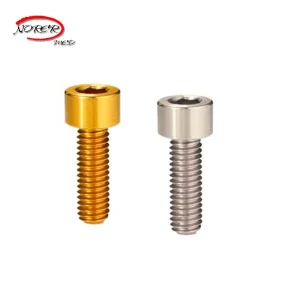
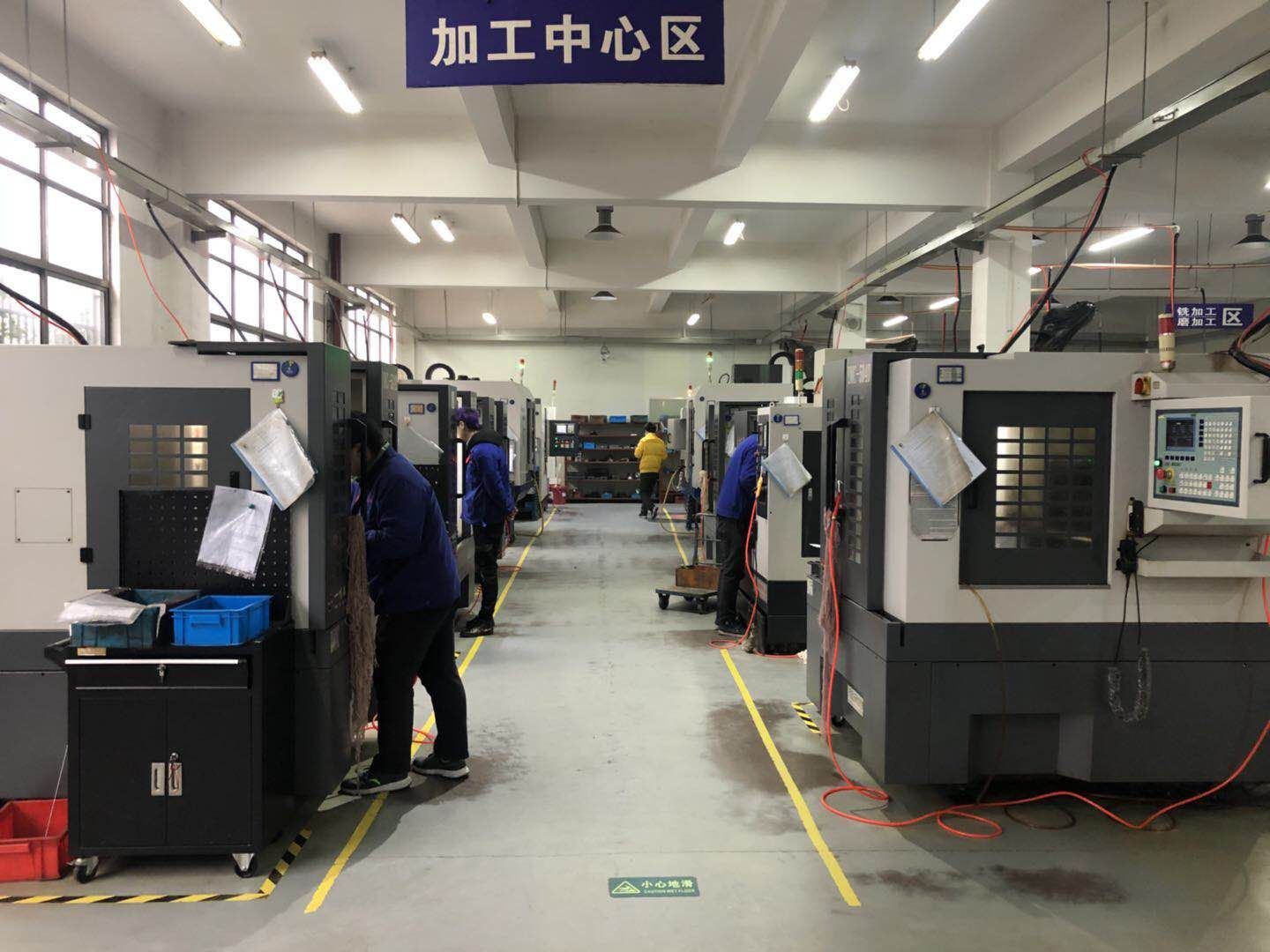
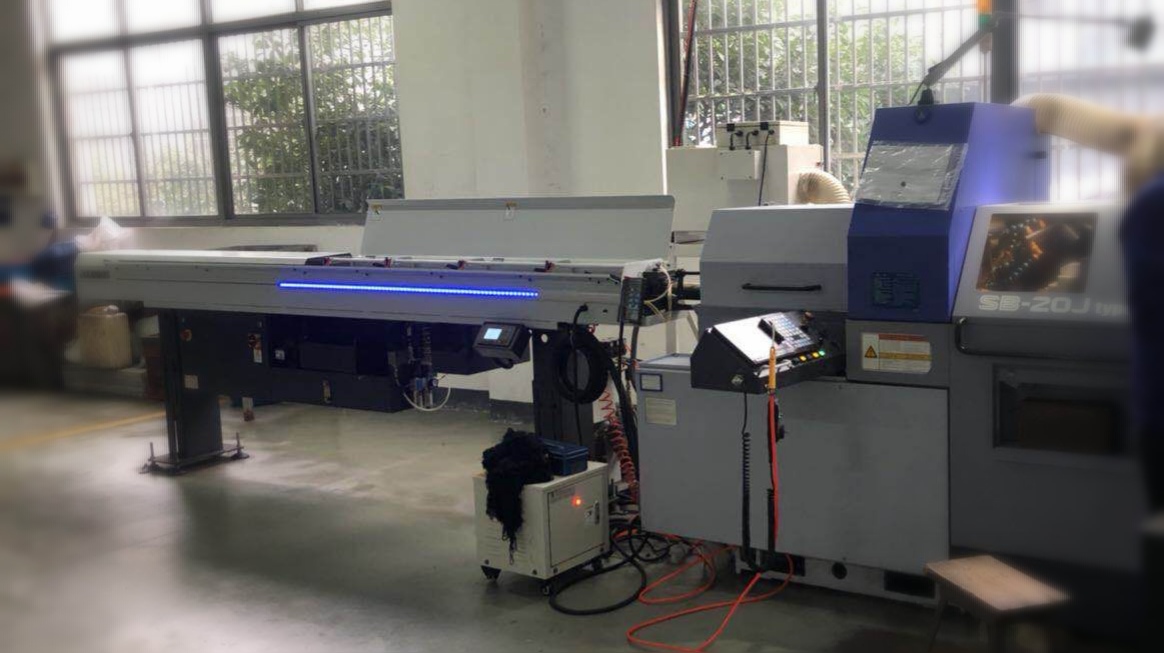
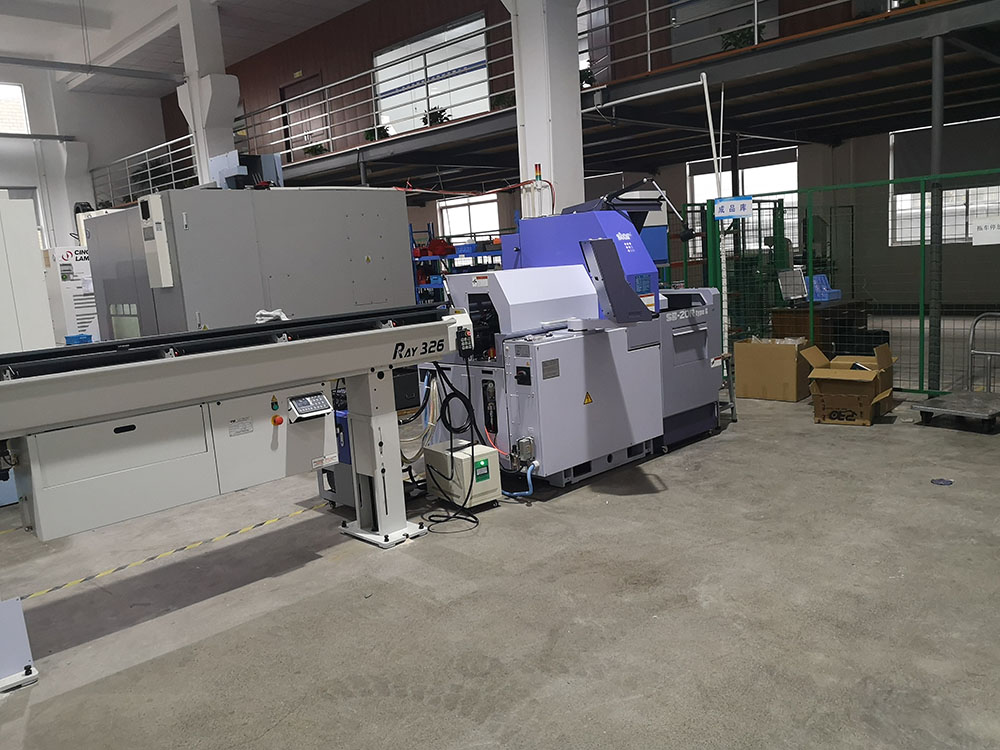
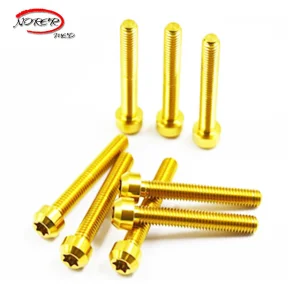
We utilize high-speed Swiss-type CNC lathe processing to ensure tolerances within ±0.01mm. The thread profiles are polished to remove microscopic stress concentration points, and each screw undergoes strict passivation to optimize its corrosion resistance in physiological environments.
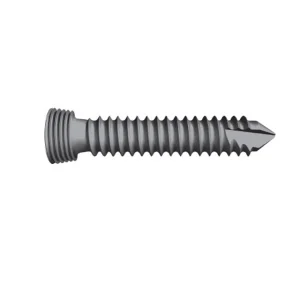
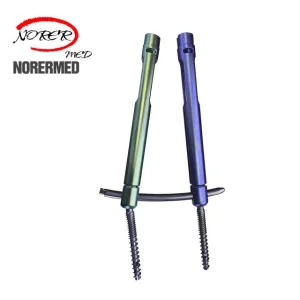
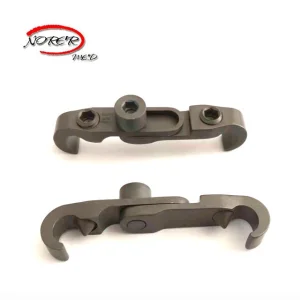
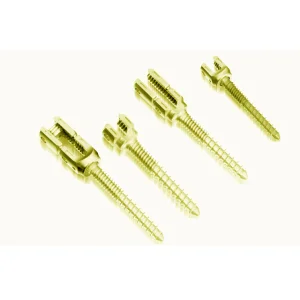
Expanding clinical solutions across locking screws, custom rods, and minimally invasive spinal systems.
 Deon Medical