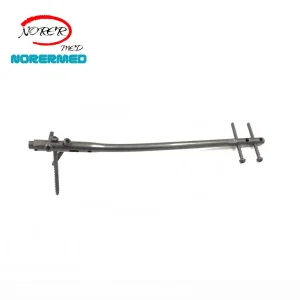
Explore our selection of CE-certified implants and instruments, engineered with medical-grade titanium and PEEK materials to ensure optimal osseointegration and mechanical support.
Modern neurosurgical and orthopedic procedures demand a level of precision where manufacturing deviations of even a single micrometer can compromise clinical outcomes. As leading global CE Certified Neurosurgery Equipment Manufacturers & Exporters, we specialize in the fabrication and distribution of Class IIb and Class III surgical implants designed to meet the rigorous requirements of cranial bone flap fixation, complex spinal decompression, and trauma reconstruction.
The biomechanical environment of the human skull and spine presents unique challenges. Implants must demonstrate outstanding fatigue strength, resistance to micro-fretting corrosion, and elastic modulus compatibility close to that of cortical bone. By integrating high-grade Titanium Alloy (specifically Ti-6Al-4V ELI conforming to ASTM F136 standards) and biocompatible polymers like Polyetheretherketone (PEEK conforming to ASTM F2026), we manufacture implants that facilitate long-term stability and optimal osseointegration.
The neurosurgical and orthopedic landscape is undergoing a digital and biological convergence. As research progresses toward adaptive osteoconductive interfaces, our technical roadmap defines the next decade of medical device engineering:
To enhance early bone attachment, we are utilizing advanced plasma spray technologies to create micro-structured porous surfaces on titanium cranial locks and spinal pedicle screws. This maximizes the contact surface area and accelerates osteogenesis.
Standard PEEK provides excellent radiolucency. The integration of continuous carbon fibers creates a composite with a modulus closer to cortical bone (15-20 GPa), minimizing stress shielding effects and ensuring clearer postoperative MRI scans.
Leveraging selective laser melting (SLM) additive manufacturing, we are designing customizable titanium cranial meshes and anatomical locking plates that perfectly replicate patients' CT data to shorten intraoperative shaping times.
In modern healthcare systems, procurement managers and neurosurgeons search for comprehensive systems rather than individual screws. An incomplete fixation set can stall surgeries, driving up hospital overhead and patient risk. We address these clinical demands with complete, systematic anatomical kits:
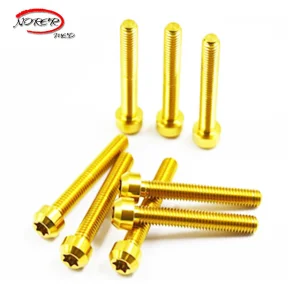
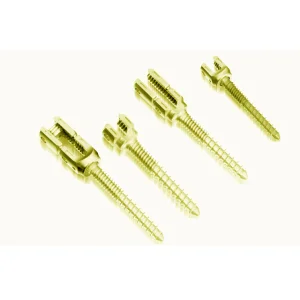
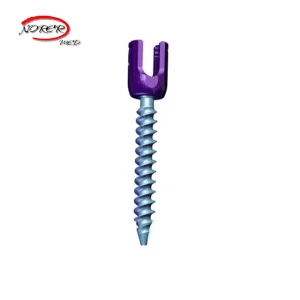
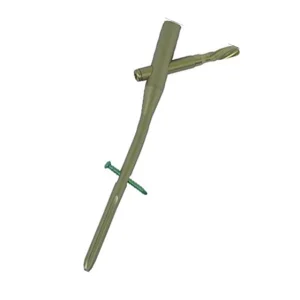
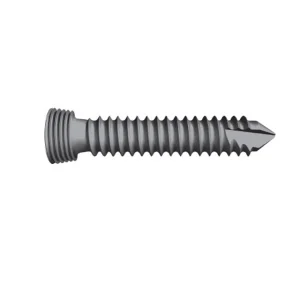
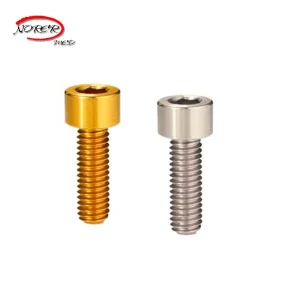
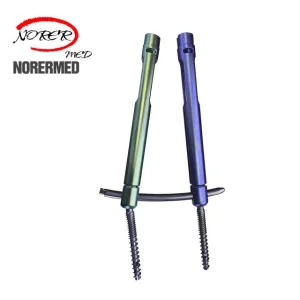
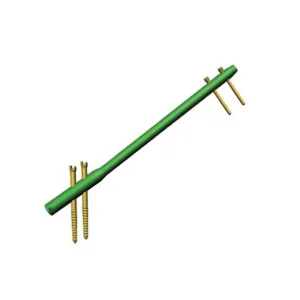
Our range of spinal pedicle screws includes polyaxial, monoaxial, and uniplanar configurations. Each screw features a low-profile tulip head designed to reduce tissue irritation, combined with double-lead threads that cut insertional torque in half. Paired with robust crosslink rods, they provide exceptional stability across multi-level fusions.
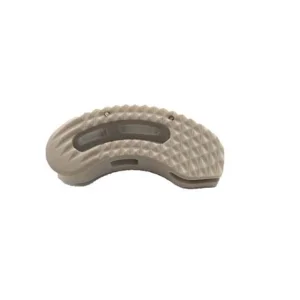
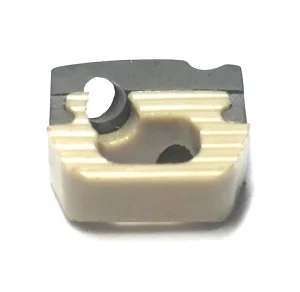
Lumbar and cervical interbody fusion cages designed in PEEK simulate the load-bearing behavior of bone. Featuring integrated teeth and generous bone graft windows, these cages promote rapid fusion while preventing implant migration. Our TLIF and ACIF structures are engineered for minimally invasive inserters, simplifying surgical entry.
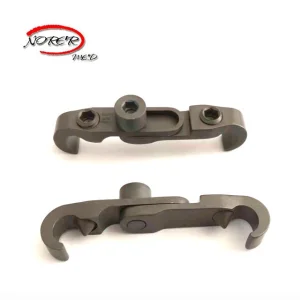
Cranio-maxillofacial surgeries require thin, strong, and highly customizable fixation. Our titanium cranial locks and mesh plates offer robust rigid fixation following craniotomy. Designed with self-drilling screws, these systems minimize drilling friction, reducing thermal necrosis risk in bone tissues.
Located in the high-tech medical industrial cluster of Changzhou, Jiangsu Province, China, our manufacturing center leverages the regional advantage of precision machinery supply chains. This localized ecosystem allows us to achieve cost efficiencies, rapid prototyping, and high consistency in production.
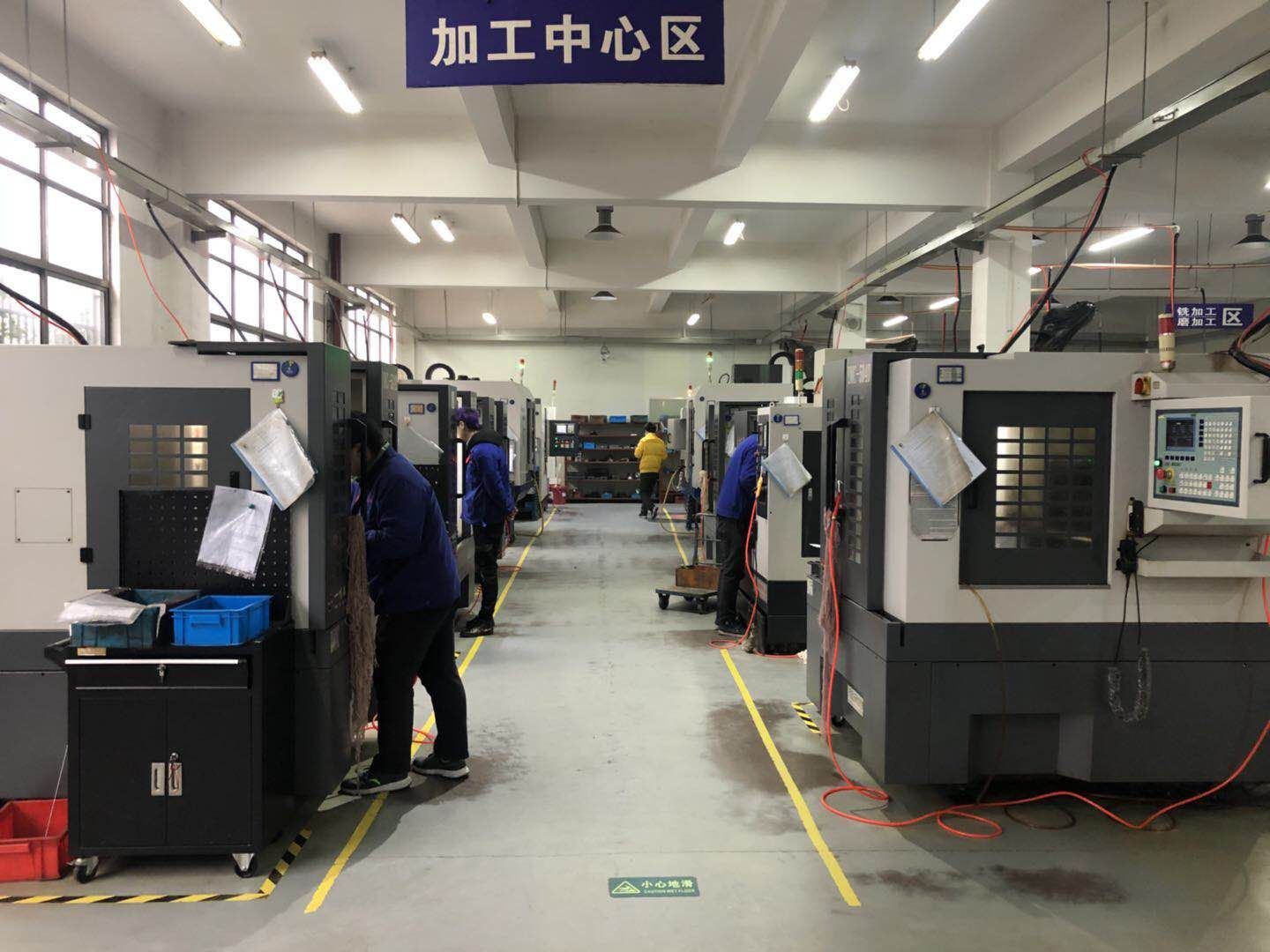
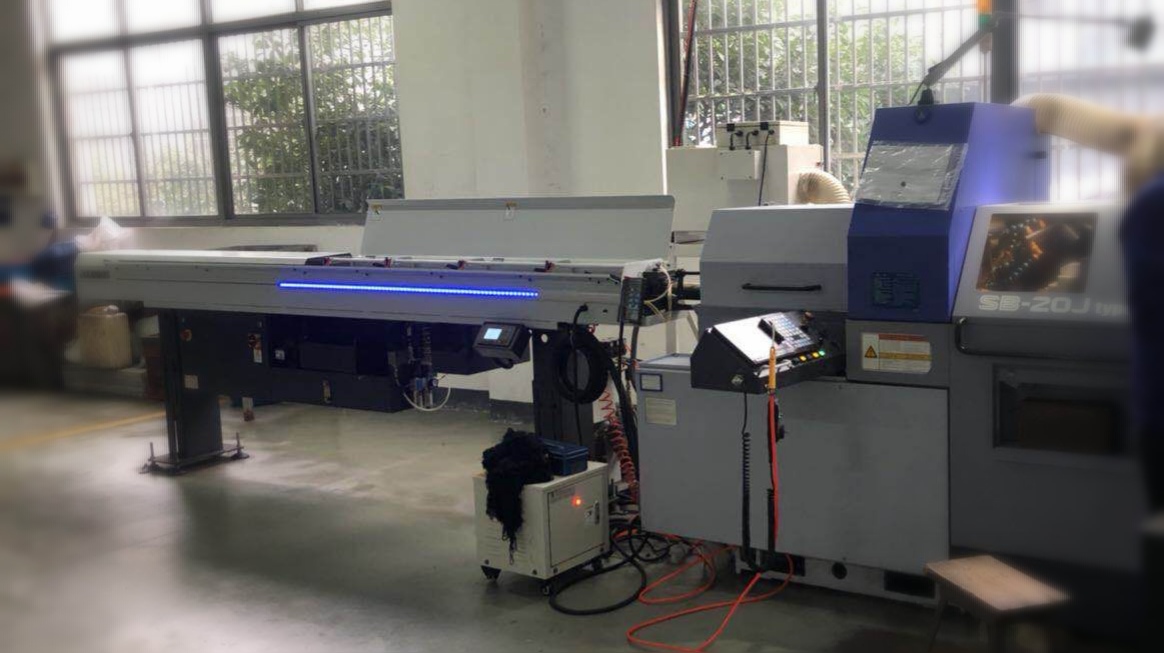
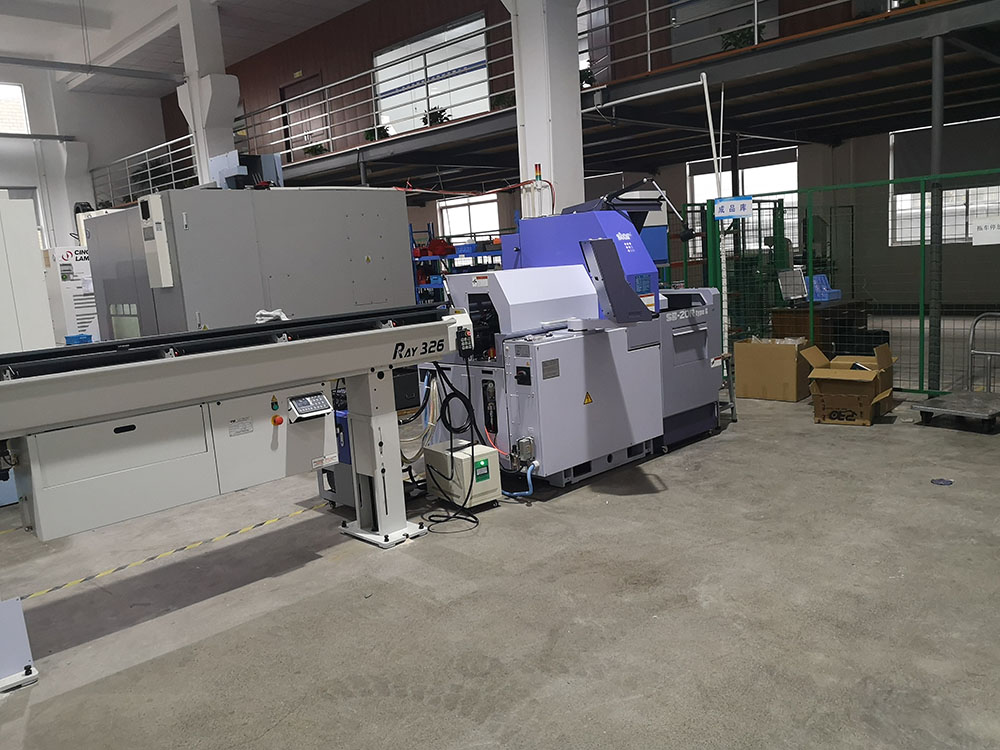
By employing high-speed Swiss-type multi-axis CNC machines, we manufacture complex micro-threads on pedicle screws and bone plates in a single setup, eliminating positional errors.
Every product goes through strict ultrasonic cleaning and acid-passivation inside class 100,000 cleanrooms, minimizing bioburden levels before sterilization packaging.
Our in-house laboratory conducts pull-out testing, fatigue resistance profiles, and torsion performance evaluations to ensure every batch exceeds ASTM and ISO standards for human use.
Every rod of titanium and block of PEEK is sourced from qualified suppliers, backed by mill test certificates (MTC) outlining precise chemical composition and microstructure.
As a specialized developer and manufacturer with over a decade of dedication to orthopedic trauma, spine, and cranial implants, we combine technical expertise with global export capabilities.
Navigating the complex regulatory landscape of medical device importing requires close alignment between manufacturer and distributor. We assist global procurement managers through streamlined regulatory support and customized supply solutions:
With the transition from MDD to MDR (Regulation EU 2017/745), we provide detailed Post-Market Clinical Follow-up (PMCF) plans, comprehensive Clinical Evaluation Reports (CER), and rigorous risk assessments.
We offer custom engraving, individualized color anodization for size grouping, and design alterations for specialized screw lengths or bone plate shapes to meet unique local market trends.
Implants are available in double Tyvek-pouch packaging for sterile delivery, or non-sterile setups suitable for autoclave sterilization inside hospitals, reducing processing times.
We furnish full documentation sets, including Certificates of Free Sale (CFS), ISO 13485 registration certifications, raw material declarations, and comprehensive user guides.
Explore additional systems in our trauma and joint reconstruction catalog, fully compliant with global export regulations.
 Deon Medical