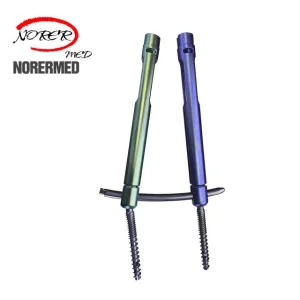
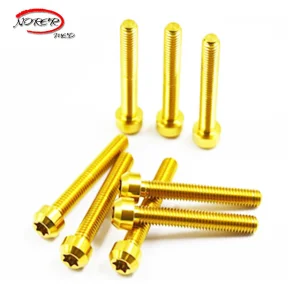
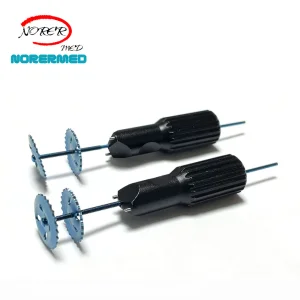
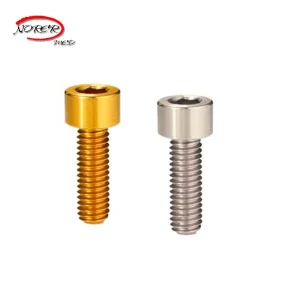
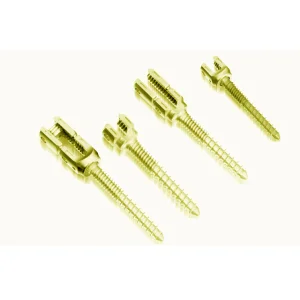
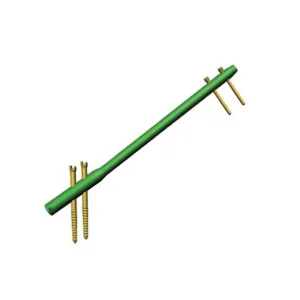
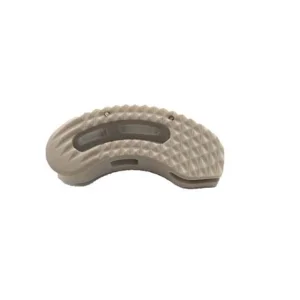
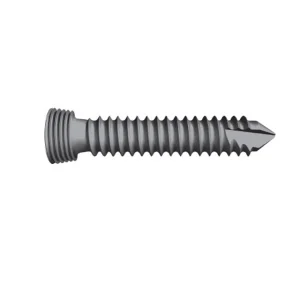
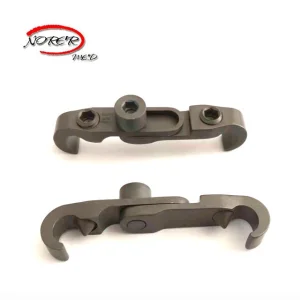
Explore our flagship precision-engineered surgical devices crafted from biocompatible Grade 5 Titanium (Ti6Al4V ELI) and PEEK polymers.
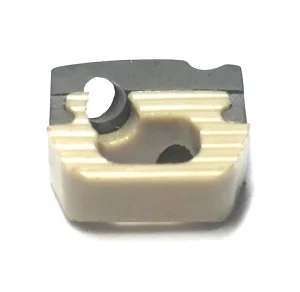
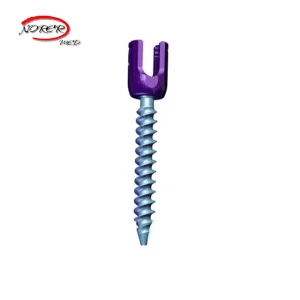
The global market for medical devices and surgical implants is undergoing a monumental paradigm shift driven by demographic aging, an increasing incidence of musculoskeletal disorders, and rapid technological advancements in minimally invasive surgical (MIS) techniques. Modern clinical outcomes rely heavily on the micro-engineering integrity of orthopedic implants—ranging from spinal pedicle screw fixation systems and trauma interlocking nails to cranial locks and specialized PEEK (Polyetheretherketone) interbody fusion cages.
According to recent macroeconomic health studies, the global orthopedic devices market is projected to expand at a compound annual growth rate (CAGR) exceeding 6.2% over the next decade. Within this high-stakes domain, global healthcare providers, hospital networks, and medical device distributors demand compliance with international quality standards. Obtaining CE Certification (MDR EU 2017/745 compliance) and ISO 13485 certification is no longer merely a regulatory hurdle—it is an essential benchmark of safety, bio-performance, and structural reliability.
Key Information Gain Insight: The convergence of human surgical precision standards with veterinary orthopedic surgery has created a dynamic dual-use manufacturing sector. Medical OEM/ODM manufacturers capable of delivering sub-micron CNC titanium machining and medical-grade PEEK molding are taking center stage in the global supply chain network.
China has evolved from a high-volume manufacturing center into an advanced hub for high-precision medical device engineering. At the epicenter of this industrial evolution is Changzhou City, Jiangsu Province—widely recognized as the Silicon Valley of China's orthopedic implant industry. The Changzhou medical device ecosystem brings together raw material metallurgy, multi-axis precision machining, specialized surface treatment laboratories, and sterile packaging facilities into a streamlined, highly efficient industrial zone.
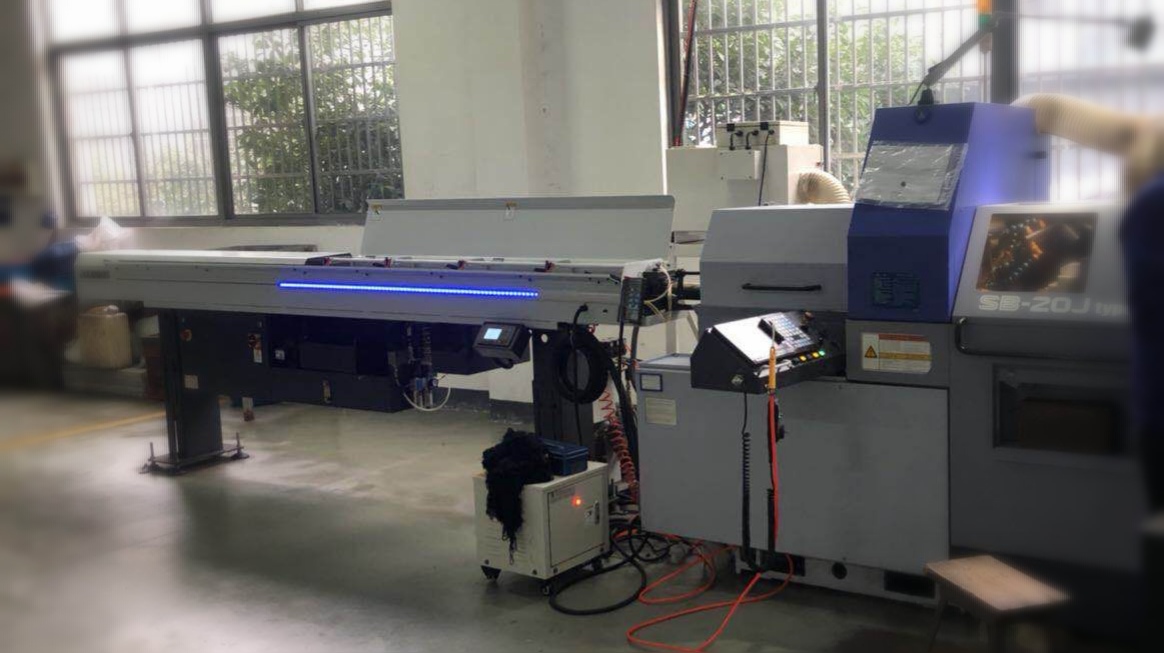
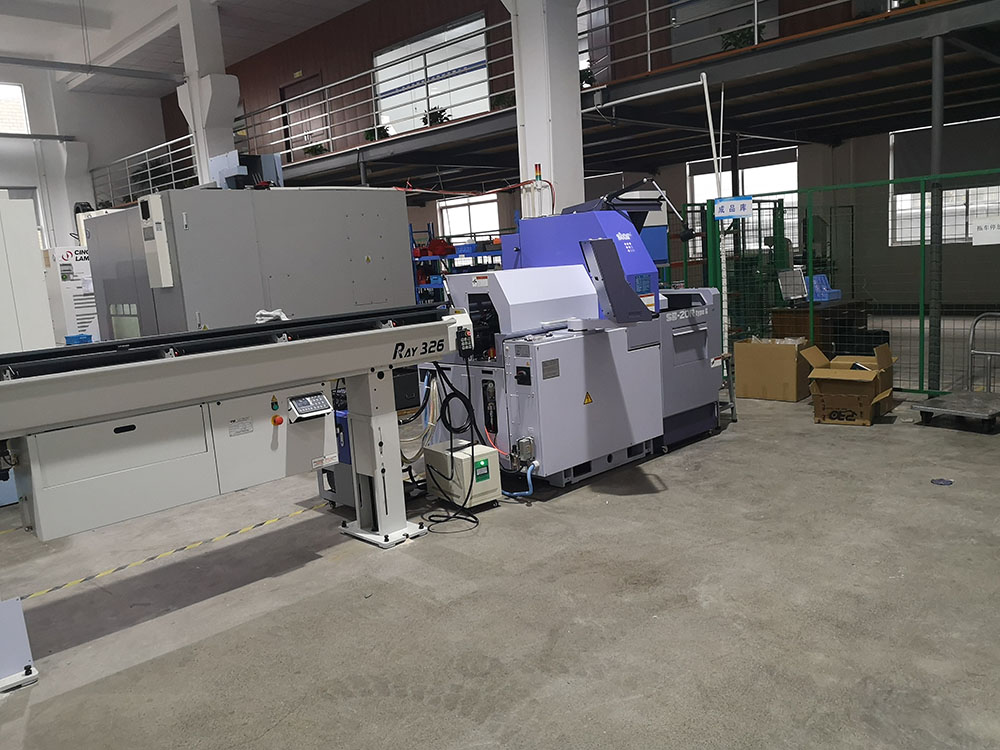
Utilizing multi-axis Swiss longitudinal lathes and DMG Mori 5-axis machining centers to achieve critical thread tolerances under ±0.005mm for pedicle screws and bone anchors.
Exclusive utilization of implant-grade Titanium Alloy (Ti6Al4V ELI conforming to ASTM F136 / ISO 5832-3) and PEEK-OPTIMA® polymers for optimal osseointegration and fatigue resistance.
End-to-end quality assurance featuring automatic coordinate measuring machines (CMM), optical profile comparators, and cleanroom washing, guaranteeing zero particulate contamination.
Localized raw material supply and mature supply chain integration significantly reduce production costs without compromising international clinical standards.
The orthopedic landscape is accelerating towards smart digitalization, minimally invasive approaches, and patient-specific implant customization. Key innovations currently shaping global market demand include:
Traditional open-spine surgeries are increasingly being replaced by Minimally Invasive Spine Surgery (MISS). Transpedicular screw fixation systems engineered with cannulated conduits allow surgeons to place pedicle screws over guide wires through micro-incisions. This drastically minimizes soft-tissue trauma, reduces intraoperative blood loss, and accelerates post-operative rehabilitation for patients.
Polyetheretherketone (PEEK) has emerged as the premier choice for interbody fusion cages (ACIF, TLIF, PLIF). Possessing an elastic modulus close to natural human cortical bone (~3.6 GPa), PEEK minimizes stress shielding effects commonly associated with metallic implants. Furthermore, its radiolucent properties allow surgeons to accurately evaluate bone graft fusion progression via standard X-ray imaging without radiopaque interference.
The rapid expansion of the global pet care market has driven demand for veterinary orthopedic implants built to human clinical standards. Veterinary surgeons now routinely perform complex spinal fixations, fracture repair using intramedullary nails, and cranial repairs using titanium skull locks. Modern factories are leveraging flexible production lines to supply both human-grade medical devices and specialized veterinary implant systems under strict ISO 13485 oversight.
Below is a comprehensive technical overview of the primary orthopedic implant systems produced and exported by certified Chinese manufacturers:
| Implant System Family | Material Composition | Standard Specifications | Clinical / Application Indication | Regulatory Certifications |
|---|---|---|---|---|
| Spinal Pedicle Screw System | Ti6Al4V ELI (Grade 5 Titanium) | Dia: 4.5mm - 7.5mm; Length: 30mm - 55mm (Mono / Poly / Uniplanar) | Thoracolumbar spine fracture, degenerative disc disease, scoliosis correction | CE (MDR), ISO 13485, GMP |
| PEEK Interbody Cages (TLIF/ACIF) | Medical Grade PEEK + Tantalum Markers | Anatomical lordotic angles, porous surface pattern, infusion windows | Cervical & lumbar degenerative disc disease, interbody spinal fusion | CE Marked, ISO 13485 |
| PFNA Intramedullary Nail System | Titanium Alloy / Stainless Steel 316L | Nail Dia: 9mm - 12mm; Length: 170mm - 240mm; Helical blade locking | Trochanteric & subtrochanteric femoral fractures, proximal femur trauma | CE, ISO 13485 Certified |
| Cranial Skull Lock & Plate | Pure Titanium (Grade 2 / Grade 3) | Ultra-low profile (0.6mm - 1.0mm thickness), multi-hole lock design | Neurosurgical craniotomy closure, trauma skull bone fixation | CE, ISO 13485 |
| Veterinary Spinal & Trauma Implants | Ti6Al4V ELI / Biocompatible PEEK | Micro sizes (1.5mm - 3.5mm screws) tailored for feline & canine anatomy | Small animal spinal stabilization, TPLO surgery, canine limb trauma | ISO 13485, Veterinary CE |
DEON Medical (Changzhou) Co., Ltd. stands as a benchmark of precision quality within China's medical equipment export landscape. For over a decade, DEON Medical has integrated R&D, advanced contract manufacturing, and international trade to deliver high-tier orthopedic solutions worldwide.
We are located in Changzhou city, CHINA. We are an established manufacturer and international distributor specializing in Orthopedic Trauma bone plates, bone screws, orthopedic Interlocking nails, spine pedicle screws, Cervical Plates, PEEK cervical & lumbar cages, and specialized surgical equipment.
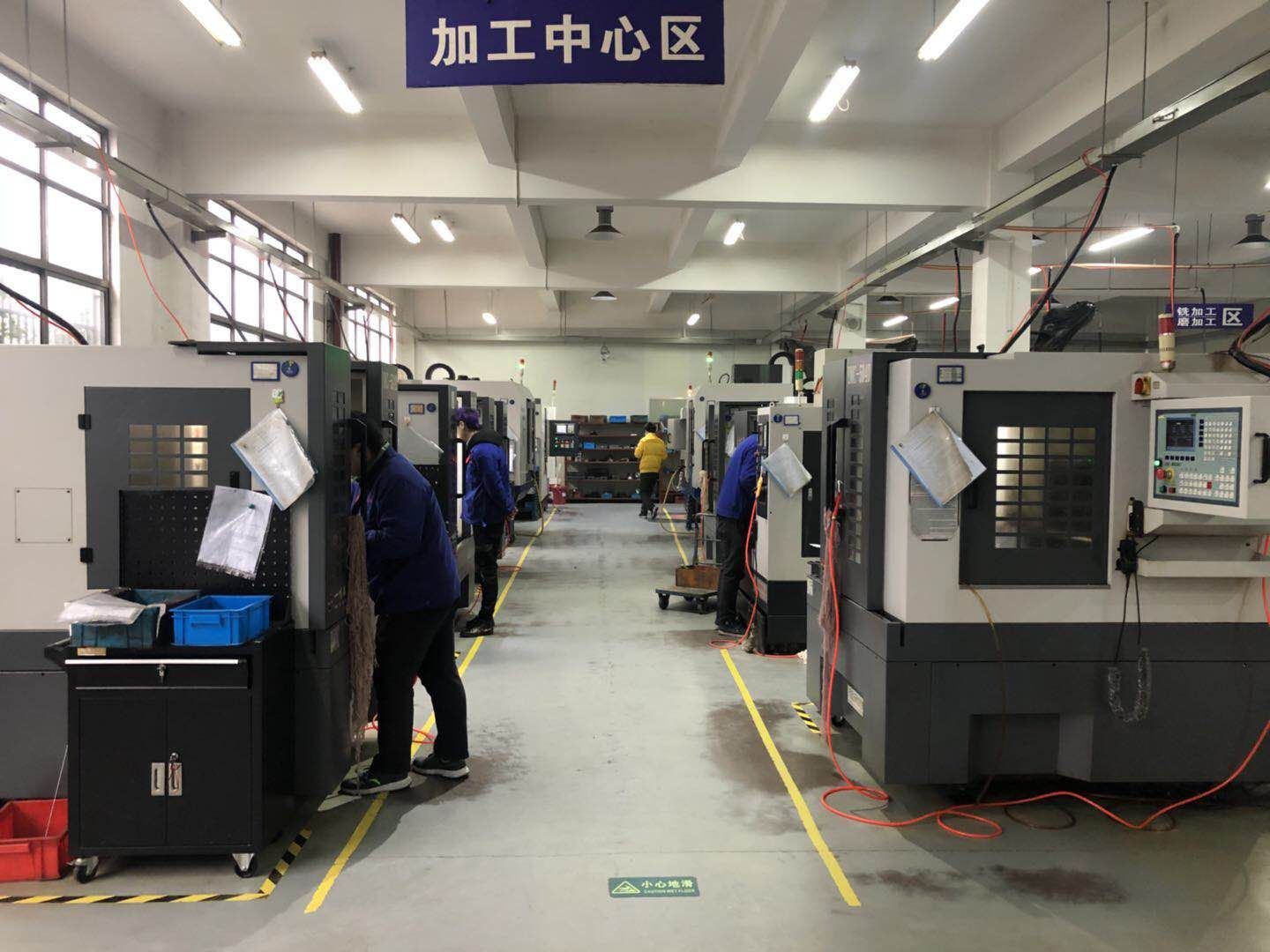
Precision orthopedic implants serve diverse clinical needs across surgical disciplines. Understanding localized surgical demands enables targeted product selection and customized manufacturing:
In degenerative lumbar spondylolisthesis, vertebral instability, or scoliosis reconstruction, pedicle screw fixation systems work in tandem with PEEK TLIF/ACIF interbody cages. The pedicle screws provide immediate 3D rigid fixation across posterior column elements, while the hollow PEEK cage filled with autologous bone graft restores disc height and promotes anterior column osseointegration.
For long-bone diaphyseal fractures of the femur and tibia resulting from high-impact trauma, GAMA and PFNA Expert Interlocking Nailing Systems provide load-sharing internal fixation. Insertion into the medullary canal preserves periosteal blood supply, enabling faster callus formation and early patient weight-bearing compared to traditional plating.
Following decompressive craniectomy or head trauma surgery, Titanium Cranial Locks offer a fast, secure method to fix autologous bone flaps or synthetic cranioplasty plates. The low-profile design minimizes post-operative tactile palpability under the scalp while ensuring firm mechanical stability.
Companion animals, particularly large canine breeds, frequently suffer from cranial cruciate ligament (CCL) ruptures or spinal disc herniations. Specialized veterinary PEEK locking cages and micro pedicle screws allow veterinary orthopedists to perform advanced procedures with outcomes comparable to human clinical surgery.
For international procurement directors, hospital purchasing boards, and medical brand owners, sourcing orthopedic implants requires stringent vendor qualification processes. Key strategic considerations include:
Browse our expanded portfolio of trauma interlocking systems, spinal fixation, PEEK cages, and micro-machined titanium rods.
 Deon Medical