The modern operating theater demands an unprecedented level of integration between patient support systems and high-precision surgical instruments. CE Certified Surgical Tables are no longer merely passive platforms; they have evolved into dynamic, motorized positioning systems engineered to facilitate advanced intraoperative imaging and robotic-assisted alignments.
Key regulatory guidelines under the European Medical Device Regulation (MDR 2017/745) dictate that surgical tables must guarantee structural reliability under extreme load vectors, incorporate anti-static biomaterials to mitigate electrostatic discharge (ESD) hazards, and offer complete radiolucency. Modern tables utilize carbon fiber structures to achieve minimum attenuation of X-ray beams, enabling crisp C-arm fluoroscopy during critical orthopaedic fixations such as tibial intramedullary nailing or posterior spinal arthrodesis.
To qualify for CE mark distribution within the European Economic Area, operating tables must conform to strict harmonized parameters:
Hospital purchasing groups, medical distributors, and tier-one healthcare facilities operate within strict regulatory framework matrices when sourcing operating room infrastructure. The decision-making process for importing CE-marked surgical equipment involves evaluating material traceability, electromagnetic compatibility (EMC), and fluid ingress protection levels (IPX4 rating minimum for bodily fluids and sanitizing agents).
Verification of CE declarations of conformity, ISO 13485 quality system standards, and compliance certificates from accredited notified bodies (e.g., TÜV, SGS). Ensure the factory is registered under EUDAMED.
Electro-hydraulic or mechanical adjustments including Trendelenburg/Reverse Trendelenburg (up to 30°), lateral tilt (20°), longitudinal shift (up to 350mm for full body C-arm scan), and height configurations matching ergonomic posture demands.
Standardized side rails (EU dimensions 25x10mm) for secure adaptation of pelvic extensions, knee crutches, anesthesia screens, and orthopedic traction frames.
A surgical procedure is a finely orchestrated balance between patient positioning and structural fixation. When performing complex trauma and spinal reconstructions, the choice of the operating table's traction and alignment modules directly determines the mechanical accuracy of implant positioning. DEON Medical's orthopedic systems—spanning tibial nails, spinal screws, and cervical cages—are designed to interface optimally during these setups.
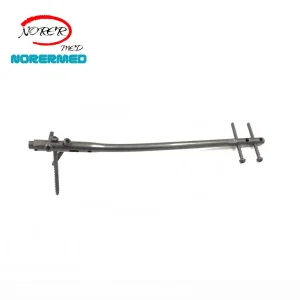
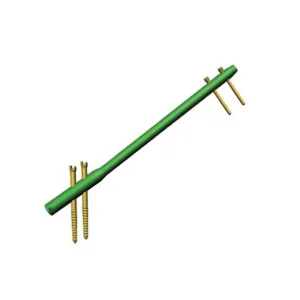
For insertion of the Titanium Orthopedic Tibial Interlocking Nail (Expert), the patient is typically placed in a supine position with the affected leg flexed 90 degrees over a knee holder, or positioned in traction. The surgical table’s carbon fiber leg sections allow uninhibited AP and Lateral fluoroscopic views, securing the entry point and distal locking screw alignment without metallic interference.
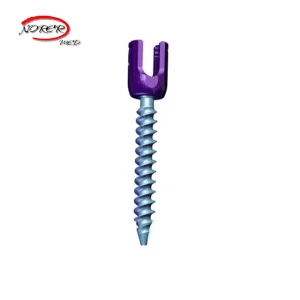
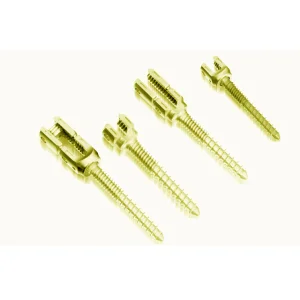
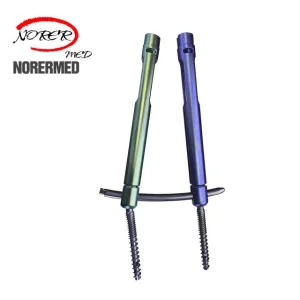
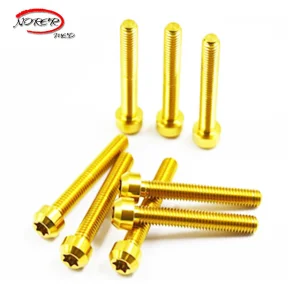
During posterior spinal arthrodesis utilizing the Titanium Spine Uniplanar Pedicle Poly Screw, the surgical table must utilize a specialized spine frame (e.g., Wilson frame or spinal bracket system). This decompresses the abdomen to reduce venous pressure, while maintaining lordosis. Rigid modular frame support prevents any micromovement when inserting thoracic or lumbar pedicle screws.
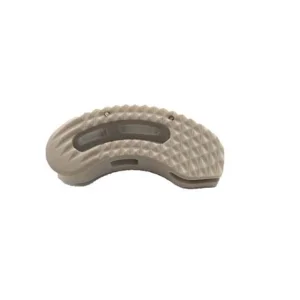
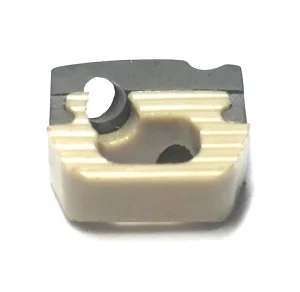
Placement of the Veterinary & Human PEEK Lumbar TLIF Cages or *ACIF PEEK Locking Infusion Cages* demands stable parallel distraction of the vertebral bodies. Advanced surgical tables enable micro-adjustment of tilt and flexion to open the intervertebral disc space, reducing muscle fatigue and optimizing the insertion angle for cages.
| Procedure Type | Required Table Configuration | Critical Implant Parameter | Typical DEON Medical Solution |
|---|---|---|---|
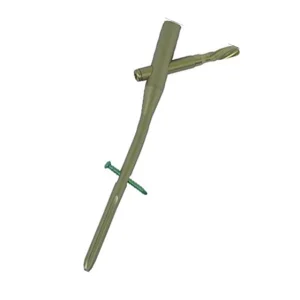
| Intramedullary Femoral/Tibial Nailing | Orthopedic Traction Extension & Radiolucent Leg Plates | Distal locking holes alignment via C-arm scan | Expert Tibial Interlocking Nail / PFNA System |
| Posterior Thoracolumbar Fixation | Prone Spine Support Frame, Open Frame Construction | Uncompromised posterior access, sagittal plane alignment | Uniplanar/Monoaxial Pedicle Poly Screws |
| Anterior/TLIF Spinal Arthrodesis | Longitudinal Tilt, Motorized Height Adjustment | Vertebral distraction, disk space restoration | PEEK Lumbar TLIF Cage / ACIF PEEK Cage |
| Cranial Decompression & Implant Placement | Mayfield Adapter & Horseshoe Headrest Rails | Rigid stabilization of cranial bones during plating | Titanium Cranial Skull Lock & Plates |
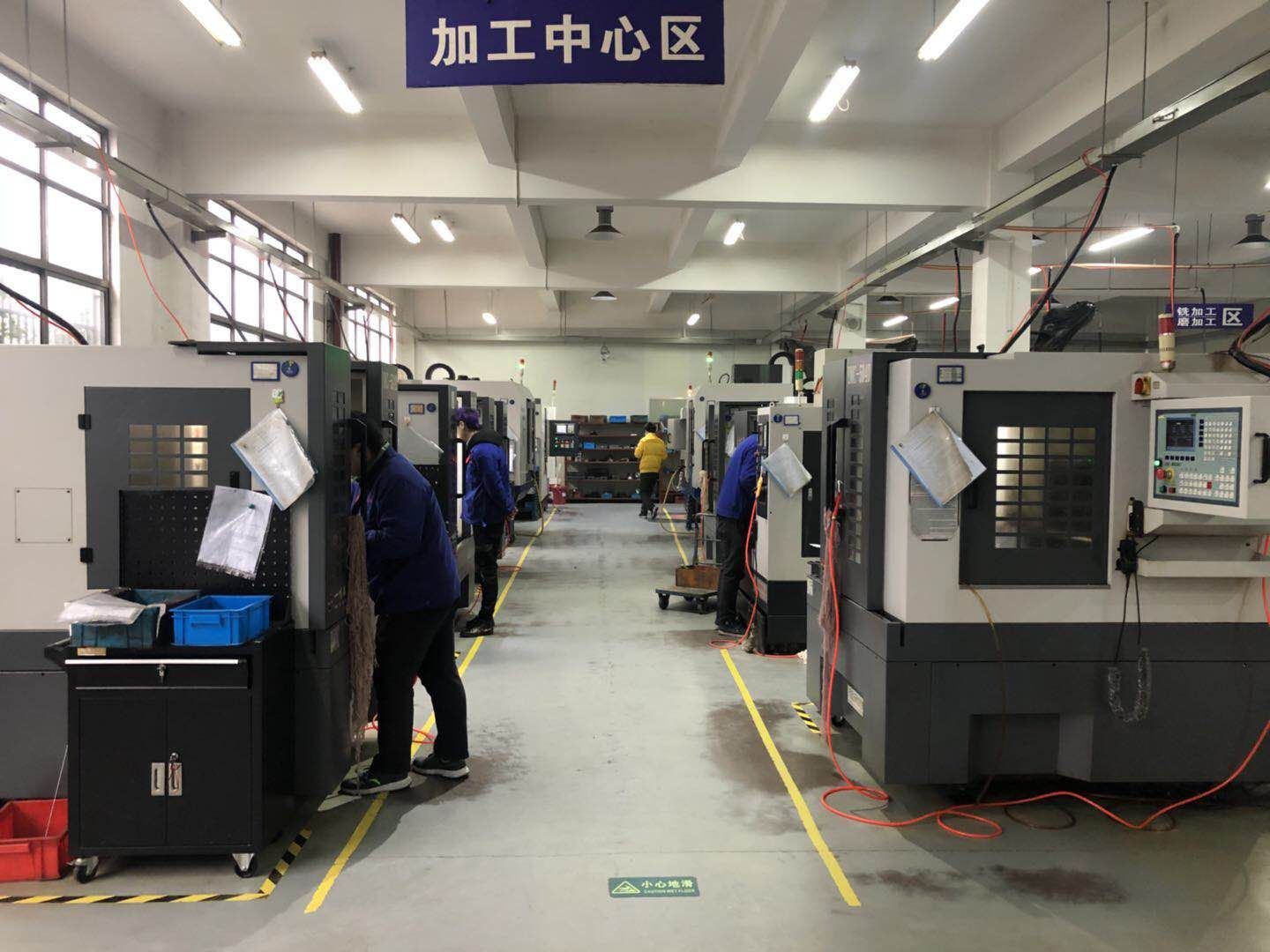
Located in the medical engineering manufacturing hub of Changzhou, Jiangsu, China, DEON Medical (Changzhou) Co., Ltd. stands as a dedicated supplier of advanced orthopedic implants and custom machined medical hardware. Operating for a decade under strict ISO standards, DEON Medical supplies international healthcare buyers, veterinary clinics, and orthopedic distributors with durable, biocompatible surgical components.
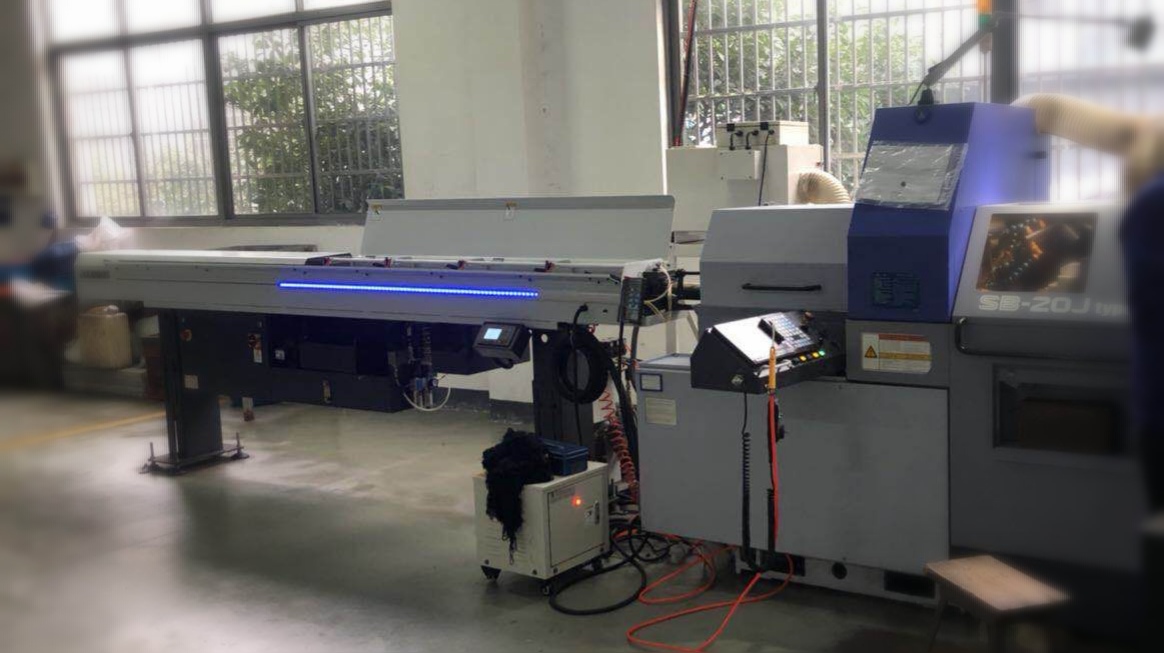
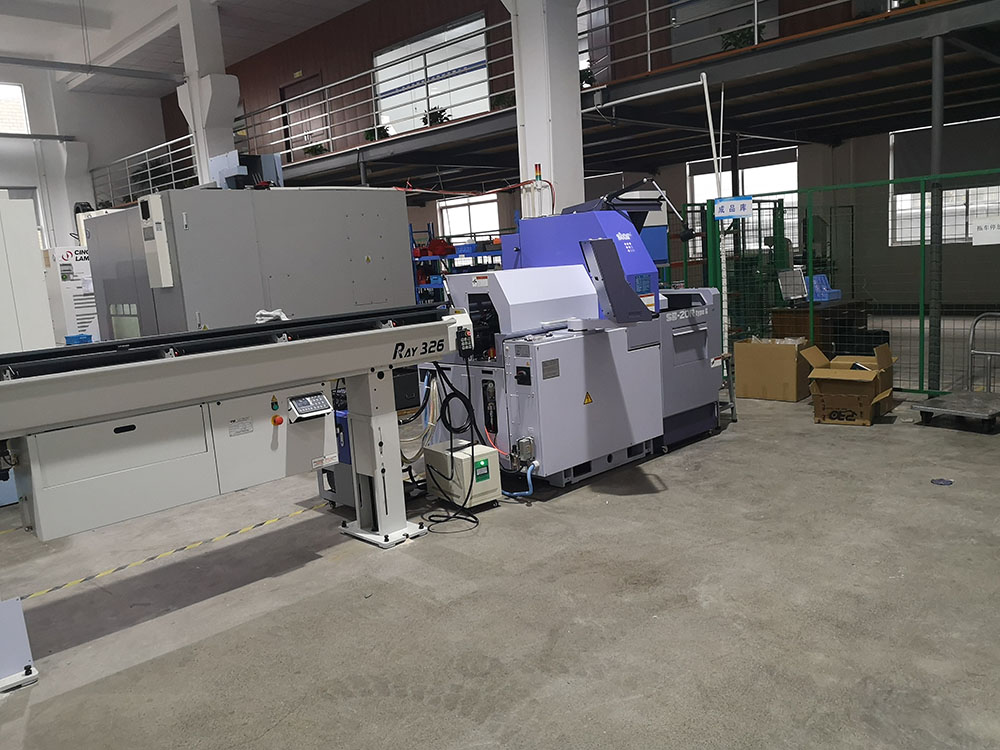
Our facility houses high-precision CNC multi-axis machining centers, Swiss-type longitudinal lathes, and automated surface treatment systems. We specialize in working with implant-grade Titanium alloy (Ti-6Al-4V ELI) according to ASTM F136 standards and Medical Grade Polyetheretherketone (PEEK). Our production covers:
Each batch of raw material undergoes rigorous metallurgical testing, coordinate measuring machine (CMM) dimensional verification, and ultrasonic cleaning in class 10,000 cleanrooms before sterilization packaging.
Sourcing medical devices internationally presents logistical and regulatory challenges. DEON Medical ensures seamless procurement through comprehensive document registration support and localized supply chain strategies. We assist buyers with CE declarations, FDA registrations, Free Sale Certificates (FSC), and Certificate of Origin documents to accelerate customs clearance.
Our logistics network covers major markets including South America, Southeast Asia, East Europe, and Africa. By working alongside established medical freight forwarders, we secure temperature-controlled shipping options that safeguard the physical integrity of precision implants and micro-screws.
We provide medical distributors with detailed instrumentation blueprints, instructional step-by-step videos, and mock-bone training sets. This ensures orthopedic sales representatives and biomedical engineers possess the expertise needed to support surgeons directly in the OR.
The operating theater of the next decade is pivoting toward absolute data integration. Future surgical tables will incorporate AI-driven positional feedback sensors that monitor skin-pressure points in real time, automatically micro-adjusting to prevent pressure necrosis. This technology interfaces with surgical navigation cameras and intraoperative CT scanners (O-arms) to correct human error during implant placement.
In parallel, orthopedic implants are transitioning toward surface modifications that promote accelerated osteointegration. DEON Medical is researching advanced plasma-sprayed hydroxyapatite (HA) coatings and porous titanium lattices fabricated via additive manufacturing (3D printing). These structural enhancements ensure that when a patient is positioned on a modular operating table, the surgeon can rely on implants that offer immediate mechanical stability and optimized biological recovery rates.
 Deon Medical