High-precision orthopedic traumatology devices and clinical instrumentation designed to meet stringent global CE standards.
An analysis of market dynamics, technology evolution, and the integration of imaging with trauma surgery.
The global diagnostic imaging market is experiencing a profound paradigm shift, driven by the rapid evolution of Point-of-Care Ultrasound (POCUS) and intraoperative visualization systems. Ultrasound equipment, once confined to bulky console systems in dedicated radiology departments, has transformed into a highly agile, customizable, and digitally integrated modality. This evolution is vital for modern orthopedic and trauma clinics, where real-time imaging is crucial for placing spinal pedicle screws, checking femoral nail alignments, and confirming fracture reduction.
Currently, the demand for CE-certified ultrasound systems is surging across Europe, North America, and rapidly developing regions in Asia-Pacific. Medical institutions are prioritizing systems that offer multi-frequency transducer arrays, high-density piezoelectric crystals, and advanced software features like raw data processing and AI-driven imaging enhancement. The synergy between high-frequency musculoskeletal (MSK) ultrasound imaging and implantable orthopedic hardware (such as PEEK and titanium stabilization devices) enables orthopedic surgeons to achieve unprecedented surgical accuracy and dramatically improved patient outcomes.
Real-time high-resolution imaging facilitates precise tissue differentiation, reducing intraoperative complications during complex trauma and orthopedic implant placements.
Adhering to strict European Union Medical Device Regulations (MDR 2017/745) ensures safety, biometric compatibility, and electrical safety standards across all clinics.
DICOM 3.0 compatibility and cloud-based image transmission streamline communication between imaging systems and orthopedic surgical planning networks.
China's medical manufacturing clusters, particularly in the Jiangsu and Changzhou medical technology corridors, have developed a highly integrated supply chain ecosystem. This geographical concentration of precision engineering facilities allows manufacturers to streamline production workflows, implement raw material validation protocols, and achieve manufacturing efficiencies that translate into significant cost savings for global B2B procurement managers.
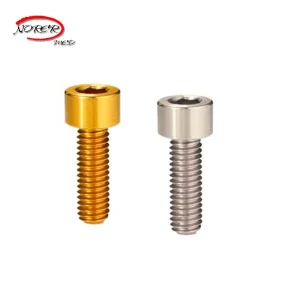
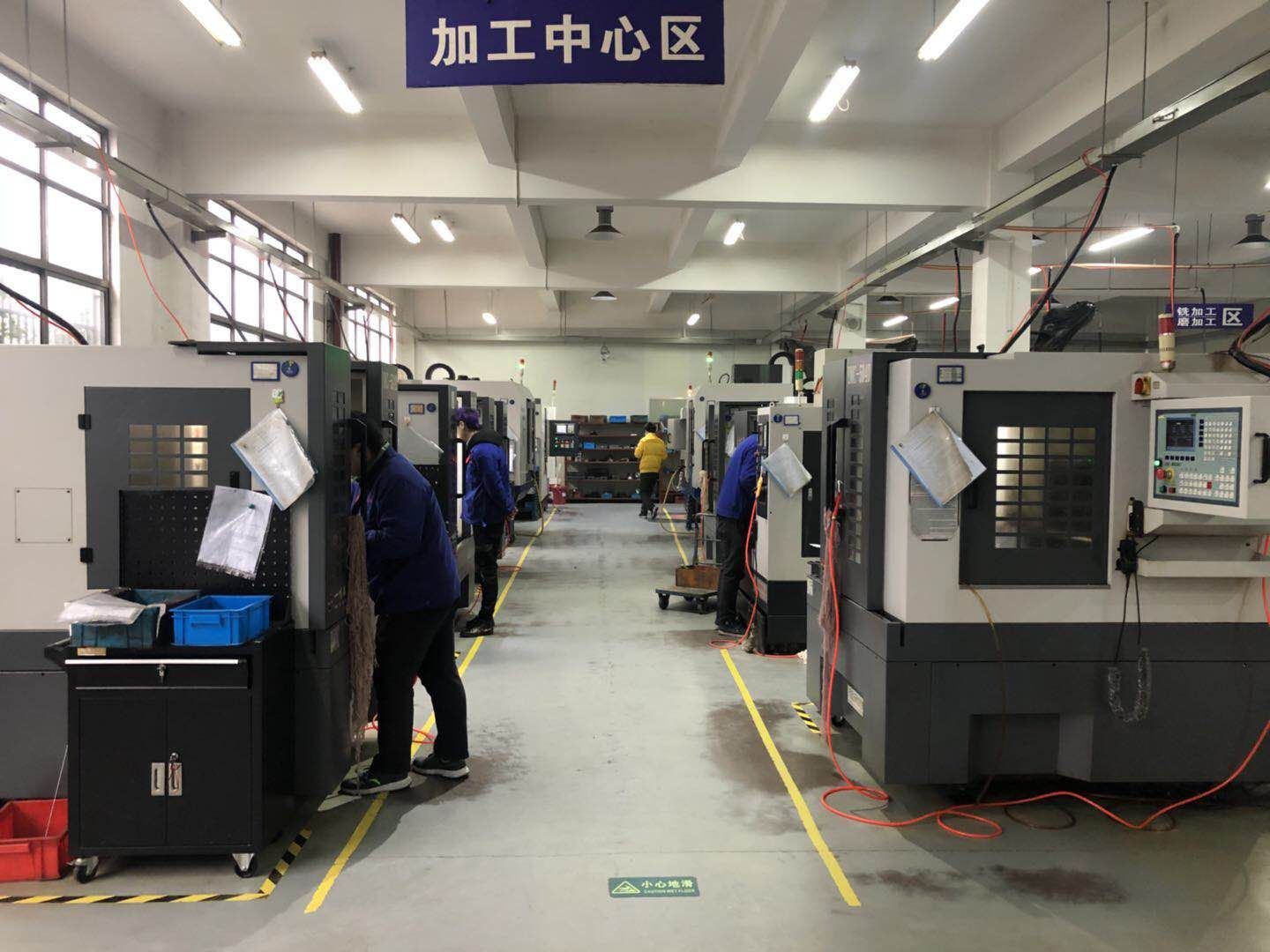
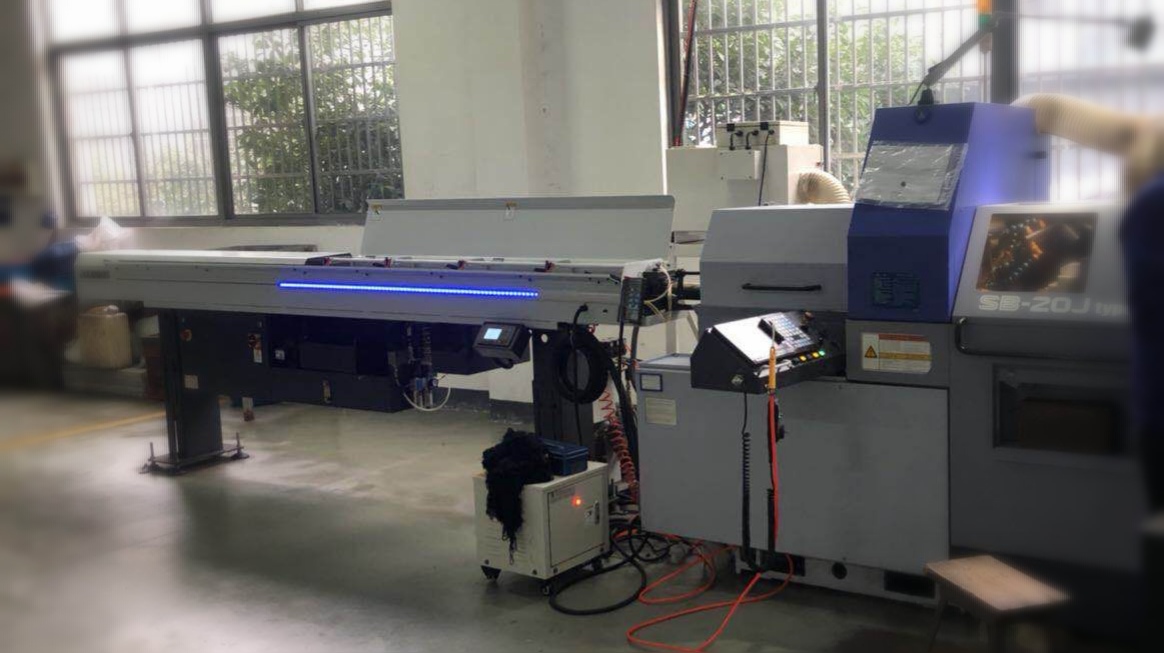
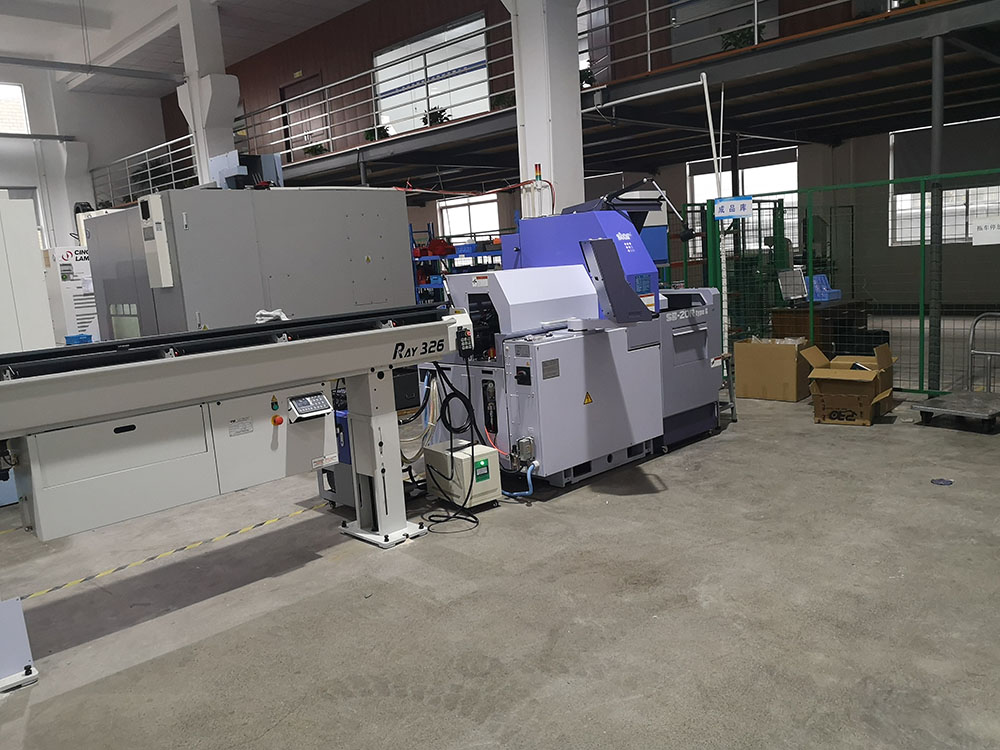
By leveraging advanced Swiss-type CNC machining centers, automated cleanrooms, and computerized testing benches, Chinese factories can maintain tolerances as tight as ±0.005mm for complex titanium implants, while ensuring uniform acoustic impedance in ultrasound transducer matching layers. This manufacturing precision guarantees that every piece of medical equipment—whether a high-frequency linear ultrasound probe or a medical-grade titanium locking screw—performs reliably under intense clinical conditions.
Exploring clinical deployments across human trauma centers, veterinary clinics, and orthopedic surgical theaters.
In modern emergency medicine, ultrasound-guided clinical procedures have become the gold standard. For instance, in critical trauma departments, clinicians utilize intraoperative musculoskeletal ultrasound to guide the dynamic positioning of locking screws and interlocking nails. By visualizing soft tissue borders, vascular structures, and bone fragments in real-time, the surgeon can avoid neurovascular damage, verify optimal implant path trajectories, and minimize the use of ionizing fluoroscopy radiation.
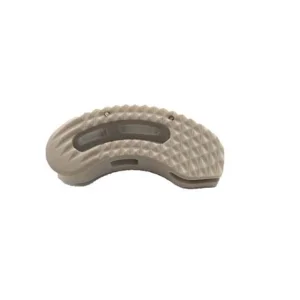
Furthermore, localized clinical applications extend to veterinary orthopedic surgeries, where species-specific anatomy demands highly variable implant geometry and agile imaging modalities. Veterinary clinics utilize portable, high-frequency veterinary ultrasound machines to assess ligament structures, while simultaneously deploying PEEK lumbar TLIF cages or titanium pedicle screw systems to resolve spinal subluxations and disc diseases in working dogs and equine patients. The adaptability of these technologies ensures robust clinical utility across human and veterinary medicine alike.
Immediate Point-of-Care assessment of fractures, intraoperative monitoring of femoral interlocking nail alignment, and real-time visualization of bone plate configuration.
Ultrasound-guided placement of cervical and lumbar cages, ensuring precise localization and avoiding spinal cord compression during pedicle screw insertion.
Dynamic diagnosis of tendon pathologies in companion animals, paired with robust titanium implant systems designed for small animal orthopedic reconstruction.
A decade of engineering excellence in surgical trauma plates, bone screws, and high-performance clinical hardware.
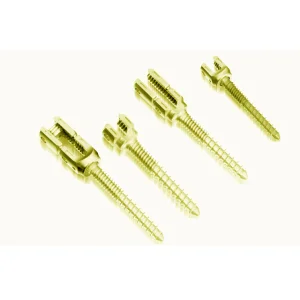
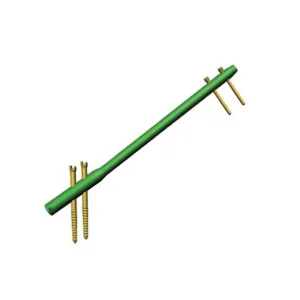
Located in the industrial cluster of Changzhou city, Jiangsu, China, DEON Medical is a premier manufacturer of Orthopedic Trauma bone plates, bone screws, orthopedic interlocking nails, spinal pedicle screws, Cervical Plates, and PEEK cervical & lumbar cages. Our commitment to utilizing state-of-the-art materials and strict quality management systems makes us a trusted supply partner for medical institutions worldwide.
| Company Name | DEON Medical (Changzhou) Co., Ltd. |
| Business Type | Trading Company & Precision Manufacturer |
| Country / Region | Jiangsu, China |
| Total Employees | 11 - 50 People |
| Company Join Year | 10 Years of Industry Expertise |
Analyzing future trends including AI-assisted diagnostic guidance, smart orthopedic materials, and minimal-invasive access.
As the healthcare sector shifts toward value-based patient outcomes, the integration of diagnostics and surgical therapeutics has accelerated. The future belongs to integrated ecosystems where CE-certified ultrasound systems communicate directly with computer-assisted navigation setups and robotic arms in the operating theater. This capability enables real-time volumetric updates of the surgical field without needing repetitive, radiation-heavy CT scans during spinal spinal-pedicle fixation or complex long-bone reconstructive surgeries.
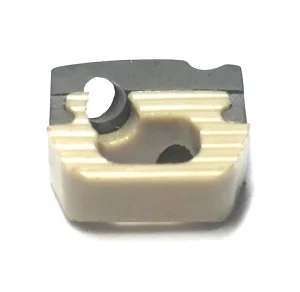
On the material science front, the adoption of biocompatible PEEK (Polyetheretherketone) is transforming spinal cage technology. PEEK's elastic modulus closely mimics human cortical bone, which mitigates stress-shielding effects. Because PEEK is radiolucent, it does not produce the imaging artifacts that titanium does. This property allows postoperative ultrasound and MRI scanners to clearly assess bone fusion progression and interface health, representing a significant technological leap over traditional metals.
Before executing international supply contracts, procurement officers should evaluate the following key parameters:
Advanced medical manufacturing must conform to global standards of environmental safety and biological compatibility:
Technical and regulatory answers regarding CE certified ultrasound equipment and orthopedic implants.
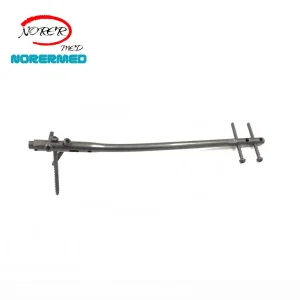
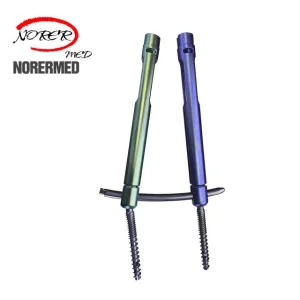
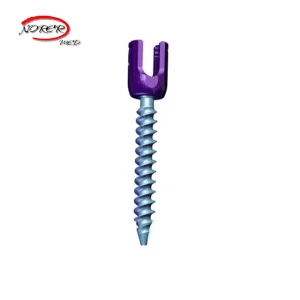
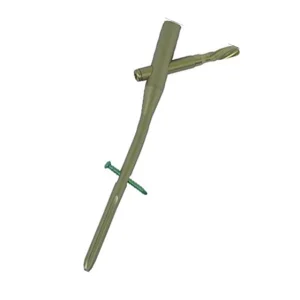
Browse our selection of CE-certified implants and surgical screws engineered for stability and bio-harmony.
 Deon Medical