Explore our specialized range of high-precision titanium screws, interlocking nails, and spinal fixation devices built to global medical standards.
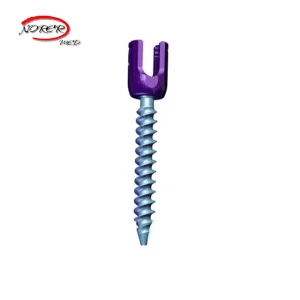
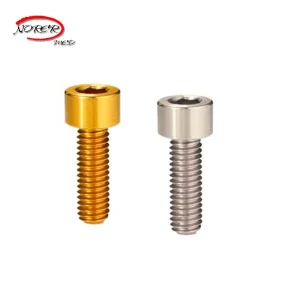
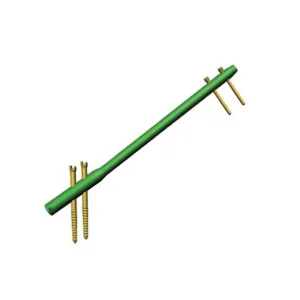
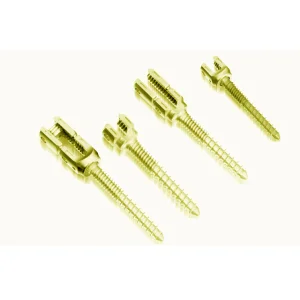
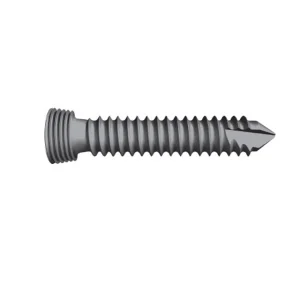
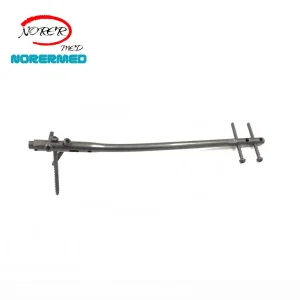
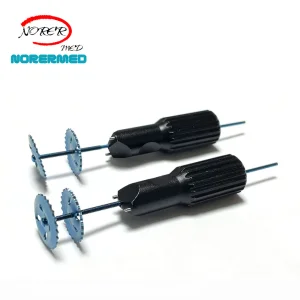
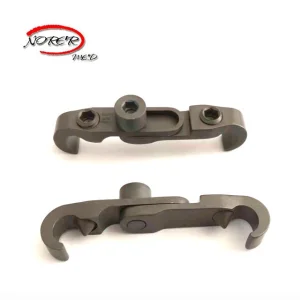
The global market for craniofacial implants is witnessing an unprecedented transition from standard off-the-shelf reconstructive elements to Patient-Specific Implants (PSIs). Reconstructive surgeons are increasingly demanding products that offer superb anatomical fit, rapid osseointegration, and minimal post-operative complications.
As trauma cases, congenital deformities, and oncological resections rise worldwide, developers must adhere to strict biocompatibility profiles. Material sciences have expanded beyond standard medical titanium to include advanced PEEK (Polyetheretherketone) constructs, which mimic the native cortical bone elastic modulus and offer artifact-free postoperative imaging.
By leveraging advanced Swiss-type CNC micro-machining and state-of-the-art additive manufacturing (SLM 3D printing), top Chinese manufacturers are positioned to supply globally compliant implants at highly optimized cost structures.
Choosing the right biomaterial is essential for long-term implant survival. Below is a comprehensive engineering comparison for orthopedic and maxillofacial applications.
| Evaluation Parameter | Medical-Grade Titanium (Gr. 5 / Ti-6Al-4V ELI) | PEEK-OPTIMA (Polyetheretherketone) |
|---|---|---|
| Elastic Modulus | ~110 GPa (Higher than cortical bone; potential stress shielding) | ~3.6 GPa (Comparable to cortical bone; minimizes stress shielding) |
| Biocompatibility & Osseointegration | Excellent native osseointegration; optimized with surface textures | Chemically inert; requires surface modification for cellular adhesion |
| Radiographic Characteristics | Radiopaque; produces significant artifacts in CT/MRI scans | Radiolucent; permits clear radiographic assessment of bone healing |
| Manufacturing Flexibility | High accuracy via CNC subtractive machining & SLM 3D printing | Excellent for complex geometries via custom injection molding/CNC |
| Typical Clinical Use | Cranial locks, bone plates, trauma screws, spinal pedicle screws | Cervical and lumbar fusion cages, patient-specific skull plates |
Every titanium implant manufactured in China must undergo stringent chemical passivation (typically ASTM F86 compliant) and anodization. This creates an inert titanium oxide layer, which prevents ion release, ensures bio-compatibility, and reduces foreign body reactions when anchored into host bone structures.
Located in the heart of China's primary orthopedic manufacturing cluster—Changzhou City, Jiangsu Province—DEON Medical (Changzhou) Co., Ltd. has established itself as an authoritative leader in orthopedic trauma and spinal fixation systems.
Operating as a dynamic trading and manufacturing integrated enterprise, DEON Medical specializes in trauma bone plates, specialized bone screws, spinal pedicle screws, interlocking nails, and premium PEEK interbody fusion cages. With a robust team of medical device professionals, DEON Medical leverages localized metallurgical supply chains to export ISO-certified hardware to global distributors, clinical buyers, and veterinary hospitals.
How the Changzhou cluster leverages unparalleled technical integration to deliver reliable medical components globally.
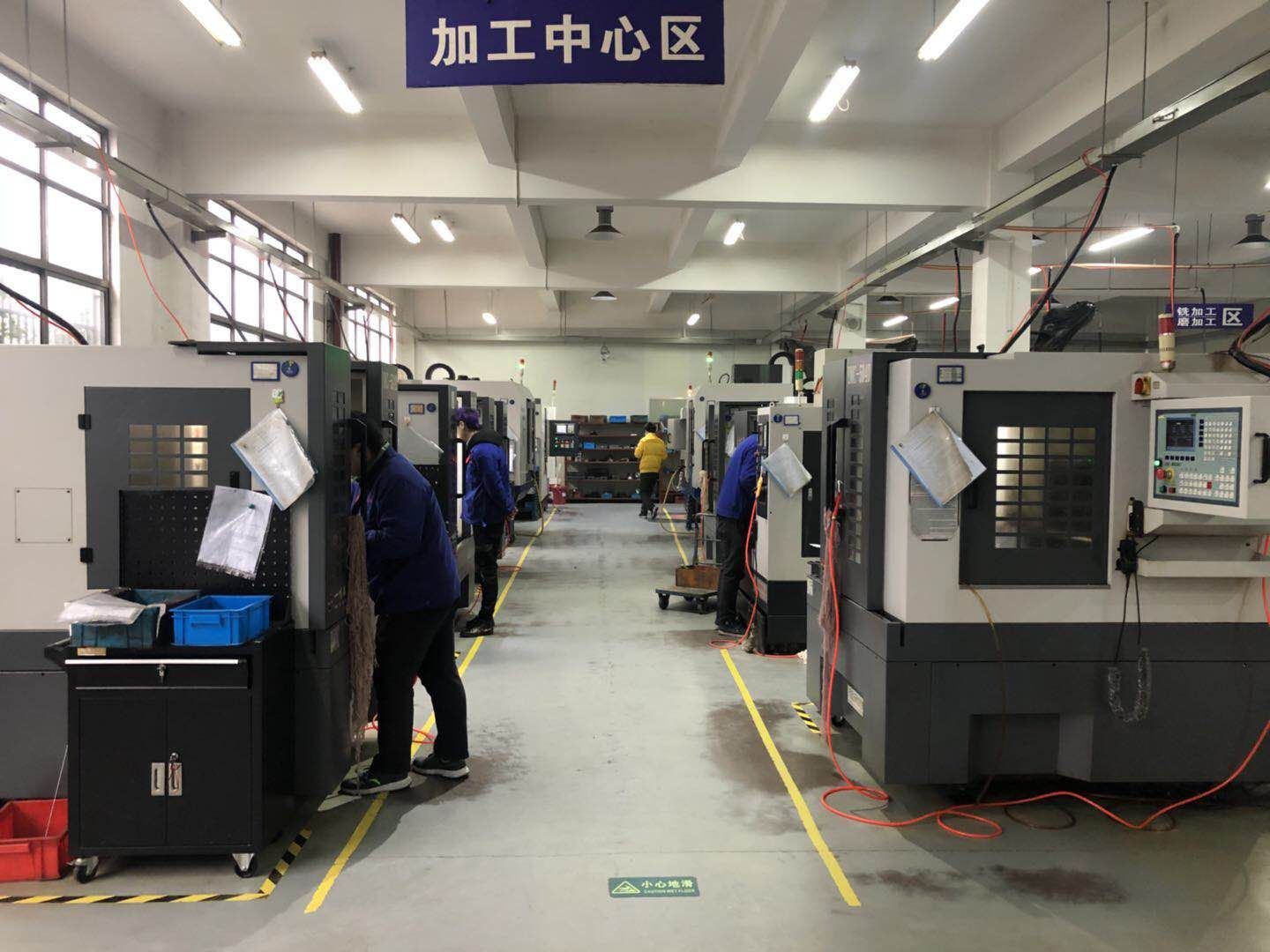
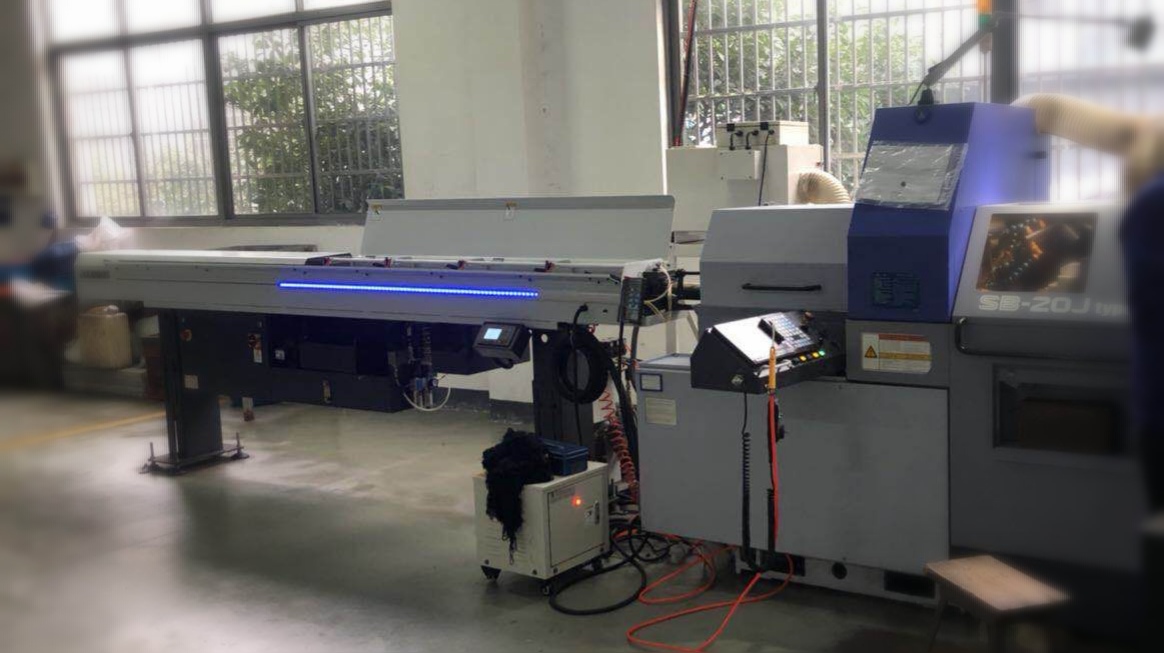
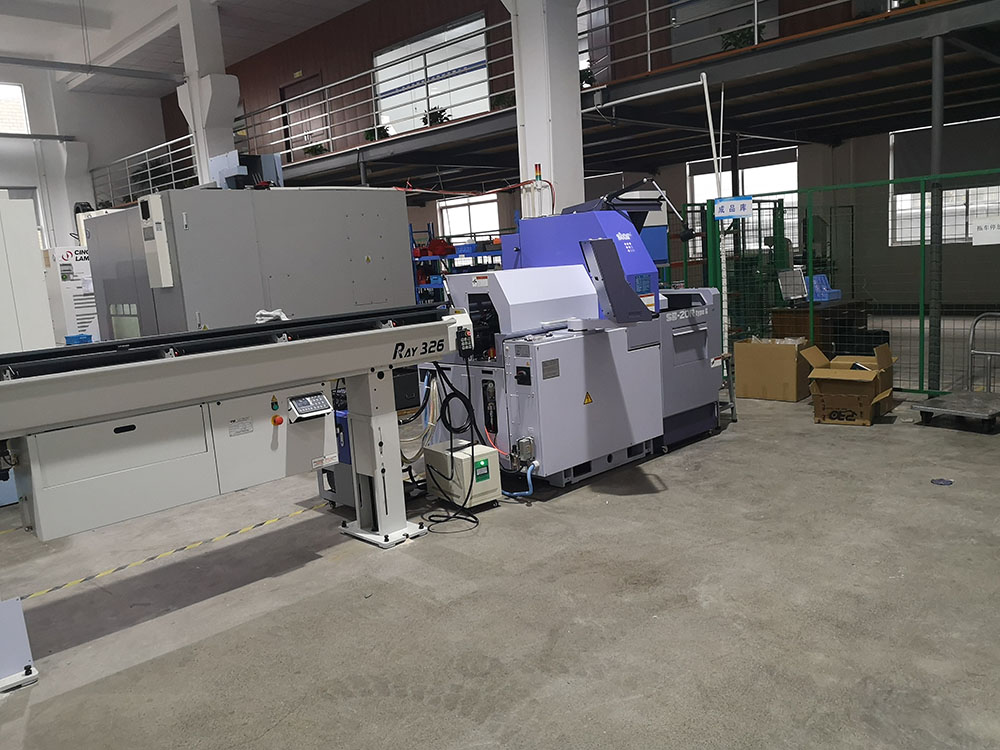
Micro-implants, such as titanium cranial locks and multi-directional bone screws, require tolerances as tight as ±0.005mm. Utilizing Japanese and Swiss-made CNC turn-mill centers, Chinese factories guarantee precise thread geometry and slot concentricity.
Raw titanium rods (ASTM F136 ELI grade) are sourced directly from domestic titanium pioneers like Baoji (China's Titanium Valley), significantly reducing processing lead times and logistics costs while ensuring certified chemical composition.
From ultra-sonic cleaning to final packaging, implants are handled in strictly controlled ISO Class 7 (Class 100,000) cleanrooms. This prevents particulate contamination and controls bio-burden levels before sterilization.
Understanding the critical clinical differences when configuring systems for human versus veterinary surgeries.
In human maxillofacial surgeries, aesthetics, osseointegration, and rapid recovery are paramount. Implants like the Titanium Cranial Lock for Skull Implant Surgery must secure bone flaps post-craniotomy securely, ensuring no micro-movement. Biocompatibility must be complete to prevent revision surgeries, and plates must maintain low profiles to prevent tissue erosion or palpability under the scalp.
Our titanium lock systems and reconstruction meshes are designed to conform dynamically to the delicate contours of the human skull, protecting the underlying brain tissue with structural integrity.
Veterinary orthopedics involves unique mechanical demands. Dogs, cats, and exotic animals display vastly different loading forces, activity levels, and bone mineral densities compared to humans. Implants like the Veterinary Orthopedic ACIF PEEK Locking Infusion Cage or the Monoaxial Pedicle Screw must withstand high shear stresses without structural failure.
Additionally, because animals cannot verbalize post-operative pain or follow restricted movement instructions, veterinary implants require robust mechanical locks, such as locking screw mechanisms, to prevent backing out and ensure rapid skeletal stabilization.
Addressing the top technical and logistical inquiries of international medical procurement managers.
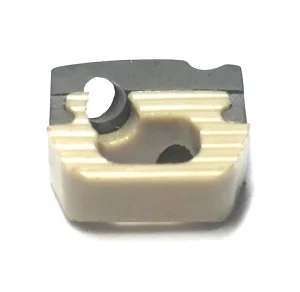
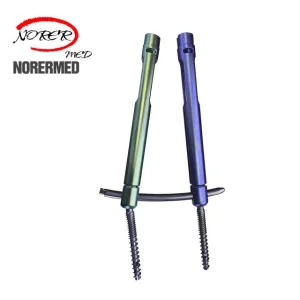
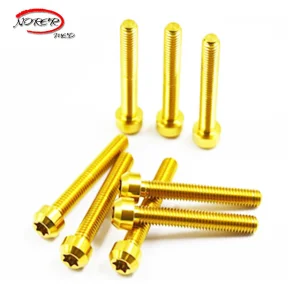
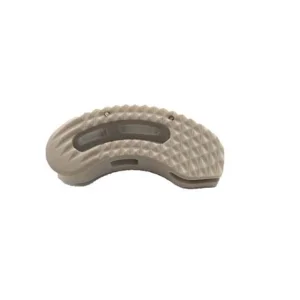
Precision-milled trauma screws, cranial locks, and spinal fixation rods engineered for anatomical reconstruction.
 Deon Medical