Explore our high-performance implantable clinical hardware, engineered using biocompatible titanium and medical PEEK materials.
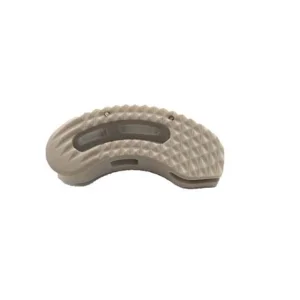
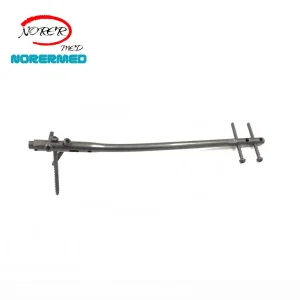
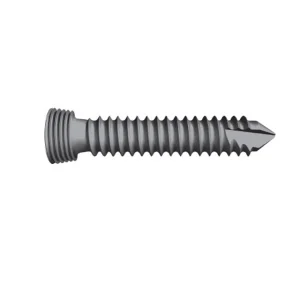
The global clinical implantable hardware industry is transitioning toward customized, high-biocompatibility materials designed to accelerate osteointegration and mitigate mechanical mismatches between bone structures and metal fasteners. Medical-grade titanium alloy (such as Ti6Al4V ELI) and PEEK (Polyetheretherketone) represent the state-of-the-art for orthopedic and spinal reconstructive procedures. When orthopedic surgeons, hospital purchase groups, and veterinary clinics source these precision assemblies, navigating the landscape of Chinese manufacturing clusters becomes critical to maintaining high clinical efficacy while managing operational budgets.
Chinese manufacturers have established highly specialized, integrated medical industrial zones, particularly in Jiangsu and Zhejiang provinces. By housing precision metallurgy, Swiss CNC machining, chemical surface modification, and Class 100,000 cleanrooms in close proximity, suppliers ensure strict regulatory adherence to international medical device standards (ISO 13485). Selecting a qualified factory requires balancing technical compliance, raw material traceability, and commercial execution capacity.
DEON Medical (Changzhou) Co., Ltd. operates from the heart of Changzhou, Jiangsu province—a globally recognized epicentre for orthopedic implant innovation and production in China. The company's strategic location facilitates direct integration with high-end steel/titanium suppliers, specialized heat treatment facilities, and advanced sterilization service providers. For global distributors, this proximity results in rapid production turnarounds, robust supply chains, and highly competitive shipping lead times.
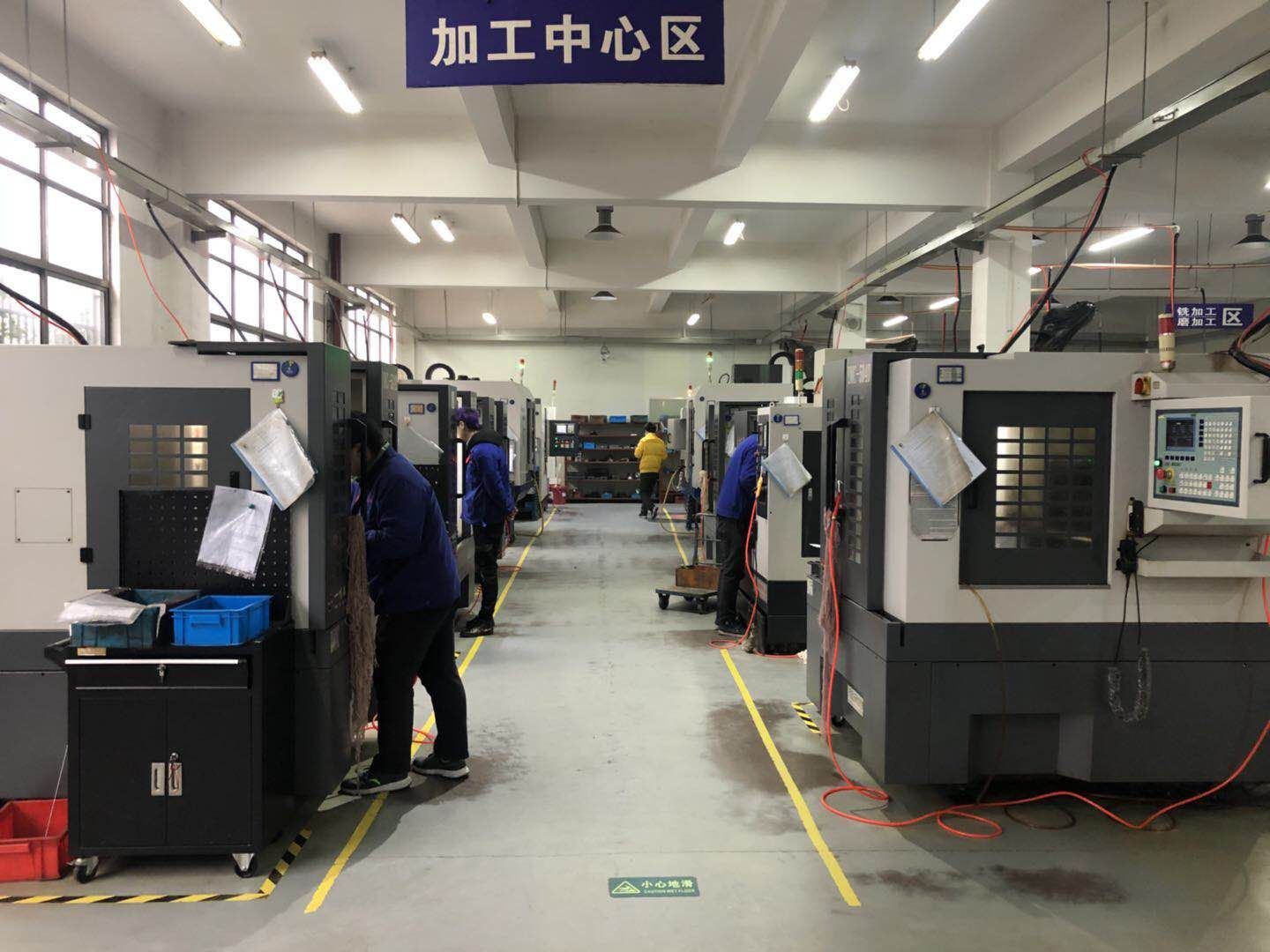
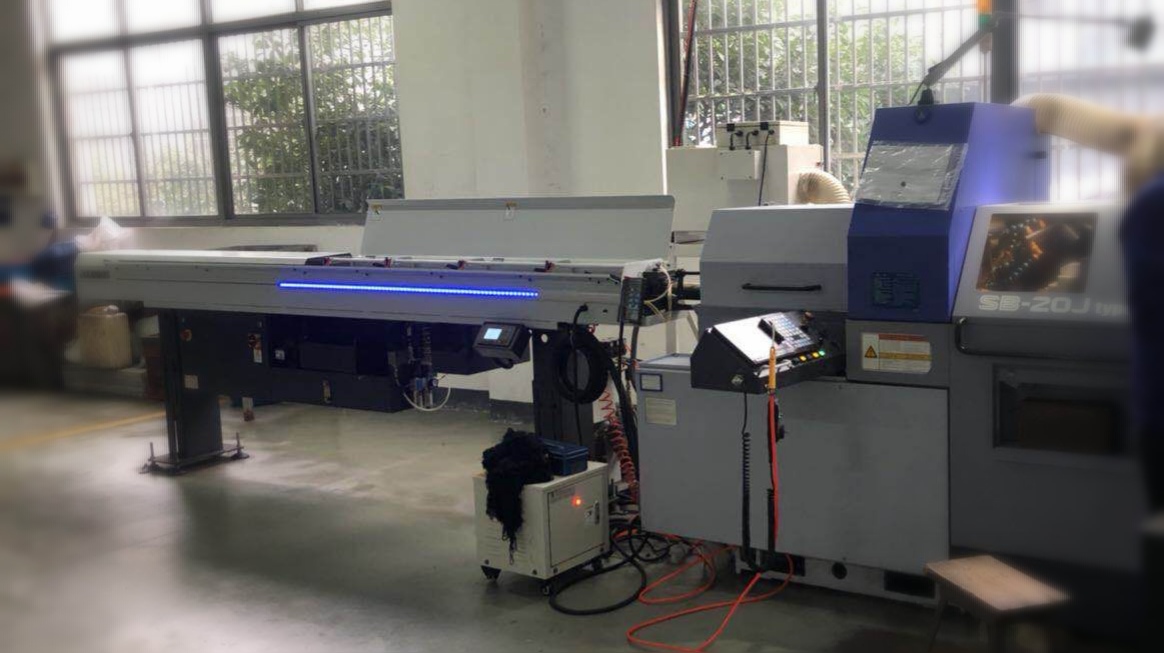
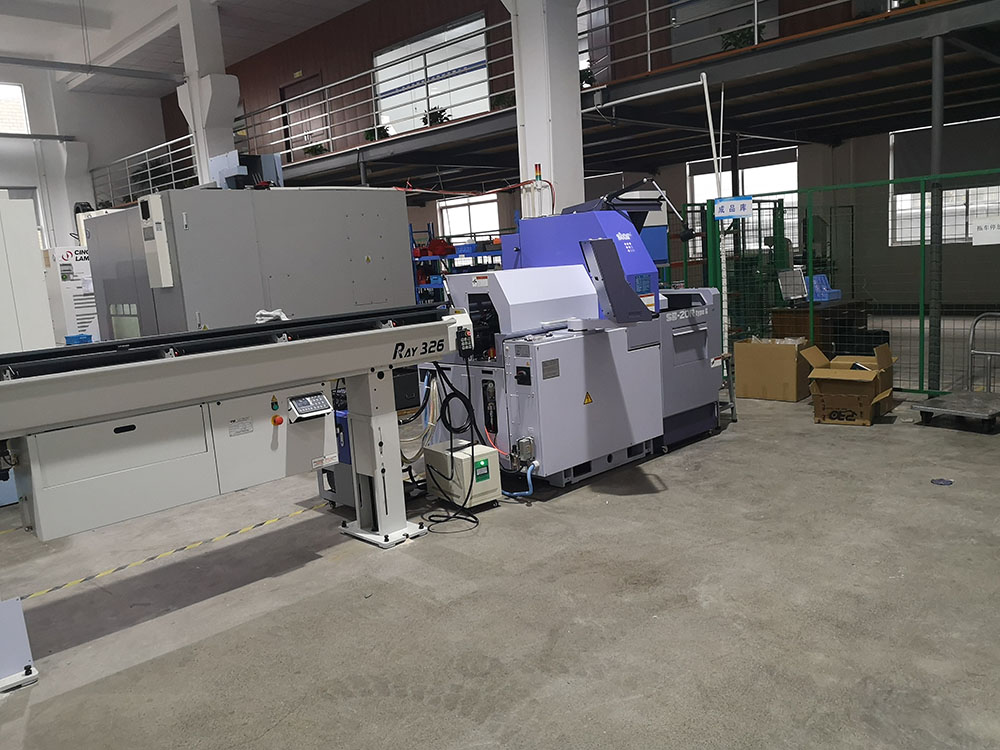
Delivering consistent quality, documented raw materials, and precision tolerance processing for human and veterinary applications.
A comparative biomechanical analysis of raw materials and spatial configurations in orthopedic implants.
Selecting the ideal material profile for clinical hardware directly affects patient outcomes, revision rates, and imaging clarity. Standard surgical implants fall into two primary material groups: high-purity titanium alloys and advanced polyetheretherketone (PEEK) polymers. Below is a structural property comparison outlining their typical usage in clinical settings.
| Physical Property / Characteristic | Medical Grade Titanium (ASTM F136 / Ti6Al4V ELI) | Medical Grade PEEK (e.g., PEEK-OPTIMA) | Human Cortical Bone Reference |
|---|---|---|---|
| Elastic Modulus (GPa) | 110 - 114 GPa | 3.5 - 4.0 GPa | 12 - 20 GPa |
| Ultimate Tensile Strength (MPa) | ≥ 860 MPa | 90 - 100 MPa | 100 - 150 MPa |
| Radiolucency (X-Ray & MRI) | Radio-opaque (creates artifacts/shadowing) | Highly Radiolucent (X-ray transparent) | Semi-opaque |
| Primary Clinical Application | Trauma plates, locking screws, interlocking nails | Lumbar cages, ACIF cages, interbody spacers | Natural Skeletal System |
| Biocompatibility Profile | Passive TiO2 oxide film ensures bio-inertness | Chemically inert, low local tissue reaction | Living Tissue Matrix |
As shown above, PEEK exhibits an elastic modulus that closely matches human cortical bone. This property is crucial for interbody spinal fusion (TLIF and ACIF cages). Under load, a PEEK implant allows natural axial compression, which stimulates osteosynthesis and bone healing according to Wolff's Law. In contrast, titanium implants can cause "stress shielding," wherein the rigid metal absorbs the physical stress, potentially leading to bone resorption and implant subsidence.
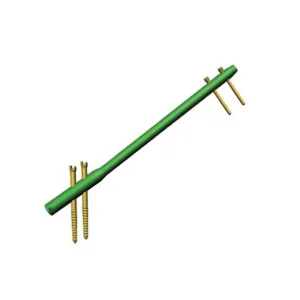
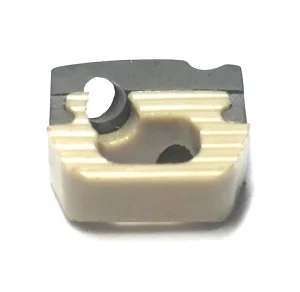
However, titanium remains the material of choice for high-load, dynamic applications such as interlocking nails (expert tibial and PFNA systems) and locking screws. Titanium's high tensile strength protects bone fragments during immediate post-operative load-bearing stages. Modern orthopedic implants balance these material characteristics by combining PEEK cages with titanium locking screws to secure the implant without compromising bone graft growth.
How DEON Medical ensures every bone screw, interlocking nail, and PEEK cage meets rigid quality benchmarks.
We process surgical-grade titanium bars using multi-axis CNC machines to achieve tolerances as tight as ±0.01 mm. This precision is essential for ensuring that locking screw threads pair seamlessly with anatomical plate holes.
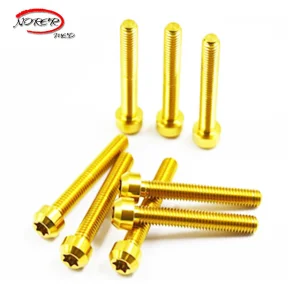
Titanium implants undergo controlled electrochemical anodization. This process enhances corrosion resistance, improves biocompatibility, and applies color codes to designate specific screw diameters for quick surgical identification.
To prevent contamination before clinical sterilization, our implants are inspected, cleaned, and packaged within certified cleanroom environments. This process keeps bioburden levels well below regulatory thresholds.
Raw Material Traceability
Machining Tolerance
Years Global Export
Certified Quality Hub
Understanding the diverging regulatory standards, biomechanical loads, and sizing profiles in global medical practice.
For human patients, surgical interventions must comply with stringent regulatory frameworks like the European Union Medical Device Regulation (MDR 2017/745) or the US FDA 510(k) pathway. Technical requirements focus on fatigue testing, wear analysis of moving parts, and post-market surveillance.
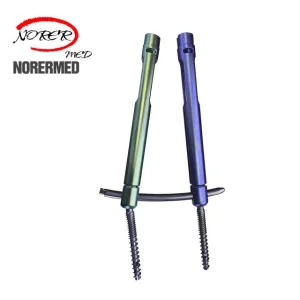
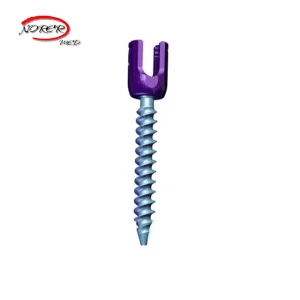
Products like the Titanium Spine Uniplanar Pedicle Poly Screw allow multi-axial adjustment, giving surgeons the flexibility to correct complex deformities, such as scoliosis, before locking the rods into position. Similarly, the GAMA Femoral Interlocking Nail is engineered to withstand high shear forces, facilitating early mobility in elderly patients recovering from hip and femur fractures.
Veterinary orthopedics has evolved from using repurposed human implants to adopting dedicated veterinary systems. Canine and feline skeletal structures differ significantly from human anatomy in terms of bone density, angulation, and loading patterns. Four-legged gait distributions place unique stress profiles on implants, requiring materials that can handle multi-directional shear and bending forces.
We manufacture specialized products like the Veterinary Orthopedic PEEK Lumbar TLIF Cage and Monoaxial Pedicle Screws to fit the smaller, varied spinal dimensions of canine patients. These implants allow veterinary neurosurgeons to treat disc disease and spinal trauma with the same level of care as human medicine. Additionally, we provide cost-effective sourcing channels for veterinary distributors, bypassing the expensive regulatory processes required for human-grade implants while maintaining identical manufacturing tolerances and material specifications.
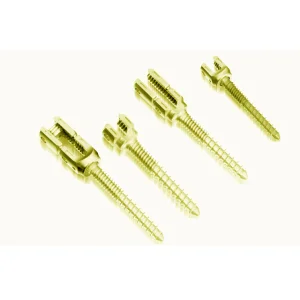
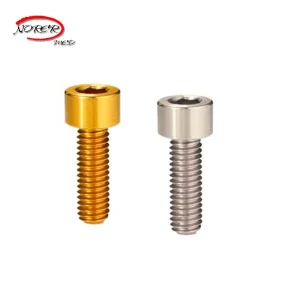
Browse our selection of specialized implants, including spinal fixation components, bone fasteners, and internal stabilization hardware.
A look at the upcoming developments in biomaterials, surface coatings, and customized implant solutions.
Traditional solid titanium implants have limitations in long-term bone growth. To address this, the industry is moving toward additive manufacturing (3D printing) using Selective Laser Melting (SLM). This technology allows factories to construct implants with structured, interconnected micro-porous architectures. These pores mimic the structure of natural trabecular bone, encouraging blood vessel formation and rapid bone growth directly into the implant.
Future implant designs will rely heavily on advanced surface modifications. Coating titanium screws and plates with Hydroxyapatite (HA) or thin-film polymer matrices enables the local release of osteoinductive proteins and antimicrobial peptides. This bio-active layer helps prevent bacterial colonization (implant-associated infections) while accelerating osteogenesis, reducing the typical patient recovery window by up to 30%.
While unfilled PEEK is ideal for spinal spacers, high-load trauma configurations require improved tensile strength. Reinforcing PEEK with carbon fibers yields a composite material with a fatigue strength that matches or exceeds titanium, all while maintaining complete radiolucency. This allows oncology surgeons to monitor tumor sites post-operatively without X-ray artifacts, and provides an option for patients with metal hypersensitivity.
Crucial commercial and technical questions addressed by our engineering and logistics teams.
 Deon Medical