China Wholesale Neurovascular Devices Manufacturers & Exporters

Premium Implantable Systems & High-Precision Mechanical Medical Solutions for Global Healthcare Platforms

China's Manufacturing Supremacy in Neurovascular & Advanced Orthopedic Devices

An Analytical Whitepaper on High-Precision Biocompatible Alloys and Polymer Engineering

The international medical device supply chain is undergoing a structural transition. Emerging clinical requirements in neurovascular intervention, neuro-trauma, and micro-orthopedic revision surgeries demand manufacturing accuracies measured in microns. China has successfully established a concentrated, highly automated cluster of medical manufacturing facilities—particularly in regions like Jiangsu—capable of delivering high-performance, regulatory-compliant medical implants. These range from titanium cranial fixation systems and spinal stabilization mechanisms to PEEK interbody fusion cages designed for both human and veterinary applications.

Biomaterial Superiority

Utilizing high-grade titanium alloys (Grade 5, Ti-6Al-4V ELI conforming to ASTM F136 standards) and medical-grade PEEK (Polyetheretherketone). These materials offer excellent biocompatibility, optimal modulus of elasticity matching cortical bone, and high fatigue resistance needed for lifelong implantation.

Precision Swiss CNC Machining

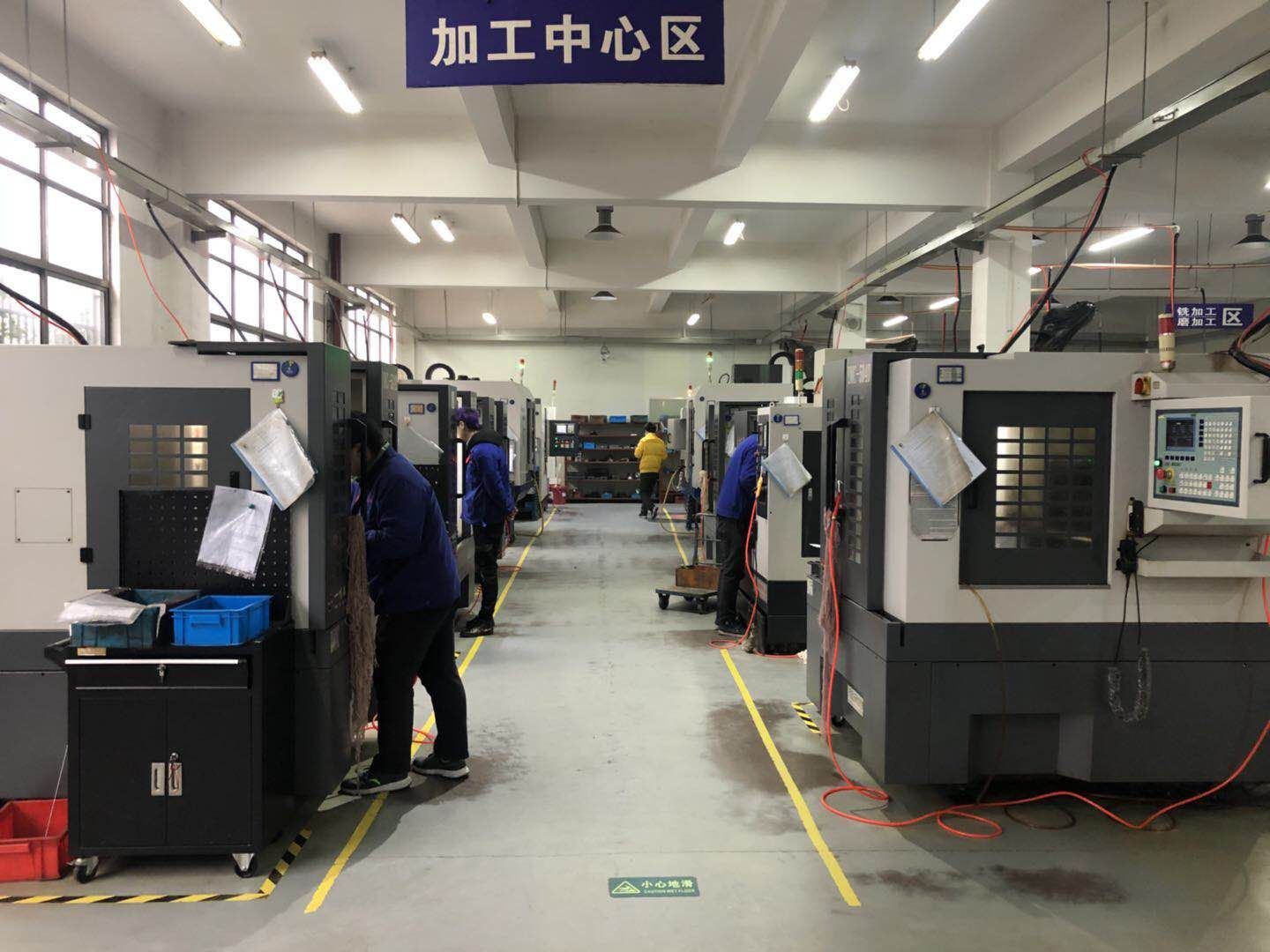
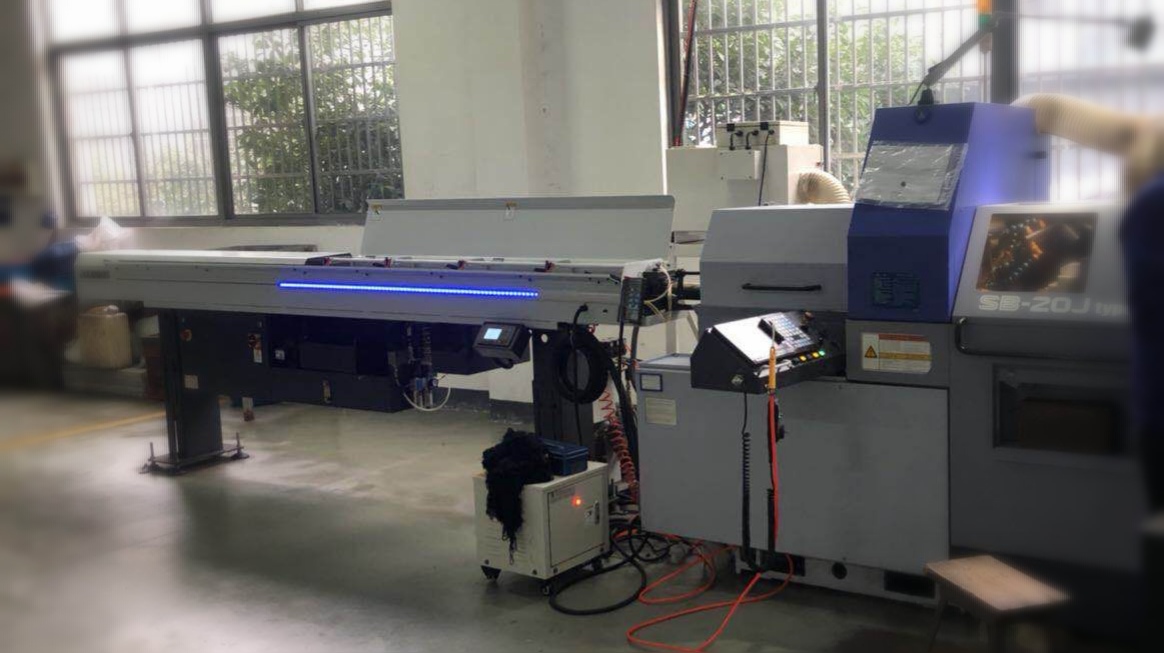
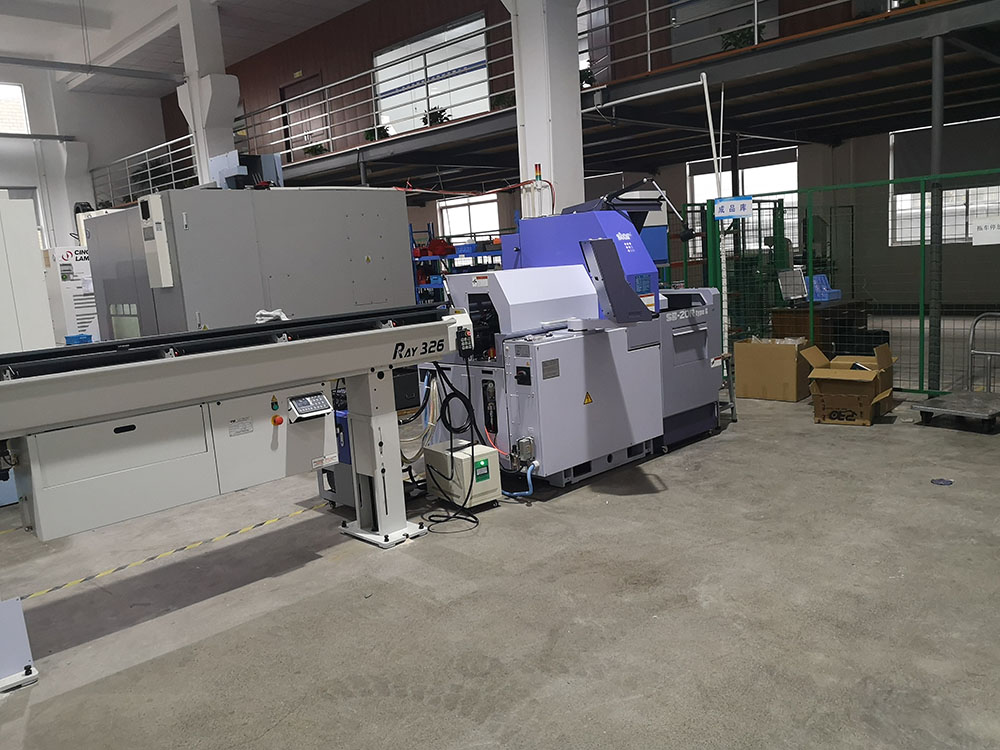
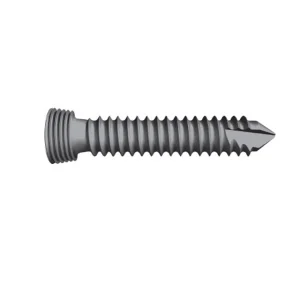
Implementation of multi-axis sliding headstock Swiss lathes allows for sub-micron geometric tolerances. Thread configurations on locking bone screws, multi-axial pedicle screws, and cranial locks are machined under strict thermal controls to eliminate structural micro-fractures.

Cleanroom Integration

Advanced manufacturers utilize ISO Class 7 (Class 10,000) and Class 8 cleanrooms for final ultrasonic cleaning, validation, and primary packaging. This control reduces bioburden and pyrogen presence prior to sterilization cycles, guaranteeing clinical safety.

Advanced Clinical Solutions & Application Scenarios

Empowering Neurosurgeons, Orthopedic Trauma Specialists, and Veterinary Surgeons Worldwide

Advanced titanium and PEEK implants are crucial across multiple clinical fields. From repairing cranial defects to securing long-bone fractures, our products provide key mechanical stability to help restore patient mobility.
Clinical Scenario Primary Device Used Material Configuration Key Engineering Feature
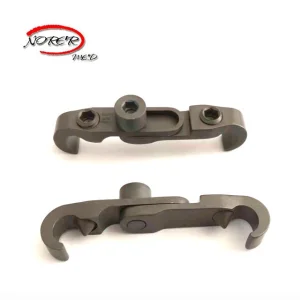
Cranial Skull Reconstruction Titanium Cranial Skull Lock Medical Grade Titanium (ASTM F136) Low-profile design, rapid clamp mechanism, prevents rotational displacement.
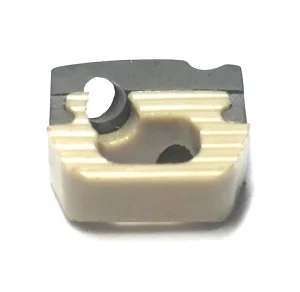
Cervical / Lumbar Arthrodesis PEEK Lumbar TLIF / Cervical ACIF Cage Biocompatible PEEK Optima + Titanium Pins Modulus matching bone, radiolucent, central windows for bone graft packing.
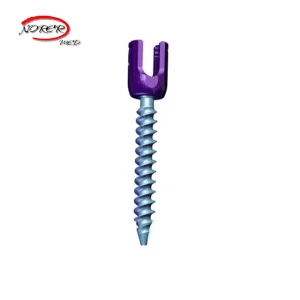
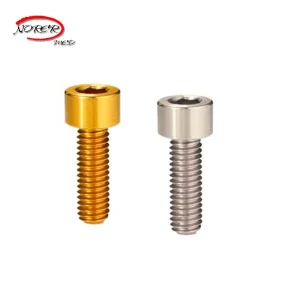
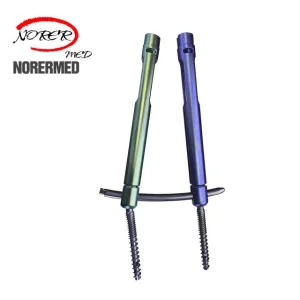
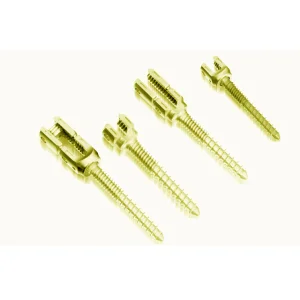
Spinal Fixation (Pedicle System) Uniplanar & Monoaxial Pedicle Screws Ti-6Al-4V ELI (Alloyed Titanium) Dual-thread pitch, polyaxial head articulation, high pull-out strength.
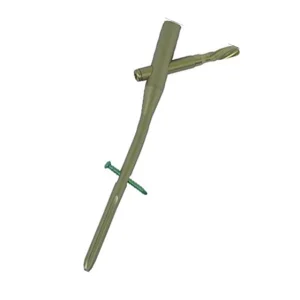
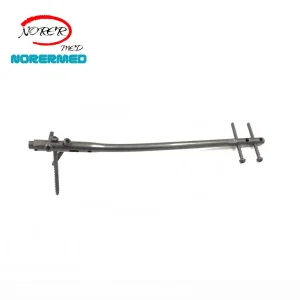
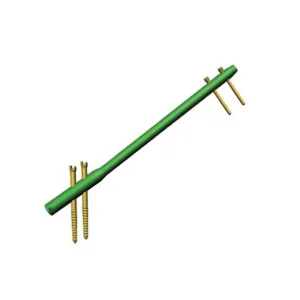
Diaphyseal Fracture Stabilization Femoral / Tibial Interlocking Nails Cold-Worked Titanium Alloy Anatomical curvature pre-bends, proximal/distal locking screw pathways.
For veterinary orthopedics, these human-grade implants are adapted for companion and working animals. The structural stability of PEEK spinal cages and titanium bone plates is vital for managing joint degeneration and traumatic fractures in high-activity animals.

Industrial Production Capacity & Quality Metrics

A look at the manufacturing and testing capabilities supporting our global export networks.

10+
Years Industry Export History
0.02μm
Precision Finishing Tolerances
100%
Material Batch Traceability
13485
ISO Medical QMS Certified

Global Sourcing Strategy: Overcoming Procurement Challenges

Key checkpoints for international sourcing teams to verify safety and regulatory compliance.

Sourcing implantable devices internationally requires thorough verification of manufacturing quality. Procurement teams must look beyond raw prices and verify the complete testing history of the product. The key factors to evaluate include:
  • Raw Material Authentication: Ensure suppliers provide chemical analysis sheets and mechanical test reports for every batch of Titanium or PEEK, linked back to the original smelter.
  • Biocompatibility Profile (ISO 10993): Verify that implant materials have undergone cytotoxicity, sensitization, irritation, systemic toxicity, and genotoxicity validation.
  • Dimensional Verification: Request coordinate measuring machine (CMM) reports validating thread depths, screw pitches, and locking mechanisms.
  • Supply Chain Transparency: Partner with established factories in manufacturing clusters (such as Changzhou, Jiangsu) that provide clear timelines for raw material sourcing, CNC machining, surface anodizing, cleaning, and packaging.

Corporate Profile: DEON Medical (Changzhou) Co., Ltd.

Your Trusted Partner in Precision Orthopedic and Trauma Implant Systems

Manufacturing Base

Located in Changzhou, Jiangsu, China, DEON Medical operates at the heart of one of the world's most advanced medical precision manufacturing corridors.

Company Name
DEON Medical (Changzhou) Co., Ltd.
Core Manufacturing Range
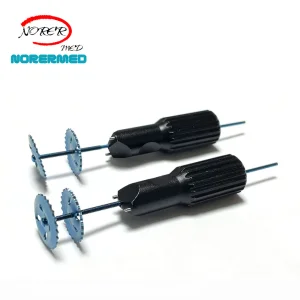
Orthopedic Trauma bone plate, bone screw, orthopedic interlocking nail, orthopedic spine pedicle screw, Cervical Plate, PEEK cervical & lumbar cage, and related orthopedic instrumentation systems.
Human & Veterinary Capability
Providing both human-use therapeutic solutions and robust, clinically validated veterinary orthopedic devices for domestic and international animal health markets.
Export Experience
An established trading and export footprint spanning over 10 years, serving medical distributors, hospital groups, and OEM clients across Europe, South America, Asia, and Africa.
Workforce & Scalability
11 - 50 highly trained technicians, QA inspectors, and international trade professionals utilizing state-of-the-art production machinery.

Frequently Asked Questions (FAQ)

Technical and logistical insights for B2B procurement officers and biomedical engineers.

1. What material grades are used in the production of DEON Orthopedic implants?
Our orthopedic implants are manufactured from medical-grade Titanium Alloy (typically Ti-6Al-4V ELI conforming to ASTM F136/ISO 5832-3 standards) and pure implantable PEEK (Polyetheretherketone) sourced from certified medical-grade raw material suppliers. These materials are chosen for their bio-inert properties, extreme corrosion resistance, and high structural fatigue strength.
2. How do PEEK spinal cages compare to traditional titanium cages?
PEEK (Polyetheretherketone) cages match the elasticity modulus of human cortical bone much closer than titanium, significantly reducing the risk of stress shielding and cage subsidence. Additionally, PEEK is radiolucent, allowing surgeons to clearly monitor bone fusion progress under X-ray or CT scans, whereas titanium cages can create image artifacts.
3. Are these orthopedic bone plates and screws suitable for both human and veterinary applications?
Yes, our implants are designed to meet clinical biomechanical requirements. We supply both human-use orthopedic devices and a specialized veterinary line that uses the same high-grade titanium and PEEK materials. This ensures companion and working animals receive the same standard of care as human patients.
4. What quality control procedures are implemented at the Changzhou factory?
We maintain strict quality control in accordance with ISO 13485 standards. This includes material batch tracking, dimensional verification using digital optical projectors and CMMs, surface roughness testing, thread fit checking, and final cleaning/packaging in controlled cleanrooms.
5. Do you provide custom OEM/ODM manufacturing services for specific implant designs?
Yes, we offer comprehensive OEM and ODM support. Utilizing CAD/CAM modeling and advanced multi-axis CNC machining, we can manufacture custom bone plates, screws, and interbody cages according to customer specifications, technical drawings, or reference samples.
6. What surface treatments are available for titanium locking screws and plates?
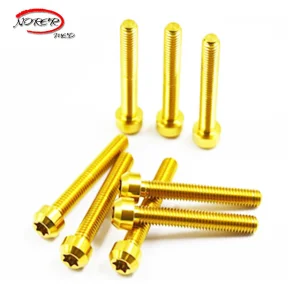
We offer anodization services, including Type II anodization for enhanced wear resistance and reduced friction, and Type III color anodization for quick size identification during surgery. All surface treatments are validated to ensure they leave no toxic residues.
7. How is raw material traceability documented for international shipments?
Every shipment includes a detailed documentation package. This contains raw material mill test certificates (detailing chemical composition and mechanical properties), certificate of conformity (CoC), and production batch records to ensure full traceability from raw material to finished product.
8. What is the standard lead time for wholesale orders?
Lead times depend on the order volume and product configuration. Standard catalog items typically ship within 15 to 30 days. Custom OEM orders or high-volume contracts generally require 45 to 60 days, which covers production, surface treatment, quality testing, and export clearance documentation.
9. How are the implants packaged to ensure safety during transit?
Our products are cleaned using multi-stage ultrasonic systems, dried, and packaged in double-layer medical peel pouches in cleanroom environments. This protective packaging prevents mechanical damage during shipping and is designed to maintain barrier integrity until sterilization and clinical use.
10. Can you supply complete surgical instrument sets alongside the implants?
Yes, we provide matching surgical instrumentation kits for our spinal pedicle screw systems, interlocking nails, and bone plates. These kits contain all necessary screwdrivers, drills, taps, guides, and sterilizer trays required for clinical procedures.

Production Facility & Processing Gallery

A view of our raw materials, precision CNC machining centers, and finished device inventories.