In modern clinical environments, the baseline for surgical intervention relies heavily on the quality and durability of surgical instrumentation. Selecting a premium China wholesale surgical scissors manufacturer requires a deep understanding of metallurgy, mechanical tolerances, and sterilization physics. Hospitals, distributors, and global medical device procurers must balance economic optimization with the strict quality standards demanded by regulatory bodies worldwide.
This document provides a comprehensive roadmap for procurement executives looking to secure clinical-grade cutting instruments, surgical scissors, and specialized orthopedic implant systems. By analyzing the engineering pipelines, material science, and regulatory compliance methods of top-tier facilities like DEON Medical (Changzhou) Co., Ltd., you will gain actionable insight into how surgical devices are engineered for maximum reliability, edge retention, and corrosion resistance.
Global purchasing departments face distinct operational pain points when securing supplies of surgical scissors. The main issues include premature wear of cutting edges, pitting corrosion during high-pressure autoclaving, and poor mechanical alignment. Buyers require a manufacturing partner capable of addressing these issues at a raw material level.
Key components of global procurement strategies include:
The manufacturing process of professional-grade surgical instruments requires strict adherence to physical and chemical parameters. The transition from raw stainless steel bars to an active surgical instrument involves a sequence of specialized stages designed to prevent oxidation, deformation, and misalignment.
Premium manufacturers use premium Grade 420 Martensitic steel, optimizing the balance between chromium content (for corrosion resistance) and carbon content (for tempering capability).
Controlled atmospheric vacuum furnaces heat-treat the raw shapes, removing internal stresses and establishing a crystalline structure that yields high tensile strength and resilience.
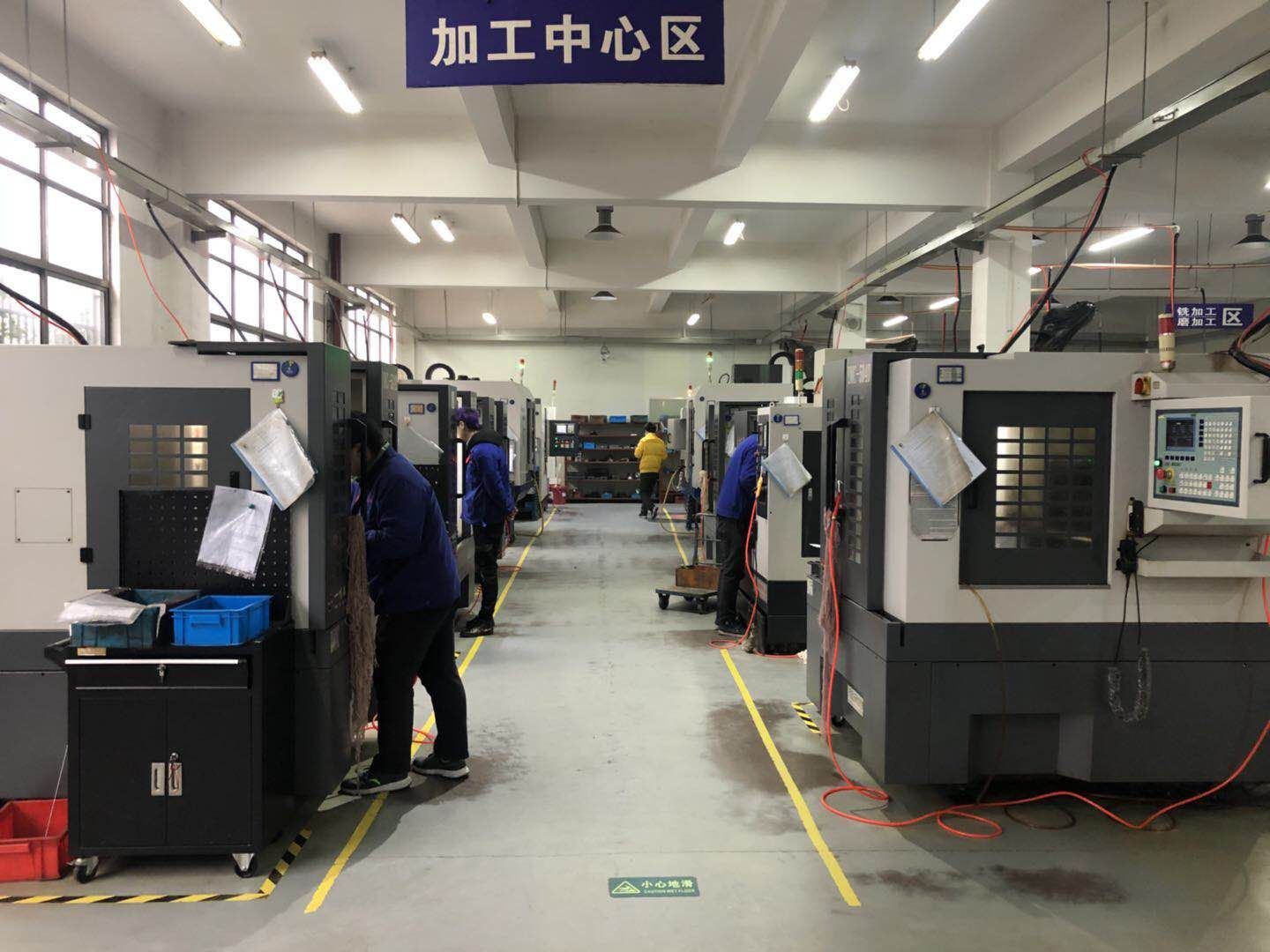
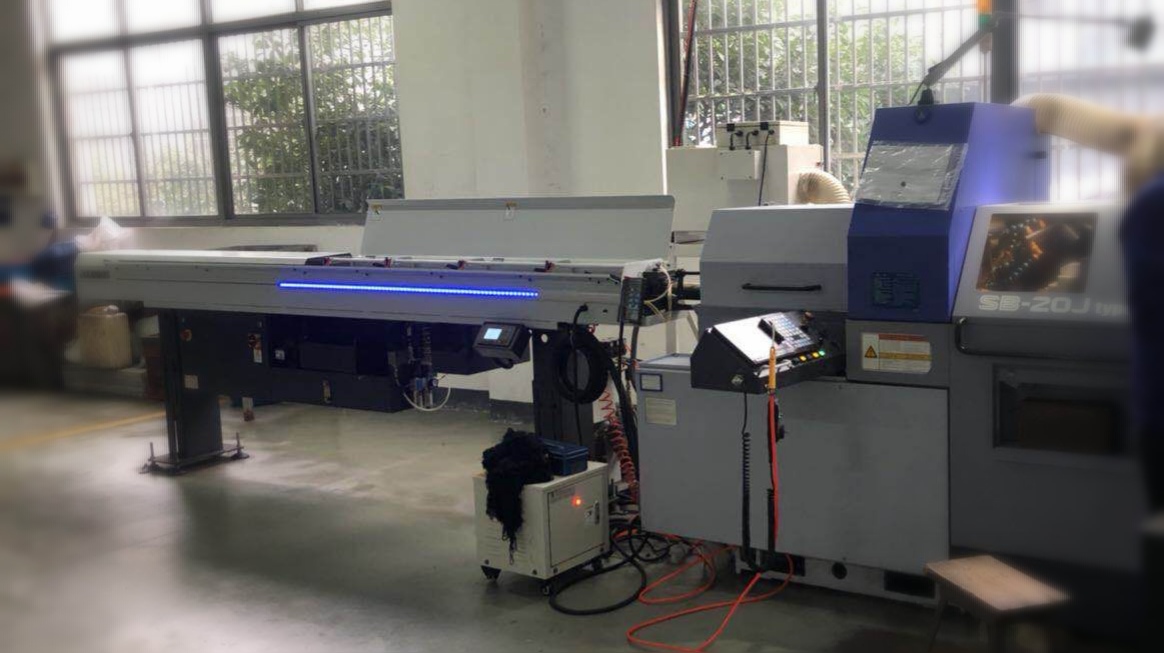
CNC precision grinding machines hone the cutting blades to exact tolerances, ensuring the shear plane is uniform across the entire length of the scissor blade.
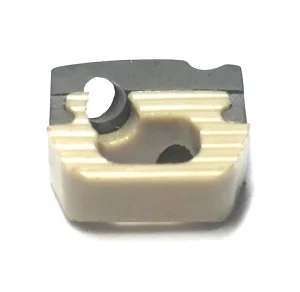
Furthermore, top-tier surgical cutting tools incorporate Tungsten Carbide (TC) inserts. These inserts are joined to the stainless steel body via gold-brazing techniques. This provides a wear surface that stays sharp up to five times longer than standard stainless steel blades, making it ideal for high-use clinical facilities.
An orthopedic implant system is only as effective as the surgical instrumentation used to place it. At DEON Medical (Changzhou) Co., Ltd., we understand that surgical scissors, bone cutters, and orthopedic implant components must function as a integrated system.
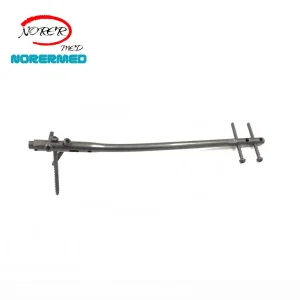
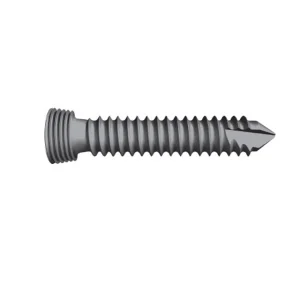
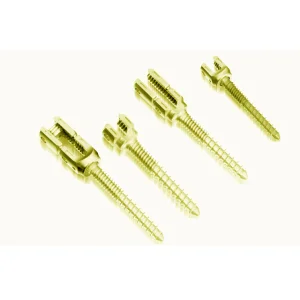
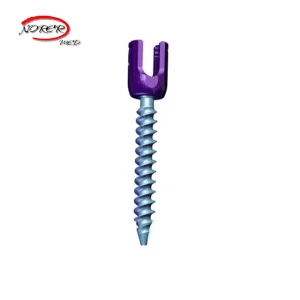
Whether performing trauma reconstruction with titanium interlocking nails, spinal pedicle screw fixation, or cervical spine cage insertions, surgeons require instruments that respond predictably. High-performance surgical scissors are critical for clean tissue dissection and preparing the surgical site without causing thermal or mechanical necrosis to the surrounding margins.
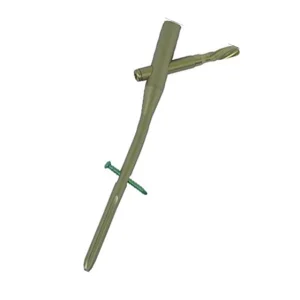
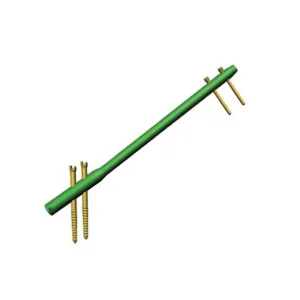
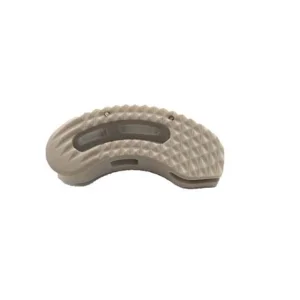
By coordinating the production of implants (such as Titanium PFNA Interlocking Nails and PEEK Cervical Cages) and specialized instrumentation, we minimize surgical errors caused by mismatching tools and implant components.
The global medical supply chain is shifting towards consolidated sourcing hubs that offer both manufacturing capabilities and regulatory compliance. Changzhou, located in China’s Jiangsu Province, has developed into a major cluster for orthopedic and surgical instrument manufacturing.
This ecosystem allows DEON Medical to source raw materials efficiently, execute advanced surface treatments, and perform mechanical calibration under unified quality management protocols. For global buyers, this integration reduces lead times, optimizes shipping costs, and provides access to advanced manufacturing technologies (such as CNC machining and laser marking) at competitive price points.
Every product batch undergoes non-destructive testing (NDT), hardness verification, and autoclave testing cycles to simulate real-world surgical reuse.
Complete traceability is maintained, starting from raw melt titanium or stainless steel ingots down to the laser-etched serial numbers on individual instruments.
Flexible manufacturing systems accommodate design modifications, custom dimensions, and proprietary tip configurations tailored to specific surgical protocols.
A common failure mode for surgical instruments is crevice corrosion at the hinge joint. To prevent this, premium manufacturers employ chemical passivation processes (such as nitric or citric acid baths) after grinding and polishing.
This chemical process removes free iron from the instrument surface, leaving a chromium-rich oxide film. This passive layer protects the underlying steel from saline exposure, physiological fluids, and repeated steam sterilization cycles.
When evaluating a China wholesale surgical scissors manufacturer, always request passivation verification certificates (complying with ASTM A967 or ISO 13485 standards) to ensure long-term instrument life and patient safety.
Q1 What makes AISI 420 the preferred stainless steel grade for surgical scissors?
AISI 420 is a martensitic stainless steel with carbon and chromium content balanced to achieve both high hardness (50-55 HRC) and corrosion resistance. It responds well to heat treatment, allowing the cutting edges to be hardened while keeping the main body ductile enough to withstand mechanical stress without snapping.
Q2 How does DEON Medical ensure the biological compatibility of its products?
We manufacture using medical-grade titanium (such as Ti-6Al-4V ELI) and PEEK polymers sourced from verified medical suppliers. Our facilities follow cleanroom handling procedures and validated passivation cycles, minimizing bioburden and chemical residues to meet ISO 13485 biocompatibility requirements.
Q3 What are the advantages of Tungsten Carbide (TC) inserts in surgical scissors?
Tungsten Carbide is significantly harder than standard stainless steel. By brazing TC plates onto the blade edges, the scissor maintains its sharpness for extended periods, reducing the frequency of sharpening and repair. TC scissors are typically identified by gold-plated handles.
Q4 How does the passivation process prevent pitting corrosion in autoclaves?
Passivation uses acid solutions to strip surface iron, leaving behind a stable chromium oxide layer. When exposed to high-pressure steam in an autoclave, this chromium oxide barrier prevents oxygen and moisture from oxidizing the iron underneath, preventing rust and pitting at joint areas.
Q5 What custom OEM/ODM capabilities does DEON Medical offer for surgical devices?
We provide full-service OEM and ODM development, including custom dimensions, specialized curvature designs, satin/mirror/titanium coating finishes, and custom laser branding. Our engineering team can work from raw drawings or physically scan samples to program our CNC production machinery.
Q6 How do you package and ship to ensure sterile integrity?
Instruments are packaged in double-barrier Tyvek pouches or protective plastic sleeves, followed by moisture-barrier secondary packaging and impact-resistant cartons. For titanium implants and PEEK cages, we offer cleanroom-sterile packaging solutions designed for direct introduction into sterile operating environments.
 Deon Medical