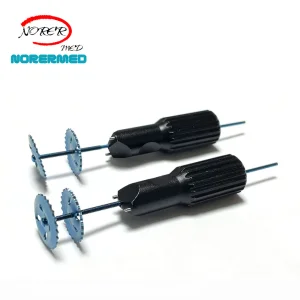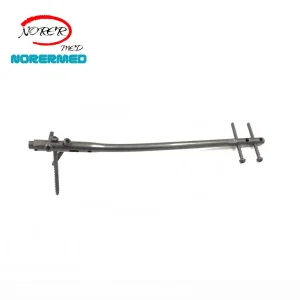
An aging global population and rising expectations for mobility are driving massive volume requirements in spinal fixation, joint arthroplasty, and trauma recovery hardware. Concurrently, veterinary medicine is mirroring these human trends with pet owners seeking complex, high-tier osteotomy solutions.
Compliance frameworks such as Europe's MDR and the FDA’s 510(k) pathway require traceably documented design files, bio-burden validations, and raw-material certs. Working with an experienced OEM partner reduces go-to-market friction by providing transparent engineering audits.
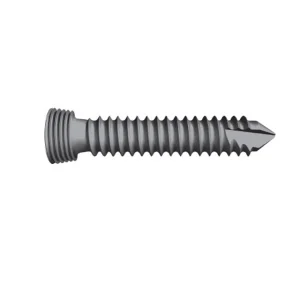
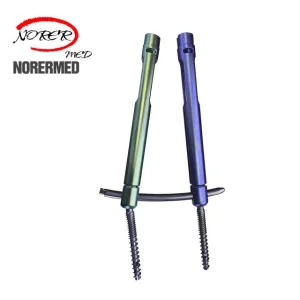
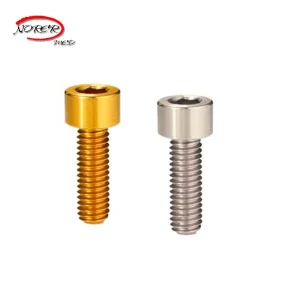
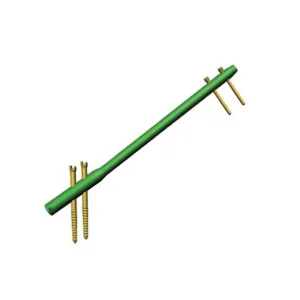
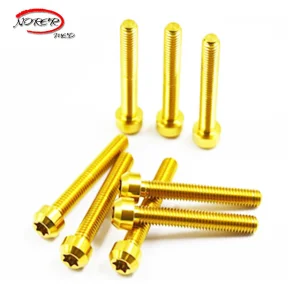
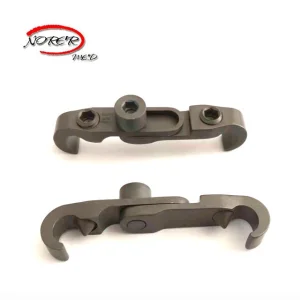
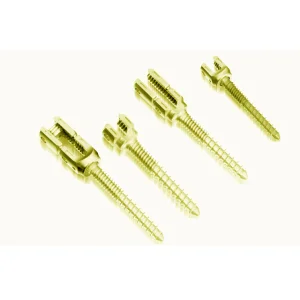
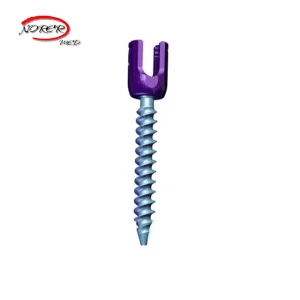
Standardized bulk implants are giving way to patient-specific solutions and niche veterinary sizes. Manufacturing lines must be dynamic enough to pivot from standard titanium locking screws to complex spinal rods and multi-axial pedicle systems seamlessly.
In human clinical applications, mechanical endurance and exact dimensional tolerance are non-negotiable. Our human-grade titanium implants are designed to facilitate rapid osseointegration and provide primary stability immediately post-operation.
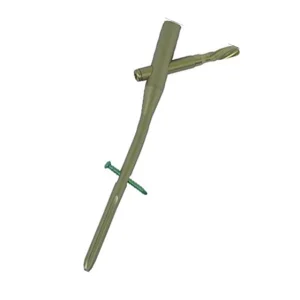
The veterinary sector presents distinct anatomical and mechanical challenges. Devices must handle varied biomechanical stress loads relative to animal mass and dynamic activity levels without failing.
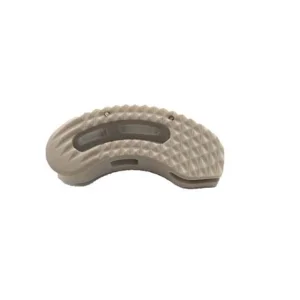
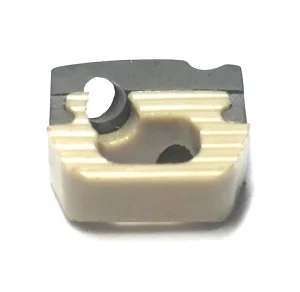
We process surgical-grade Titanium Alloy (Grade 5, Ti-6Al-4V ELI) conforming to ASTM F136 specifications, and implantable-grade PEEK-OPTIMA®. These materials guarantee zero toxic elution, minimal cellular irritation, and ideal mechanical stiffness matching patient anatomy.
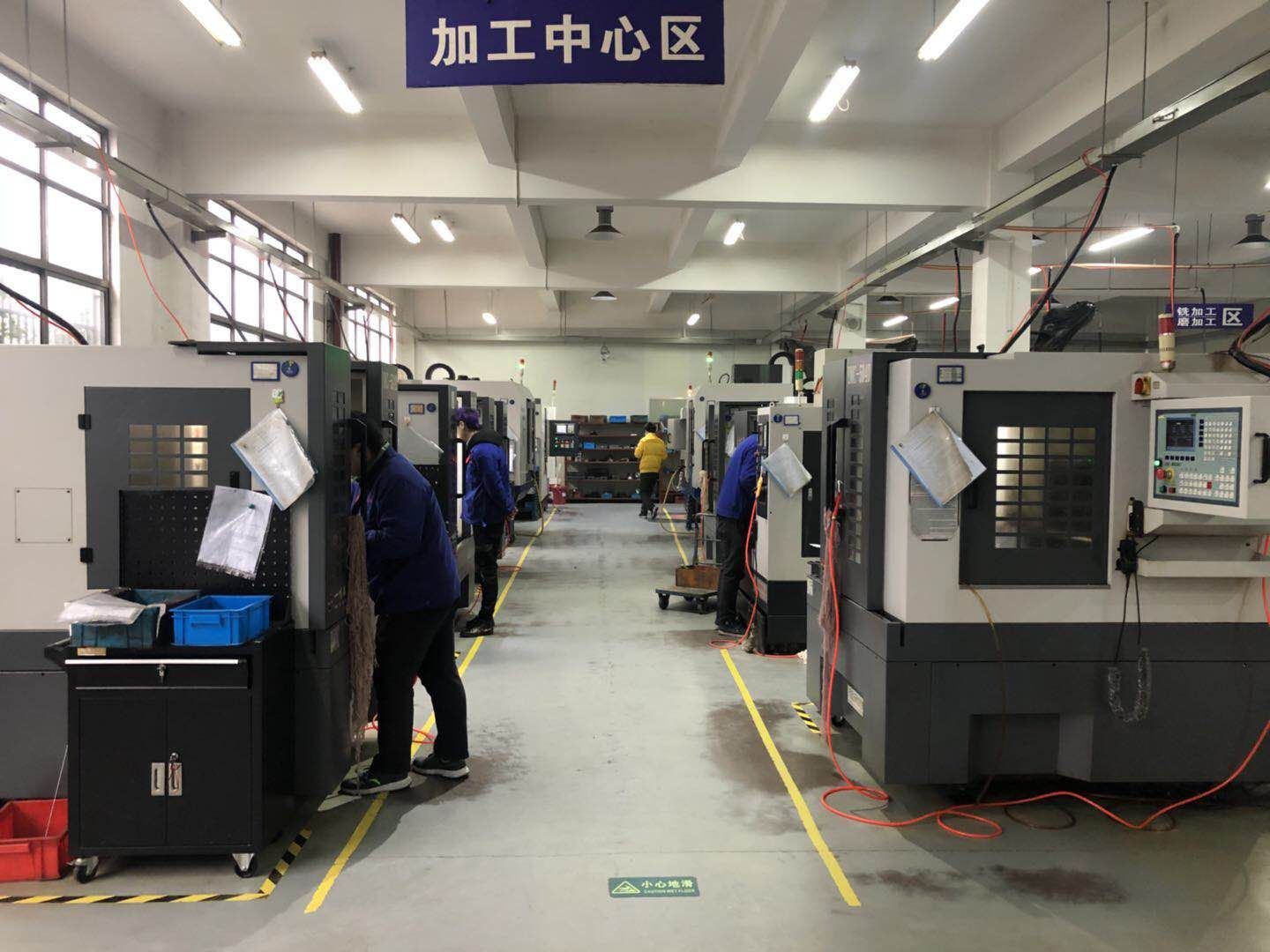
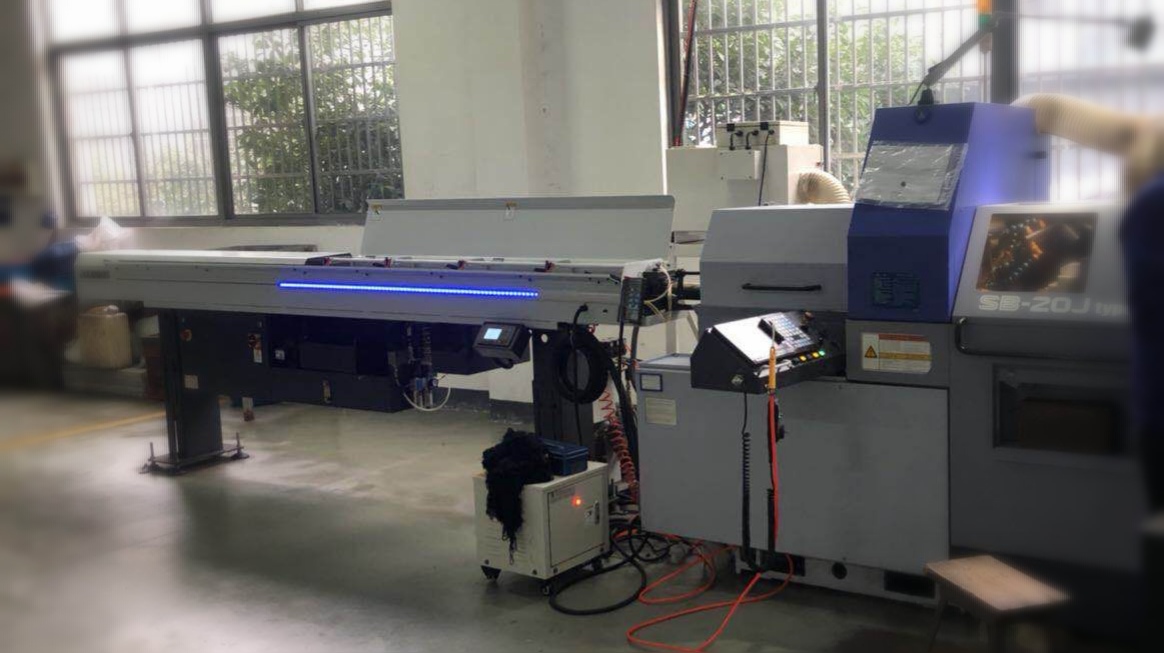
Our production lines feature Swiss-type CNC lathes and multi-axis machining centers capable of holding dimensional tolerances of ±0.005mm. This guarantees optimal threading engagement, minimizing clinical failure modes such as screw backing-out or cross-threading.
To boost biological attachment, we utilize chemical etching, Type II anodization, and sandblasting. These treatments modify the surface topography, expanding the contact surface area to speed up bone cell integration (osseointegration) post-surgery.
The next step in implant engineering involves combining additive manufacturing (such as selective laser melting / 3D printing) with biological coatings to build patient-matched porous scaffolds. These 3D-printed titanium structures can be modified with localized drug-delivery coatings or antibacterial compounds to mitigate implant-associated infections (IAI). Our development pathway focuses on expanding PEEK-carbon fiber composite manufacturing to deliver implants with mechanical properties closely mimicking natural bone.
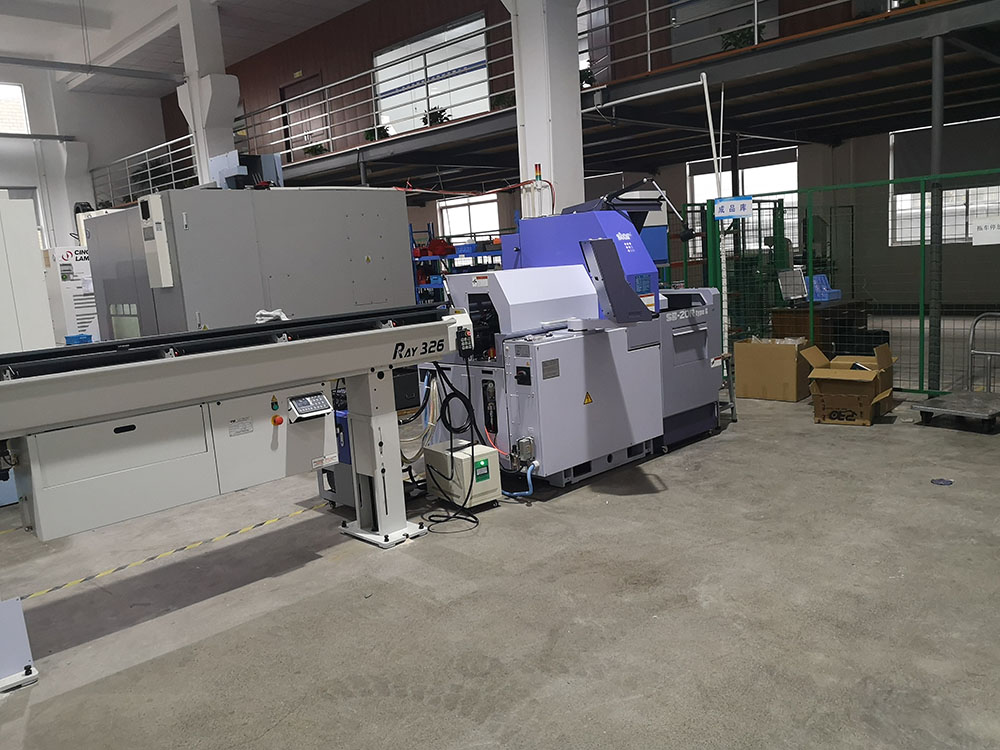
Located in Jiangsu Province, Changzhou stands as China's premier hub for orthopedic implant manufacturing. This clustering yields unparalleled supply-chain efficiencies, offering domestic access to titanium smelting, precision heat treatment, chemical surface processing, and certified sterilization services.
Every bar of titanium and batch of PEEK receives an unique Heat Number and Material Certification sheet tracing back to its original raw melt.
Utilizing advanced optical measurement systems and digital profile projectors to verify complex thread angles and critical dimensions.
In-house testing of tensile strengths, torque resistance, and axial pull-out values matching ASTM and ISO requirements.
Implant packaging operations take place inside ISO Class 7/Class 10,000 cleanrooms to guarantee minimal bioburden levels prior to sterilization.
Our structural profile and manufacturing background establish the foundation of our high-quality production capability, facilitating seamless OEM collaboration for buyers worldwide.
 Deon Medical