Explore our premium range of precision-machined titanium locking screws, specialized cranial locks, and intramedullary nails developed under rigorous quality controls.
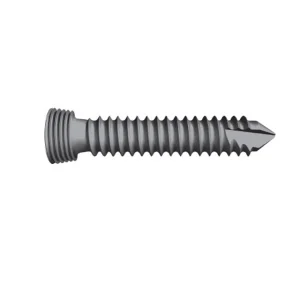
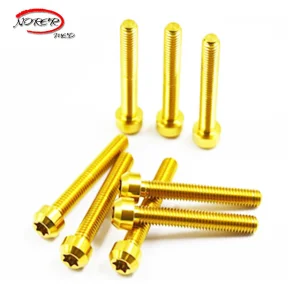
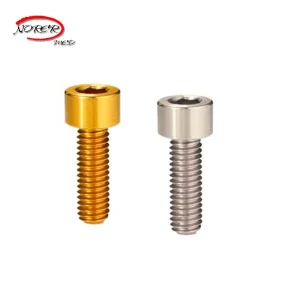
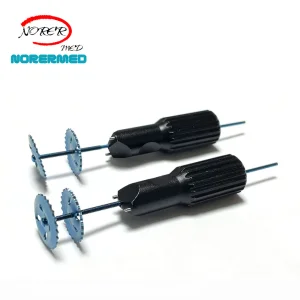
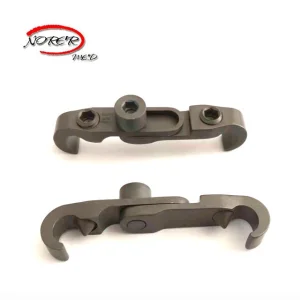
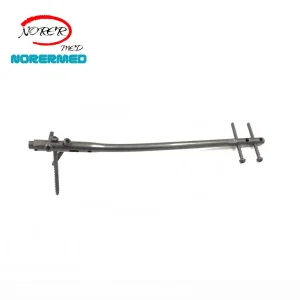
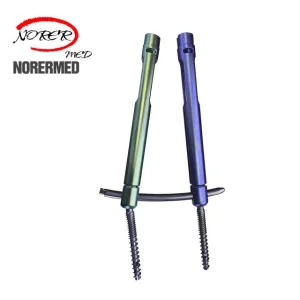
Deep-dive insights into the global shift in metallurgical processing, biomechanical designs, and custom engineering paradigms within osteosynthetic medicine.
While Ti-6Al-4V ELI (ASTM F136) remains the industry gold standard for load-bearing orthopedic trauma implants due to its high strength-to-weight ratio, current trends are shifting toward bio-absorbable magnesium-based alloys and carbon-fiber-reinforced polyetheretherketone (CFR-PEEK). These materials reduce stress shielding—a phenomenon where rigid metal implants bear too much stress, leading to localized bone loss. As an OEM manufacturer, ensuring precision machining across these challenging alloys requires advanced thermal control systems and tooling strategies.
Modern implantology demands more than passive structural support. Top-tier medical institutions require implants with active bio-integration surfaces. The incorporation of Type II anodization, plasma spraying, or physical vapor deposition (PVD) to coat titanium implants with hydroxyapatite (HA) or diamond-like carbon (DLC) is increasing. These surface alterations promote faster osteoblast differentiation, accelerating clinical recovery. Custom OEM facilities must master these surface treatment processes to deliver implants that reduce rehabilitation times.
Clinical data increasingly supports the use of custom patient-specific implants (PSIs) for complex cranial, maxillofacial, and acetabular reconstructions. E-E-A-T principles require manufacturer-partners to offer hybrid manufacturing routes. This links traditional CNC milling with laser-sintered additive manufacturing (SLM/EBM). Combining rapid prototyping with exact mechanical finishing of contact regions (like screw seats and sliding joints) helps produce trauma devices that match patient-specific radiological data.
In the wake of global healthcare distribution challenges, hospital systems and medical distributors are changing their procurement metrics. Buyers prioritize regulatory compliance (FDA 510(k), CE MDR), manufacturing traceability (UDI implementation), and geographical supply chain diversity.
To mitigate risk, procurement officers seek high-capacity partners capable of offering contract manufacturing with agile lead times. Choosing a production site within key manufacturing hubs—such as Changzhou, China—allows companies to leverage integrated industrial ecosystems, from raw material ingot supply to sterile packaging facilities.
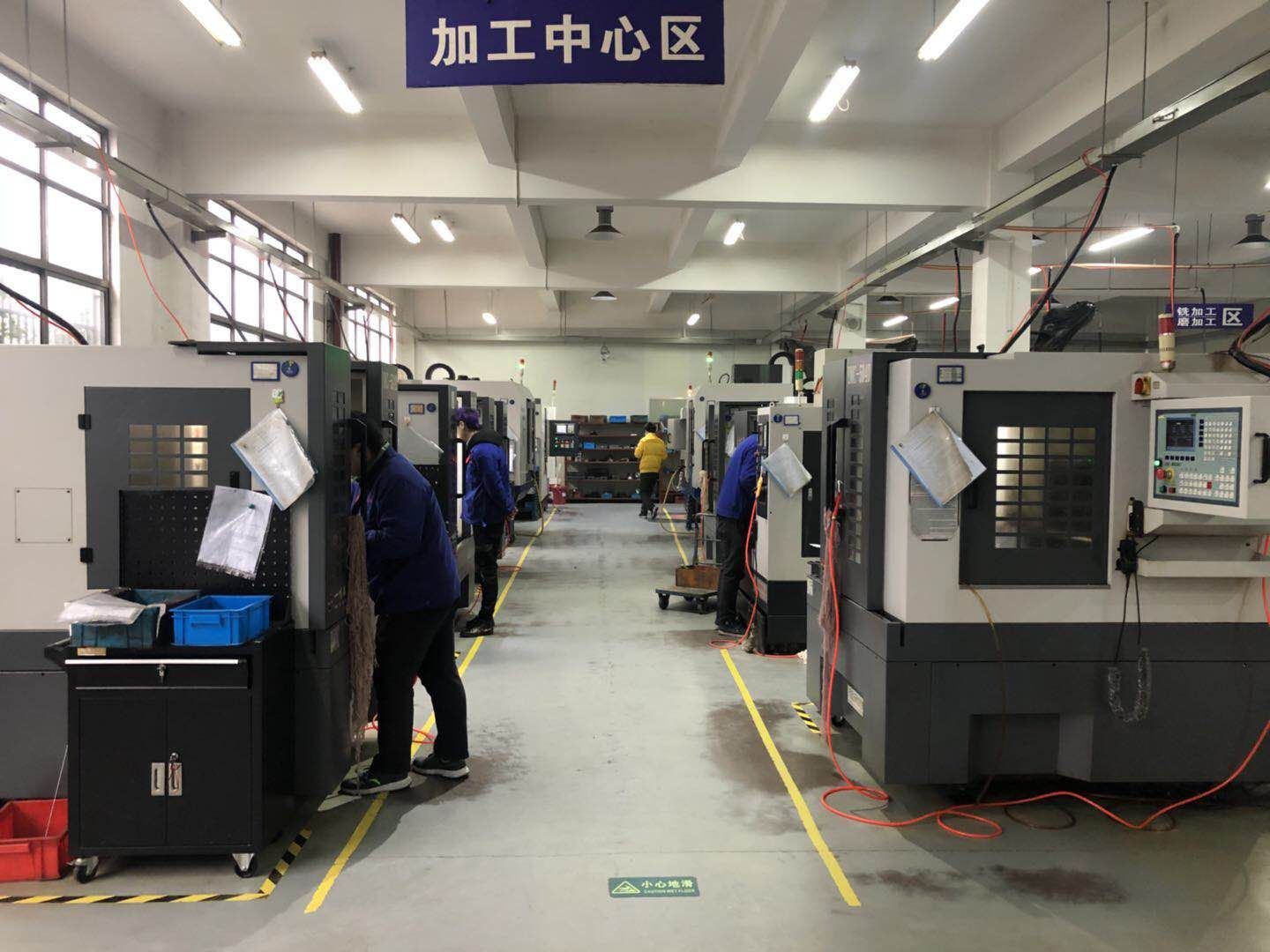
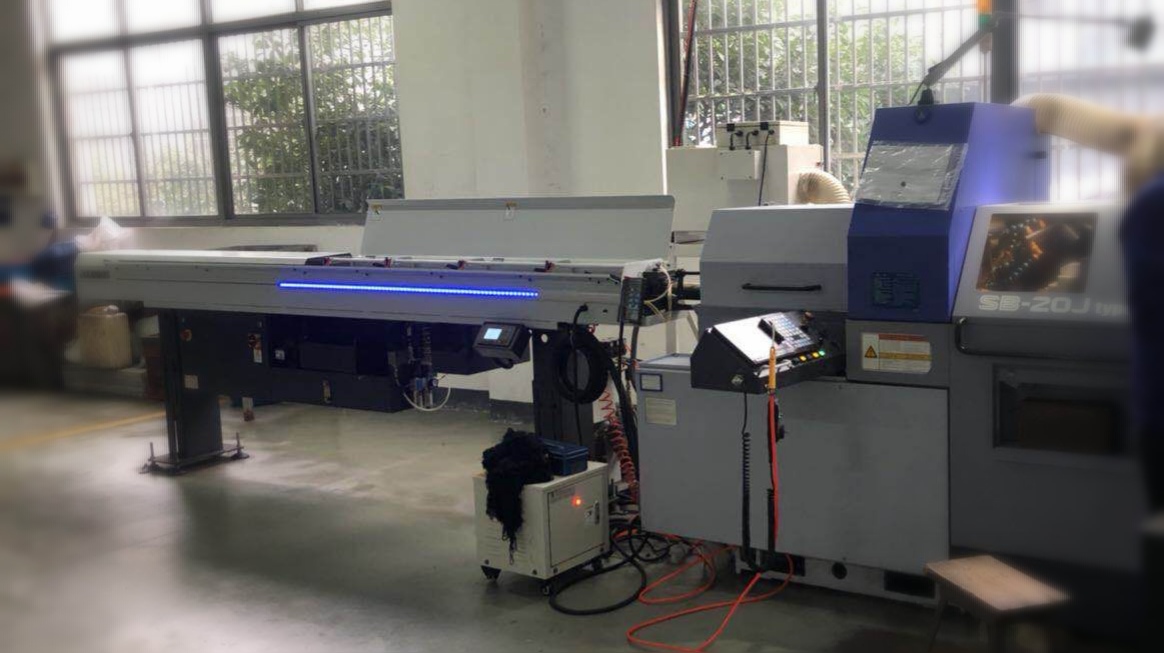
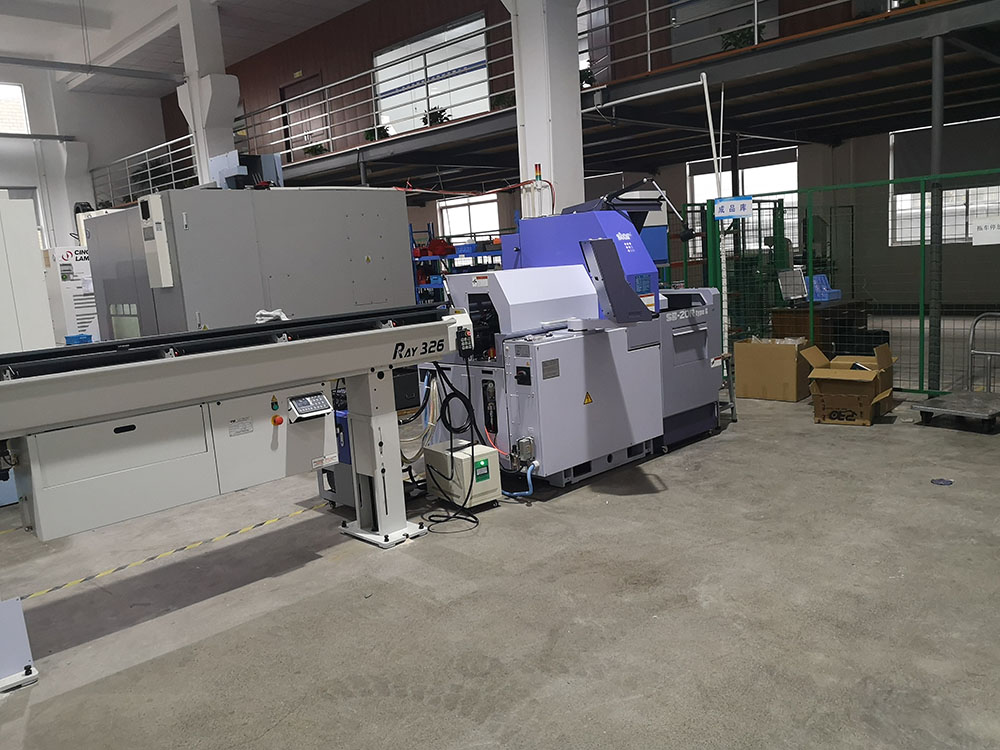
Our production facilities utilize automated manufacturing techniques to achieve consistent mechanical output. Through Swiss-type CNC automatic lathes, multi-axis machining centers, and automated coordinate measuring machines (CMM), we meet the high precision standards required for orthopedic trauma implants.
Implementing Factory 4.0 techniques ensures that every production batch of bone screws or interlocking intramedullary nails is manufactured under strict temperature-controlled settings. This minimizes material distortion and maintains strict dimensional tolerances.
Raw Material Sourcing: We source premium biocompatible titanium alloys and medical-grade PEEK exclusively from verified, certified suppliers. Every material batch includes chemical composition reports and mechanical testing certificates to ensure compliance.
Orthopedic implants must perform reliably under high-stress conditions inside the body. Our implants are engineered to address specific orthopedic challenges in human and veterinary healthcare.
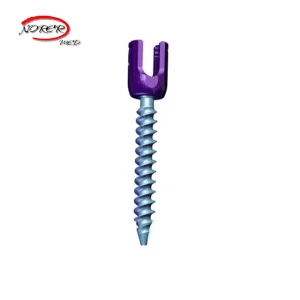
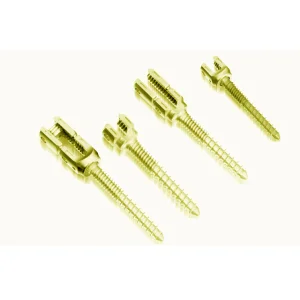
For human orthopedic trauma surgery, our solutions focus on rigid fixation and fast rehabilitation. Our expert intramedullary nailing systems, including PFNA (Proximal Femoral Nail Antirotation), stabilize complex trochanteric and femoral shaft fractures. In spinal surgery, our uniplanar and polyaxial pedicle screws deliver the necessary mechanical grip in compromised bone structures, maintaining column alignment during lumbar fusion. Additionally, our PEEK TLIF and cervical cages help manage degenerative disc diseases while minimizing the risk of postoperative subsidence.
Veterinary orthopedics has seen significant growth, driven by demand for companion animal fracture management. Animal patients have distinct biomechanical profiles, necessitating specialized implant sizing and geometry. Our veterinary line features micro-screws, custom plates, and targeted spinal pedicle screw systems for canine and feline spinal stabilization. Using biocompatible materials like PEEK (Polyetheretherketone) and titanium reduces tissue reaction, promoting better long-term bone healing in active animals.
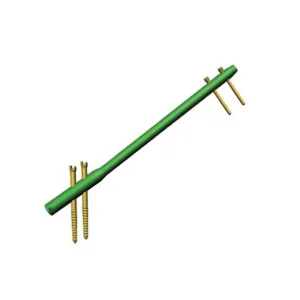
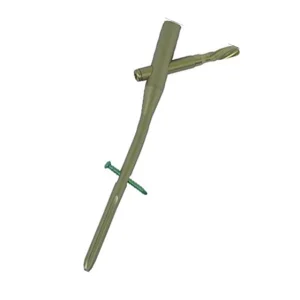
Review our advanced fusion cages, monoaxial and polyaxial pedicle screws, and distal femoral interlocking nails engineered for high performance under load.
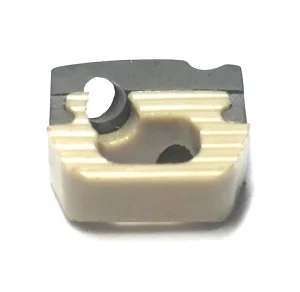
Your trusted manufacturing partner for orthopedic solutions, located in Changzhou, China.
We are located in Changzhou City, Jiangsu Province, China. Our facilities specialize in producing orthopedic trauma bone plates, bone screws, interlocking intramedullary nails, spinal pedicle screws, cervical plates, and PEEK cervical and lumbar fusion cages.
Combining modern production techniques with robust quality management systems, DEON Medical provides custom OEM manufacturing services to global medical brand owners, distributors, and veterinary surgical clinics.
| Location: | Jiangsu, China |
| Business Type: | Trading Company / Manufacturing Partner |
| Team Size: | 11 - 50 Employees |
| Industry Status: | 10 Years Verified Partner |
Answers to technical, regulatory, and logistics queries for international orthopedic buyers and product development teams.
 Deon Medical