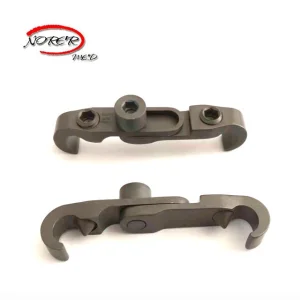
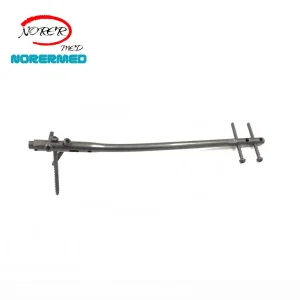
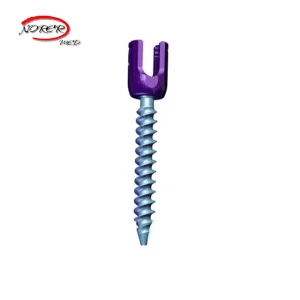
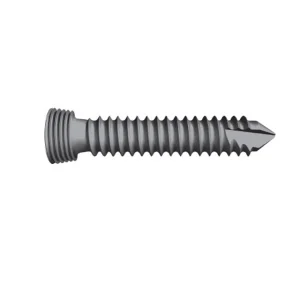
Engineered using ultra-low magnetic susceptibility materials to minimize artifact interference and optimize patient safety during post-operative scanning.
As the healthcare paradigm shifts toward non-invasive diagnostics and advanced post-operative tracking, the global demand for MRI-compatible (MRI-conditional) implants has experienced exponential growth. Historically, traditional orthopedic and surgical implants manufactured from high-magnetic-susceptibility alloys posed severe diagnostic risks. These hazards include radiofrequency (RF) induced heating, translational displacement forces, and substantial image distortion (susceptibility artifacts) that obscure critical anatomical structures.
Today, the regulatory environments overseen by the FDA, CE MDR, and NMPA mandate rigorous compatibility testing conforming to ASTM standards (specifically ASTM F2503, F2052, and F2182). Hospital procurement departments and orthopedic distributors worldwide are increasingly prioritizing manufacturers that possess the engineering capability to synthesize low-magnetic-susceptibility metals—such as Grade 5 ELI Titanium (Ti-6Al-4V) and non-metallic biomaterials like Medical PEEK (Polyetheretherketone).
Industrial demand is driven by the aging global demographic and a correlating surge in spinal arthrodesis and joint arthroplasty procedures. To deliver clean, diagnostic-grade MRI results, manufacturers must minimize magnetic susceptibility mismatches at the bone-implant interface. This requirement has positioned specialized OEM/ODM partners at the very center of the global medical device supply chain.
A quantitative engineering comparison detailing magnetic susceptibility, artifact generation, and thermal performance during continuous RF excitation.
| Material Classification | Magnetic Susceptibility (SI Unit) | MRI Compatibility Status | Artifact Footprint Area (vs. Implant Size) | Max RF-Induced Temp Change (ΔT) |
|---|---|---|---|---|
| Stainless Steel 316L | +3.5 × 10⁻³ to 1.0 × 10⁻¹ | MRI Unsafe / Highly Conditional | Extremely Large (500% to 1000%) | Significant (> 5.0°C under high SAR) |
| Titanium Alloy (Ti-6Al-4V ELI) | +1.8 × 10⁻⁴ | MRI Conditional | Moderate (120% to 150%) | Minimal (< 1.8°C under localized SAR) |
| Unfilled PEEK (Optima/Solvay) | -9.0 × 10⁻⁶ (Diamagnetic) | MRI Safe | Zero Susceptibility Artifacts | Negligible (No RF Coupling) |
| Carbon-Fiber Reinforced PEEK | -5.0 × 10⁻⁶ to -8.0 × 10⁻⁶ | MRI Safe / Conditional | Negligible (~102%) | Negligible |
Achieving true clinical safety and artifact reduction during high-field magnetic resonance procedures demands sophisticated material manipulation and design optimizations.
When entering the static magnetic field ($B_0$) gradient, ferromagnetic materials experience translational pull and rotational torque. By replacing iron-based alloys with Grade 5 ELI Titanium or PEEK, the magnetic forces acting on the implant are reduced to near-zero, eliminating risk of migration or mechanical failure within acute vascular or spinal bone zones.
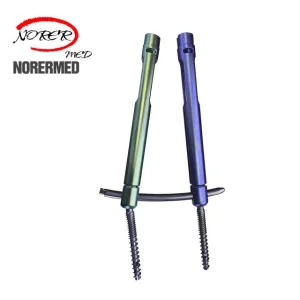
High-power Radiofrequency pulses in MRI generate electric fields that induce eddy currents along conductive surfaces. In long metallic structures like interlocking nails or spinal rods, this can cause resonance and localized temperature spikes. Our designers adjust thread geometries, integrate crosslink insulating boundaries, and manage aspect ratios to interrupt current pathways.
Differences in magnetic susceptibility between human tissue ($\approx -9.0 \times 10^{-6}$) and implants produce localized field distortions, rendering surrounding tissue invisible on spin-echo and gradient-echo sequences. Utilizing PEEK (susceptibility $\approx -9.0 \times 10^{-6}$) allows clinical practitioners to examine tissue immediately adjacent to the implant with zero distortion.
China has established itself as the world’s preeminent manufacturing hub for orthopedic implants, driven by integrated supply chains, precision engineering ecosystems, and raw material access. Changzhou, located in Jiangsu Province, serves as the Silicon Valley of Chinese orthopedics. This dense cluster integrates metal extraction, high-precision Swiss-type CNC machining, anodizing treatments, and sterile cleanrooms within a single geographic region.
DEON Medical (Changzhou) Co., Ltd. leverages this geographical and industrial concentration to offer premium OEM/ODM services. By integrating raw medical-grade Titanium and biocompatible PEEK materials with localized manufacturing infrastructure, we significantly reduce lead times and engineering costs. This local capability allows us to offer customized medical implants to global distributors at competitive price points while maintaining rigorous quality control.
Tailored manufacturing methodologies for specialized surgical sectors, ensuring implants match anatomical dynamics and imaging requirements.
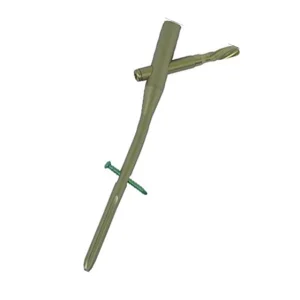
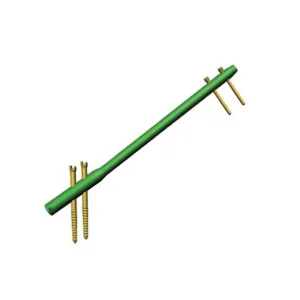
For diaphyseal fractures of the femur and tibia, our Titanium Interlocking Nails (GAMA / PFNA) offer high fatigue strength and load distribution. By selecting biocompatible titanium alloys and optimizing wall thickness, we minimize the metal volume, reducing susceptibility artifact sizes by up to 60% compared to traditional stainless steel rods.
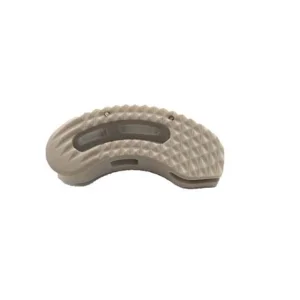
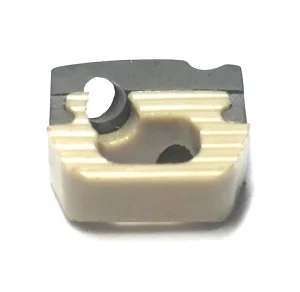
For degenerative disc diseases, our PEEK Cervical and Lumbar Cages (TLIF, ACIF) feature elasticity matching the modulus of human bone ($3.6\text{ GPa}$ vs. cortical bone's $18\text{ GPa}$). This compatibility reduces stress shielding while offering radio-transparency for accurate radiographic assessment of bone fusion through the cage.
Our Titanium Cranial Skull Locks are optimized for cranial flap fixation. The low-profile profile minimizes palpable implants, and the non-ferromagnetic titanium grade ensures safe postoperative CT and MRI brain scans without blurring critical structures.
B2B procurement teams must manage regulatory compliance and supply chain risks when sourcing medical implants. Working with offshore manufacturing partners requires transparency regarding material certification, process validations, and quality management systems.
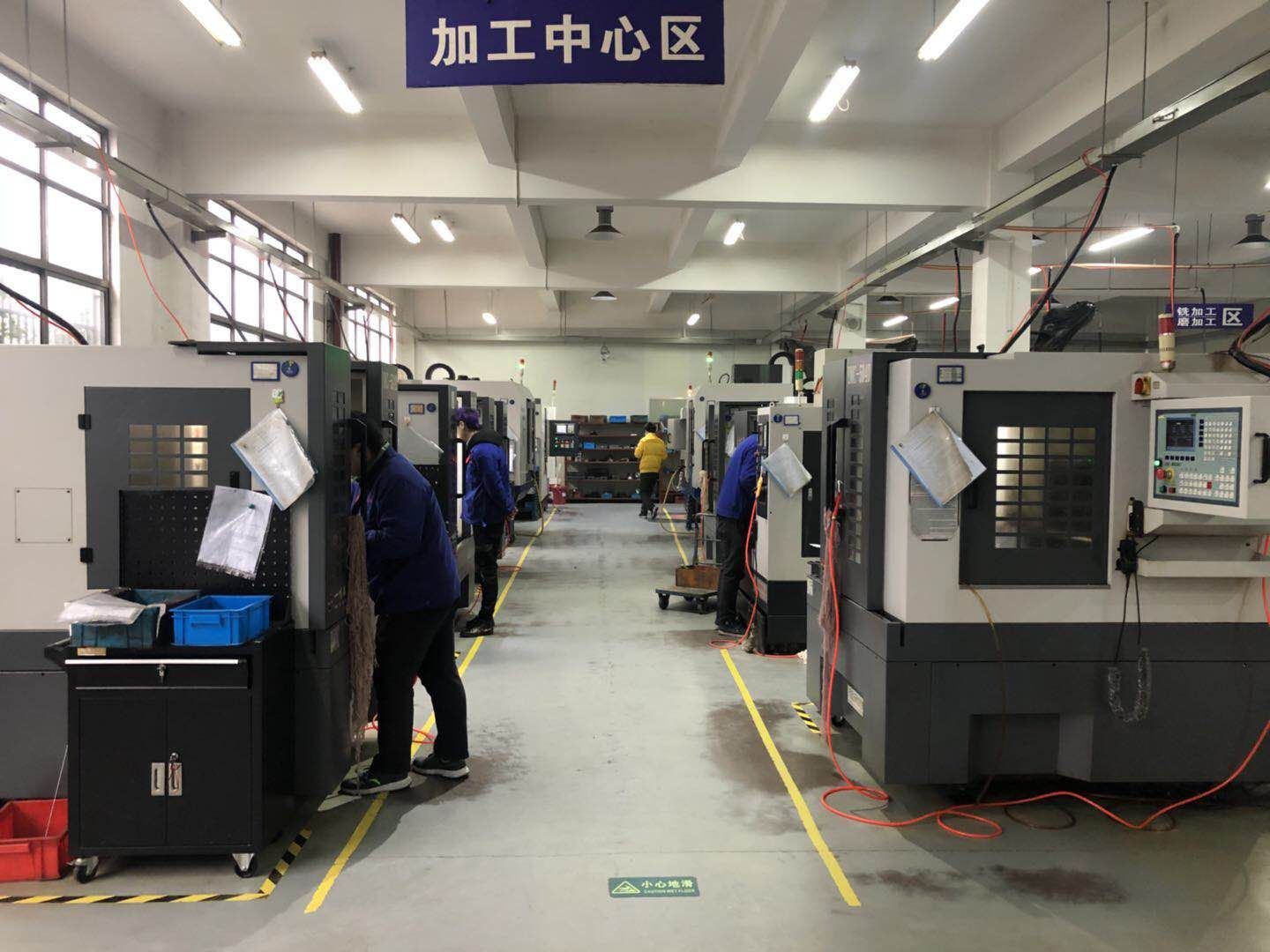
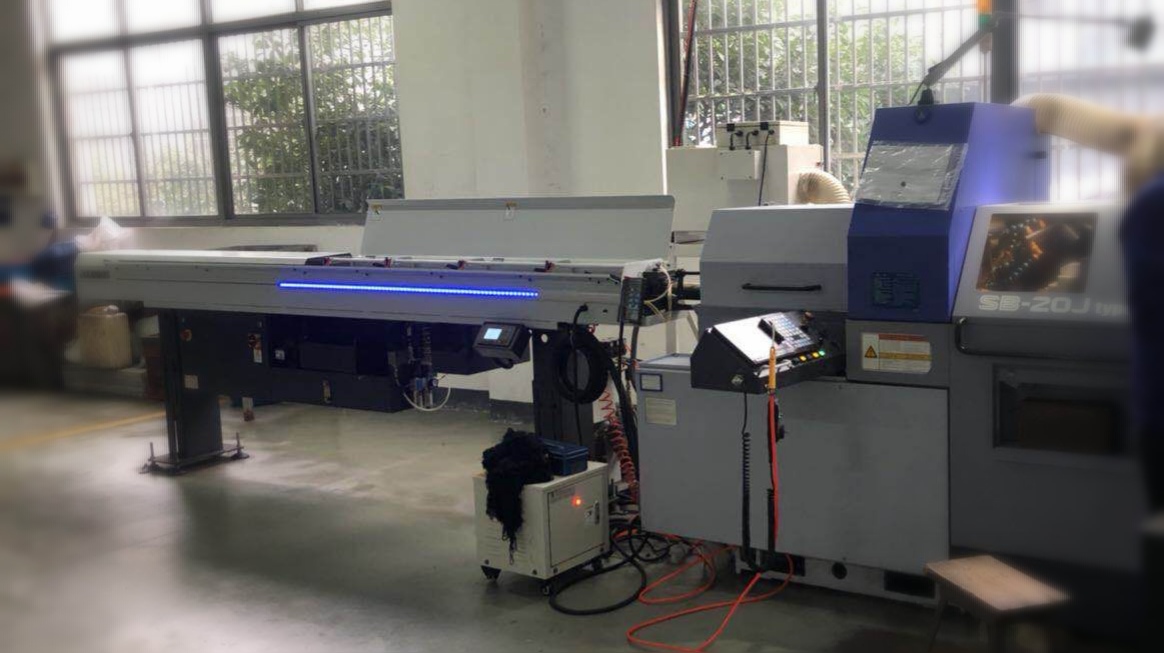
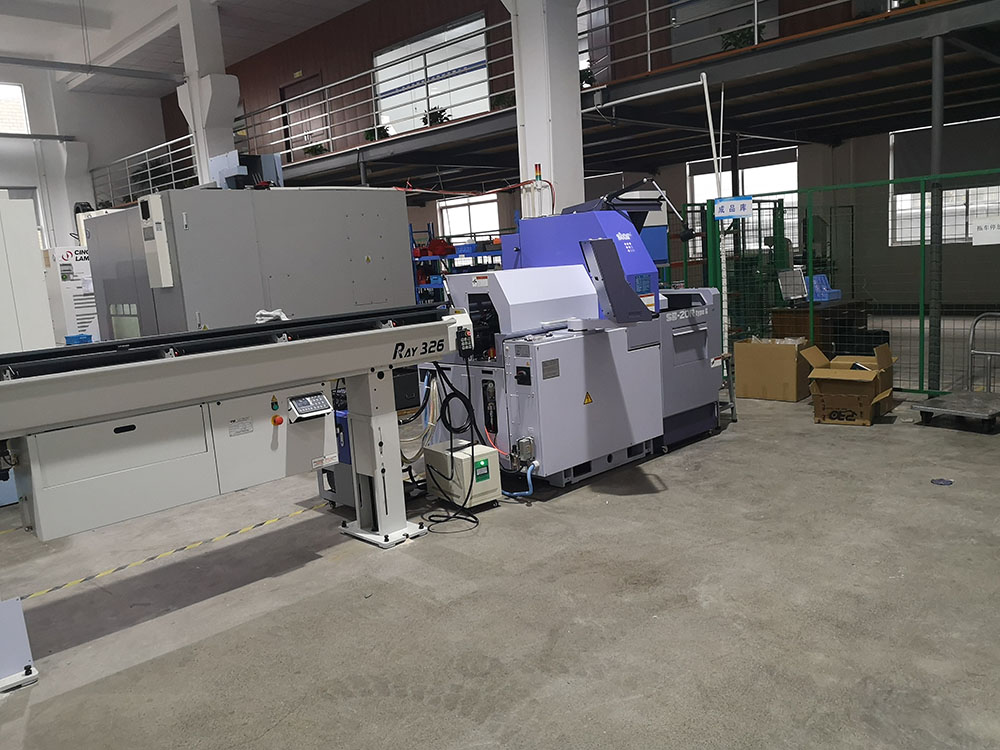
DEON Medical ensures compliance through certified processing paths. Every material batch of titanium and PEEK is accompanied by material test reports (MTRs) tracing back to the raw ingot. Our manufacturing line uses advanced Swiss-style CNC machines to ensure dimensional tolerances within $\pm 5\ \mu\text{m}$. Critical dimensions are validated using coordinate measuring machines (CMM) and digital optical comparators before final packaging.
Common technical questions regarding MRI compatibility, OEM manufacturing capabilities, and regulatory compliance.
According to ASTM F2503, "MRI Safe" applies to items that are non-conducting, non-magnetic, and non-metallic, such as our pure PEEK spinal cages, which pose no known hazards in any MRI environment. "MRI Conditional" applies to items containing conductive or metallic elements—such as our titanium bone plates and pedicle screws. These can be safely scanned only under specific conditions (e.g., static magnetic fields of 1.5T or 3.0T, spatial gradient fields, and specific absorption rate (SAR) limits) to prevent displacement or heating.
We optimize designs by utilizing low-magnetic-susceptibility metals (Grade 5 ELI Titanium) and non-metallic materials (PEEK). We also design implants with slim profiles, rounded transitions, and hollow geometries where possible. This reduces total metal mass and minimizes local magnetic field distortions ($B_0$ inhomogeneity), reducing visual artifacts in postoperative diagnostic imaging.
For standard modifications of existing titanium plates, screws, or interlocking nails, lead times range from 30 to 45 days. For completely new ODM projects requiring custom prototyping, tooling design, and initial mechanical testing, the lead time is typically 60 to 90 days, depending on the complexity and volume of the order.
Yes, we provide bulk non-sterile implants as well as individually packaged, cleanroom-sealed, sterile-ready options. Our sterile-barrier packaging conforms to ISO 11607 standards, allowing distributors to sterilize and deliver them directly to surgical facilities.
All titanium alloy is sourced from certified suppliers with chemical composition analysis matching ASTM F136 standards. PEEK polymers are sourced from established manufacturers like Evonik and Solvay, with documentation matching ASTM F2026 standards for implantable medical applications. Material certificates are supplied with every order.
Our implants undergo static and dynamic fatigue testing in accordance with ASTM standards (e.g., ASTM F382 for metallic bone plates, ASTM F1717 for spinal implant constructs, and ASTM F543 for bone screws) to verify tensile strength, torsional yield, and cyclic fatigue resistance before commercial production.
Precision spinal fixation, specialized trauma plates, and custom PEEK spacer configurations designed for complex clinical applications.
Step inside the manufacturing floor of DEON Medical in Changzhou, China. Our facilities integrate automated machining centers, surface processing lines, and strict quality control.
DEON Medical operates with a focus on engineering precision, regulatory compliance, and customer service. Over the past decade, we have established ourselves as a reliable manufacturing partner for distributors, hospital groups, and veterinary suppliers worldwide. By leveraging Changzhou's manufacturing infrastructure, we deliver orthopedic implants that meet rigorous international quality standards.
 Deon Medical