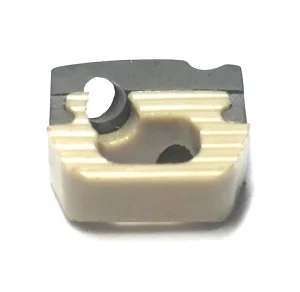
Explore our highly-rated titanium implant components, engineered to strict ISO 13485 and ASTM F136 specifications.
Titanium stands at the pinnacle of metallurgical application within modern medicine and aerospace engineering. Because of its unmatched strength-to-weight ratio, biocompatibility, and corrosion resistance, global demand for high-precision titanium components continues to escalate. In the medical field, particularly orthopedics, the material of choice remains Ti-6Al-4V ELI (Grade 23) and pure Titanium (Grades 1–4).
For global OEMs, identifying a reliable factory is not merely about finding a vendor; it requires locating a partner capable of executing sub-micron tolerances while navigating complex global regulatory frameworks (CE, FDA, and ISO 13485). The dynamic shift in the supply chain favors integrated factories that combine raw material sourcing, multi-axis CNC Swiss-machining, cleanroom packaging, and surface modification under one roof.
How cutting-edge titanium manufacturing technologies are shaping the next generation of implant and precision engineering solutions.
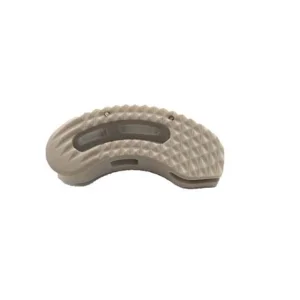
Modern factories are integrating Direct Metal Laser Sintering (DMLS) with traditional 5-axis subtractive milling. This hybrid approach allows the fabrication of highly porous structures on interlocking nails and spinal cages, optimizing bone ingrowth (osseointegration) while maintaining rigid internal core strength.
The future lies in modifications that go beyond simple sandblasting. Advanced factories are deploying Type II Titanium Anodization, Hydroxyapatite (HA) coating deposition, and acid-etching to generate micro-nanostructured surfaces, directly triggering osteoblast differentiation post-surgery.
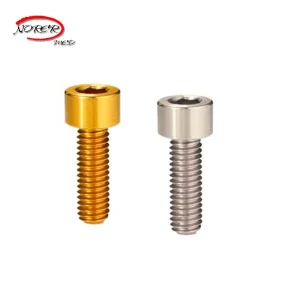
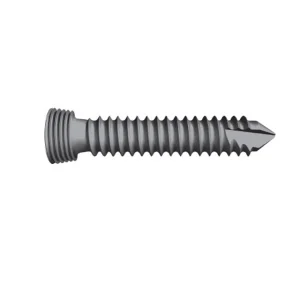
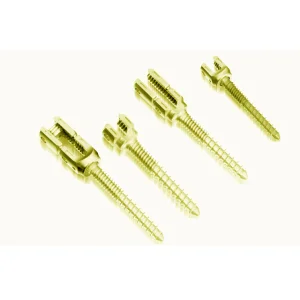
By utilizing high-frequency sliding headstocks and live-tooling lathes, factories can turn titanium rods into anatomical locking screws with variable pitches. The integration of real-time optical sorting and digital metrology ensures a zero-defect escape rate in mission-critical spinal fixation components.
Changzhou (Jiangsu Province) has cemented itself as the global capital of orthopedic device manufacturing. The local industrial cluster offers a high concentration of specialized titanium raw material processors, heat-treatment facilities, and surface treatment centers.
This physical proximity minimizes supply-chain friction, reducing lead times by up to 45% compared to fragmented Western supply bases. Additionally, the vertical integration of tooling development, testing, and production inside a single region ensures that prototyping-to-production cycles take weeks, not months.
The global supply chain requires flexibility and speed. Chinese factories leverage massive raw material reserves of medical-grade titanium along with high-efficiency automation. By using localized high-end machining centers (such as Citizen and Star Swiss lathes), Chinese factories deliver exceptional dimensional consistency.
By implementing statistical process controls (SPC) and real-time ERP monitoring, Chinese producers balance competitive pricing with strict compliance. The structural cost-efficiency is not derived from low-cost labor, but rather from unmatched manufacturing yields, high-throughput automated inspection, and optimized raw-material cutting programs.
From human reconstructive surgery to specialized veterinary orthopedics, titanium components demand targeted design adaptations.
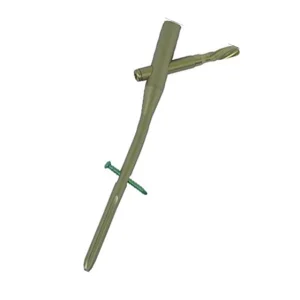
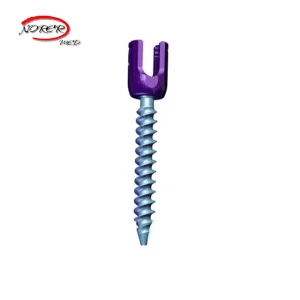
Pedicle screws, cervical plates, and femoral interlocking nails must withstand extreme dynamic loading and cyclic fatigue. Grade 23 (Ti-6Al-4V ELI) is extensively utilized here because of its superior fracture toughness and high fatigue limit under physiological conditions.
Veterinary implants require highly versatile and modular configurations due to the wide variation in animal anatomy. Advanced PEEK cages and micro-pedicle screws are designed to fit canine and feline spinal systems, requiring highly customizable micro-machining.
Cranial skull locks and custom-shaped mesh systems require ductile, pure titanium sheets. These implants must deform precisely to match cranial contours without spring-back, while ensuring reliable fixation to the surrounding skeletal structures.
Direct from DEON Medical (Changzhou) Co., Ltd.—A Leading Chinese Orthopedic Solutions Provider.
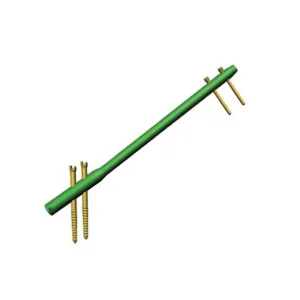
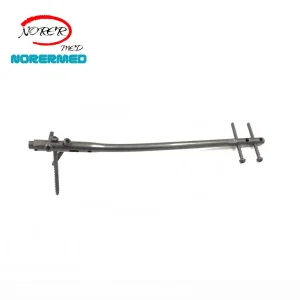
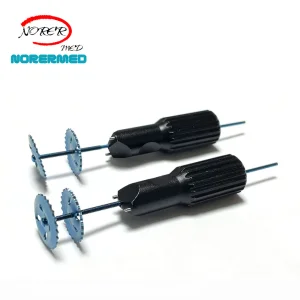
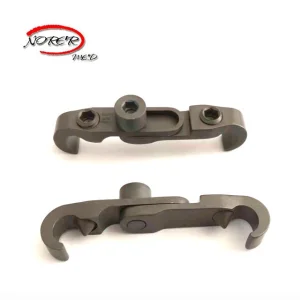
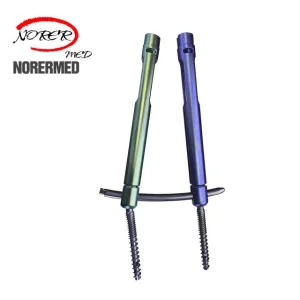
We are located in Changzhou city, CHINA. We are a specialized manufacturer of Orthopedic Trauma bone plates, bone screws, orthopedic Interlocking nails, orthopedic spine pedicle screws, Cervical Plates, PEEK cervical & lumbar cages, and related surgical equipments. Leveraging a decade of specialized industrial integration, we supply high-reliability implants to medical distributors, hospitals, and veterinary organizations globally. Our engineering department specializes in translating complex anatomical structures into high-yield, ISO-compliant medical hardware.
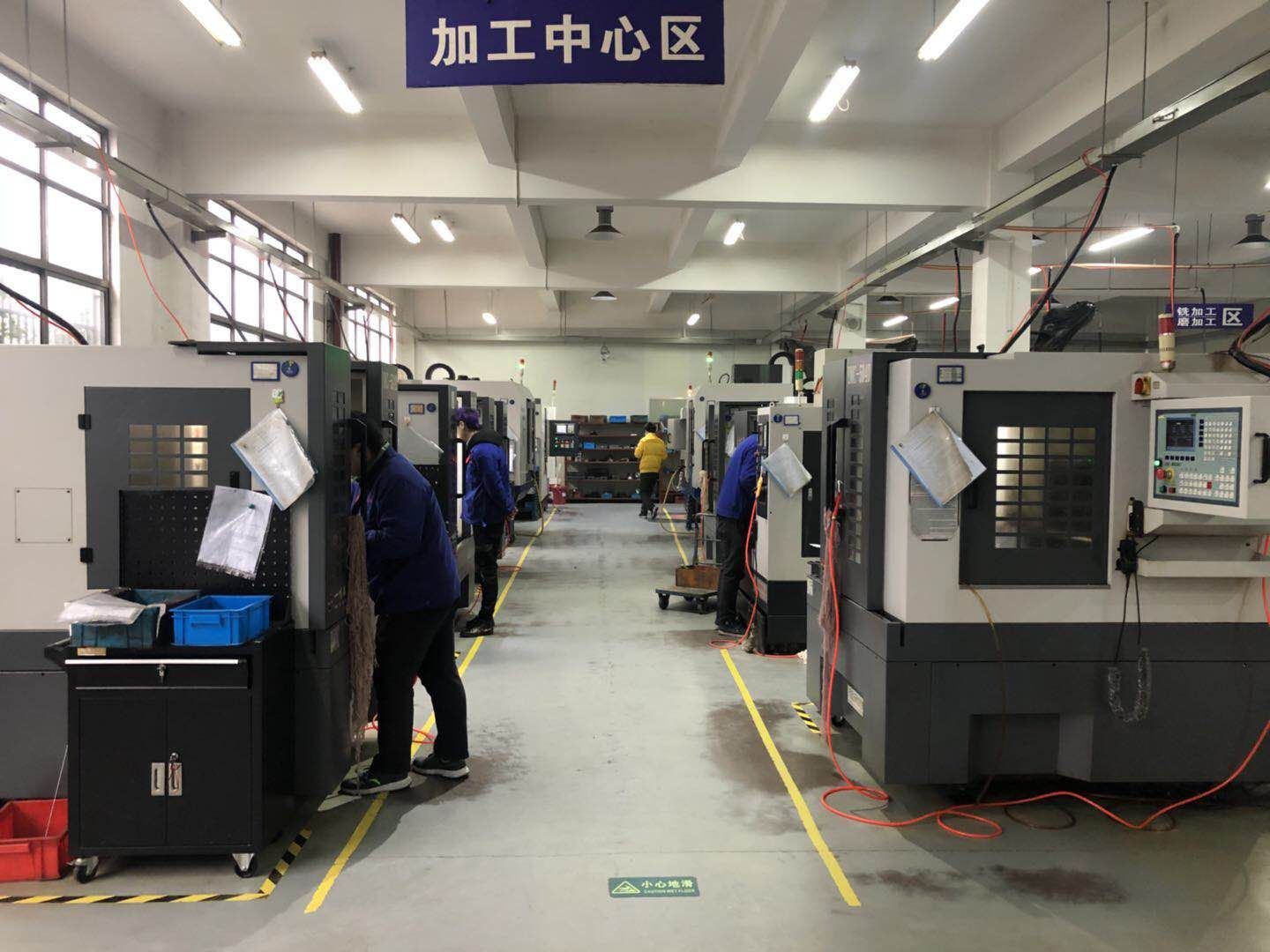
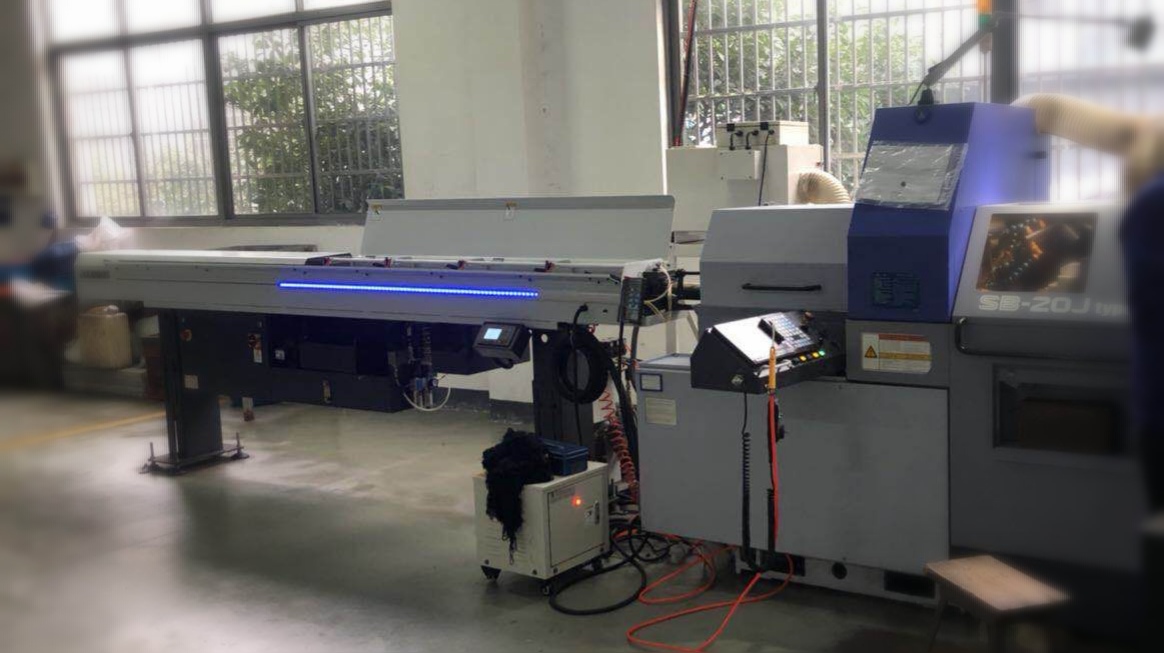
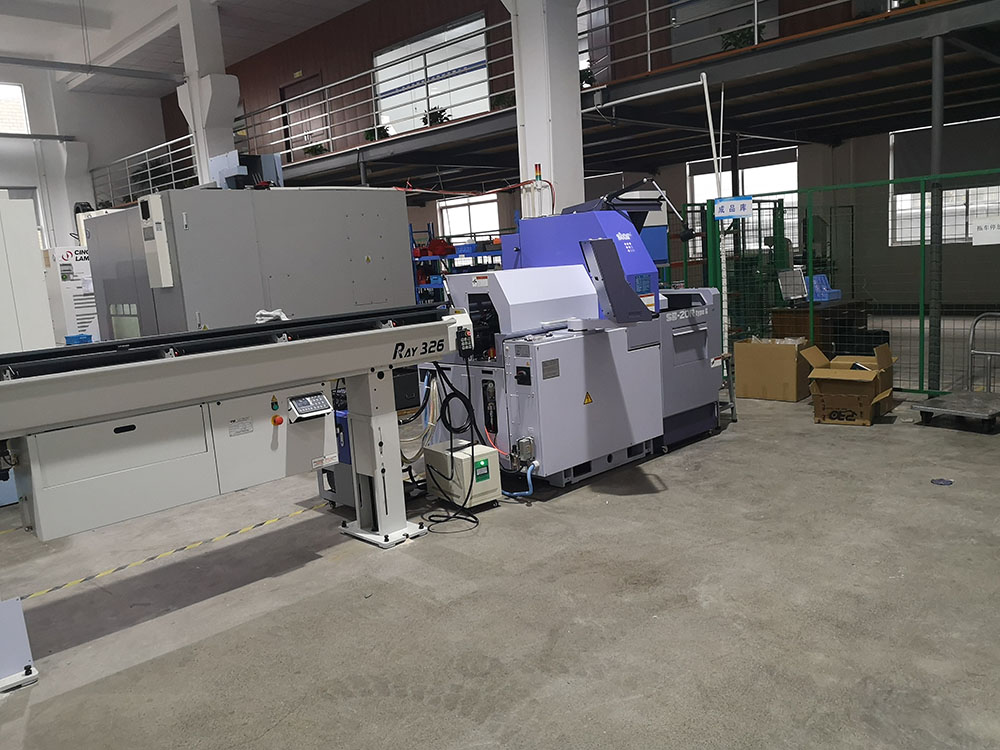
When sourcing medical devices, regulatory compliance is paramount. The production of titanium bone plates and pedicle screws requires compliance with international standards such as ASTM F136 (Standard Specification for Wrought Titanium-6Aluminum-4Vanadium ELI for Surgical Implant Applications).
Our manufacturing processes feature comprehensive QA workflows:
To support global procurement, we offer localized logistics support, customs documentation handling, and flexible batch production runs. Whether you require standard trauma plates or customized veterinary spinal fixation hardware, our engineering team provides robust technical feedback within 24 hours.
Direct answers from our engineering team regarding titanium component fabrication, lead times, and materials.
Explore our spinal fixation hardware, specialized PEEK cages, and micro skull locks.
 Deon Medical