Direct export from DEON Medical (Changzhou) Co., Ltd. Fully optimized under global clinical and physical validation protocols.
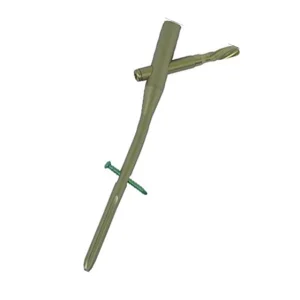
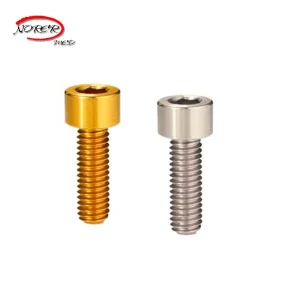
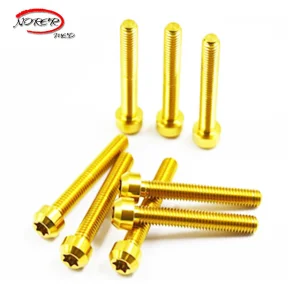
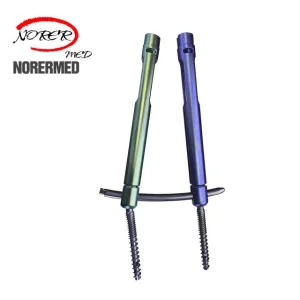
Exporting global-grade implants and biomechanical testing solutions from the heart of Changzhou, China.
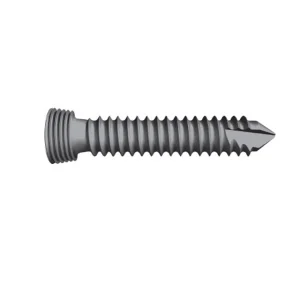
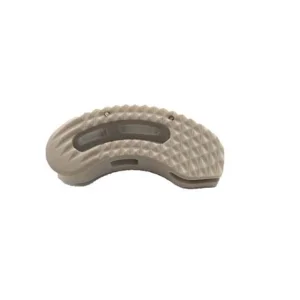
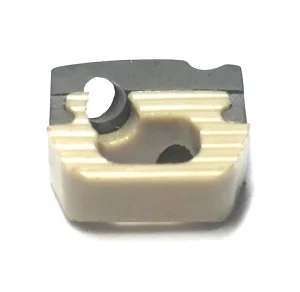
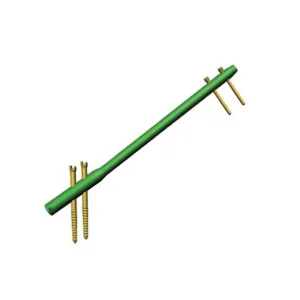
Established in the medical manufacturing hub of Jiangsu, China, DEON Medical (Changzhou) Co., Ltd. has evolved into a key player in the production and export of orthopedic implants. Our product line ranges from orthopedic trauma bone plates, bone screws, and interlocking nails to advanced spinal stabilization systems and cervical/lumbar PEEK cages. In parallel, our specialized engineering divisions develop, optimize, and export high-precision biomechanical testing equipment. This testing equipment allows global research facilities, clinical institutions, and manufacturers to validate implant integrity in accordance with strict international regulatory bodies.
Orthopedic devices operate in complex dynamic environments within the human and animal musculoskeletal systems. Every implant, whether a titanium locking screw or a lumbar PEEK cage, must undergo testing under simulated physiological loads to prevent structural failure. Static strength testing, dynamic fatigue evaluation, pullout force calibration, and torsional resilience measurements are required parameters to demonstrate safety.
China has established a complete manufacturing chain for raw materials (such as grade 23 Ti-6Al-4V ELI titanium and medical-grade PEEK polymer) and the associated validation machinery. Biomechanical testing equipment designed and exported from China provides international markets with cost-effective, high-throughput testing systems that comply with global mechanical testing standards.
| Testing Standard | Applicable Implants | Primary Physical Evaluators | Critical Target Metric |
|---|---|---|---|
| ASTM F543 | Metallic Bone Screws | Torsional Yield, Insertion Torque, Axial Pullout | Thread shear strength & bone grip resistance |
| ASTM F1717 | Spinal Implant Constructs | Static & Dynamic Compression Bending, Torsion | Fatigue limit at 5,000,000 run-out cycles |
| ASTM F382 | Metallic Bone Plates | Single-cycle Three-Point Bending, Fatigue Life | Flexural yield strength and fatigue resistance |
| ASTM F2077 | Intervertebral Fusion Devices | Static & Dynamic Shear Compression, Torsion | PEEK / Titanium cage structural compliance |
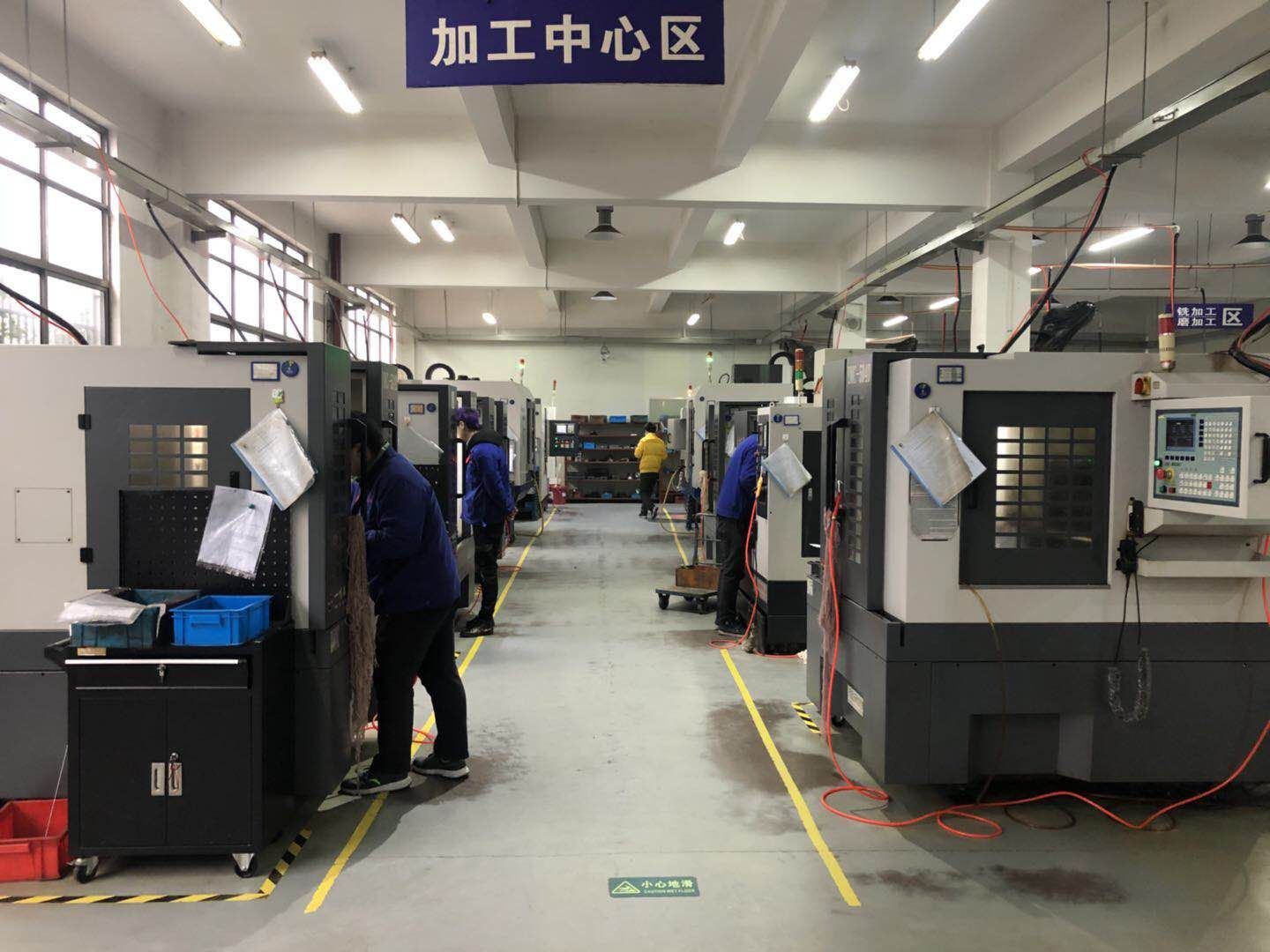
We perform extensive fatigue testing on all human and veterinary implants to guarantee structural safety under dynamic loading.
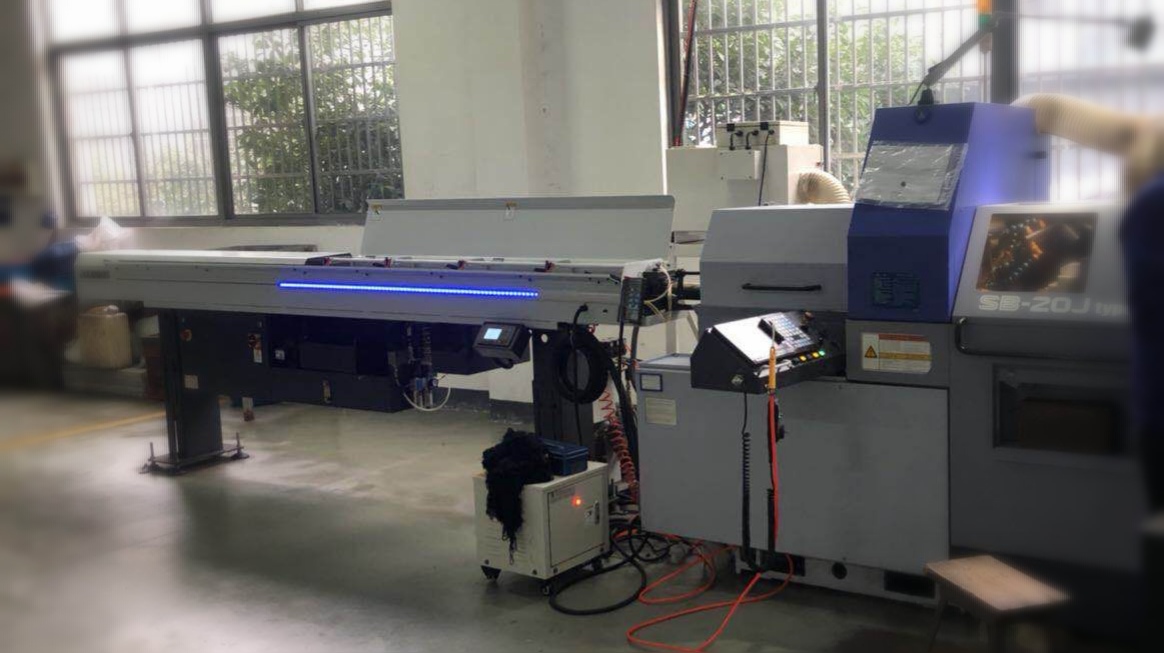
Analyzing key market drivers influencing global orthopedic procurement and biomechanical system design.
Modern clinical trials require high volumes of mechanical data. Automated multi-axis loading frames allow researchers to run continuous fatigue cycles on multiple implants simultaneously, accelerating regulatory submission timelines.
In-vitro evaluation of biomaterials requires testing under simulated physiological conditions. Chinese testing equipment exporters are integrating fluid chambers filled with Ringer's solution, maintained at a stable 37°C body temperature, to evaluate stress corrosion cracking.
The expansion of companion animal veterinary orthopedics has increased the demand for specialized, smaller-scale implants and testing fixtures. Systems configured for feline or canine bone geometry validation are seeing steady growth.
Sourcing components from one manufacturer and testing platforms from another can lead to integration and calibration challenges. To address this, Chinese exporters offer integrated solutions that group implant manufacturing with dedicated biomechanical validation software.
For example, when validating a Veterinary Orthopedic PEEK Lumbar TLIF Cage, the structural integrity of the PEEK-to-metal interface under cyclic shear loading is critical. By sourcing the PEEK raw material, utilizing high-precision CNC machining in Changzhou, and applying mechanical stress testing on matching specialized testing rigs, OEMs can maintain consistent traceability.
By integrating design software, FEA (Finite Element Analysis) simulation, and mechanical testing systems, we shorten validation cycles from months to weeks. Our testing equipment measures actual micro-strains under dynamic loads, allowing engineers to refine design parameters prior to clinical implementation.
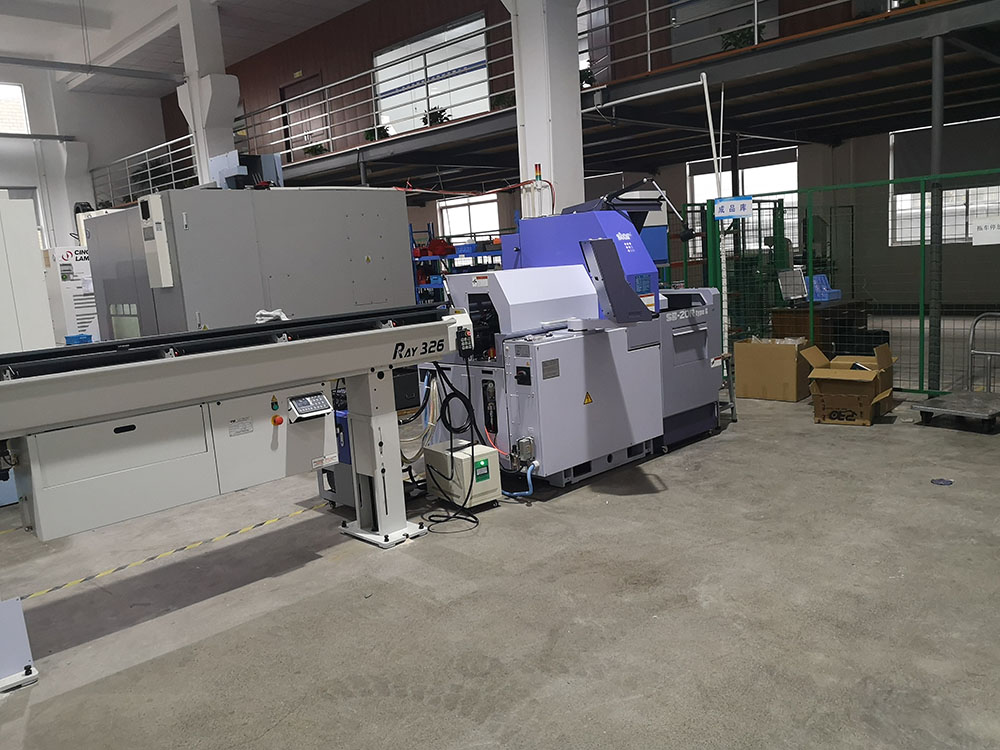
A look at the future of biomechanics, smart sensor integration, and regulatory validation protocols.
Integrating micro-machined force cells and optical strain gauges directly into testing fixtures to map real-time force distribution across orthopedic implants.
Combining physical test bench outputs with numerical Finite Element models to predict long-term stress fatigue without requiring full physical testing runs.
Developing specialized fixtures for 3D-printed trabecular porous titanium structures, helping manufacturers validate surface roughness and shear strength.
Compliance is a key factor when exporting testing equipment and implants. Under the EU Medical Device Regulation (MDR 2017/745) and the FDA's 510(k) pathway, manufacturers must provide fully documented, traceable testing reports.
DEON Medical ensures that all exported testing assemblies are calibrated to national standards. We provide comprehensive documentation packages, including IQ/OQ/PQ installation and operational qualifications. Additionally, we assist global purchasing agents with factory audits, compliance certifications, and material safety data sheets (MSDS) for all metal alloys and PEEK compounds.
Expert answers to common questions about biomechanical testing requirements and procurement.
Explore our highly reliable trauma, spinal, and veterinary implant components designed for long-term clinical stability.
 Deon Medical