Deon Medical
1. The Biomechanics and Clinical Significance of Bone Clamps
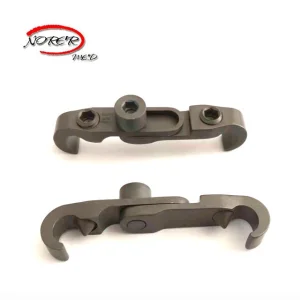
Within the discipline of orthopedic trauma surgery, the primary objective of osteosynthesis is to achieve anatomic reduction of bone fragments and stable internal fixation. Bone clamps, reduction forceps, and temporary stabilization assemblies are critical tools during this initial clinical phase. By offering external stabilization without compromising the biological vitality of the periosteum, high-grade clamping mechanisms allow for the accurate deployment of permanent osteosynthesis fixtures, such as intramedullary nails, distal locking screws, and anatomical bone plates.
Recent research in biomechanical engineering highlights the need for variable tension control within reduction clamps. Traditional high-compression clamps often run the risk of localized devitalization of the cortical bone by stripping or compressing the periosteal blood vessels. To prevent this, leading Chinese manufacturers, such as DEON Medical, utilize Finite Element Analysis (FEA) to design surface-optimized, low-contact clamp teeth. These advanced geometry teeth distribute mechanical clamping force evenly across the cortical diameter, reducing focal point stress while maintaining sufficient grip friction to resist axial torsional forces during bone drilling and screw insertion.
2. Sourcing from Changzhou: The Silicon Valley of Chinese Orthopedic Manufacturing
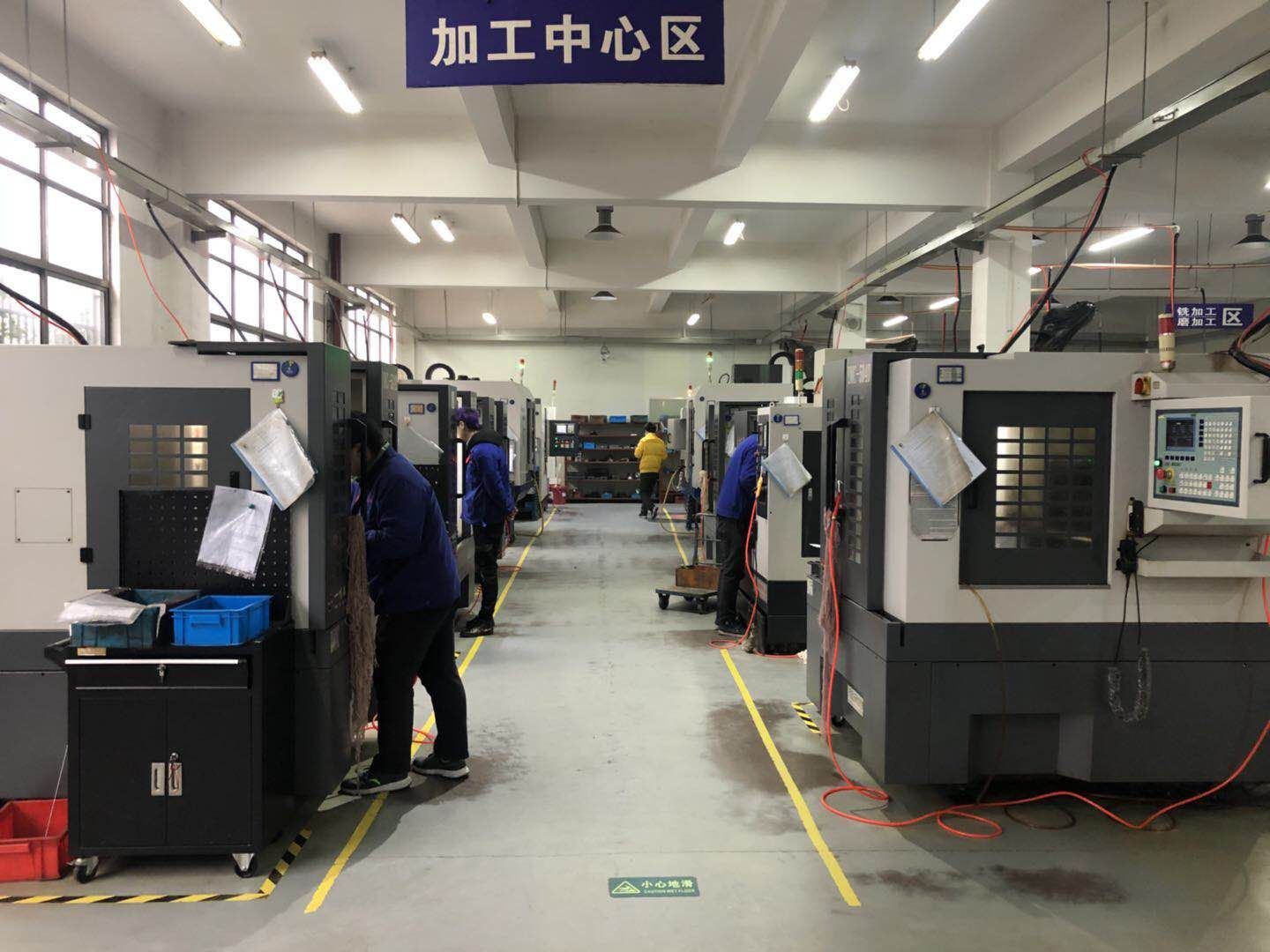
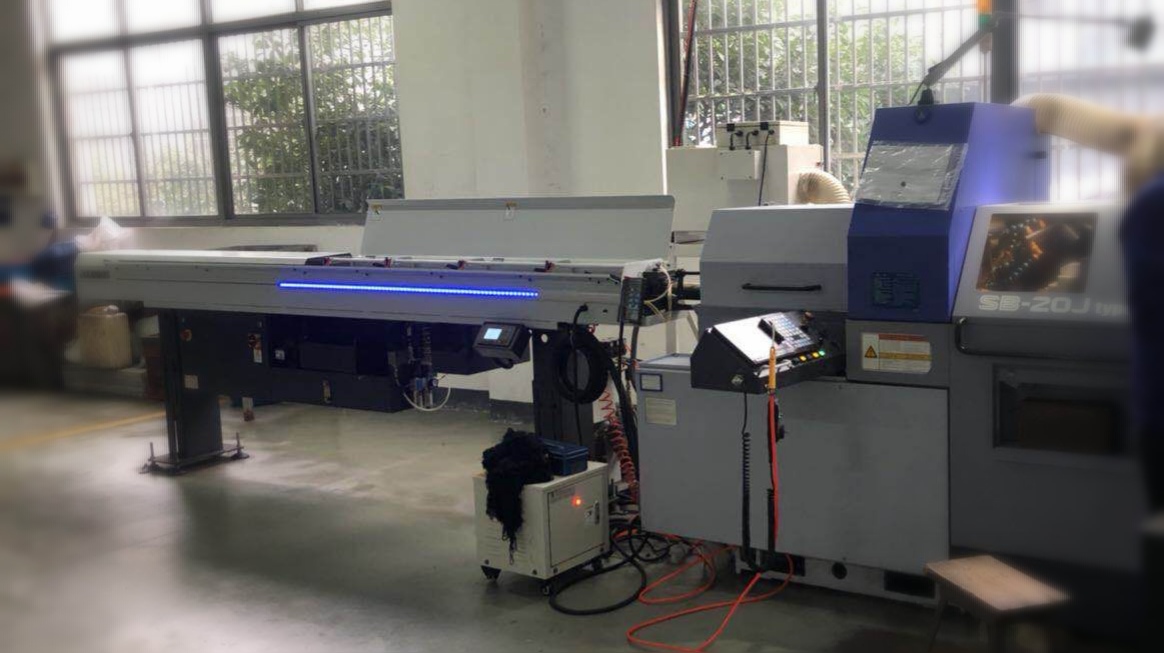
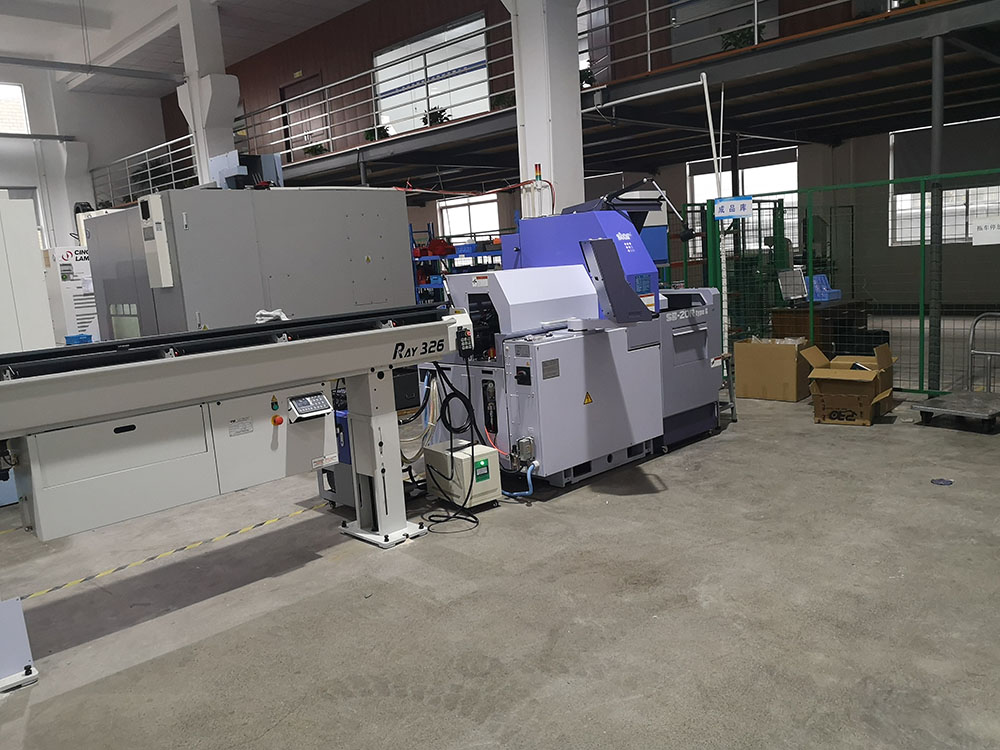
For B2B buyers, distributors, and healthcare systems, finding reliable, certified suppliers of orthopedic trauma devices is a strategic priority. Located in Jiangsu Province, Changzhou city has emerged as a premier cluster for medical device manufacturing in China. Known for its concentration of advanced mechanical engineering facilities and specialized talent, this industrial region provides a robust supply chain ecosystem that integrates raw materials, high-precision manufacturing, surface treatment, and quality assurance under one region.
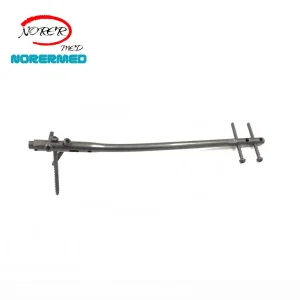
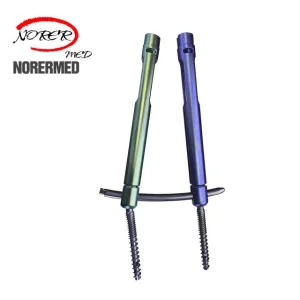
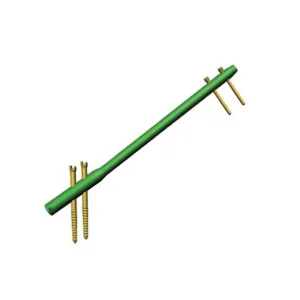
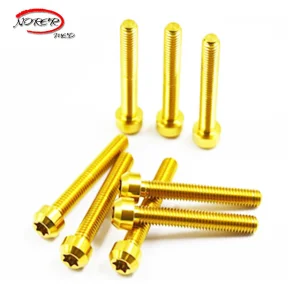
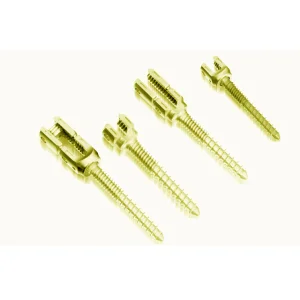
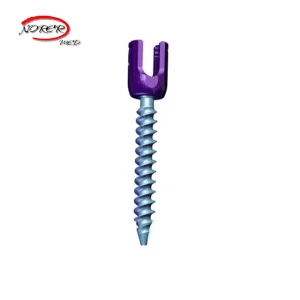
By leveraging this specialized manufacturing hub, DEON Medical (Changzhou) Co., Ltd. combines advanced manufacturing facilities with the flexibility of direct-to-market trading processes. This enables the production of high-precision components like titanium pedicle screws and GAMA interlocking nails at competitive scale-up costs, without compromising on materials verification or dimensional tolerances.
3. Advanced Metallurgical & Polymer Material Standards
The selection of medical-grade raw materials is foundational to the reliability and biocompatibility of any orthopedic device. The global supply network relies primarily on two materials:
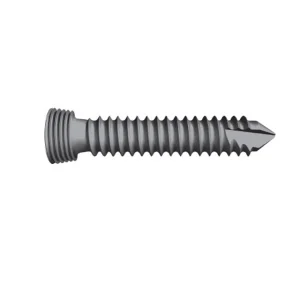
- Medical-Grade Titanium Alloys (Ti-6Al-4V ELI / ASTM F136): Preferred for high-load spinal pedicle screws, interlocking femoral and tibial nails, and cranial locks. Titanium alloys offer an excellent strength-to-weight ratio, high corrosion resistance, and superb biocompatibility. They facilitate natural osteointegration and present minimal artifacting under post-operative MRI scans compared to conventional stainless steel.
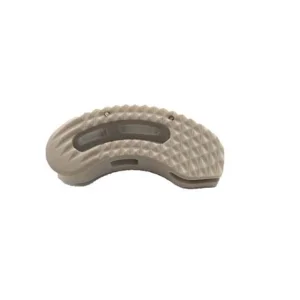
- Advanced Polyetheretherketone Polymers (PEEK / ASTM F2026): Extensively used in spinal interbody fusion cages (such as TLIF and ACIF cages) for both human and veterinary applications. PEEK offers a modulus of elasticity that closely mimics human cortical bone (approx. 3.6 GPa), reducing the risk of stress shielding and implant subsidence. Furthermore, its radiolucent property allows clinical teams to monitor bone bridge growth easily on radiography.