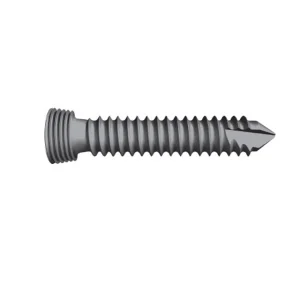
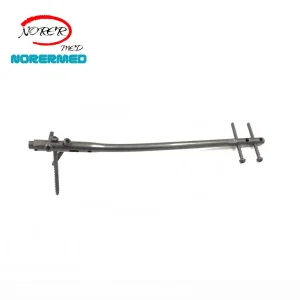
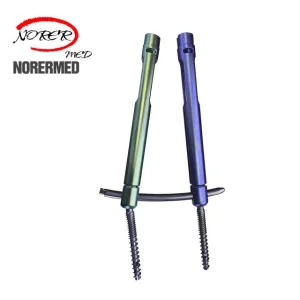
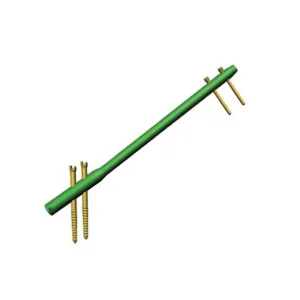
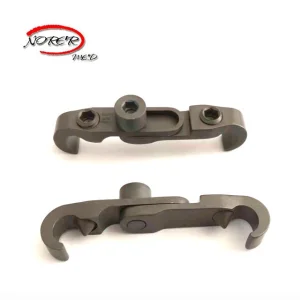
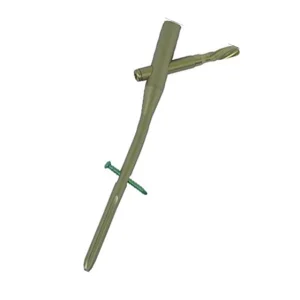
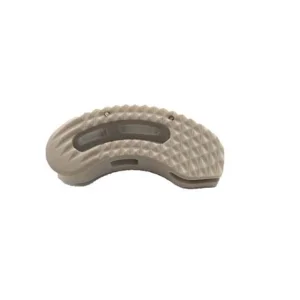
In modern reconstructive surgery and trauma management, Cast Systems have transcended their traditional definition of external plaster support. Today's clinical ecosystem defines cast systems as comprehensive anatomical containment and rigid stabilization matrices. These systems include implantable bone plates, intramedullary locking nails, spinal pedicle crosslinks, and structural polymer cages. Global medical device distributors, procurement leads, and orthopedic surgeons seek absolute reliability, load-bearing longevity, and biocompatibility in these components.
As clinical procedures shift toward minimally invasive surgeries (MIS), the demand for micro-engineered casting and Swiss CNC-machined orthopedic devices has surged. The global orthopedic device market relies heavily on a complex supply chain capable of manipulating hard-to-machine superalloys like Titanium (Ti-6Al-4V ELI) and advanced thermoplastics like Polyetheretherketone (PEEK). Factory sourcing teams now look for integrated plants that merge metallurgical expertise, high-precision machining, and strict ISO compliance to avoid clinical failures and regulatory delays.
Integrating cellular-friendly surface technologies such as anodic oxidation and acid-etching to enhance osseointegration, ensuring long-term structural fusion between implant systems and human/animal bone tissue.
Advanced fatigue testing platforms simulate millions of load-bearing cycles. This guarantees that intramedullary nails and vertebral pedicle screws maintain structural integrity under continuous dynamic stress.
Implementing optical comparator systems, coordinate measuring machines (CMM), and laser scanners to enforce tight dimensional tolerances, down to single-micron thresholds.
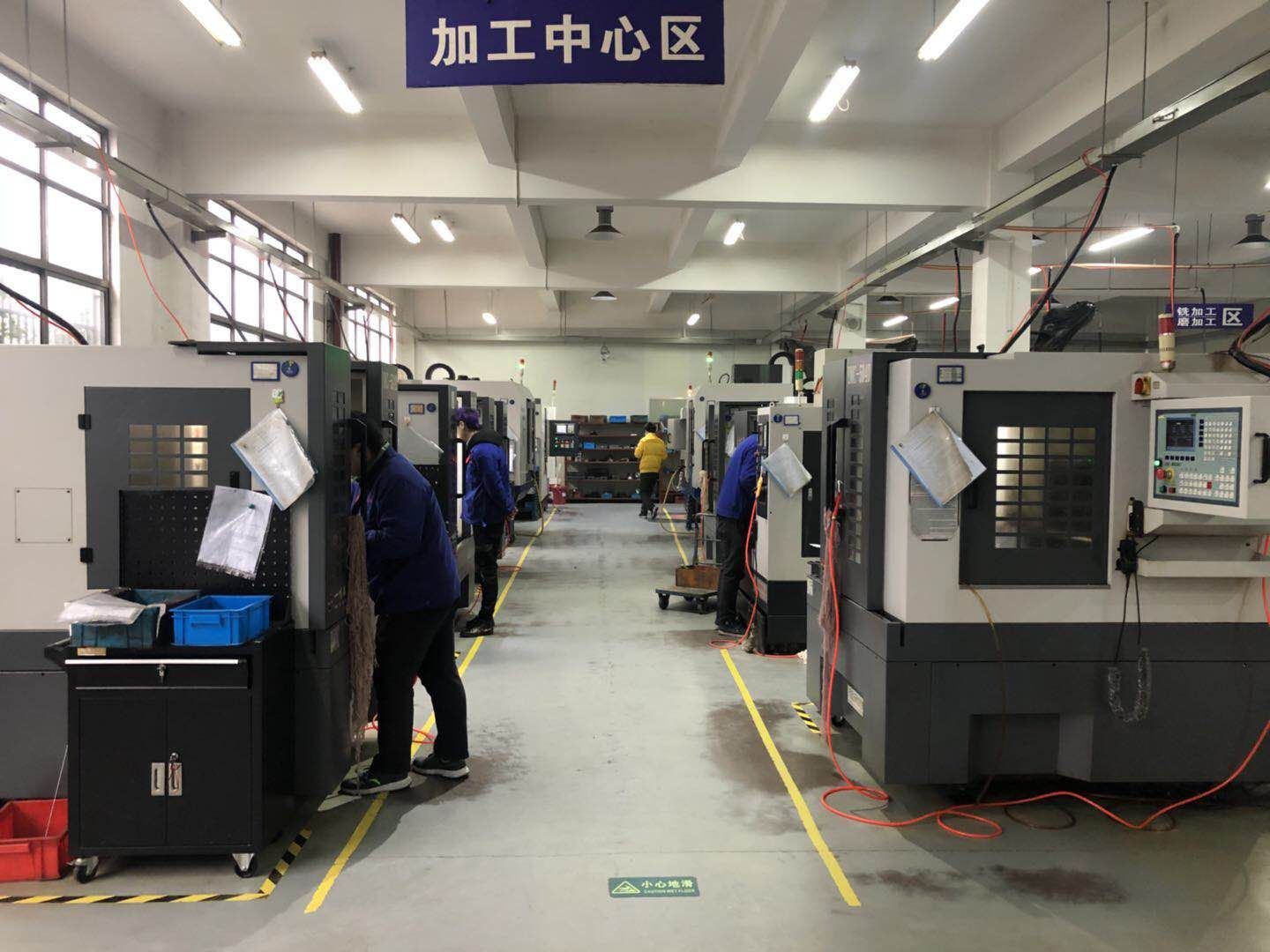
Jiangsu Province, and specifically the city of Changzhou, stands as a premier global hub for orthopedic manufacturing. The cluster effect in Changzhou provides unparalleled efficiencies in raw material sourcing, heat treatment, advanced surface finishing, and sterile packaging. This concentrated industrial ecosystem allows manufacturers like DEON Medical (Changzhou) Co., Ltd. to compress production lead times while maintaining a highly cost-competitive posture.
| Strategic Indicator | European / US Hubs | Changzhou Orthopedic Cluster (DEON Medical) | Clinical / Procurement Value |
|---|---|---|---|
| Raw Material Lead Time | 4 - 8 Weeks | 3 - 5 Days | Accelerates project launch cycles and reduces warehouse holding costs. |
| Machining Cost Efficiency | Baseline Cost Reference | 35% - 50% Reduction | Enables distributor margin optimization and affordable public healthcare bids. |
| Regulatory Turnaround | Fragmented Testing Phases | Integrated Testing Labs | Speeds up compliance checks for ISO 13485, CE, and national health registrations. |
| Swiss Turn-Mill Capacity | High setup times | High-volume automated lines | Consistent micro-screw thread pitch accuracy with minimal setup changes. |
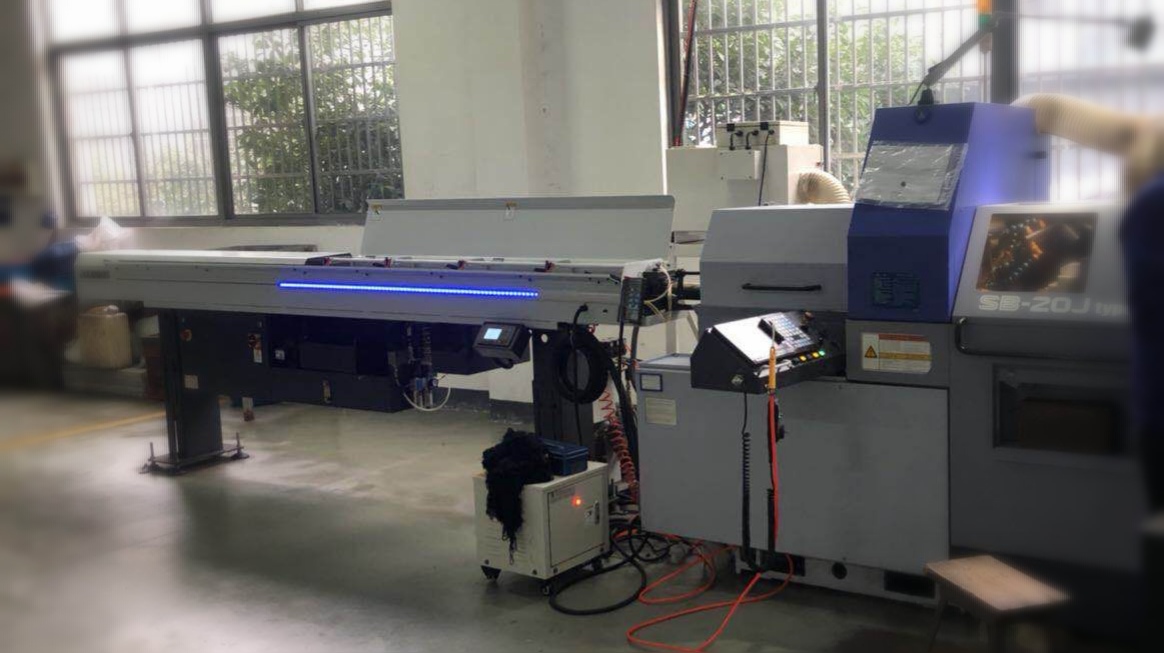
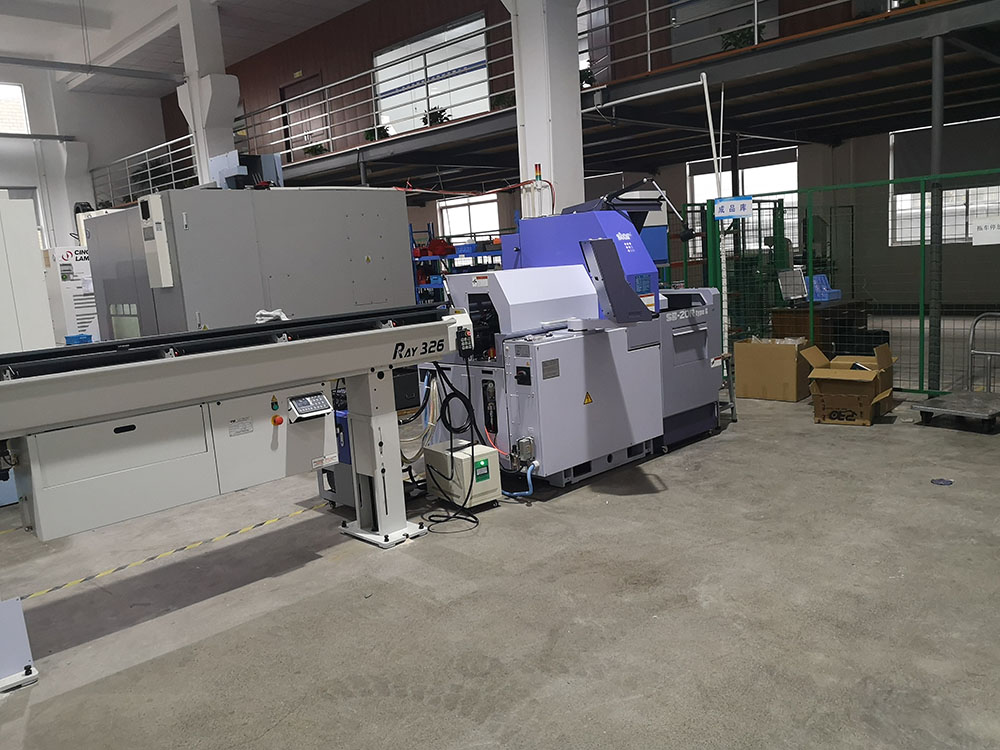
By co-locating raw material testing, Swiss-type CNC machining, and cleanroom packaging facilities, DEON Medical overcomes the bottlenecks that plague modern supply chains. Whether dealing with titanium locking screws or high-precision lumbar TLIF PEEK cages, the continuous workflow ensures that heat batches are tracked from forge to finished product, offering full traceability essential for global healthcare compliance.
The development of next-generation cast systems involves advanced material science and surface treatments. Standard titanium implants must be carefully processed to balance tensile strength with ductility, ensuring they do not experience premature stress shielding. Below is the technical roadmap highlighting the transition from raw feedstock to high-performance implantable assemblies.
Sourcing premium Ti-6Al-4V ELI (ASTM F136) and medical-grade PEEK (ASTM F2026). Each batch undergoes ultrasonic testing to identify internal voids and inclusions before processing.
Utilizing high-axis Swiss turn-mill machines to manufacture complex geometries, including self-tapping screw threads and polyaxial pedicle heads, in a single setup to minimize tolerance accumulation.
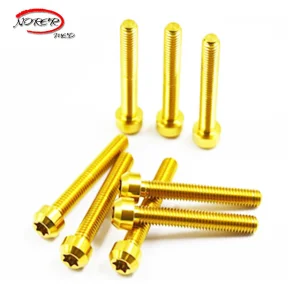
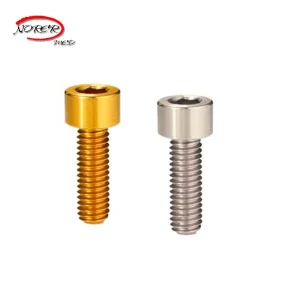
Implanting electrochemical color anodization (Type II anodization) to build a stable titanium dioxide protective layer, reducing ion release and color-coding parts for easy identification during surgery.
Products are cleaned using multi-stage ultrasonic baths, inspected under cleanroom conditions (Class 100,000 / ISO Class 8), and packaged to prevent particle contamination.
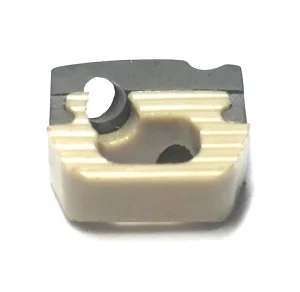
For spinal and joint reconstructive components, the interface between the implant and host bone is critical. PEEK cages, such as the ACIF and TLIF systems, utilize advanced micro-grooved surface topologies that match the elasticity modulus of natural bone. This reduces the risk of implant subsidence and promotes early spinal fusion.
Orthopedic implants must perform reliably under diverse clinical conditions. Standard cast systems must adapt to both human skeletal patterns and the unique anatomical configurations of veterinary patients. The biomechanical demands placed on these stabilization implants vary significantly depending on the target anatomy.
In human applications, implants like the Femoral Interlocking Nail GAMA and Tibial Interlocking Nail System manage high-energy rotational and axial stresses. These designs allow for early patient mobilization by transferring load forces directly across the fracture site, which helps minimize muscle atrophy during recovery.
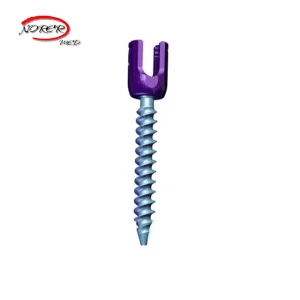
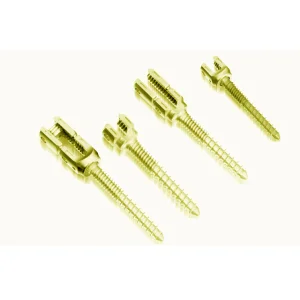
For spinal surgeries, our low-profile uniplanar and polyaxial spinal pedicle screws stabilize the vertebral column while preserving segment mobility wherever possible.
Veterinary orthopedics involves unique mechanical demands. Quadruped biomechanics distribute loads differently than bipedal systems, requiring high fatigue resistance. Implants like the Veterinary Minimally Invasive Spinal Titanium Pedicle Screw and specialized PEEK Lumbar Cages are sized and pre-bent to match the skeletal geometries of canine and feline patients.
Using titanium and PEEK materials helps prevent post-surgical infections and tissue rejection in small animals, leading to more predictable recovery outcomes.
Navigating international medical device distribution requires strict compliance with varying regulatory frameworks. High-quality manufacturing must be paired with comprehensive certification support, material reports, and documentation.
All medical-grade titanium and polymer profiles are supplied with complete chemical and physical analysis reports (including mill certificates), ensuring raw material purity and tracking back to the source melt.
Using 3D CAD modeling and CAM software, our engineering team modifies thread profiles, bone plate curvatures, and instrument sets to meet specific clinical preferences or local anatomy demands.
Implants can be supplied clean or in sterile packaging (gamma or EtO sterilization), with long-term barrier protection to maintain sterility during shipping and storage.
 Deon Medical