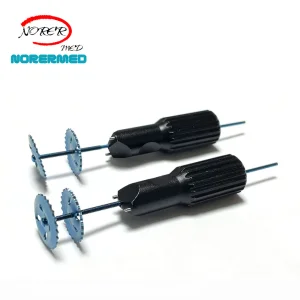
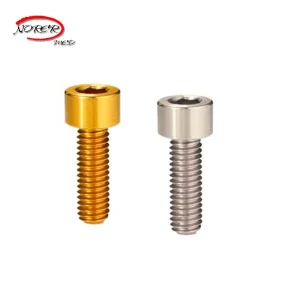
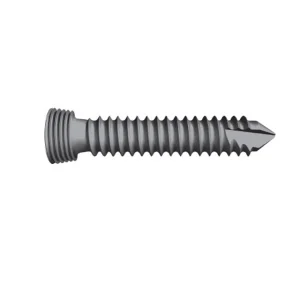
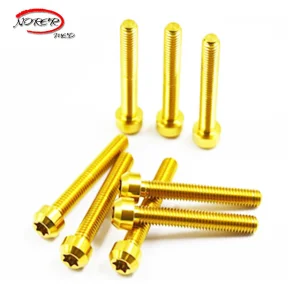
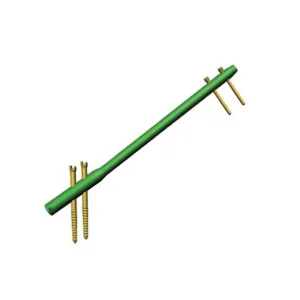
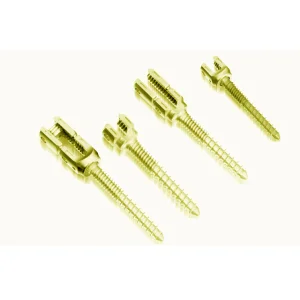
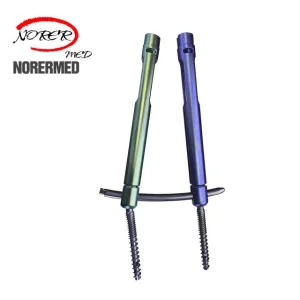
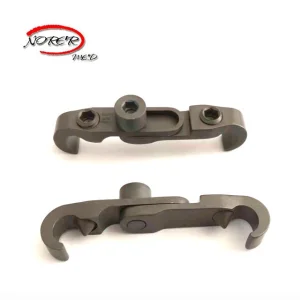
Explore our high-precision implants engineered to meet strict international standards for surgical biomechanics and biological safety.
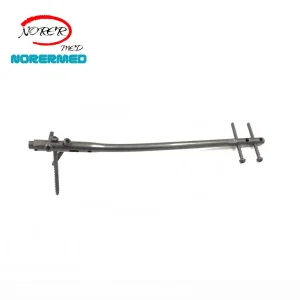
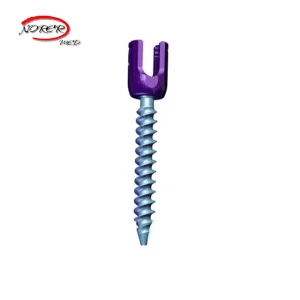
An in-depth engineering assessment of load distributions, mechanical biocompatibility, and metallurgical structural integrity.
Cranial plates and locks require mechanical stiffness that matches the physiological characteristics of the human skull. If the implant material is too stiff, it causes stress shielding, a phenomenon where the surrounding bone is deprived of natural physiological stress, leading to localized osteopenia and bone resorption.
Our manufactured Titanium Cranial Skull Locks maintain a optimized elasticity modulus that bridges the gap between grade 5 titanium alloy (Ti-6Al-4V ELI) and human cranial cortical bone, ensuring high tensile security with minimum bone density decay over time.
Neurosurgical fixation devices must endure corrosive physiological environments containing rich chloride ions and oxygen radicals. Standard metals trigger macrophage activation, leading to persistent aseptic inflammation.
By leveraging advanced anodizing processes, we construct a passive, highly stable Titanium Oxide (TiO2) layer. This layer prevents metal ion release, eliminates local tissue pigmentation, and acts as a foundation for rapid soft tissue integration and osteoblast migration over the margins of the cranial bone flap.
In modern oncology and trauma reconstructive surgeries, follow-up imaging via Magnetic Resonance Imaging (MRI) or Computed Tomography (CT) is vital. Standard metallic implants induce scattering and halo artifacts, obscuring clear views of critical structures.
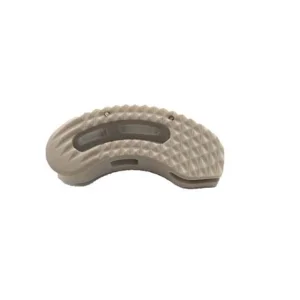
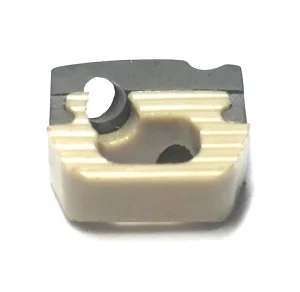
To address this, our medical cages and customized plates utilize high-grade PEEK (Polyetheretherketone). This biomaterial exhibits native radiolucency and a mechanical modulus highly similar to human bone tissue, ensuring distortion-free diagnostics during post-operative scans.
Human cortical bone features an elastic modulus of approximately 10 to 30 GPa. While titanium alloy sits at 110 GPa, clinical PEEK delivers 3 to 4 GPa. Designing hybrid titanium-PEEK systems ensures structural stability during mechanical impact, while retaining low-stress profile parameters to encourage natural bone healing.
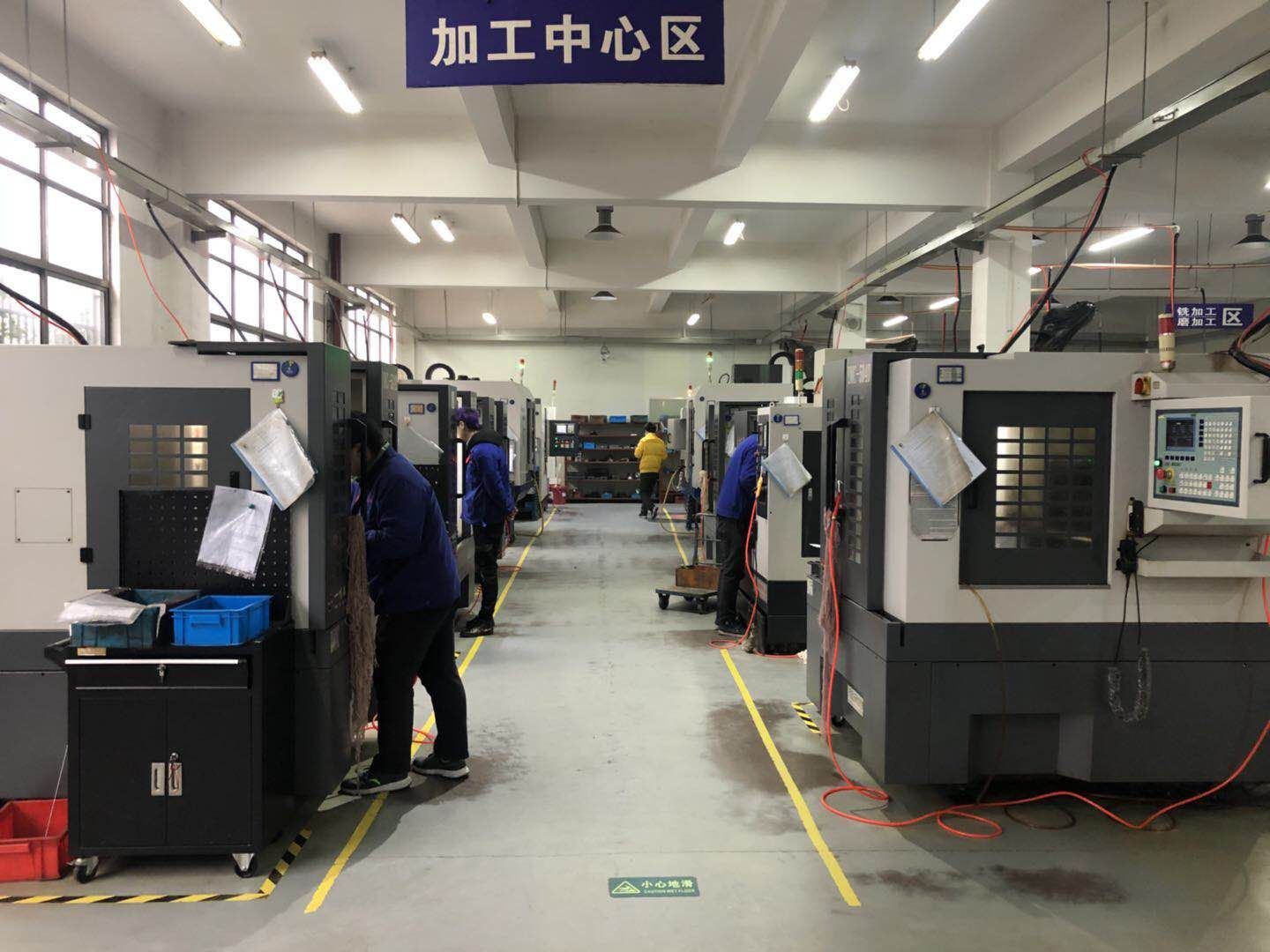
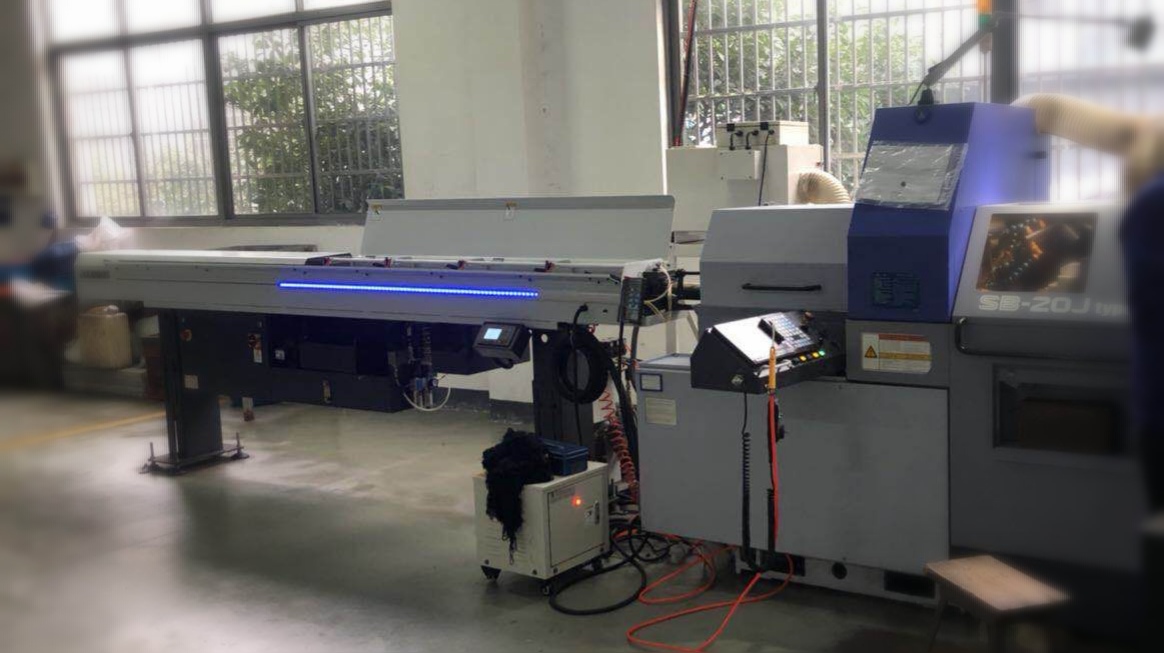
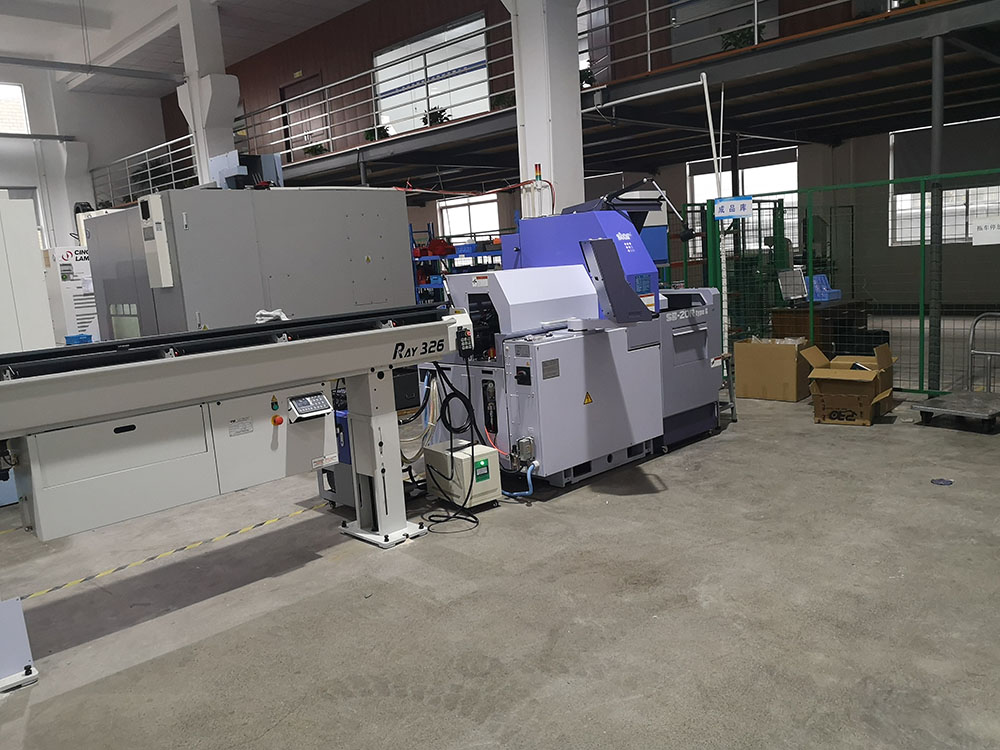
Direct from Changzhou, China – integrating high-precision Swiss CNC engineering with cleanroom manufacturing environments.
| Company Name | DEON Medical (Changzhou) Co., Ltd. |
|---|---|
| Headquarters & Hub | Changzhou City, Jiangsu Province, China (The premier orthopedic implant industrial cluster) |
| Core Manufacturing Range | Orthopedic Trauma bone plate, bone screw, cranial locks, orthopedic Interlocking nail, orthopedic spine pedicle screw, Cervical Plate, PEEK cervical & lumbar cage, and customized trauma equipment systems. |
| Total Workforce Capacity | 11 - 50 Highly Specialized Technical Engineers and QC Personnel |
| Business Classification | Manufacturer & Technical Trading Partner with direct manufacturing control and global logistics coordination. |
| Established Track Record | Over 10 Years of continuous development, R&D innovation, and global compliance export experience. |
DEON Medical (Changzhou) Co., Ltd. is a leading manufacturer of high-precision orthopedic implants and neurosurgical fixation devices. Operating in Changzhou, the heart of China’s medical manufacturing cluster, we utilize Swiss-type CNC automatic lathes, advanced electrochemical treatment stations, and Class 10,000 cleanrooms to produce biocompatible devices for both human and veterinary applications.
How localized industrial ecosystems drive down lead times and ensure surgical product consistency.
Precision is non-negotiable for cranial screws and skull lock systems. Standard tolerances often cause micro-movement during osteogenesis, leading to implant loosening.
Our factories use Swiss-type multi-axis CNC machines capable of holding dimensional tolerances within ±0.005 mm. This guarantees that internal locking mechanisms, threads, and driver interfaces function reliably during stressful intraoperative maneuvers.
By sourcing raw titanium ingots and PEEK granules from accredited, audited suppliers in nearby technological zones, DEON Medical reduces volatile transit times and maintains consistent quality.
Every material batch includes chemical composition reports, microstructure analyses, and mechanical properties certificates. This ensures that every finished implant matches international ASTM F136 and ASTM F67 specifications.
Microbial contamination poses a severe risk in neurosurgical procedures. Our cleanroom facilities limit airborne particulates during the critical washing, passivating, and packaging steps.
Through rigorous monitoring, we ensure that bioburden counts are minimized. This reduces pyrogenic risks during end-user autoclave processes or sterile-barrier validations.
Crucial frameworks for hospital procurement managers, distributors, and OEM buyers evaluating neurosurgical suppliers.
Evaluating suppliers in the medical device sector requires a systematic approach. Beyond unit cost, procurement agents must evaluate product reliability, long-term biocompatibility, and regulatory compliance.
A sound strategy involves establishing a Total Cost of Ownership (TCO) matrix. This matrix accounts for manufacturing lead times, customs clearance, regulatory audit assistance, and clean-packaging configurations.
Ensure the manufacturer provides complete material certificates (ASTM F136), bioburden testing, and ISO 13485 certifications to minimize importing delays.
Select manufacturers that offer both large-batch production and flexible small-batch options for specialized, low-demand implants.
Check that connection interfaces, screw heads (torx, hex, square), and plate geometries match your existing surgical instrument sets.
Review parameters for double-sterile protective packaging, gamma irradiation options, and autoclave instructions for non-sterile items.
Meeting ISO 13485, CE MDR, and FDA frameworks to ensure safe clinical outcomes.
ISO 13485:2016 establishes the quality framework for medical device manufacturing. It enforces strict design control, environmental controls, device tracking, and post-market surveillance.
DEON Medical operates with a documented quality management system. This ensures that every process, from CNC programming to electrochemical passivation, is recorded and traceable back to the raw material heat number.
The transition from MDD to MDR in the European Union has raised the requirements for clinical evidence and risk assessment. Class III and Class IIb implantable devices must demonstrate clinical benefit and safety.
Our engineering teams verify our cranial locks and plates through mechanical testing, including static fatigue and dynamic compression tests under simulated physiological conditions.
All patient-contact products undergo evaluation according to ISO 10993. This includes in vitro cytotoxicity testing, intracutaneous reactivity evaluations, and acute systemic toxicity profiles.
By controlling our surface finish quality and using automated multi-stage ultrasonic washing systems, we remove machining oils and micro-particles, protecting patients from local inflammatory responses.
Exploring additive manufacturing, bio-absorbable polymers, and smart telemetry solutions for cranial reconstruction.
Standard circular or mesh plates require contouring during surgery, which can weaken the metal. Future systems utilize patient CT scans to 3D print titanium mesh plates via electron beam melting (EBM) or selective laser sintering (SLS). This matches the patient's unique skull curvature, reducing operating times and improving cosmetic outcomes.
Pediatric cranial fixation presents a unique challenge: implants must support the bone during healing, but must not restrict skull growth. Developing biodegradable materials like poly-L-lactic acid (PLLA) and polyglycolic acid (PGA) allows the implant to gradually degrade into harmless carbon dioxide and water as the bone heals, eliminating the need for a second extraction surgery.
Integrated telemetry features micro-sensors within the cranial plate to measure intracranial pressure (ICP), temperature, and bone healing progress. This data is transmitted wirelessly to clinician devices, allowing for early detection of post-operative infections, hemorrhages, or healing delays.
Technical and regulatory answers regarding material sourcing, sterile handling, and implant mechanics.
Providing high-precision hardware designed to restore stability and support natural bone healing.
 Deon Medical