Modern orthopedic joint arthroplasty demands the absolute highest levels of biocompatibility, mechanical durability, and precision manufacturing. As global clinical networks seek reliable partners, identifying the top trusted knee prosthesis manufacturers & factories is crucial for securing safe, long-lasting implant materials. Below is our curated, premium selection of orthopedics, trauma plates, and specialized veterinary implant systems manufactured under strict ISO 13485 regulations.
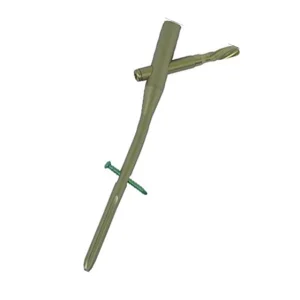
The global knee prosthesis market is experiencing unprecedented demand driven by aging populations, rise in musculoskeletal disorders, and an increasing clinical preference for early-intervention joint reconstructions. Total Knee Arthroplasty (TKA) is recognized globally as one of the most successful surgical procedures, restoring mobility and eliminating debilitating pain. However, the economic pressures on healthcare systems require medical device procurers to source high-grade implants that combine high mechanical performance with cost-efficiency.
To stay competitive, top trusted knee prosthesis manufacturers utilize advanced metallurgy, including medical-grade titanium (Ti-6Al-4V ELI) and Cobalt-Chromium (CoCr) alloys. Furthermore, the integration of ultra-high-molecular-weight polyethylene (UHMWPE) inserts with vitamin E stabilizers has emerged as a gold standard to minimize polyethylene wear and joint loosening over time. As global supply lines diversify, hospitals, medical institutions, and distributors are turning to advanced manufacturing clusters in China, where manufacturing precision merges with highly optimized production ecosystems.
Modern joint replacements succeed or fail based on how well the implant integrates with the biological host tissue. The core components of a total knee replacement system include the femoral component, tibial tray, patellar button, and articular insert. Each component must undergo rigorous multi-axis fatigue testing to withstand millions of cycles of physiological loading (gait, flexion, and rotation).
Implant surfaces are treated with plasma-sprayed titanium or hydroxyapatite (HA) coatings. These microporous structures stimulate rapid bone ingrowth, eliminating the need for bone cement in many active patients.
By utilizing highly cross-linked polyethylene, the sliding friction between the metallic femoral component and the tibial tray is reduced to near-biological levels, preventing osteolysis.
Passivation and electro-polishing create an inert chrome-oxide or titanium-dioxide layer, which prevents metal ion release in the biological environment, avoiding adverse tissue reactions.
Over the past two decades, China has evolved from a basic parts manufacturer to the world's leading hub for high-precision orthopedic contract manufacturing. Cities like Changzhou, Jiangsu Province, have established massive industrial medical device parks. This geographic concentration groups raw material suppliers, forging houses, high-end multi-axis CNC machining factories, and regulatory laboratories in immediate proximity, leading to unmatched logistical efficiencies.
For international procurers, sourcing from a dedicated Chinese orthopedic manufacturer like DEON Medical offers structural advantages:
Orthopedic implants are widely distributed across two primary fields of application, both demanding identical physical perfection:
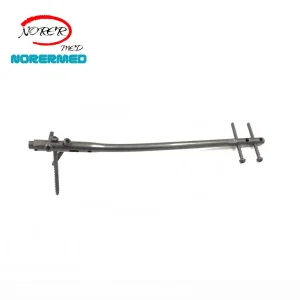
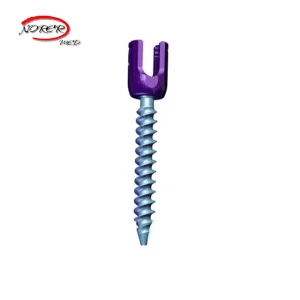
In humans, implants must manage complex kinematics and cyclic loading over decades. These systems include total knee components, femoral interlocking nails for high-impact trauma recovery, and pedicle systems for spinal stabilization.
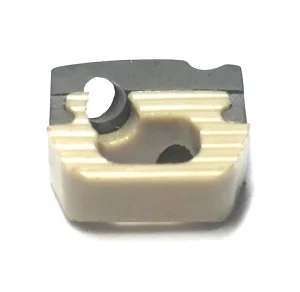
Veterinary surgery has undergone a massive technological shift. High-precision PEEK cages, spinal fixation plates, and pediatric-scale locking screws are utilized for small animal osteotomies and large animal reconstructive procedures, calling for adaptive manufacturing lines.
DEON Medical (Changzhou) Co., Ltd. is a leading specialist manufacturer and strategic supplier of orthopedic trauma solutions based in the industrial medical cluster of Jiangsu, China. For over 10 years, DEON Medical has partnered with medical distributors, clinics, and veterinary hospitals globally, establishing a reputation for reliable product quality and precise production engineering.
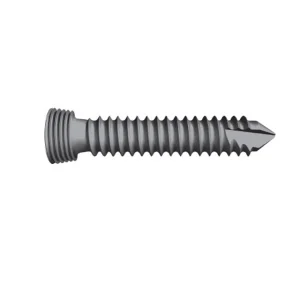
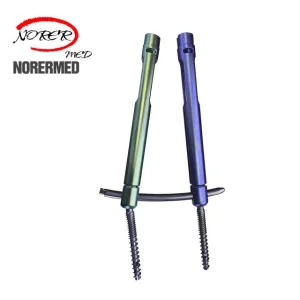
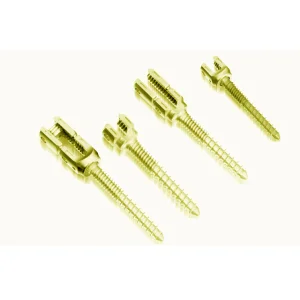
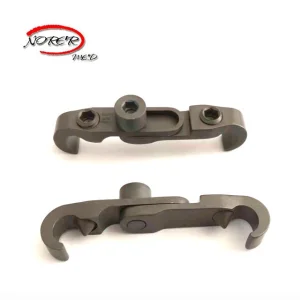
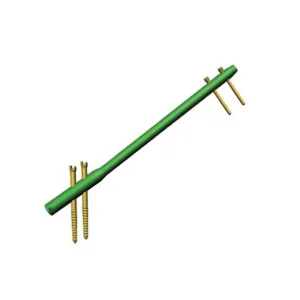
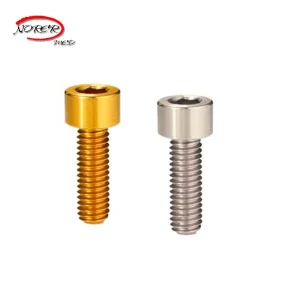
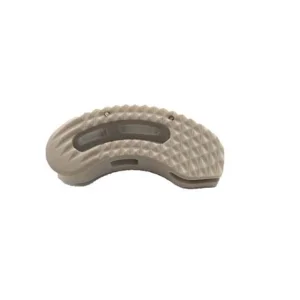
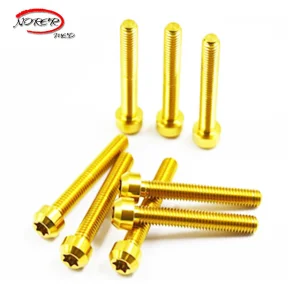
The company's catalog covers crucial areas of trauma surgery, including titanium trauma bone plates, medical-grade bone screws, orthopedic interlocking nails, spinal pedicle systems, cervical plates, and bio-stable PEEK cervical and lumbar fusion cages.
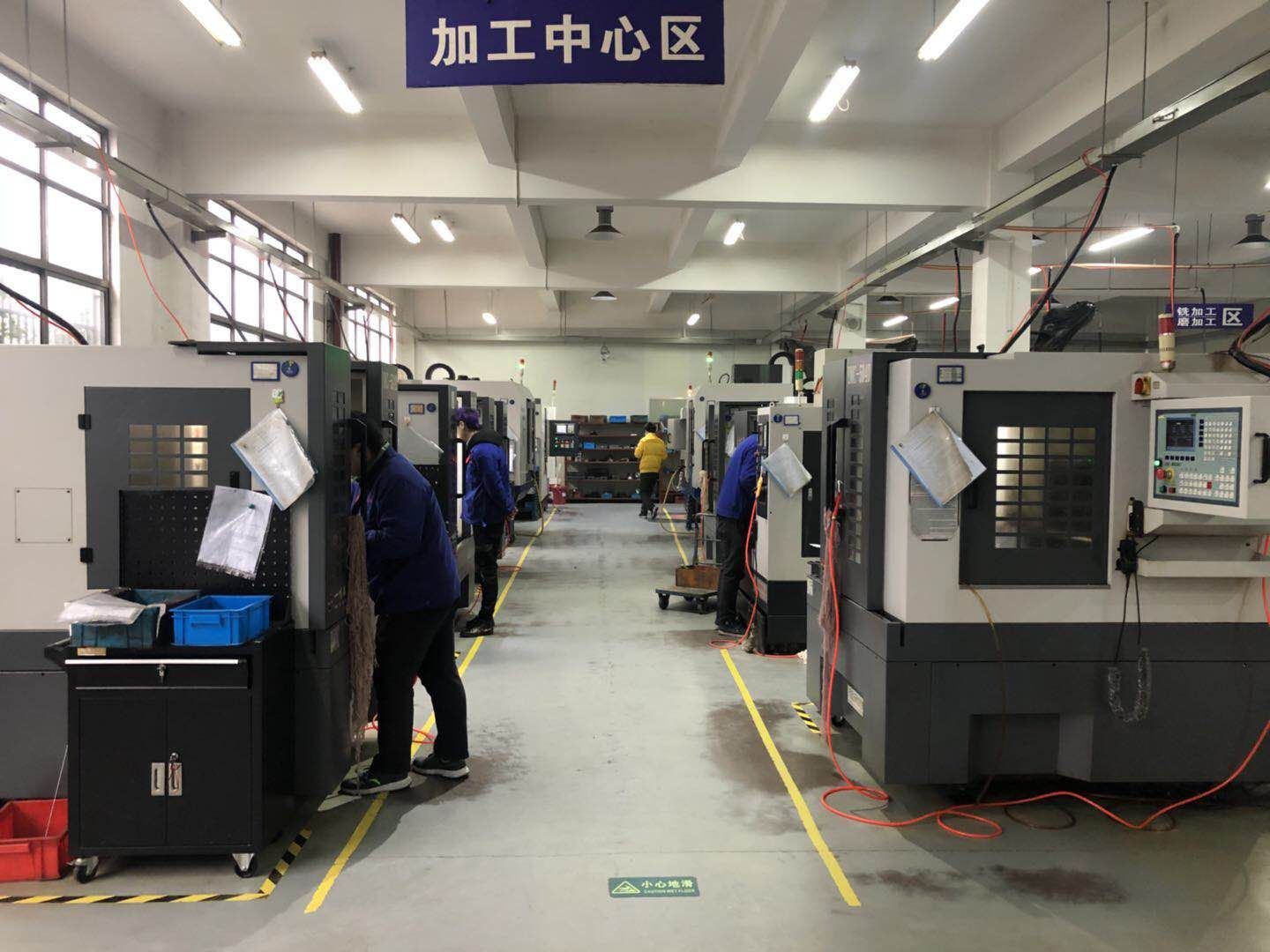
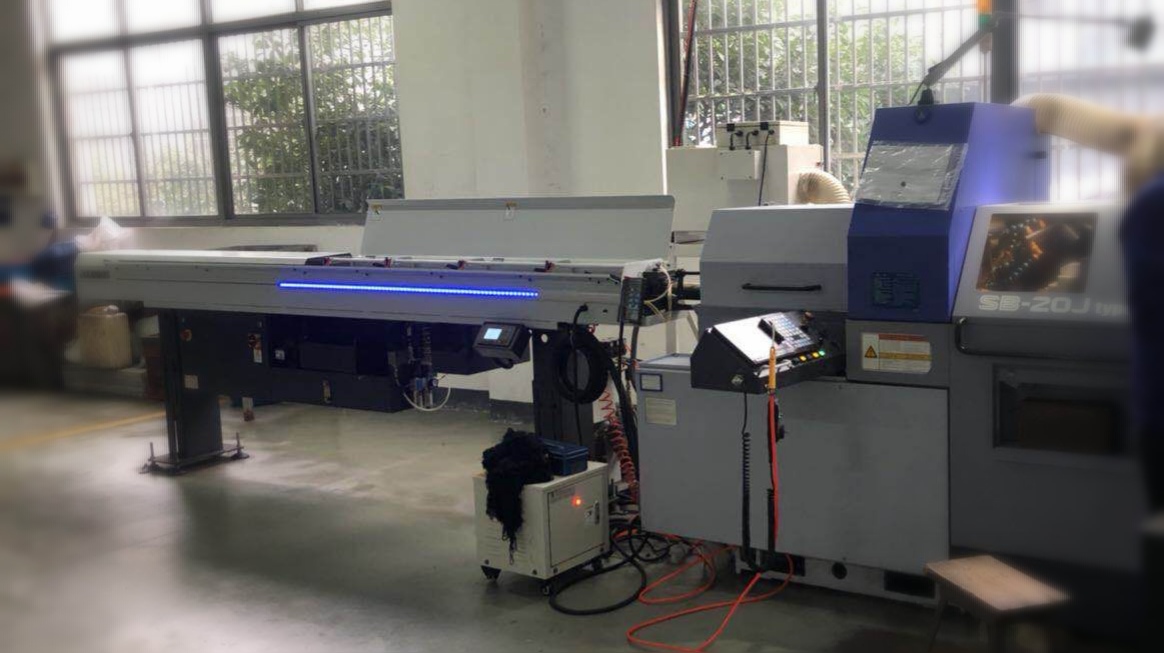
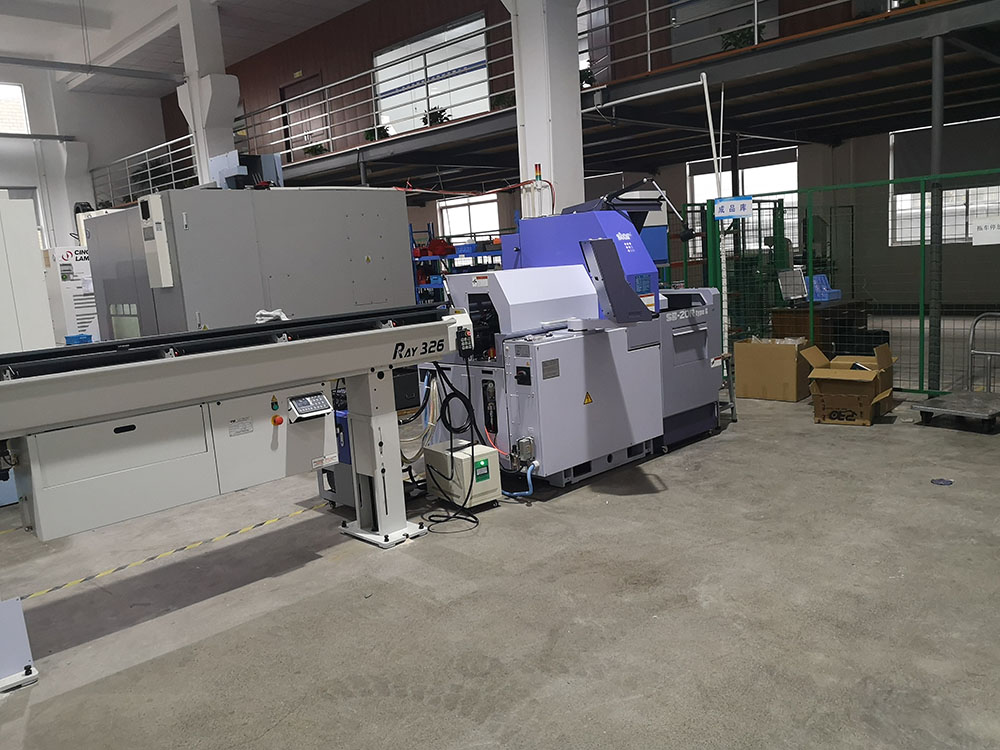
Review our comprehensive portfolio of trauma nails, spinal pedicle components, bone screws, and veterinary solutions below. Each product is engineered to ensure optimal clinical outcomes and precise fitment.
 Deon Medical