Direct supply paths for precision-machined orthopedic and cranial intervention hardware, certified for high-load human and veterinary configurations.
Neurosurgical interventions represent the pinnacle of modern surgical precision. Implants designed for cranial reconstruction, vertebral arthrodesis, and spinal column stabilization must endure complicated dynamic loads while maintaining absolute biological safety. The margin for error is non-existent. When managing structural pathologies in critical neurovascular regions, the selection of raw materials, manufacturing tolerances, and surface morphology determines patient survival rates and long-term implant integration.
Information Gain Perspective: Current clinical research emphasizes that the mechanical mismatch between metallic instrumentation and natural bone tissue is a primary driver of implant failure. By utilizing PEEK (Polyetheretherketone) and Grade 5 ELI Titanium (Ti-6Al-4V), leading manufacturers minimize stress shielding, enhance radiolucency, and promote early osteointegration.
For cranial and vertebral implants, two dominant materials command the industrial production landscape: Titanium alloys (specifically ASTM F136 / ISO 5832-3 Ti-6Al-4V) and high-performance polymers (PEEK). Titanium remains the premier choice for locking screws, pedicle systems, and intramedullary interlocking nails because of its excellent tensile strength, fatigue resistance, and natural passivation layer that forms immediately upon exposure to oxygen.
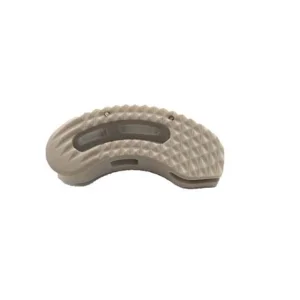
However, PEEK exhibits an elastic modulus (3.6 GPa) closely matching human cortical bone, which makes it ideal for interbody devices, such as the Chinese High Quality Veterinary Orthopedic PEEK Lumbar TLIF Cage or the CHINA High Quality Veterinary Orthopedic ACIF PEEK Locking Infusion Cage for Cervical. Its radiolucent nature allows surgeons to monitor bone growth through plain radiography and CT scans without the visual scattering caused by metallic implants.
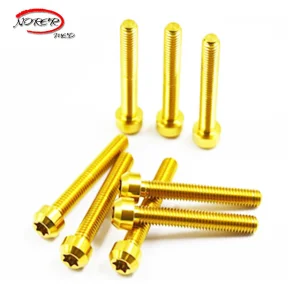
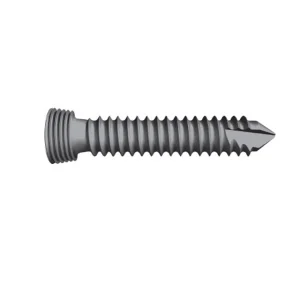
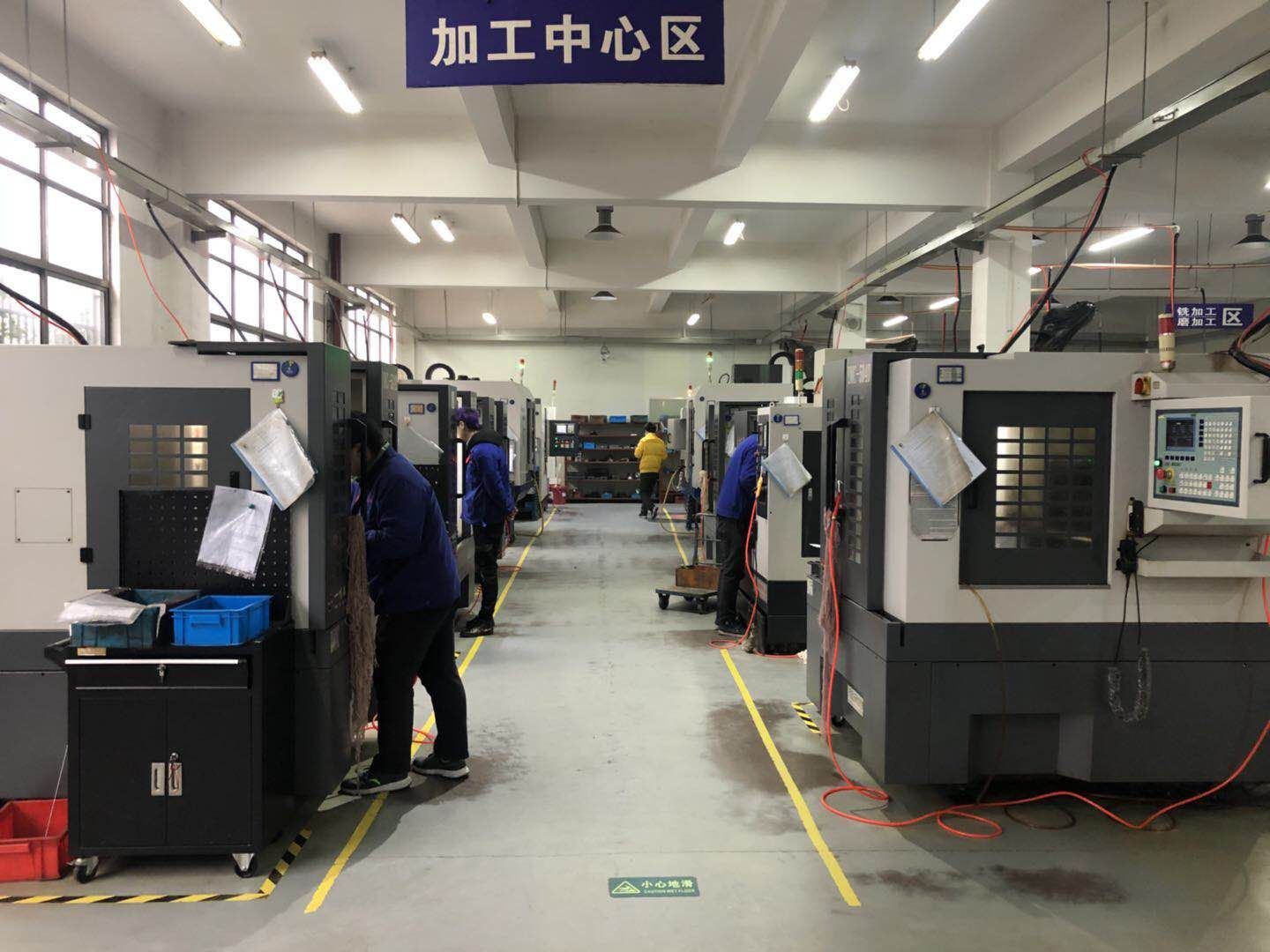
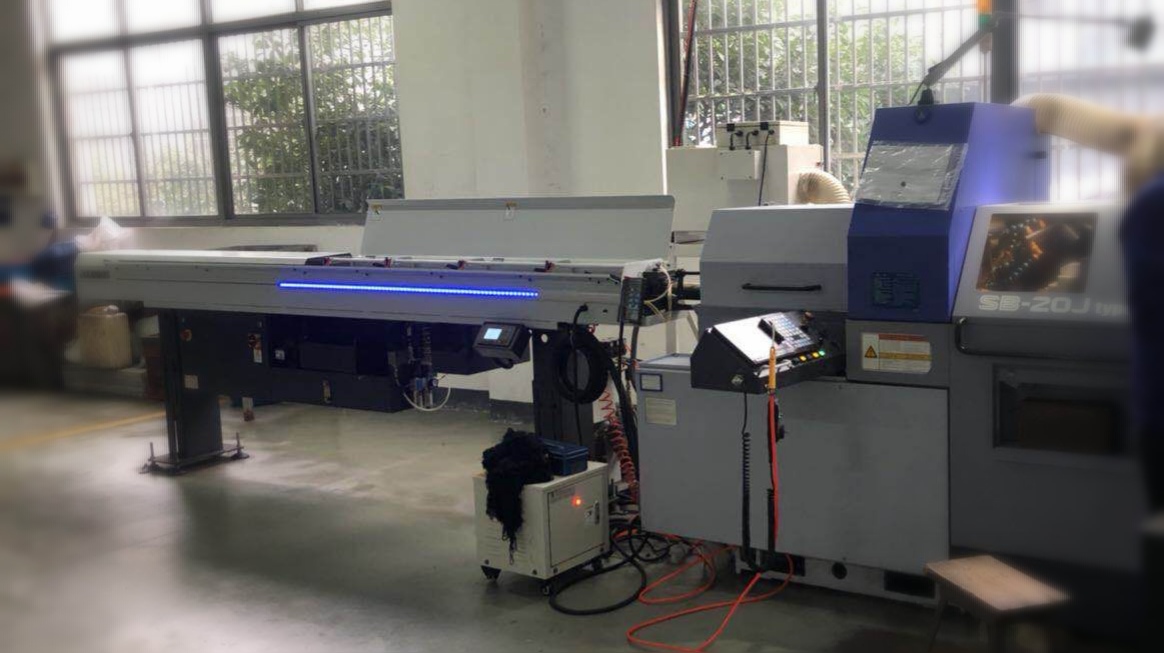
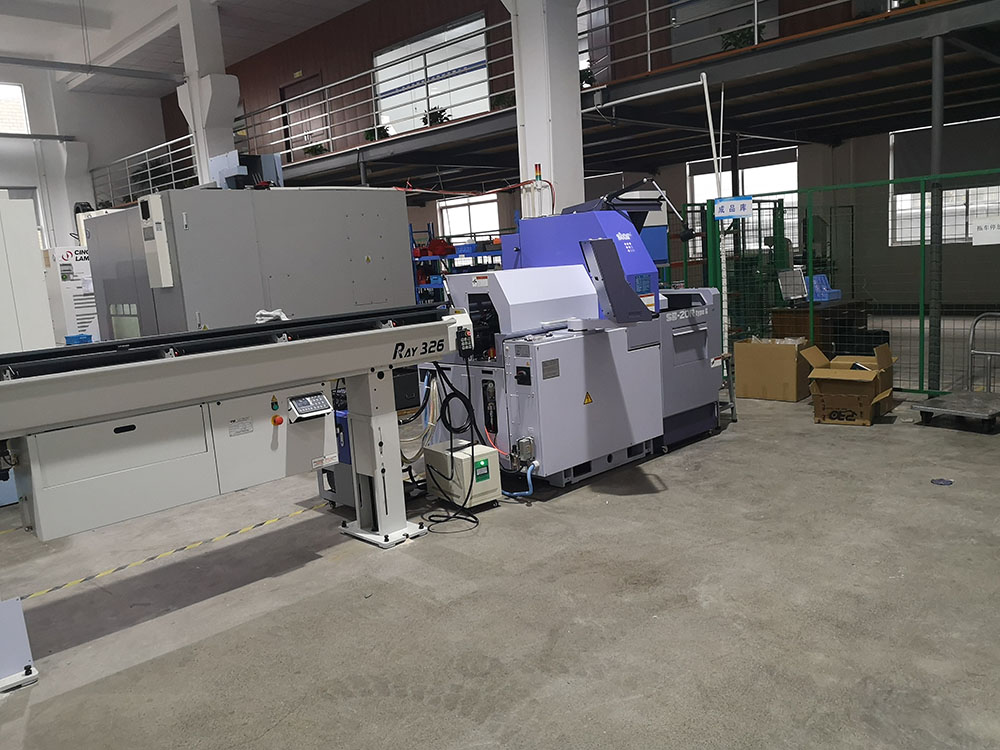
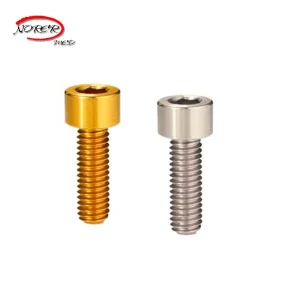
Fabricating high-precision surgical components, such as the Chinese Titanium Screw Machining Production Manufacture Titanium Rod, requires Swiss-type CNC automatic lathes. These machines isolate raw titanium bars close to the tool head, mitigating deflection and enabling the production of micro-threaded locking screws down to nominal tolerances of ±5 microns. Double-lead thread designs, integrated self-tapping notches, and polyaxial heads are precision-milled in single-cycle setups to ensure perfect coaxial alignment.
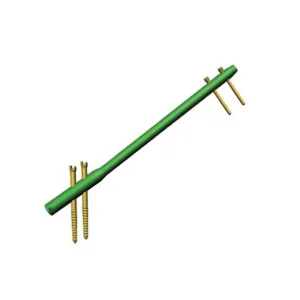
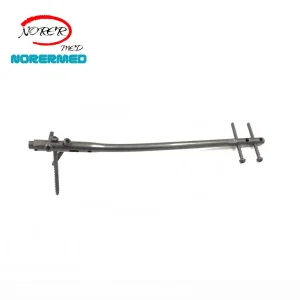
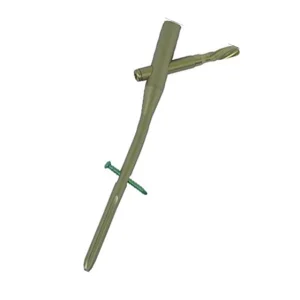
Implant geometries are tailored for specific structural load conditions. In orthopedic trauma cases, long-bone reconstruction uses intramedullary nailing systems, such as the Human Orthopedic Titanium Femoral Femur Interlocking Nail GAMA, the Titanium Orthopedic Tibial Interlocking Nail(Expert), or the Titanium Orthopedic PFNA Interlocking Nail(Expert). These nails act as internal splints, sharing mechanical stress across the skeletal axis and facilitating early patient mobility.
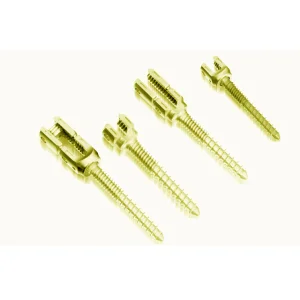
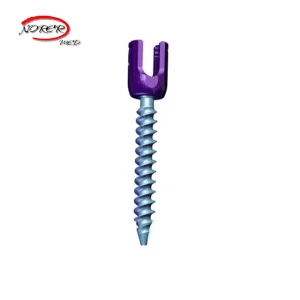
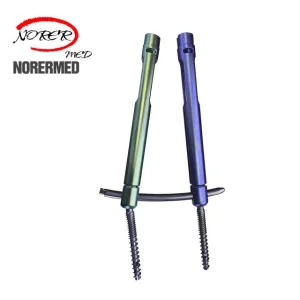
For spinal pathology, such as degenerative disc disease or vertebral fractures, pediatric and adult patients alike depend on rigid pedicle screw constructs. Multi-axial configurations like the Human /Veterinary Orthopedic Titanium Spine Uniplanar Pedicle Poly Screw for Fixation permit multi-planar alignment correction prior to rod locking, offering biomechanical stability while reducing surgical times.
Analyzing anatomical variances and biomechanical demands when engineering specialized implant configurations.
In human orthopedic and spine surgery, implants must satisfy high standards of fatigue endurance to accommodate active biomechanical loads over decades. Systems like the Titanium Orthopedic PFNA Interlocking Nail(Expert) address proximal femoral fractures in osteoporotic patients, demanding specialized helical blade locking interfaces to prevent cutout. Surface finishes, including grit-blasting or hydroxyapatite coatings, are applied to promote permanent osseointegration with human cortical bone structures.
Veterinary orthopedics involves diverse anatomy and challenging patient compliance, requiring adaptive design strategies. Veterinary surgeons often utilize the Veterinary Orthopedic Titanium Monoaxial Pedicle Screw for Spinal Fixation or the Veterinary Orthopedic Minimally Invasive Spinal Titanium Pedicle Screw. These devices must be strong yet compact to fit small-breed canines or exotic animal patients without compromising spinal cord paths.
How regional localization, technical clusters, and direct trading structures optimize lead times and ensure regulatory compliance.
Changzhou City in Jiangsu Province, China, serves as a major manufacturing cluster for orthopedic and neurosurgical devices. The proximity of specialty raw material refiners, Swiss CNC tooling specialists, and advanced testing laboratories enables an efficient supply chain.
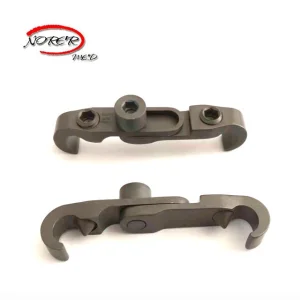
This dense concentration of technology allows manufacturers like DEON Medical (Changzhou) Co., Ltd. to respond quickly to custom design requests. Whether adapting thread profiles for a CHINA Manufacturer Metal Alloy Screw Machining Production Manufacture or modifying spatial features on a China Manufacturer Titanium Cranial Skull Lock, the local cluster supports fast prototyping and efficient scaling.
Operating with a combined trading and manufacturing model, DEON Medical links factory production with global logistics. This structure ensures compliance with international quality standards, provides transparent tracking, and offers technical documentation for regulatory approvals worldwide.
Direct verification data and facilities insight for procurement audits and quality inspections.
Located in Changzhou, China, we specialize in orthopedic trauma plates, bone screws, interlocking intramedullary nails, spinal pedicle systems, cervical plates, PEEK interbody fusion devices (cervical & lumbar cages), and related surgical instrumentation.
Detailed technical information for clinical procurement directors and distributor networks.
Our medical-grade titanium hardware is made from Grade 5 ELI Titanium (Ti-6Al-4V), conforming to ASTM F136 and ISO 5832-3. This alloy has lower interstitial element limits (such as oxygen, nitrogen, and iron) than standard industrial titanium, providing higher fracture toughness and improved fatigue life for internal implants.
Medical PEEK (Polyetheretherketone) features a mechanical modulus that closely matches natural cortical bone. This reduces the risk of stress shielding, where metal implants absorb physical loads and cause adjacent bone to resorb. PEEK is also radiolucent, allowing surgeons to monitor fusion progress on post-operative scans without metal artifacts.
Yes. Veterinary orthopedics involves a wide range of patient sizes, from small companion animals to large livestock. We supply specialized products like the Veterinary Orthopedic Minimally Invasive Spinal Titanium Pedicle Screw, which feature smaller diameters and adjusted thread pitches suitable for animal anatomy.
Our products undergo testing to ensure safety and clinical performance. This includes biomechanical compression, shear, and torsion evaluations under ISO 12189 and ASTM F1717 guidelines. We provide material certificates, physical dimensions inspection sheets, and dynamic mechanical fatigue reports for each production batch.
Our complete collection of locking plates, intramedullary nails, and spinal fusion cages designed for clinical use.
 Deon Medical