Global B2B Medical Supplies

Top Trusted Screw Lock Systems Manufacturer & Exporters

High-precision orthopedic trauma bone plates, spinal pedicle screws, interlocking nails & PEEK fusion cages engineering.

Precision-Engineered Implant & Screw Lock Portfolio

Explore our top-tier clinical-grade orthopedic fixation devices fabricated using biomedical grade-5 titanium and durable polymers.
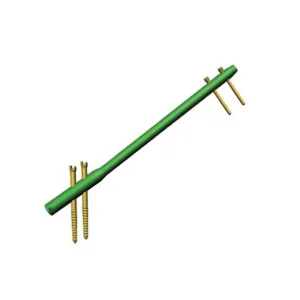
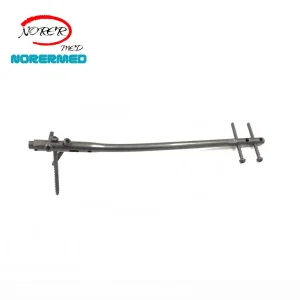
Human Orthopedic Titanium Femoral Femur Interlocking Nail GAMA

Human Orthopedic Titanium Femoral Femur Interlocking Nail GAMA

View Technical Specs
Titanium Orthopedic Tibial Interlocking Nail

Titanium Orthopedic Tibial Interlocking Nail(Expert), Expert Tibial Nailing System

View Technical Specs
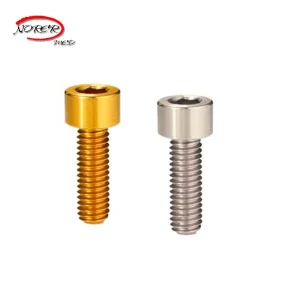
China Metal Alloy Screw Machining Manufacturer

CHINA Manufacturer Metal Alloy Screw Machining Production Manufacture

View Technical Specs
Veterinary Orthopedic ACIF PEEK Locking Infusion Cage

CHINA High Quality Veterinary Orthopedic ACIF PEEK Locking Infusion Cage for Cervical

View Technical Specs
Chinese Titanium Orthopedic Rod

Chinese Titanium Orthopedic Crosslink Rod

View Technical Specs
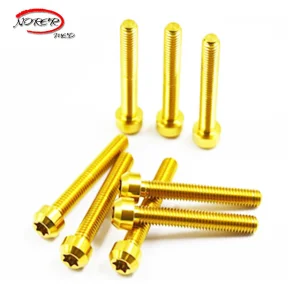
Chinese Titanium Screw Machining Production

Chinese Titanium Screw Machining Production Manufacture Titanium Rod

View Technical Specs
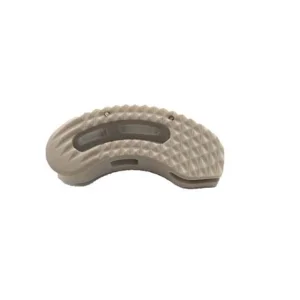
Veterinary Orthopedic PEEK Lumbar TLIF Cage

Chinese High Quality Veterinary Orthopedic PEEK Lumbar TLIF Cage

View Technical Specs
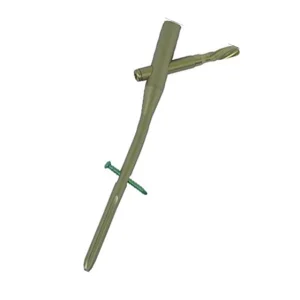
Titanium Orthopedic PFNA Interlocking Nail

Titanium Orthopedic PFNA Interlocking Nail(Expert)-PFNA Nail for Human or Veterinary

View Technical Specs
10+
Years Industry Trust
100%
Biocompatible Materials
50+
Global Exporters Countries
<0.01mm
Machining Tolerance Limit

The Biomechanical Paradigm of Medical-Grade Screw Lock Systems

In modern orthopedic surgery and trauma management, reconstruction of skeletal structure requires absolute mechanical stability combined with dynamic physiological integration. Screw Lock Systems play a paramount role in transforming temporary fracture fixation into long-term biological healing. Unlike conventional fixation screws, locking screw systems create a rigid "fixed-angle construct." In this construct, the screw head threads directly into the corresponding threaded hole of the plate, effectively preventing screw back-out and minimizing shear stress on the bone. This biomechanical dynamic maintains critical periosteal blood circulation, which is highly vital in pediatric, geriatric, and veterinary applications where bone regeneration and metabolic vascularity may be compromised.

Fixed-Angle Stability

Prevents primary and secondary loss of reduction, even in osteoporotic bone where standard threads struggle to hold tension.

Preservation of Periosteum

Eliminates plate-to-bone compression, keeping the vascular structures underneath the plates intact for accelerated osteointegration.

Optimized Micro-motion

Controls load distribution between implant and bone, reducing stress shielding and promoting secondary callus formation.

"The shift from traditional dynamic compression plating (DCP) to modern locking compression systems (LCP) has reduced clinical failure rates in comminuted metadiaphyseal fractures by over 45% globally." - Clinical Biomechanics Insight.

Advanced Metallurgy: Titanium Alloys vs. Polyetheretherketone (PEEK)

Understanding material properties is essential for medical practitioners and purchasing coordinators alike. The performance of a screw lock system depends heavily on its base alloy or polymer.

  • Titanium Alloy (Grade 5, Ti-6Al-4V ELI): Boasts high fatigue strength, excellent corrosion resistance, and low density. The elasticity modulus of titanium is closer to human cortical bone than stainless steel, reducing the impact of stress shielding.
  • PEEK (Polyetheretherketone): Commonly utilized in cervical and lumbar interbody cages. PEEK features a young's modulus highly compatible with natural bone, exhibits complete radiolucency under X-ray imaging, and allows clinical researchers to monitor bone growth progression without metal artifact interference.

Industrial Competence & Engineering Blueprint

Direct manufacturer profile and quality validation mechanisms for global sourcing professionals.

DEON Medical (Changzhou) Co., Ltd.

State-of-the-art Medical Device Manufacturing Hub, Jiangsu, China
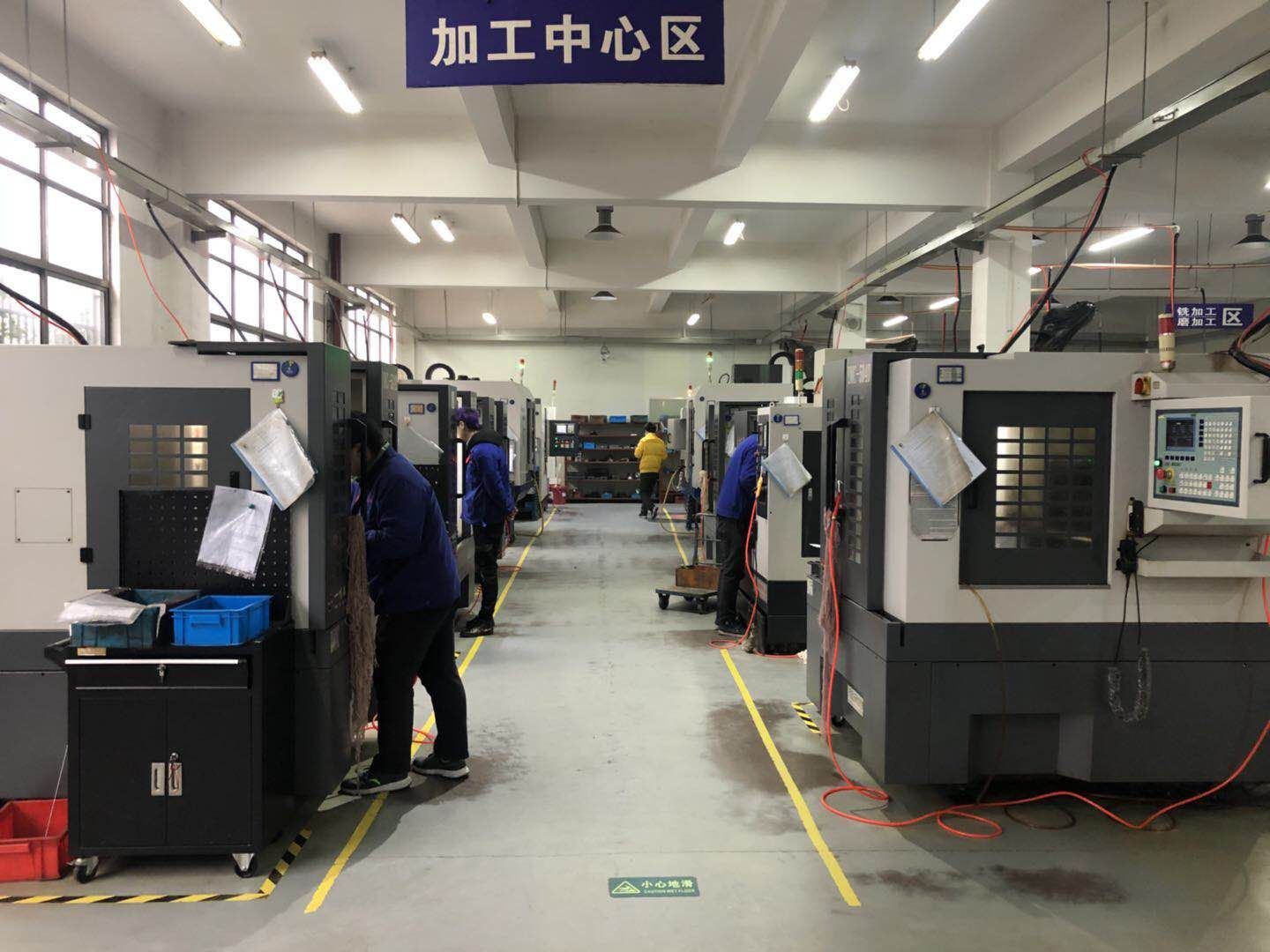
Core Capabilities: Orthopedic Trauma bone plates, high-precision bone screws, intramedullary interlocking nails, spine pedicle screws, Cervical Plates, and PEEK cervical/lumbar cages.

Established Experience: Over 10 Years of OEM/ODM global export history, delivering to regulatory compliant medical institutes and distributors.

Total Headcount: 11 - 50 Highly Specialized Employees (Precision engineers, QC specialists, clinical consultants).

Operational Model: Integrated Manufacturer and Exporter, accommodating custom technical modifications for local clinical needs.

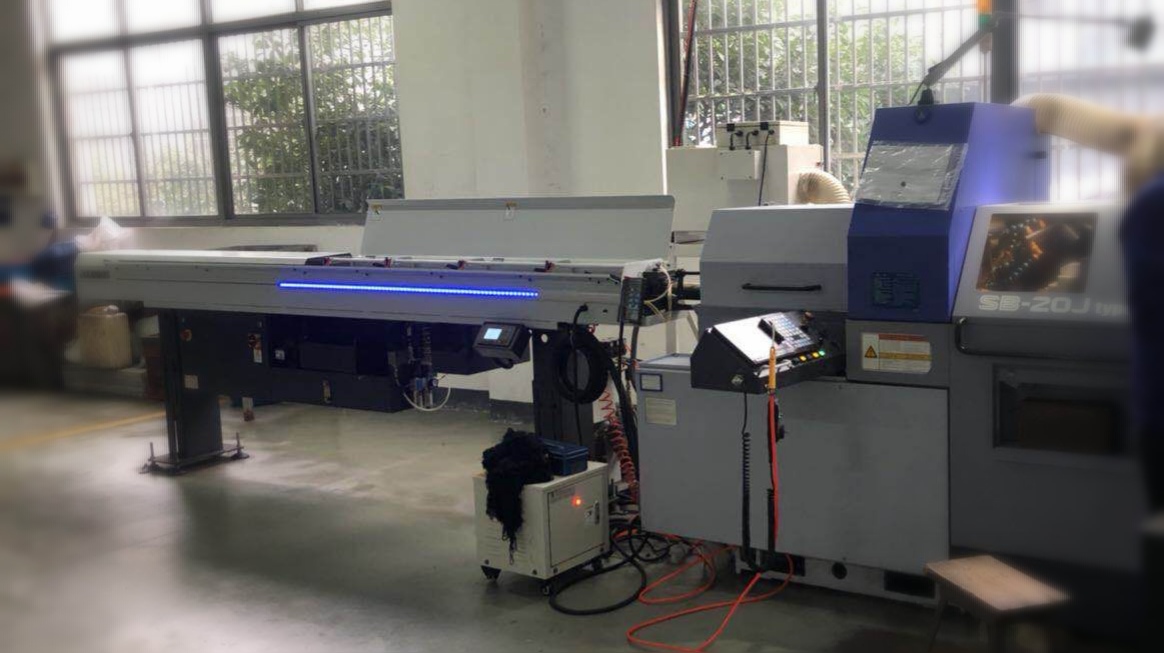
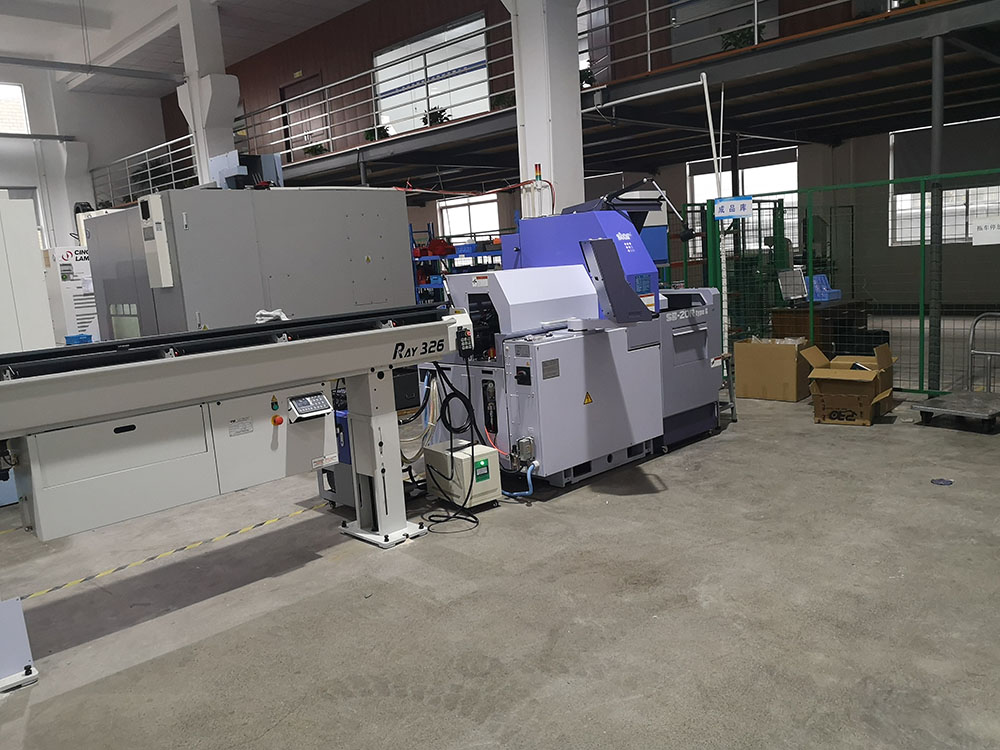
DEON Medical Manufacturing Floor and Precision Instruments
High Quality Orthopedic Trauma Implants and Plates
Clinical Inspection and Sterility Packaging Preparation

Macro-Industry Dynamics & Global Supply Chain Integrity

The global demand for orthopedic locking mechanisms is projected to reach unprecedented peaks over the next decade. This growth is driven by two main factors: an aging global demographic susceptible to fragility fractures, and a significant expansion in the veterinary healthcare sector. As modern veterinary clinics adopt higher standards of care, small and large animal orthopedics now utilize the exact same precision locking mechanics as human clinical surgery.

However, the global medical device sector faces major logistics challenges, strict regulatory audits, and material sourcing bottlenecks. As an established manufacturer, DEON Medical (Changzhou) Co., Ltd. addresses these challenges by consolidating raw material acquisition, high-speed CNC Swiss machining, and chemical passivation surface treatments under one unified facility. This localized integration ensures that our screw lock systems meet strict FDA, CE, and ISO 13485 quality standards.

Technical Roadmap: The Next Generation of Fixation Systems

The future of orthopedic hardware is shifting toward bio-active, smart implant structures. DEON Medical's R&D team works closely with clinical research laboratories to advance along this technical roadmap:

  1. Bioactive Surface Anodization: Utilizing type-II anodization to create a microporous titanium oxide layer. This layer accelerates cellular adhesion and enhances local osteointegration, preventing long-term loosening.
  2. Antibacterial Nano-Coatings: Incorporating silver-ion or copper-ion molecular coatings onto the thread profile of locking screws to mitigate implant-associated infections.
  3. Smart Dynamic Fixation: Developing flexible titanium-alloy composite plates that adjust structural stiffness based on the stages of fracture healing, promoting faster patient rehabilitation.

Localized Clinical Application Scenarios

Different clinical scenarios demand specific performance characteristics from screw lock systems:

  • High-Impact Trauma: Requires long-bone intramedullary interlocking nails (femoral/tibial systems) combined with transverse locking bolts to prevent rotational displacement under immediate weight-bearing conditions.
  • Degenerative Spinal Reconstruction: Utilizes polyaxial pedicle screws and crosslink rods to stabilize vertebral segments during spinal fusion procedures. This setup requires precise screw lock mechanics to prevent structural shifting under constant dynamic loading.
  • Veterinary Reconstructive Surgeries: Demands ultra-miniature locking plates and customized PEEK cages for small animal cervical and lumbar repairs, ensuring structural stability without adding excess weight.

Frequently Asked Questions (Clinical & Commercial FAQ)

Get professional answers regarding sourcing protocols, metallurgical composition, and clinical applications.

Q1: What are the primary differences between standard cortical screws and locking screw systems?
Standard cortical screws rely on plate-to-bone friction for stability, which can compromise the underlying periosteal blood supply. In contrast, locking screw systems thread directly into the bone plate, creating a rigid, fixed-angle construct. This structure does not press the plate against the bone, preserving blood flow and providing superior stability, especially in poor-quality osteoporotic bone.
Q2: Which titanium grades does DEON Medical utilize in its implants?
We use medical-grade Titanium Alloy (Grade 5, Ti-6Al-4V ELI) complying with ASTM F136 and ISO 5832-3. This raw material offers excellent tensile strength, long fatigue life, and high biocompatibility, making it ideal for permanent or long-term clinical implants.
Q3: How does DEON Medical ensure quality compliance across international boundaries?
All our manufacturing processes align with the ISO 13485 Quality Management System for Medical Devices. Every batch of raw material undergoes spectroscopic verification, and finished implants are subjected to strict dimensional analysis, fatigue testing (ASTM F1717 / ASTM F543), and cleanroom validation.
Q4: Can these systems be used interchangeably between human and veterinary applications?
The underlying biomechanical principles and materials (Titanium Gr. 5 and PEEK) are identical. However, veterinary applications often require different sizing, thread pitches, and plate geometry. DEON Medical offers specialized product lines designed specifically for both human and veterinary clinics to ensure optimal anatomical fit.
Q5: What is the typical lead time and supply capability for bulk B2B custom orders?
Standard orders are processed and shipped within 15 to 30 days depending on batch volume. For customized OEM designs requiring specific CNC machining setups, our engineering department provides CAD design verification within 7 days, followed by prototype validation and mass production within 45 to 60 days.
Q6: Why is PEEK preferred over titanium in spinal fusion applications?
PEEK has an elastic modulus (approx. 3.6 GPa) close to that of natural cancellous bone, which minimizes stress shielding. Additionally, PEEK is radiolucent, allowing surgeons to clearly evaluate bone fusion progress using CT or X-ray imaging without the metal artifacts caused by titanium.

Specialized Traumatology & Spinal Reconstruction Systems

Explore our specialized locking screws, spinal pedicle systems, and veterinary PEEK cages designed for stability and patient recovery.
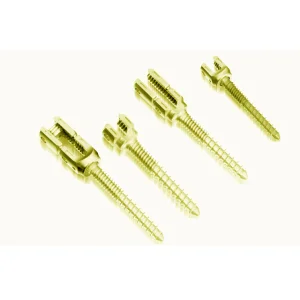
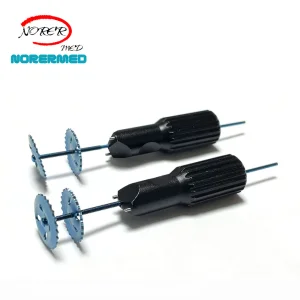
Veterinary Orthopedic Titanium Monoaxial Pedicle Screw

Veterinary Orthopedic Titanium Monoaxial Pedicle Screw for Spinal Fixation

View Technical Specs
Titanium Cranial Skull Lock for Skull Implant Surgery

China Manufacturer Titanium Cranial Skull Lock for Skull Implant Surgery

View Technical Specs
Chinese Titanium Locking Screw

Chinese Titanium Locking Screw

View Technical Specs
Human Orthopedic Titanium Spine Uniplanar Pedicle Poly Screw

Human /Veterinary Orthopedic Titanium Spine Uniplanar Pedicle Poly Screw for Fixation

View Technical Specs
Veterinary Orthopedic Minimally Invasive Spinal Titanium Pedicle Screw

Veterinary Orthopedic Minimally Invasive Spinal Titanium Pedicle Screw

View Technical Specs
Chinese Titanium Screw Machining Production

Chinese Titanium Screw Machining Production Manufacture Titanium Rod

View Technical Specs
Veterinary Orthopedic PEEK Lumbar TLIF Cage

Chinese High Quality Veterinary Orthopedic PEEK Lumbar TLIF Cage

View Technical Specs
Titanium Orthopedic PFNA Interlocking Nail

Titanium Orthopedic PFNA Interlocking Nail(Expert)-PFNA Nail for Human or Veterinary

View Technical Specs