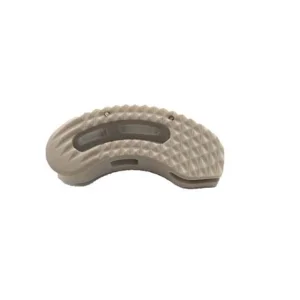
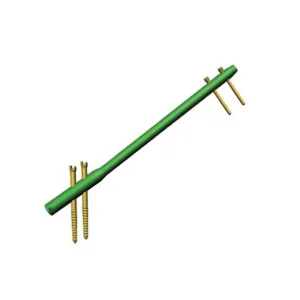
Explore our leading biomechanical spine support products designed for maximum anatomical stability and biocompatibility.
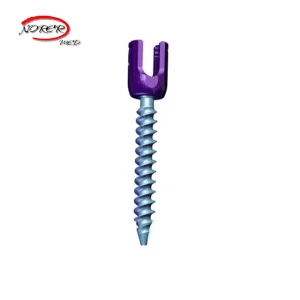
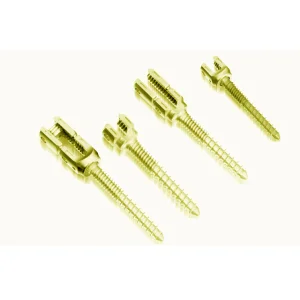
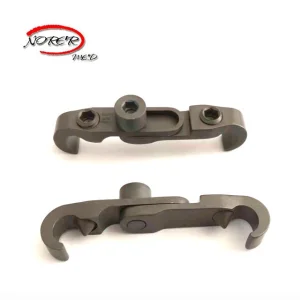
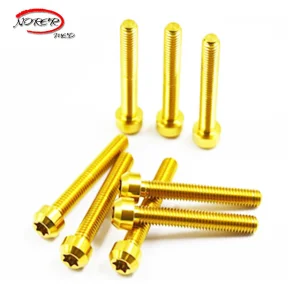
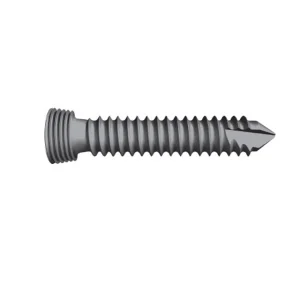
The international spine support and spinal fixation landscape is undergoing a monumental paradigm shift. Driven by a global aging population, advancements in minimally invasive spine surgery (MISS), and a parallel surge in high-value veterinary orthopedic care, demand for precision-manufactured spinal hardware has reached unprecedented heights. Industry data indicates the global spinal implants market is poised to exceed USD 14 billion by 2028, expanding at a compound annual growth rate (CAGR) of over 5.2%.
As clinical outcomes increasingly dictate sourcing decisions, hospitals, medical distributors, and surgical centers are shifting away from high-markup legacy brands toward specialized manufacturing hubs that deliver equivalent mechanical performance at lower price points. Emerging manufacturing clusters, particularly in Jiangsu, China, have integrated advanced Swiss CNC precision machining with ISO 13485 cleanroom capabilities. This localization facilitates the rapid production of high-tolerance medical fasteners, polyaxial screws, and bio-polymer interbody cages that meet rigorous ASTM and CE standards.
Implant geometries are optimized using finite element analysis (FEA) to endure repetitive loads of physiological stress cycles, mitigating fatigue-induced failures.
Strict utilization of medical-grade Titanium Alloy (Ti-6Al-4V ELI) and implantable Polyetheretherketone (PEEK) guarantees biocompatibility and non-toxicity.
Adherence to sterile-pack requirements, unique device identifiers (UDI), and localized regulatory pathways guarantees smooth cross-border customs clearance.
Spine supports and internal fixation devices require meticulous engineering to match the dynamic physical demands of the axial skeleton. Implants must bear structural load while facilitating osteointegration or interbody fusion. The choice between titanium alloys and thermoplastic polymers like PEEK depends on the clinical application.
Medical Titanium Grade 5 (Ti-6Al-4V ELI): Possesses high specific strength, excellent corrosion resistance, and good biocompatibility. The ELI (Extra Low Interstitial) grade features lower carbon, hydrogen, and oxygen contents, which dramatically enhances toughness and fatigue resistance. Titanium surfaces undergo anodization or acid-etching to generate a micro-rough topography that encourages direct osteoblast attachment, expediting mechanical anchorage to bone.
PEEK (Polyetheretherketone): This advanced thermoplastic exhibits an elastic modulus (3.6 GPa) closely matching that of human cortical bone (approx. 18 GPa), which minimizes stress shielding. Stress shielding occurs when a rigid implant bears all the mechanical load, causing the surrounding bone to resorb due to lack of stimulation. PEEK's radiolucency allows surgeons to monitor fusion progress clearly via X-ray and CT scans without metallic scatter artifact.
| Material Property | Medical-Grade Titanium (Ti-6Al-4V ELI) | Implant-Grade PEEK (Polyetheretherketone) | Clinical Significance |
|---|---|---|---|
| Elastic Modulus | ~110 GPa | ~3.6 GPa | PEEK reduces stress shielding; Titanium provides rigid structural support. |
| Tensile Strength | ≥ 860 MPa | ~90 - 100 MPa | Titanium is optimal for high-load systems like pedicle screws and rods. |
| Radiolucency | Radiopaque (Artifacts on CT/MRI) | Fully Radiolucent (Allows fusion monitoring) | PEEK simplifies post-operative diagnostic imaging of the fusion bed. |
| Surface Modification | Anodized, SLA coating, Acid-etched | Plasma-sprayed Titanium, Carbon-Fiber reinforced | Enhances cellular attachment and long-term mechanical stability. |
"The mechanical performance of a spinal implant is directly proportional to its structural topography. While polyaxial pedicle screws demand high tensile strength to prevent shear failure, the interbody space benefits from the micro-motion compliance offered by PEEK constructs. Successful clinical stabilization requires both systems working in concert."
Spine supports must satisfy different demands depending on whether they are designed for human or veterinary applications. While the underlying mechanical principles remain consistent, differences in anatomy, loading vectors, and post-operative patient compliance require distinct adaptations in implant design and surgical execution.
Implant designs are primarily engineered for upright bipedal load-bearing dynamics. Key targets include restoring sagittal balance, correcting axial alignment, and resolving nerve root compression. Dynamic polyaxial screws allow for intraoperative adjustment, adapting to complex anatomies during multi-level fusions. Long-term durability is critical, as implants must function reliably over decades of patient activity.
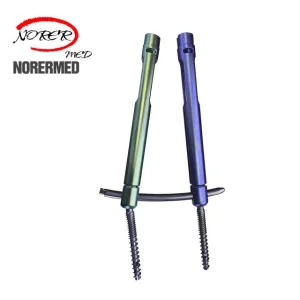
Veterinary implants must withstand quadrupedal weight-bearing, which creates unique horizontal shear forces along the spine. These configurations require locking technologies, such as fixed-angle monoaxial pedicle screws and specialized ACIF/TLIF cages, to prevent migration under sudden, unpredictable movement. Implants must also accommodate a wide range of patient sizes, from toy breeds to large working dogs.
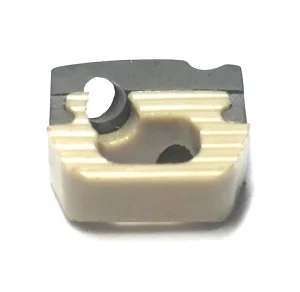
Distributors and surgical clinics must partner with manufacturers that understand these distinct biomechanical profiles. For example, our PEEK TLIF and ACIF cages feature textured surfaces and integrated locking holes, ensuring primary mechanical stability for both feline/canine patients and human configurations.
A closer look at DEON Medical (Changzhou) Co., Ltd.—our infrastructure, location, and manufacturing capabilities.
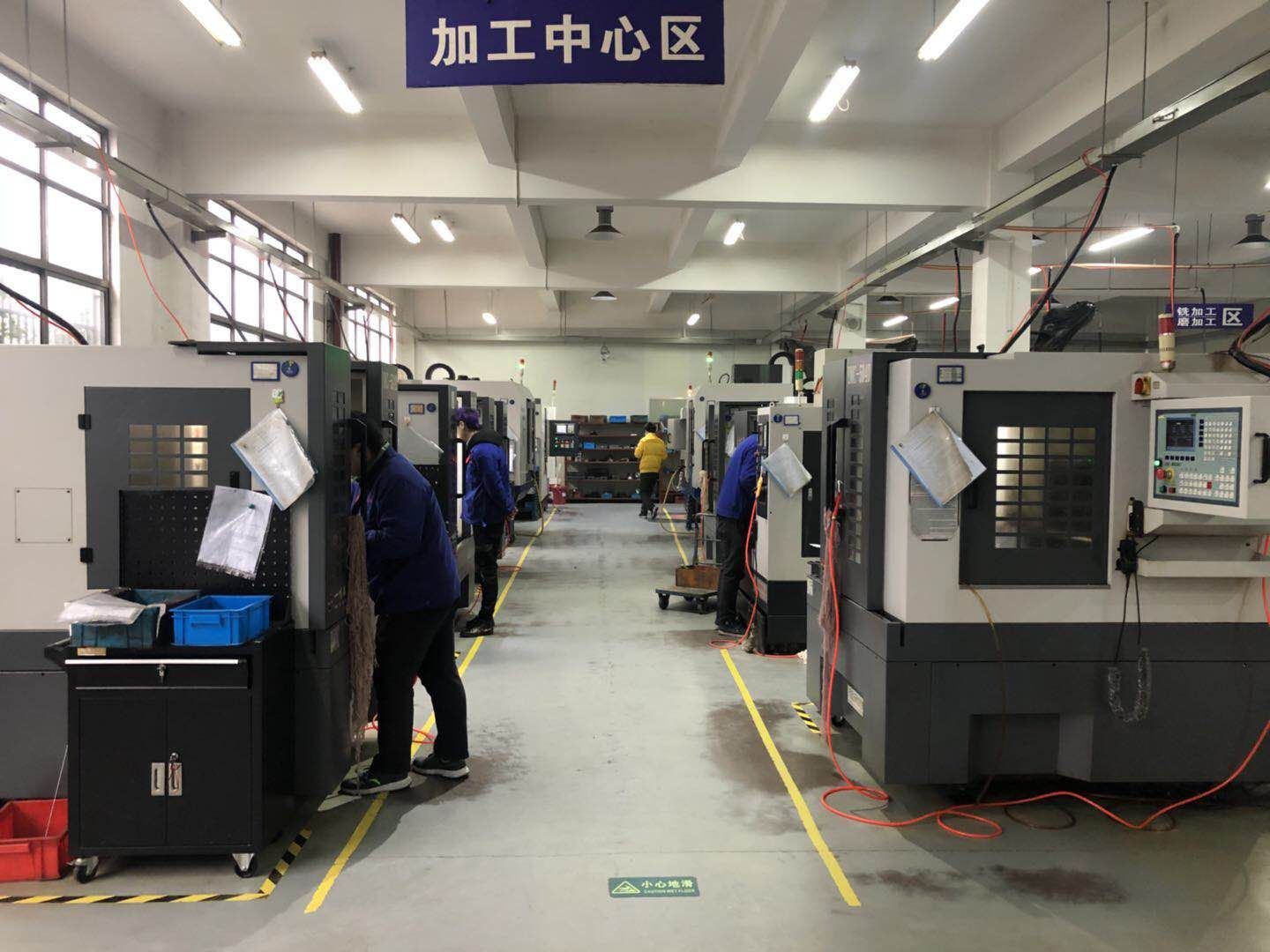
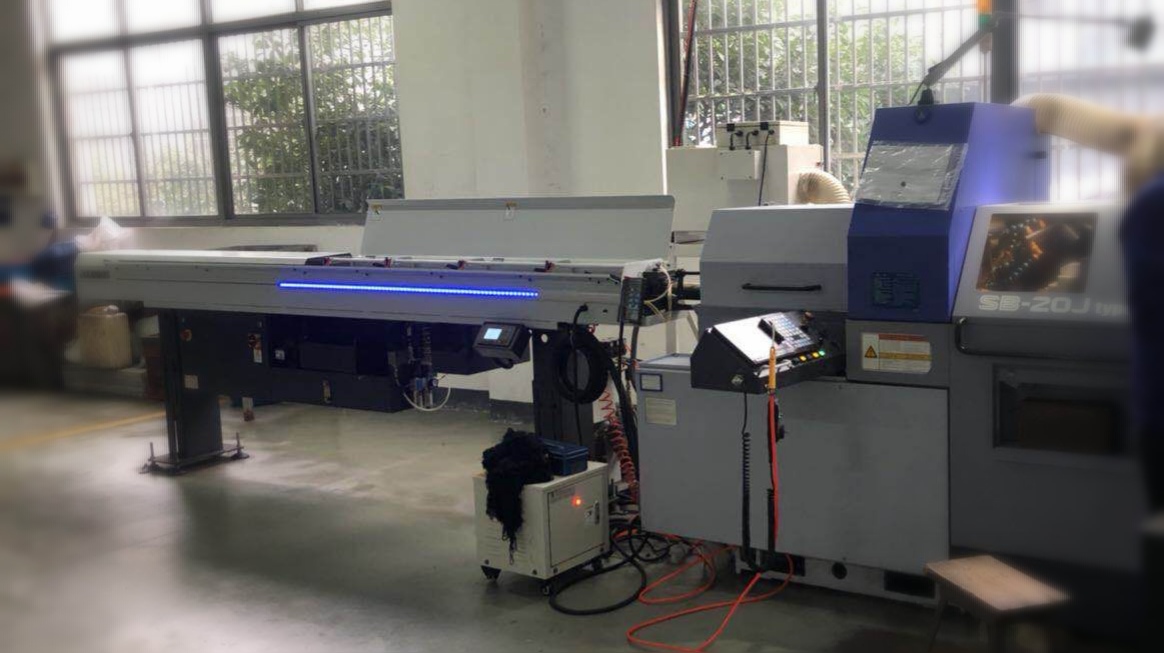
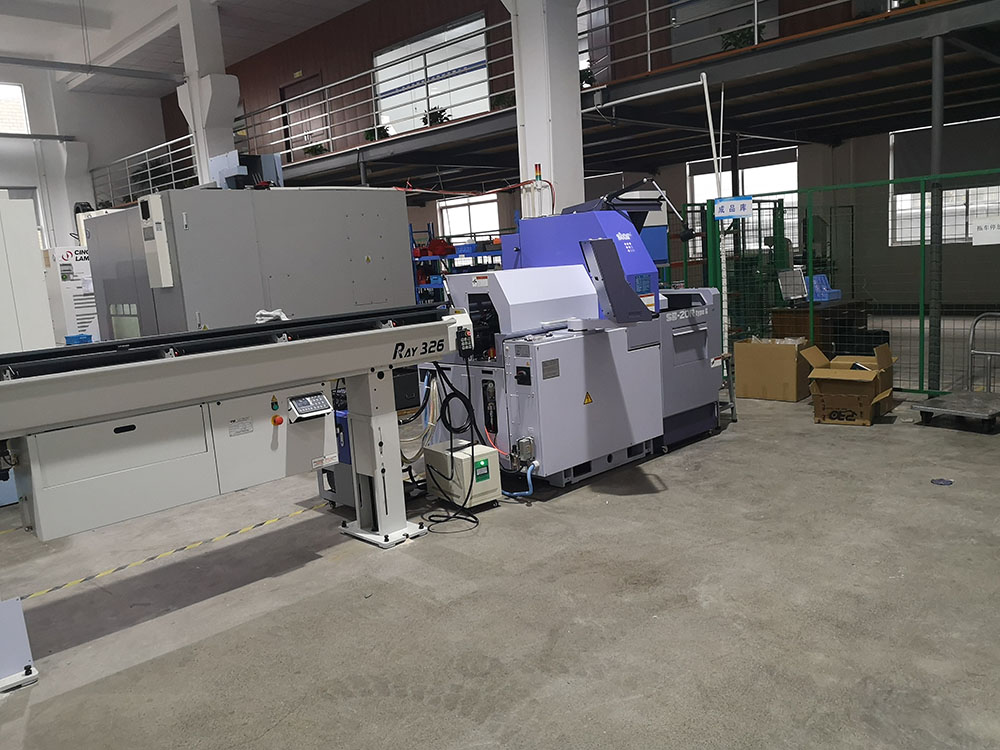
Spine support technology is advancing rapidly, driven by the integration of digital imaging, additive manufacturing, and surface modification science. These developments are improving primary stability, accelerating fusion times, and reducing post-operative revision rates.
Porous Titanium 3D Printing: Additive manufacturing allows for the production of interbody cages with a micro-porous structure that mimics trabecular bone. These open architectures facilitate bone ingrowth, creating a mechanical interlock that outperforms smooth-surfaced alternatives.
Bioactive Coatings: Implant-grade PEEK is hydrophobic and biologically inert, which can sometimes result in a fibrous capsule forming instead of osseous integration. The future of spinal supports lies in depositing bioactive coatings, such as hydroxyapatite (HA) or nano-structured titanium, onto PEEK substrates. This combines PEEK's mechanical benefits with the osteoconductive properties of titanium.
Carbon-Fiber Reinforced Polymers (CF-PEEK): CF-PEEK exhibits higher fatigue strength and load-bearing capacity than pure PEEK. It remains fully radiolucent, allowing surgeons to monitor the surgical site without metal artifacts during long-term follow-up.
Addressing the technical, material, and regulatory questions critical to global medical device distributors and importers.
PEEK (Polyetheretherketone) cages feature a modulus of elasticity (approx. 3.6 GPa) that is much closer to human cortical bone than titanium (~110 GPa). This close match reduces the risk of stress shielding, a condition where the implant carries too much load, causing the adjacent bone to resorb. PEEK is also radiolucent, allowing surgeons to monitor fusion progress on X-ray and CT scans without the visual artifacts caused by metal implants.
DEON Medical uses medical-grade Titanium Alloy (Ti-6Al-4V ELI) certified to meet ASTM F136 standards. Production is carried out on Swiss CNC automatic lathes, achieving tolerances within 0.02 mm. Each batch undergoes rigorous testing, including pull-out resistance, static compression, and dynamic fatigue testing, to ensure reliability under physiological loads.
Yes. Our veterinary line, including PEEK locking cages, monoaxial pedicle screws, and interlocking nails, is designed with modularity in mind. They accommodate a range of sizes, from small domestic pets to larger animals, ensuring secure fixed-angle stability to handle the forces generated by quadrupedal movement.
We maintain a quality management system aligned with ISO 13485 standards. Our export team provides full trace documentation, raw material certificates, and cleaning compliance protocols. We also offer standard protective double-sterile packaging to ensure that implants arrive sterile and ready for clinical use.
Yes. Utilizing our Swiss CNC processing workshops and specialized design team, we manufacture customized implants from client-supplied CAD drawings or physical models. This service is ideal for medical distributors seeking to introduce custom sizes, unique thread pitches, or proprietary fixation systems to their local markets.
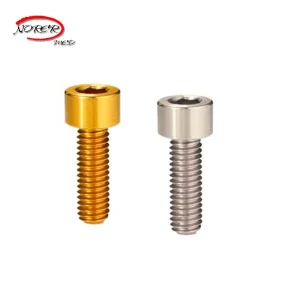
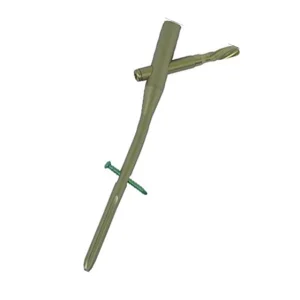
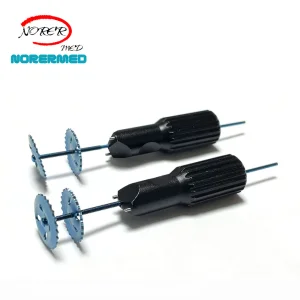
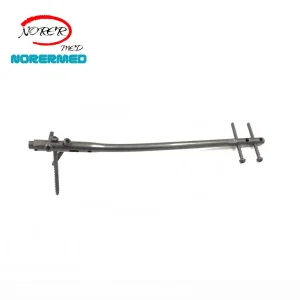
Complete your clinical pipeline with our certified interlocking nails, cranial locking systems, and custom screw machining solutions.
 Deon Medical