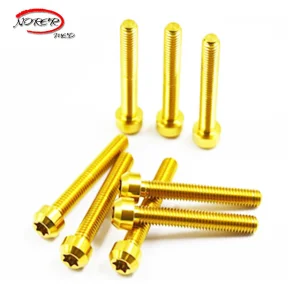
Engineered to exceed ISO 13485 & ASTM F136 standards for critical trauma, spinal, cranial, and custom machining requirements.
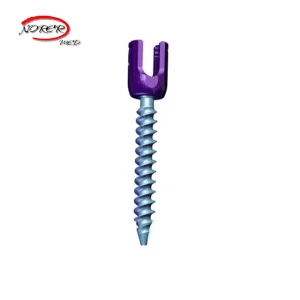
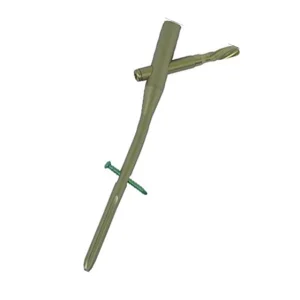
Titanium alloys represent the pinnacle of structural material science, bridging the gap between ultra-lightweight physics and extreme mechanical durability. Within high-tech manufacturing, medical implantology, and specialized industrial design, titanium has transitioned from a specialized material into an indispensable structural backbone. Understanding the specific metallurgical microstructures—ranging from commercially pure (CP) grades to complex alpha-beta ($\alpha-\beta$) matrices—is essential for procurement specialists, clinical engineers, and technical directors seeking maximum operational reliability.
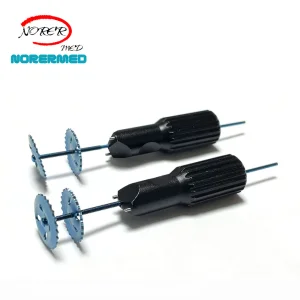
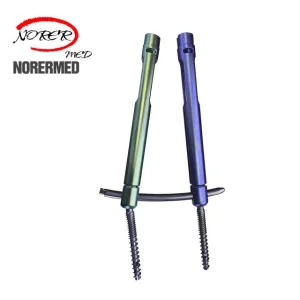
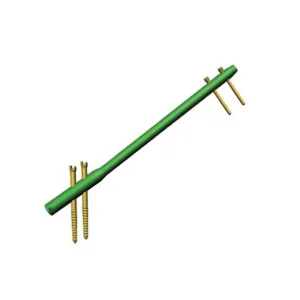
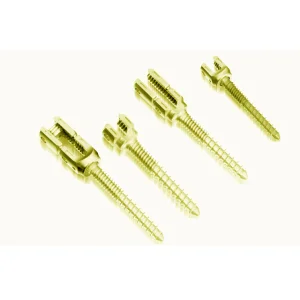
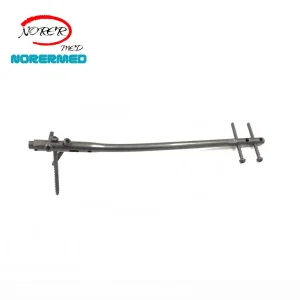
The primary driver behind titanium's dominance in medical devices (such as cranial skull locks, spinal pedicle screws, and interlocking intramedullary nails) lies in its unique mechanical synergy: an exceptional strength-to-weight ratio combined with an elastic modulus that closely mirrors natural human bone structures compared to traditional stainless steels.
The workhorse alloy featuring high yield strength ($\ge 828\text{ MPa}$), high fatigue limit, and exceptional heat-treatment versatility for heavy mechanical load applications.
Extra Low Interstitial variant. Reduced oxygen and iron content yields superior fracture toughness, enhanced ductility, and ultra-biocompatibility required for permanent implants.
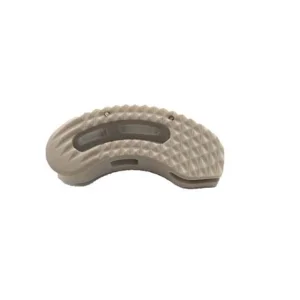
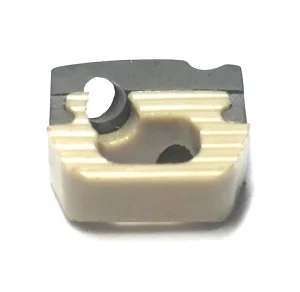
Combining Polyetheretherketone (PEEK) radiolucency with titanium locking mechanisms to minimize stress shielding while ensuring secure internal rigid fixation.
The international demand for titanium products is undergoing a profound paradigm shift. Driven by aging global demographics, increased uptake of veterinary surgical procedures, and aggressive growth in aerospace precision components, the titanium alloy market is expanding at a CAGR exceeding 6.5%. However, navigating the global supply chain requires strict compliance with raw material origin, melt batch verification, and precision micro-machining capabilities.
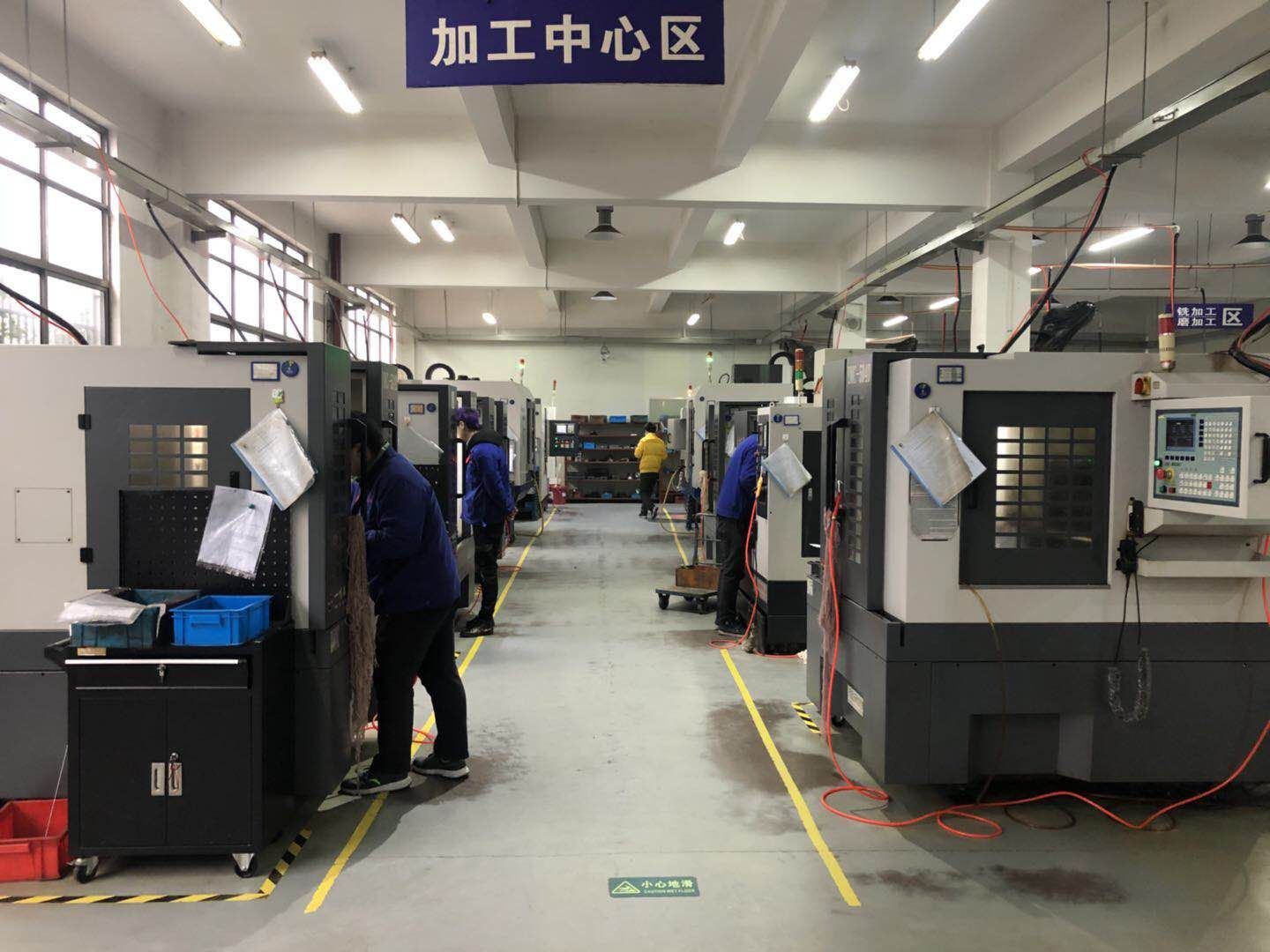
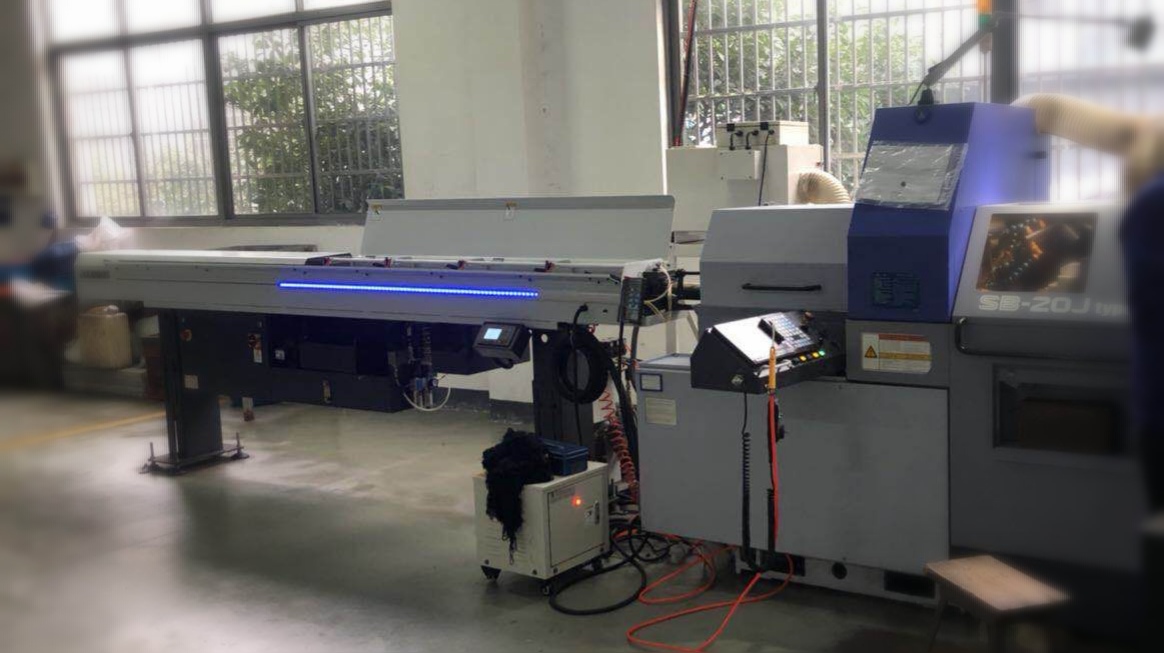
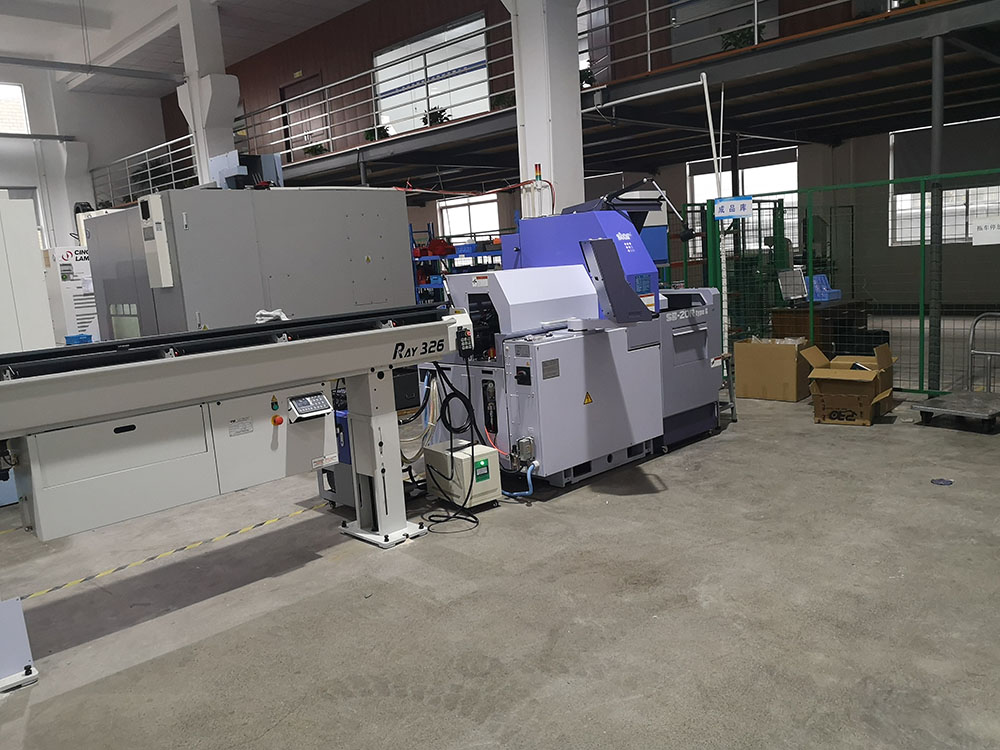
As a specialized manufacturing hub in Changzhou, China, integrated manufacturing facilities such as DEON Medical (Changzhou) Co., Ltd. leverage a localized industrial cluster advantage. This enables full-vertical control—from raw titanium ingot processing, Swiss-type CNC precision turning, to anodization and cleanroom packaging.
Select material parameters govern mechanical resilience, biological integration, and CNC machinability. Below is an authoritative technical breakdown comparing medical-grade titanium variants and engineering polymers:
| Material Variant | Tensile Strength (MPa) | Yield Strength (MPa) | Elastic Modulus (GPa) | Corrosion Resistance | Primary Application Domain |
|---|---|---|---|---|---|
| Ti-6Al-4V Grade 5 | $\ge 895$ | $\ge 828$ | 110 - 114 | Exceptional (Passivated Oxide) | Trauma Plates, Industrial Fasteners, Aerospace Components |
| Ti-6Al-4V ELI (Grade 23) | $\ge 860$ | $\ge 795$ | 110 - 114 | Ultra-High (Biomedical) | Spine Pedicle Screws, Cranial Locks, Joint Replacement |
| CP Titanium (Grade 4) | $\ge 550$ | $\ge 480$ | 104 - 105 | Maximum Chemical Passivation | Dental Implants, Micro-Cranial Mesh, Low-load Fixation |
| PEEK Optima Plastic | 90 - 100 | N/A | 3.5 - 4.0 | Inert (Non-metallic) | Interbody Lumbar TLIF Cages, Radiolucent Spinal Implants |
Machining titanium presents unique technical challenges due to its low thermal conductivity, high chemical reactivity at elevated temperatures, and low modulus of elasticity which induces work-piece deflection. Overcoming these mechanical constraints requires specialized multi-axis CNC lathe turning, micro-tool geometry selection, and optimized coolant application.
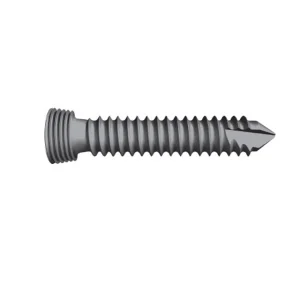
Achieving tight tolerances ($\pm 0.005\text{ mm}$) for complex thread geometry, cannulated pedicle screws, and self-tapping locking features. Prevents micro-burrs and surface micro-cracks.
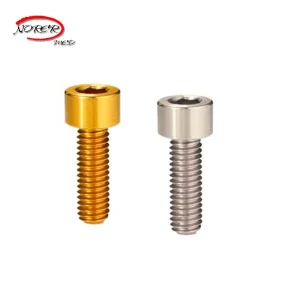
Enhances fatigue resistance, eliminates metallic debris generation, and allows color-coded dimensional sorting (gold, blue, green) essential for operating room efficiency.
Sandblasted, Large-grit, Acid-etched (SLA) or Micro-Arc Oxidation (MAO) processes increase bone-implant contact (BIC) ratios, accelerating natural osseointegration.
The versatile mechanical profile of titanium alloys allows them to serve distinct clinical and industrial operational demands. Below are the primary deployment scenarios driving high product adoption worldwide:
Situated in the heart of Changzhou’s advanced medical device manufacturing zone (Jiangsu, China), DEON Medical (Changzhou) Co., Ltd. operates as a premier integrated producer and strategic trading powerhouse. With over 10 years of operational excellence, DEON Medical specializes in trauma bone plates, titanium bone screws, interlocking nails, spinal fixation systems, cervical plates, and PEEK interbody cages.
For international distributors, hospital procurement groups, and OEM partners, regulatory compliance is non-negotiable. Modern titanium medical products must conform to rigorous quality management standards to guarantee clinical safety and mitigate liability risk.
Comprehensive quality management system specific to medical devices, ensuring controlled manufacturing environments, validated cleanrooms, and total process repeatability.
Every batch is issued Mill Test Reports (MTRs) detailing chemical composition and tensile testing according to ASTM F136 and ISO 5832-3 standards.
Dedicated engineering support for custom CAD modifications, rapid prototyping cycles, and localized regulatory submission documentation worldwide.
The next decade of titanium engineering is defined by the convergence of 3D printing (Additive Manufacturing via SLM/EBM) and intelligent bio-coatings. By creating highly porous trabecular titanium structures, future implants will match the elastic modulus of cancellous bone almost identically (2–5 GPa), effectively eliminating stress shielding forever.
Furthermore, active research into silver-nanoparticle impregnation and hydroxyapatite dual-coatings will significantly lower post-operative infection risks, establishing new benchmarks for human and veterinary surgical outcomes.
Technical answers regarding material selection, machining capabilities, and order logistics.
Delivering globally recognized trauma, spinal, and veterinary hardware built with uncompromised precision.
 Deon Medical