Highly specialized orthopedic and spinal implant devices manufactured under strict international standards and optimized for leading medical facilities in the Bangkok Metropolitan Region.
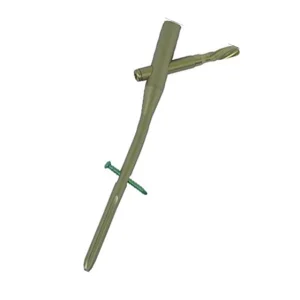
Bangkok stands as a primary medical epicentre in Southeast Asia, handling both high-volume domestic public health requirements and an expansive, premium medical tourism demographic. Over the last decade, arthroplasty procedures—primarily total hip arthroplasty (THA) and total knee arthroplasty (TKA)—have experienced steep growth curves. This shift is catalyzed by Thailand's transition into an aged society, coupled with rising clinical demands from local networks and international patients seeking affordable, world-class orthopaedic care at institutions such as Bumrungrad International Hospital, Bangkok Hospital Group (BDMS), and Samitivej Hospital.
For medical procurement officers, orthopaedic distributors, and clinical directors in Bangkok, establishing a resilient, direct-from-factory supply chain with certified medical implant manufacturers is crucial. Crucial aspects such as surgical grade material purity, strict compliance with the Thai Food and Drug Administration (Thai FDA) regulations, and competitive global logistics play vital roles. Our manufacturing capabilities bridge this gap by delivering ISO 13485-compliant femoral stems, acetabular cups, tibial components, and spine trauma implants directly to distributors serving the Bangkok medical marketplace.
Several dynamic factors shape the procurement of joint prosthesis and trauma fixation products in Bangkok:
To successfully serve the clinical sector in Bangkok, imported implants must adhere to strict structural engineering standards. Joint prosthetics must withstand complex mechanical forces: compression, shear, tension, and fatigue cycle limits. Material selection determines the implant's in-vivo lifespan, the rates of osteointegration, and the reduction of aseptic loosening risks.
Our manufacturing facility leverages raw materials sourced only from certified global producers, ensuring traceability and uniformity. The core metallic elements used in our production lines include:
The lifetime of a total joint prosthesis depends on its tribological interfaces. Aseptic loosening remains the leading cause of revision surgeries. When wear particles shed from the articular liners, they trigger localized osteolysis. To combat this, modern prostheses combine ultra-high-molecular-weight polyethylene (UHMWPE) or highly cross-linked polyethylene (HXLPE) with ceramic or cobalt-chromium femoral heads. Ceramic-on-polyethylene (Cop) and ceramic-on-ceramic (CoC) technologies provide ultra-low friction wear rates, extending the implant lifespan to 20-25 years.
| Material Standard | Common Applications | Elastic Modulus (GPa) | Tensile Strength (MPa) | Primary Clinical Benefit |
|---|---|---|---|---|
| Ti-6Al-4V ELI (ASTM F136) | Femoral stems, locking screws, pedicle screws | 110 - 114 | ≥ 860 | Outstanding fatigue resistance & osseointegration |
| Co-Cr-Mo Alloy (ASTM F75) | Femoral knee condyles, metal-backed shells | 210 - 240 | ≥ 950 | High wear resistance for articulating joints |
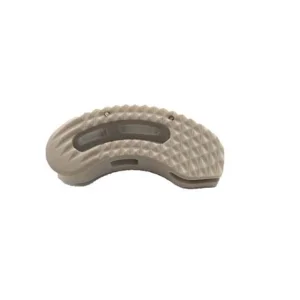
| Medical Grade PEEK (ASTM F2026) | Lumbar TLIF & Cervical ACIF fusion cages | 3.6 - 4.0 | ≥ 95 | Radiolucency & modulus matched to cortical bone |
| UHMWPE / HXLPE | Acetabular liners, tibial inserts | 1.0 - 1.4 | ≥ 40 | Ultra-low wear rate under high cycle loading |
Successfully navigating the regulatory environment in Thailand is essential for importing orthopedic implants. Under the Medical Device Act (B.E. 2551) and its amendments, all high-risk medical devices—including class III joint replacements and spinal screw systems—require registration and approval from the Thai Food and Drug Administration (FDA) prior to custom clearance and sale.
For Bangkok-based medical device distributors, importing from our manufacturing facilities in Changzhou, China offers strong cost advantages through the China-ASEAN Free Trade Agreement (ACFTA). Under this agreement, importers can utilize the Certificate of Origin (Form E). Applying Form E allows for preferential tariff treatment, reducing import duties on medical titanium implants, bone plates, and screws to 0% or low-digit percentages. This tariff reduction significantly lowers landing costs, providing importing clinics and distributors with a strong competitive edge in both public tenders and private hospital procurement programs.
As a global supplier, we provide comprehensive technical documentation to facilitate the registration of our implants with the Thai FDA. Our registration packages include:
DEON Medical leverages advanced manufacturing technologies to produce implants with high mechanical reliability and structural accuracy. The manufacturing workflow is structured to meet strict surgical demands:
Using Japanese CNC Swiss-type lathes and 5-axis machining centers, we manufacture bone screws, interlocking nails, and spinal components with tolerances under ± 0.005 mm. Articulating components, including femoral heads and knee shells, undergo manual and robotic polishing, achieving a mirror finish with a surface roughness (Ra) of less than 0.02 microns. Minimizing surface friction in this manner significantly reduces polyethylene wear rates.
Our cementless hip prosthesis components feature porous surface structures that encourage stable biological fixation. Utilizing vacuum titanium plasma spraying (TPS) and advanced hydroxyapatite (HA) coating technologies, we apply a bio-conductive layer onto the titanium substrate. This porous structure mimics the trabecular architecture of natural bone, stimulating rapid osteoblast infiltration and ensuring long-term secondary stability without the need for bone cement.
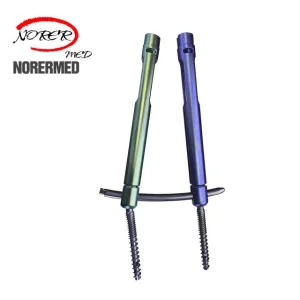
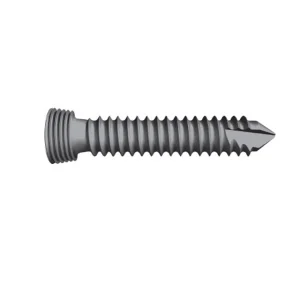
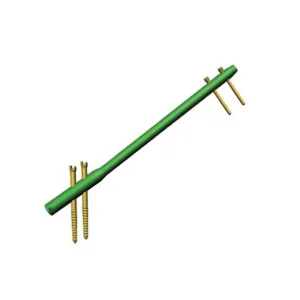
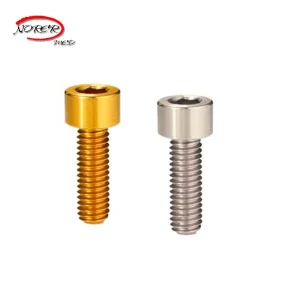
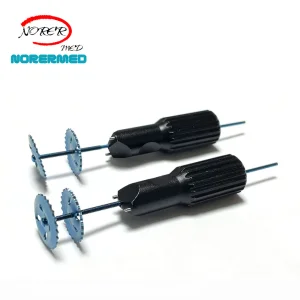
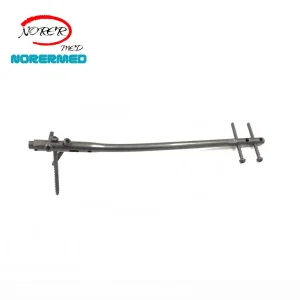
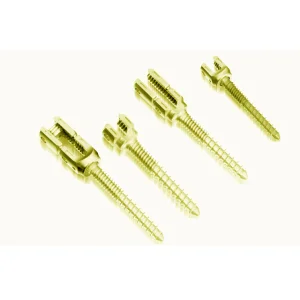
From advanced femoral nails to high-precision trauma locking screws, our complete orthopedic catalog serves diverse clinical needs across human and veterinary applications in Bangkok.
Company Name: DEON Medical (Changzhou) Co., Ltd.
Company Description: We are located in Changzhou City, Jiangsu Province, China. We are a specialized manufacturer of orthopedic trauma bone plates, bone screws, orthopedic interlocking nails, orthopedic spine pedicle screws, cervical plates, PEEK cervical & lumbar cages, and related surgical instruments.
Total Employees: 11 - 50 People
Country / Region: Jiangsu, China
Business Type: Trading Company with integrated manufacturing partnerships & quality management oversight
Company Join Year: 10 (Established partner serving the export markets for a decade)
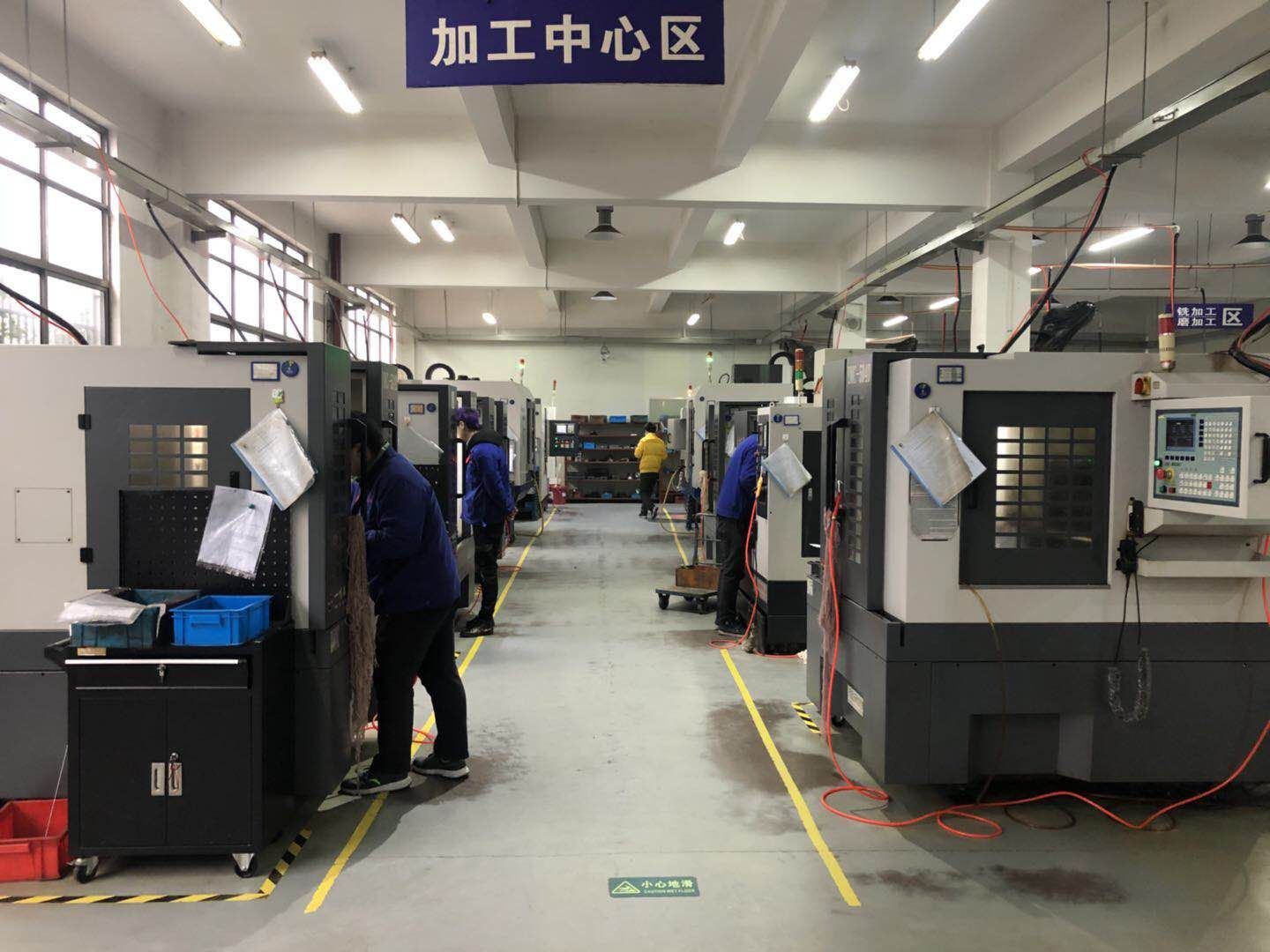
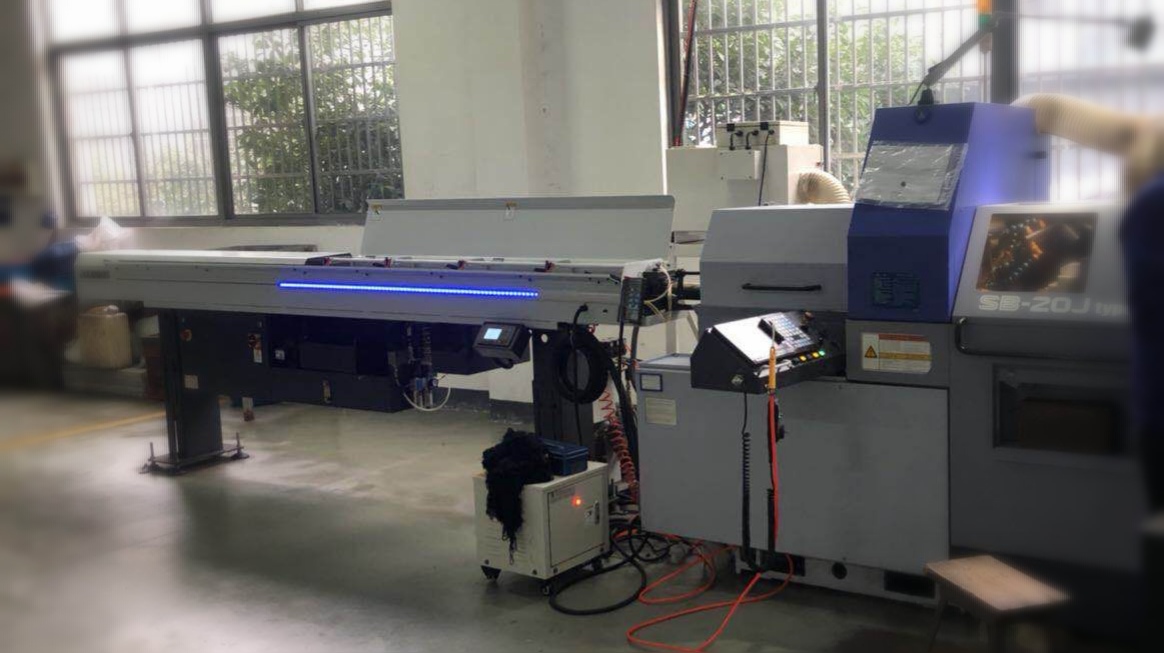
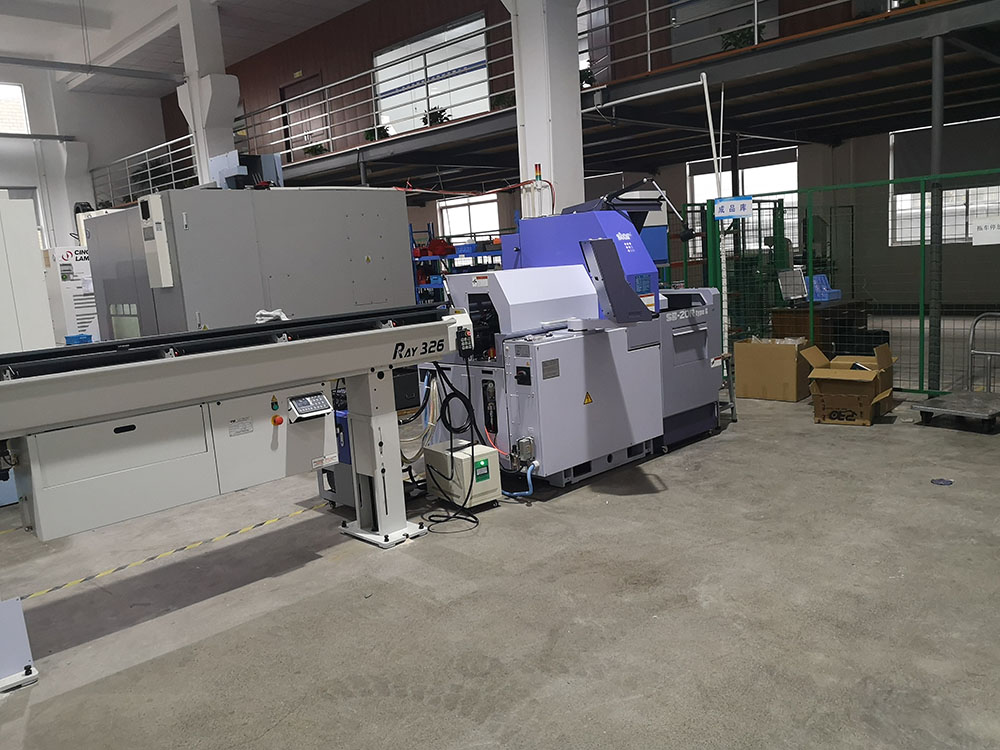
Real-time facility snapshots illustrating our high manufacturing capabilities and warehouse management.
Get detailed, technical, and commercial answers about importing joint, spinal, and trauma implants into Bangkok.
All orthopedic implants are categorized as high-risk medical devices (Class III/IV) by the Thai Food and Drug Administration (FDA). Importation requires a licensed local importer in Bangkok to submit a registration application through the Thai FDA E-Submission portal. We support this process by providing a comprehensive CSDT (Common Submission Dossier Template) dossier, which includes ISO 13485:2016 certificates, Certificates of Free Sale (CFS), clinical study reports, and biocompatibility studies (ISO 10993).
By leveraging the China-ASEAN Free Trade Agreement, Bangkok-based importers can declare cargo using a Form E Certificate of Origin. For many titanium orthopedic screws, plates, and trauma implants, this reduces the standard import tariff to 0%. Importers only pay the domestic Value Added Tax (VAT) in Thailand, which is currently 7%, significantly reducing procurement costs.
We use medical-grade Ti-6Al-4V ELI (Extra Low Interstitials) titanium alloy corresponding to the ASTM F136 standard. Compared to standard Ti-6Al-4V, the ELI variation contains lower levels of oxygen, nitrogen, and iron. This chemical profile provides higher fracture toughness and fatigue resistance, which is critical for implants subjected to high mechanical loads within the human or animal skeletal system.
Yes. Our veterinary line features micro-sizes specifically designed for canine and feline spinal stabilization. For instance, our veterinary PEEK lumbar TLIF and ACIF locking infusion cages are engineered to match the anatomical profiles of companion animals. They provide structural stability, radiolucency for bone growth verification, and mechanical properties that prevent subsidence in dense cortical bones.
For standard components held in stock, processing and shipment preparation take 3 to 7 working days. For custom OEM/ODM production runs, lead times typically range from 30 to 45 days, depending on geometry and quantity. Most shipments to Bangkok travel via sea freight from Shanghai or Ningbo ports to Bangkok Port (Khlong Toei) or Laem Chabang Port, taking approximately 10 to 14 days. Express clinical or prototype shipments can be dispatched via air freight (DHL/FedEx) to Suvarnabhumi Airport, arriving within 3 to 5 business days.
Whether you are a medical distributor in Bangkok, a hospital procurement officer, or a veterinary clinic looking for high-quality orthopedic implants, we offer direct manufacturing solutions tailored to your technical requirements.
Submit Request for Quote Deon Medical