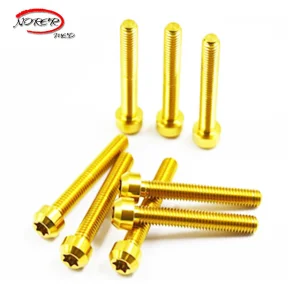
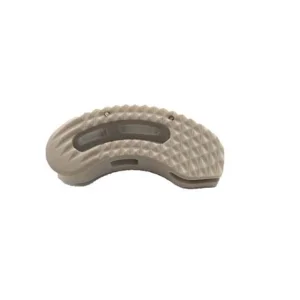
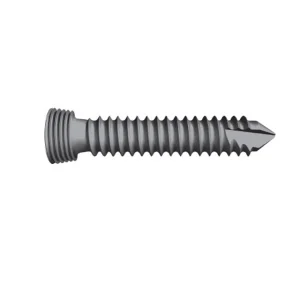
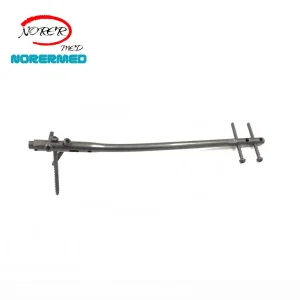
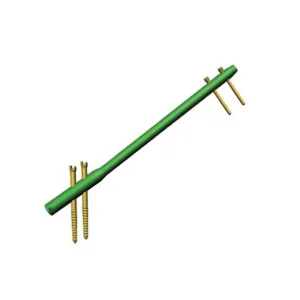
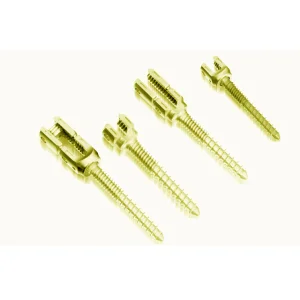
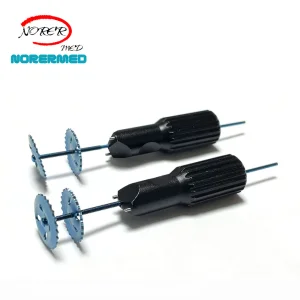
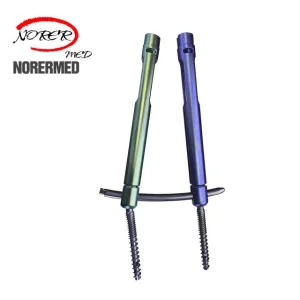
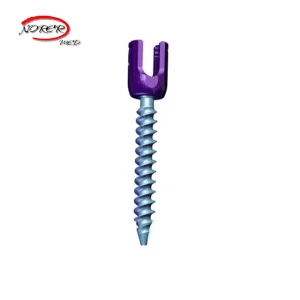
Advanced trauma implants engineered to interface seamlessly with modern hip and knee reconstruction protocols.
The orthopaedic implant manufacturing sector within the United States represents one of the most technologically advanced and highly regulated industries globally. Driven by an aging baby-boomer demographic and the rising demand for active-lifestyle preservation, joint replacement surgeries—specifically total hip arthroplasty (THA) and total knee arthroplasty (TKA)—are projected to experience exponential growth over the next decade. In response, US-based original equipment manufacturers (OEMs) and contract factories are aggressively upgrading their manufacturing techniques.
To maintain a competitive edge, American manufacturers are shifting away from traditional casting methods toward additive manufacturing (3D printing) and high-precision CNC multi-axis milling. These advanced fabrication methods allow for the creation of complex porous titanium structures that mimic human trabecular bone, drastically improving biological fixation and long-term osteointegration. This evolution has led to a highly specialized ecosystem of raw material suppliers, research institutes, and finish-processing factories operating under stringent FDA validation protocols.
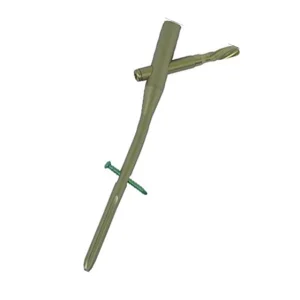
However, this rapid demand has also created supply chain bottlenecks. To mitigate risks, leading orthopedic brands in the US are establishing robust global supply chains. By partnering with international specialists who offer contract manufacturing for key mechanical components (such as trauma nails, lock screws, and spinal cages), US factories can focus their local capacity on customized joint replacement lines and patient-specific implants.
For global medical device sourcing directors, the balance between production cost, manufacturing scale, and regulatory compliance is a constant challenge. Hip and knee reconstruction setups require highly specialized instruments, trial sizing components, and bone screws. Finding a single factory in the United States to handle both low-cost bulk mechanical parts and high-liability articulating surface finishes is cost-prohibitive.
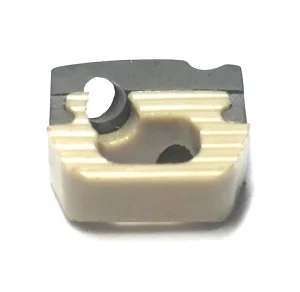
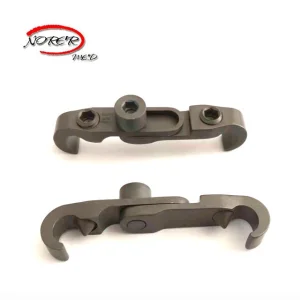
The prevailing strategy involves a hybrid procurement framework. Large US medical device organizations source high-volume components—such as locking screws, trauma interlocking nails, crosslink rods, and structural PEEK cages—from certified global manufacturers that possess advanced Swiss CNC screw machining capabilities. This structure optimizes production expenses and allows factories in the United States to prioritize high-margin finishing tasks, sterile packaging, and local FDA representation.
To achieve a successful hybrid supply setup, international suppliers must operate under strict E-E-A-T (Experience, Expertise, Authoritativeness, and Trustworthiness) principles. Factories must provide absolute transparency, including raw material heat numbers, CNC program validation charts, and detailed coordinate measuring machine (CMM) reports.
Showcasing our factory’s precision manufacturing capabilities for orthopedic alloys.
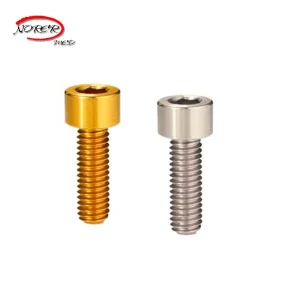
Our factory excels in Swiss-type CNC micro-machining of biocompatible titanium and cobalt-chrome alloys. This custom capability supports the manufacturing of specialized fixation screws and components for global hip and knee implant assemblies, ensuring adherence to high dimensional tolerances (+/-0.005mm).
Request Machining QuotationA breakdown of the biomaterials and machining technologies shaping modern joint reconstruction and trauma fixation systems.
The longevity of hip and knee replacements relies on the tribological properties and biocompatibility of the implant materials. Below is the technical performance comparison of materials utilized in contract manufacturing pipelines:
| Material Class | Common Standard | Primary Mechanical Strengths | Typical Orthopedic Application |
|---|---|---|---|
| Titanium Alloy (Ti-6Al-4V ELI) | ASTM F136 / ISO 5832-3 | High strength-to-weight ratio, low elastic modulus, excellent osseointegration. | Femoral stems, acetabular cups, interlocking trauma nails, bone screws. |
| Cobalt-Chromium-Molybdenum | ASTM F75 / ASTM F1537 | Exceptional wear resistance, extreme hardness, mirror-like finish capability. | Articulating femoral heads, knee femoral components, tibial trays. |
| Polyetheretherketone (PEEK) | ASTM F2026 | Radiolucency, elastic modulus close to cortical bone, chemical resistance. | Interbody spinal fusion cages, specialized trauma pins. |
| UHMWPE (Cross-linked Polyethylene) | ASTM F648 | Ultra-low wear rate under articulation, impact toughness, low friction coefficient. | Acetabular liners, knee tibial bearing inserts, patellar buttons. |
Implant longevity depends significantly on the bone-implant interface. In hip prosthesis factories, the outer surface of the titanium stem undergoes Grit Blasting, Vacuum Plasma Spraying (VPS), or Hydroxyapatite (HA) coating. These methods create a rough, bioactive topography that encourages host bone growth directly into the implant, minimizing the risk of aseptic loosening. For knee femoral articulating parts, polishing processes are employed to achieve a surface roughness (Ra) below 0.02 microns. This smooth finish helps reduce wear on the opposing polyethylene inserts.
Full suite of trauma screws, interlocking nails, cranial fixation locks, and spinal cage devices built under strict validation guidelines.
A certified, highly specialized factory supporting the global orthopedic device supply chain with trauma implants, pedicle screws, and PEEK interbody cage systems.
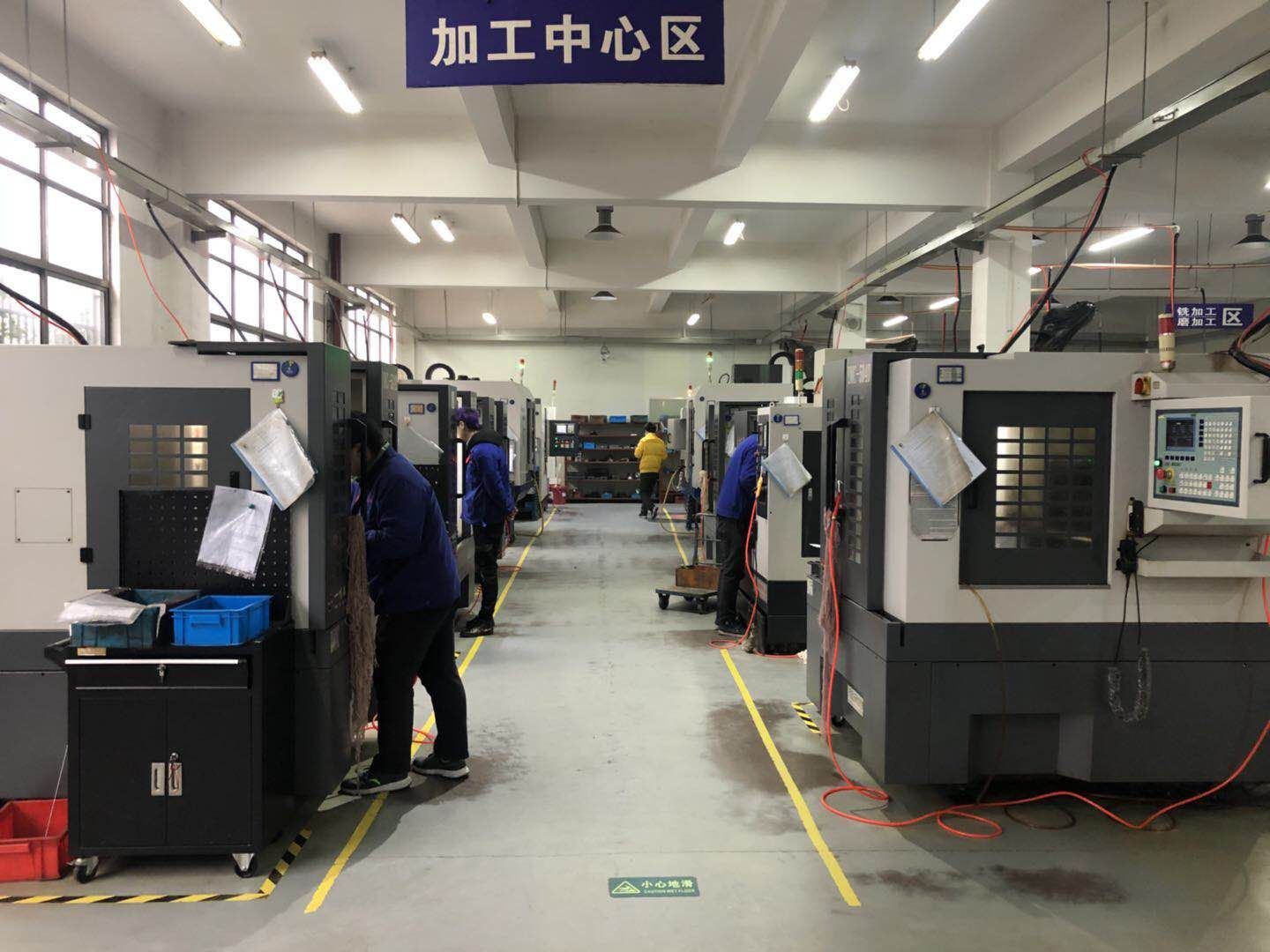
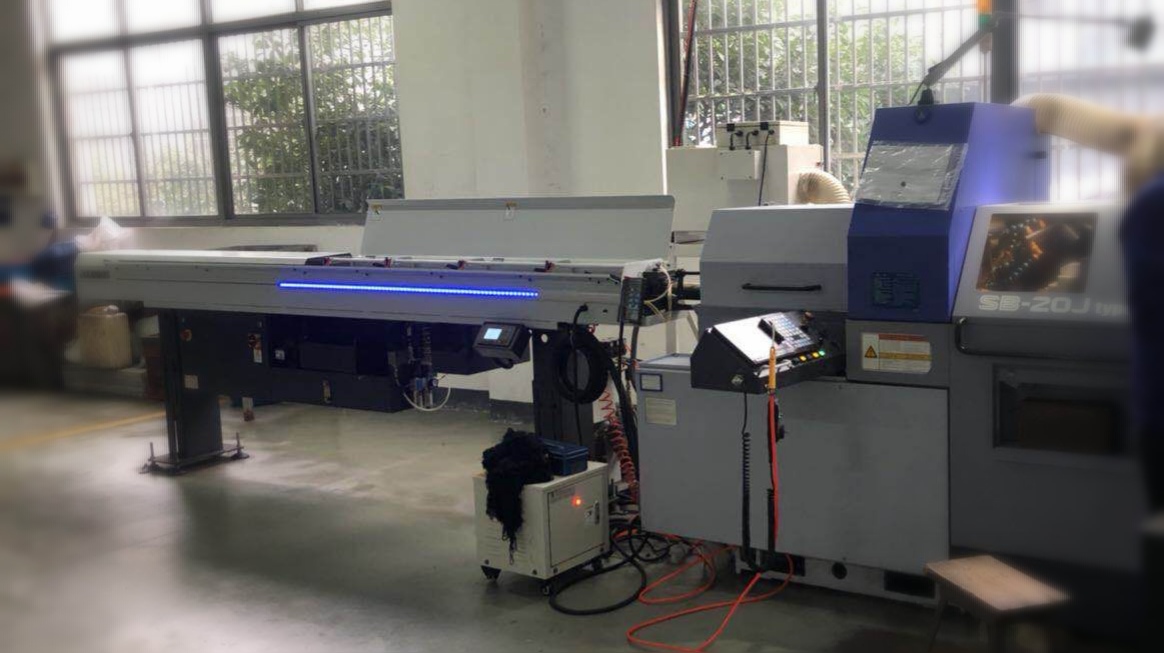
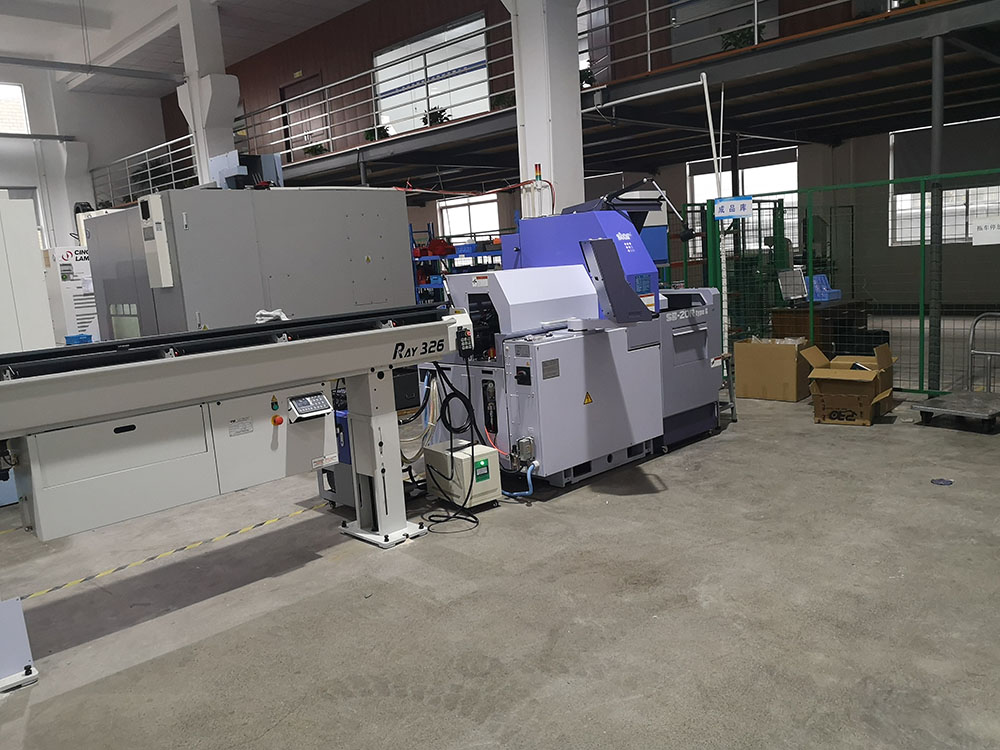
Addressing technical, quality control, and regulatory questions for global medical device procurement directors.
In the United States, class type is determined by risk. Most primary hip and knee prosthesis assemblies, which are load-bearing, permanent implants, are classified as Class III devices and require premarket approval (PMA) or a rigorous 510(k) pathway. In contrast, trauma fixation components, such as interlocking nails, bone plates, and skull locks, are generally classified as Class II, requiring a standard 510(k) pathway demonstrating substantial equivalence to a predicate device.
DEON Medical functions as a specialized OEM/ODM supplier, providing high-precision components such as locking screws, spinal rods, and interbody cages. This support allows US joint replacement manufacturers to purchase standard trauma and fixation hardware at competitive prices, enabling them to focus their domestic manufacturing capacity on primary joint articulation components.
PEEK (Polyetheretherketone) features an elastic modulus (approx. 3.6 GPa) that is closer to human cortical bone than titanium (approx. 110 GPa). This similarity helps reduce stress shielding, where the metal implant carries too much load and causes the surrounding bone to resorb. Additionally, PEEK is radiolucent, which allows surgeons to monitor bone fusion progress on X-rays without the distortion or artifacts caused by metal implants.
Contract factories must maintain an ISO 13485:2016-certified quality management system. Sourcing teams look for facilities with 100% optical dimension checking systems, coordinate measuring machines (CMM) for complex geometries, ultrasonic cleaning lines, cleanroom packaging (Class 10,000 / ISO Class 7), and full traceability records for raw materials (such as melt batch tracking and chemical composition verification).
Whether you require standard titanium locking screws, specialized trauma interlocking nails, or custom CNC machining to support your US-based hip and knee assembly operations, our engineers are ready to assist you.
Send Inquiry Now Deon Medical