High-precision orthopedic constructs optimized for emergency medicine, pelvic fractures, and long-bone revision surgeries across Costa Rica.
An authoritative analysis of regulatory requirements, procurement strategies, and industrial demands within the Central American medical hub.
Costa Rica’s healthcare ecosystem is defined by a unique dual structure. The public sector, governed by the Caja Costarricense de Seguro Social (CCSS), covers over 90% of the local population and operates major national referral hospitals such as Hospital México, Hospital Rafael Ángel Calderón Guardia, and Hospital San Juan de Dios. For international exporters of hip, knee, and trauma prosthesis solutions, navigating the CCSS centralized bidding system (typically conducted via the digital platform SICOP) requires strict compliance with international medical device standards.
Public tenders demand comprehensive documentation proving long-term clinical efficacy, mechanical wear performance of ultra-high-molecular-weight polyethylene (UHMWPE) inserts, and the biocompatibility of titanium alloys (Ti-6Al-4V ELI). Furthermore, suppliers must provide evidence of biological safety, sterility validation reports (gamma irradiation or EO gas), and instrumentation sets designed for intraoperative precision.
Complementing the public system is Costa Rica's booming private healthcare sector. Accredited by Joint Commission International (JCI), private facilities like Hospital CIMA, Hospital Clínica Bíblica, and Hospital Metropolitano serve both affluent domestic patients and a growing wave of medical tourists from North America. Because of the proximity and lower operational costs, US and Canadian patients seek total joint replacements (total hip arthroplasty and total knee arthroplasty) in San José and Liberia.
To cater to this discerning market, private surgeons demand implants that match or exceed the performance of premium Western brands. Implants must feature advanced surface coatings—such as plasma-sprayed titanium or hydroxyapatite (HA)—to accelerate cementless osteointegration. As an exporter serving Costa Rica, we bridge this gap by delivering ISO 13485-certified systems that integrate seamlessly with standard surgical protocols.
Why sourcing from DEON Medical in Changzhou, China, optimizes capital efficiency and quality assurance for Central American distributors.
Located in Jiangsu Province, Changzhou is widely recognized as the silicon valley of China's orthopedic medical device manufacturing. The city hosts a complete industrial cluster, from raw medical-grade titanium bar suppliers to Swiss-type longitudinal CNC machining facilities and surface modification laboratories.
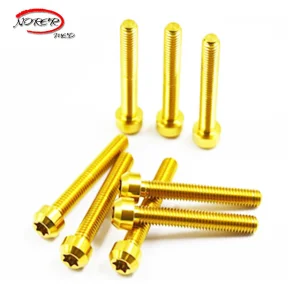
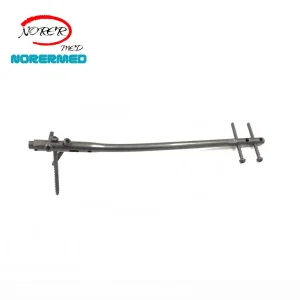
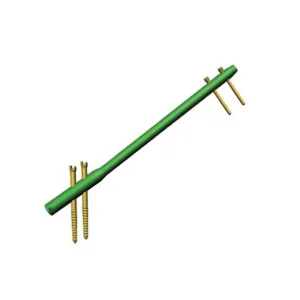
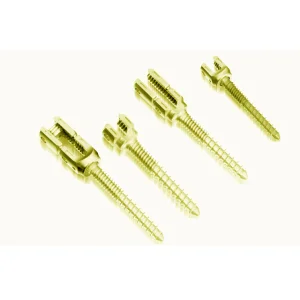
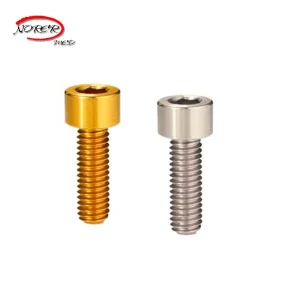
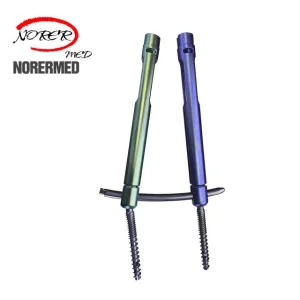
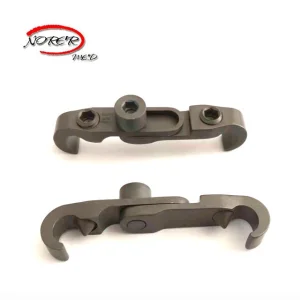
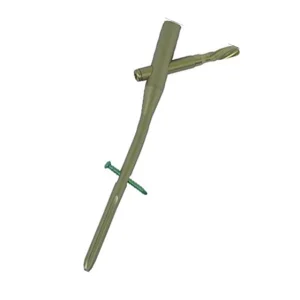
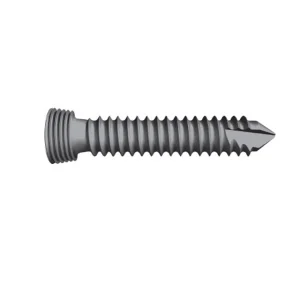
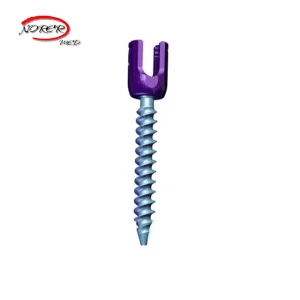
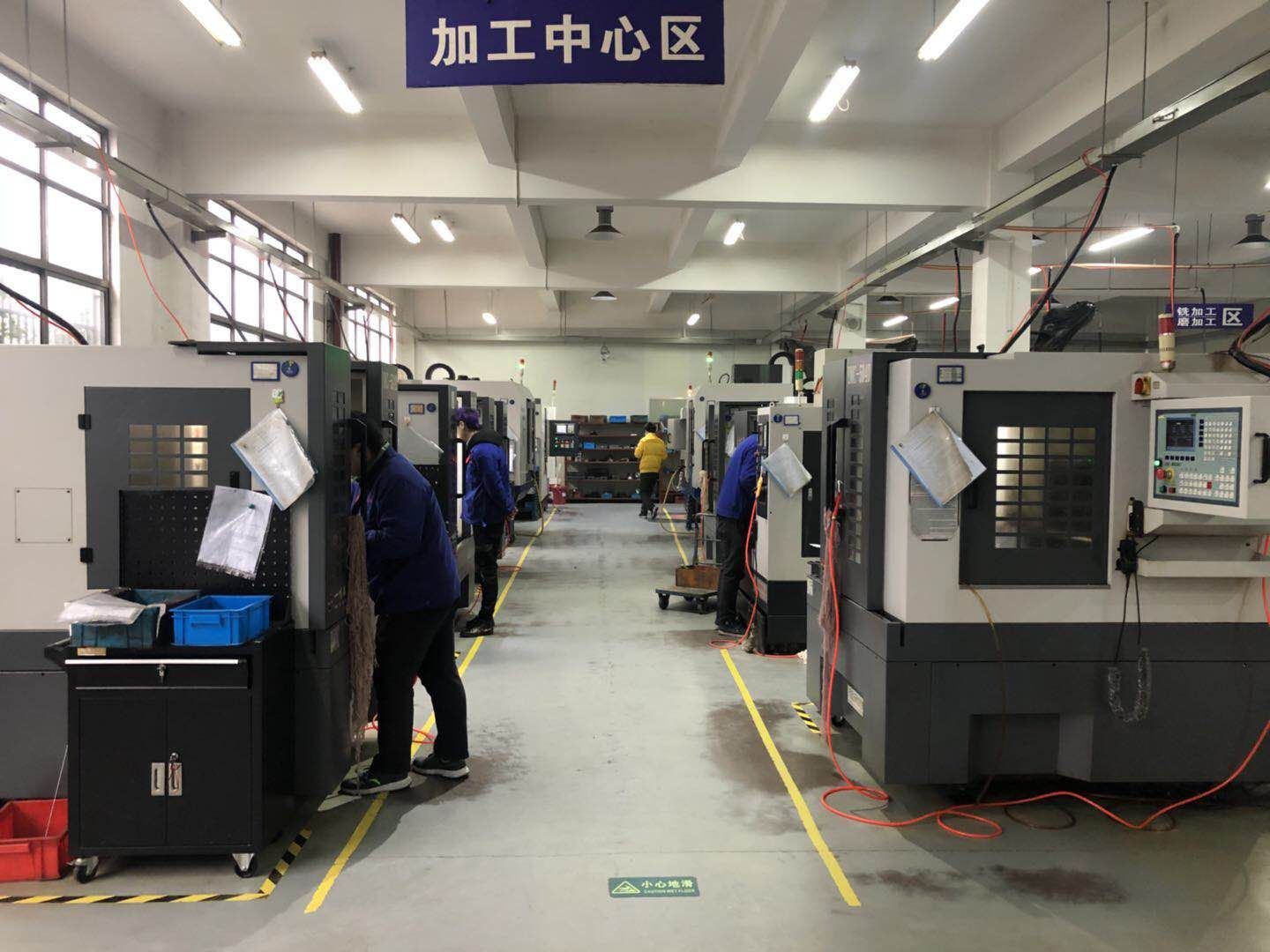
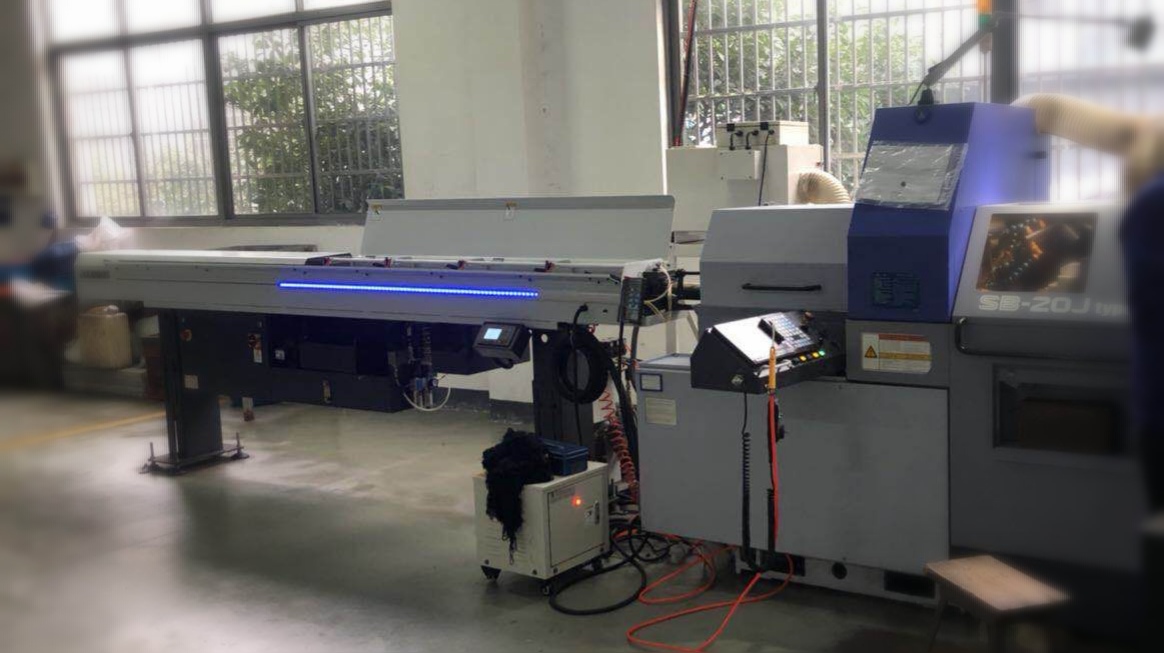
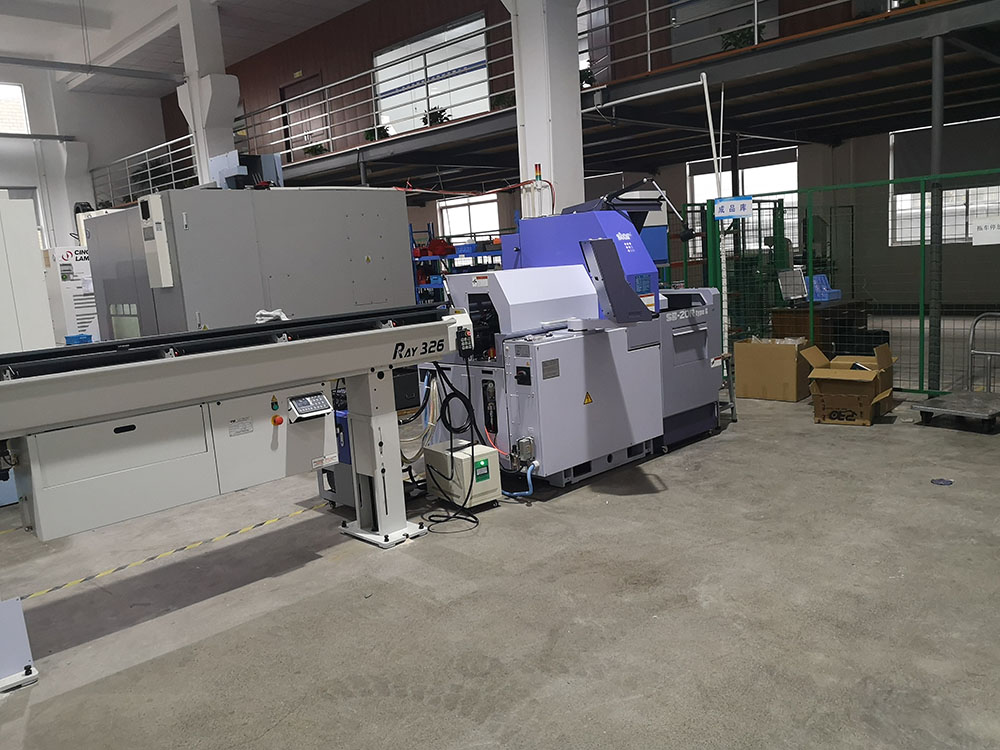
At DEON Medical (Changzhou) Co., Ltd., we harness this specialized ecosystem to manufacture trauma plates, locking screws, spinal pedicle screws, and PEEK interbody fusion cages. By utilizing multi-axis Citizen CNC sliding headstock lathes and HAAS machining centers, we achieve tolerances within ±0.005mm. This manufacturing consistency is critical for interlocking nails and polyaxial pedicle screws, where cross-threading or mechanical failure under cyclical load is not an option.
By bypassing traditional multi-tier distribution networks, Costa Rican importers and B2B medical suppliers can directly acquire raw materials and finished implants from DEON Medical, realizing a 30% to 50% cost advantage compared to European or American OEMs. This economic buffer allows local distributors to bid more competitively on CCSS national tenders while maintaining healthy operational margins.
Understanding the clinical performance of Grade 5 Titanium ELI and PEEK-OPTIMA in modern implantology.
For our spinal pedicle screw systems, interlocking nails, and custom trauma plates, we use medical-grade Titanium Grade 23 (Ti-6Al-4V ELI). This material exhibits superior fatigue strength, corrosion resistance in biological environments, and a lower elastic modulus compared to stainless steel. The reduced modulus minimizes stress shielding—a phenomenon where the metal implant carries all the mechanical loads, leading to bone resorption and loosening of the prosthesis over time.
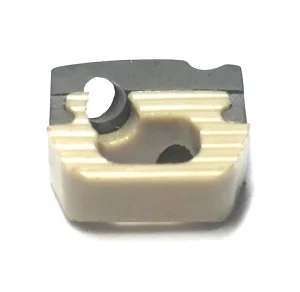
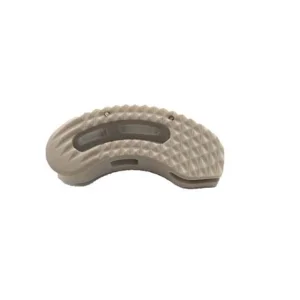
Our anterior cervical interbody fusion (ACIF) and transforaminal lumbar interbody fusion (TLIF) cages are manufactured using implant-grade PEEK. PEEK mimics the mechanical properties of human cortical bone, reducing the risk of cage subsidence. Crucially, PEEK is radiolucent, allowing surgeons to monitor fusion progress on follow-up X-rays or CT scans without the metal artifacts created by titanium cages.
A comprehensive selection of ISO-compliant veterinary and human implants supporting orthopedic reconstruction throughout Central America.
Visualizing the manufacturing processes, cleanroom environments, and final quality control operations at DEON Medical.
Answers to critical questions regarding imports, compliance, customization, and logistics for Costa Rican distributors.
Equip your hospitals, clinics, and distributorships with high-performance biocompatible implants. Contact our dedicated Latin American export team today for technical catalogs, pricing schedules, and compliance dossiers.
Send Inquiry Now Deon Medical