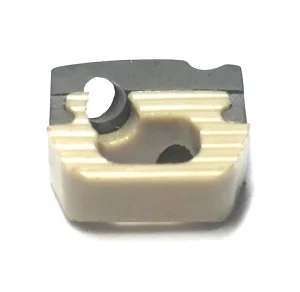
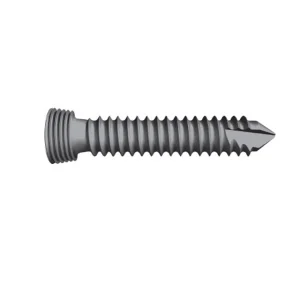
Biocompatible solutions engineered to meet the stringent clinical demands of Seoul's premier neurosurgical departments.
Seoul stands as a global beacon for high-intensity medical services, boasting world-renowned clinical research institutions clustered in districts like Gangnam, Jongno, and Seocho. Academic hospitals such as Seoul National University Hospital (SNUH), Asan Medical Center, and Severance Hospital perform thousands of complex craniotomies, trauma reconstructions, and oncology resections annually. In these high-precision operating theaters, the need for reliable, biomechanically stable cranial implants is paramount.
Modern cranioplasty has transitioned from off-the-shelf basic meshes to advanced osteosynthesis systems that offer rapid fixation, minimal profile visibility, and optimal biocompatibility. Surgeons in South Korea demand implants that reduce intraoperative assembly time, minimize the risk of surgical site infections (SSIs), and ensure artifacts do not disrupt post-operative MRI or CT surveillance. The sourcing landscape for neurosurgery implants in Seoul requires a delicate balance of advanced material properties, fast lead times, and compliance with strict quality standards.
The primary concern for procurement managers in Seoul is finding a supplier that bridges the gap between premium performance and optimized cost structures. Given the high medical insurance reimbursement oversight by the Health Insurance Review and Assessment Service (HIRA) in South Korea, balancing clinical outcomes with unit economics remains a key strategic priority.
In cranial reconstruction, the selection of materials dictates the long-term success of the intervention. Titanium Grade 5 (Ti-6Al-4V ELI) and PEEK (Polyetheretherketone) represent the absolute pinnacle of contemporary biomaterials. Each presents unique mechanical properties, imaging performance, and healing dynamics, as outlined in our technical matrix below:
| Property Parameter | Medical-Grade Titanium (Grade 5 ELI) | High-Performance PEEK | Clinical Significance |
|---|---|---|---|
| Modulus of Elasticity | ~110 GPa | ~3.6 GPa (Matches cortical bone) | Reduces stress shielding, protecting native bone structure. |
| Tensile Strength | > 860 MPa | ~100 MPa | Determines resistance to mechanical trauma and impact loads. |
| Imaging Performance | Generates minor scatter artifacts on CT/MRI | Completely radiolucent (Zero artifacting) | Crucial for oncological follow-up and tumor margin mapping. |
| Osseointegration | Excellent osteoconductivity via surface microtopography | Bioinert (Requires porous structure modification) | Determines long-term implant anchorage to surrounding bone. |
| Sterilization Profiles | Autoclave, Gamma Irradiation, EtO | Autoclave, EtO | Ensures compliance with strict operating room sterile fields. |
While Titanium continues to dominate the market due to its outstanding mechanical strength, easy malleability, and cost-effectiveness, PEEK has carved a specialized niche for cases requiring complex radiographic monitoring or specific thermal insulation properties. DEON Medical manufactures and supplies components utilizing both methodologies, matching the diverse clinical preferences of Seoul's top neurosurgeons.
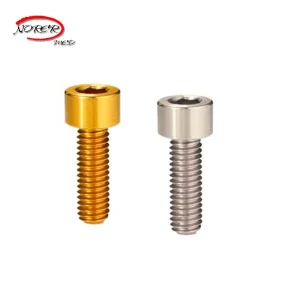
Our production facilities utilize modern Swiss CNC sliding head machines, wire EDM, and multi-axis milling systems. This ensures every bone screw, cranial lock, and spinal cage meets geometric tolerance parameters within ±5 microns. Raw materials are sourced exclusively from verified, medical-grade global suppliers accompanied by chemical mill test certificates.
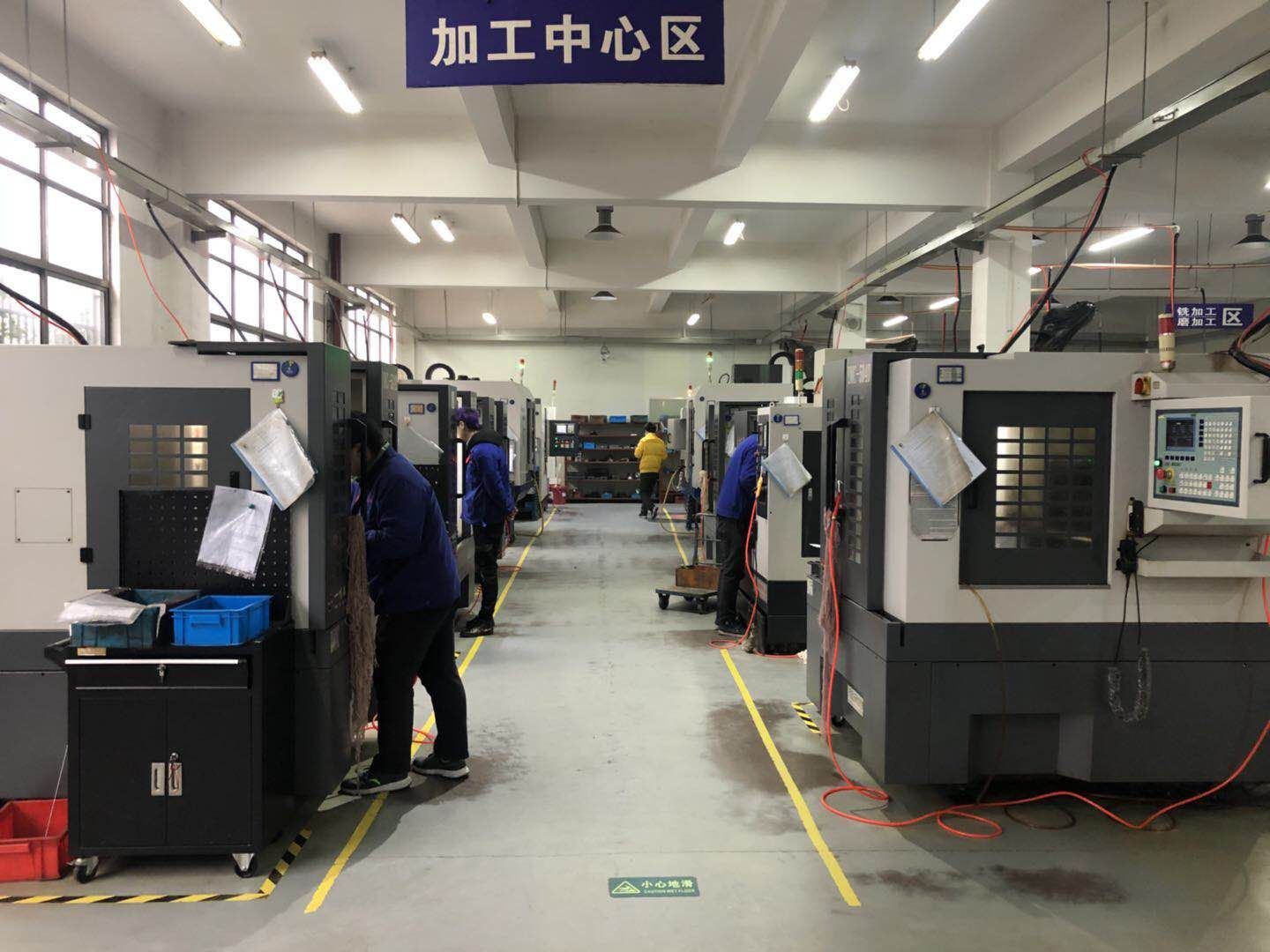
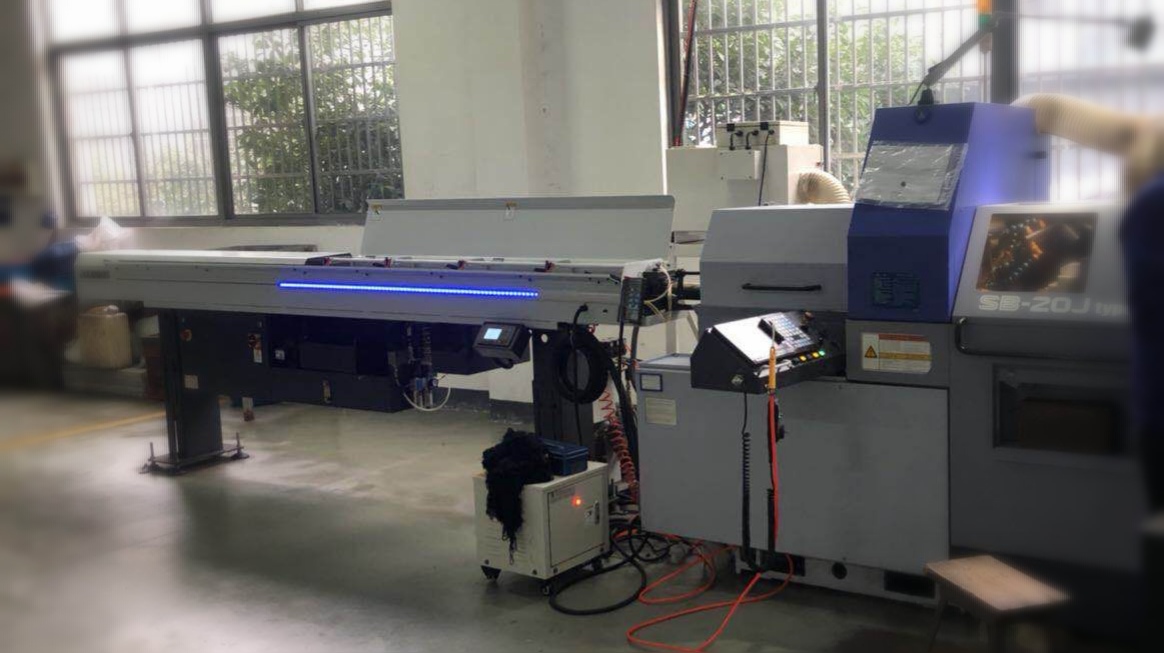
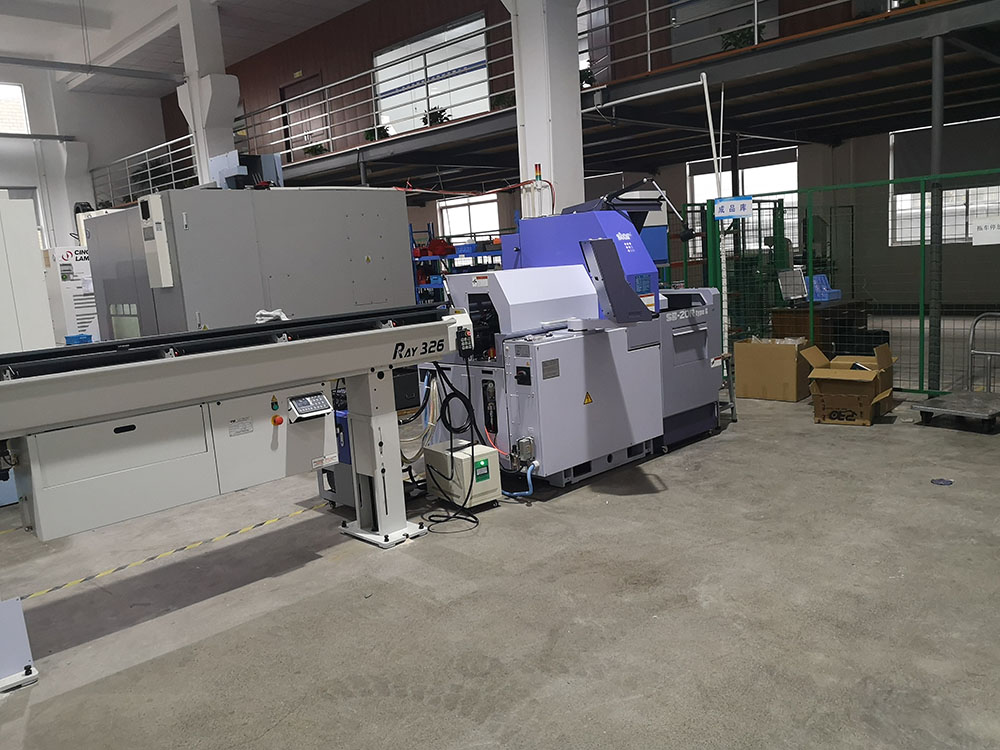
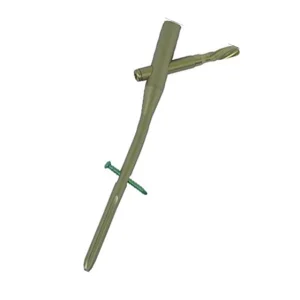
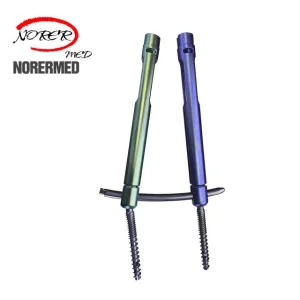
Strategically based in the medical device manufacturing hub of Changzhou City, Jiangsu Province, China. We are a specialized designer and manufacturer of premium orthopedic trauma bone plates, high-precision bone screws, interlocking intramedullary nails, spinal stabilization systems, cervical plates, and PEEK interbody fusion cages.
Every production batch undergoes meticulous quality checks: optical comparator measurements, fatigue testing under simulated physiological loads, and ultrasonic cleaning in Class 100,000 cleanrooms to guarantee pyrogen-free surfaces prior to packaging.
Comprehensive orthopedic and neurosurgical systems engineered for reliable clinical performance.
Importing surgical implants into South Korea demands compliance with the Ministry of Food and Drug Safety (MFDS) regulatory frameworks. Class II and Class III medical devices must undergo strict documentation reviews, including comprehensive design dossiers, ISO 13485 quality management audits, and clinical evaluation reports (CER). As a factory-direct partner, DEON Medical assists local distributors and medical device importers in Seoul by providing clean technical data files, raw material traceability records, and packaging integrity validation data.
Additionally, our logistical location in Changzhou, Jiangsu, offers clear advantages for shipping to South Korea. Situated near international shipping channels in Shanghai and Ningbo, we facilitate express airfreight directly to Incheon International Airport (ICN) within 3 to 5 business days, alongside sea freight channels directly to Incheon Port. This proximity minimizes customs delays, ensuring stable inventory cycles for time-sensitive surgeries.
Complementary stabilization products to complete the system portfolio.
Key information regarding regulatory alignment, technical parameters, and supply chain logistics.
Connect with our technical sales division to request product catalogs, mechanical test data sheets, or a direct manufacturing quotation.
Send Inquiry Now Deon Medical