Strictly compliant with international standards, these selected human and veterinary implants feature class-leading bio-compatibility and biomechanical strength.
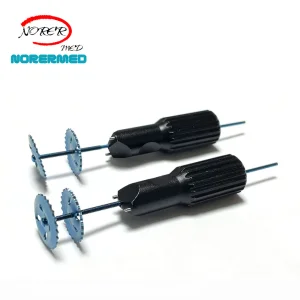
Premium biocompatible fixation system providing rigid cranial flap stabilization post-craniotomy.
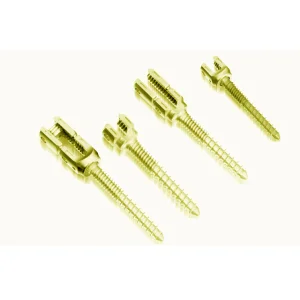
Engineered specifically for canine and feline spinal reconstructions and stabilization protocols.
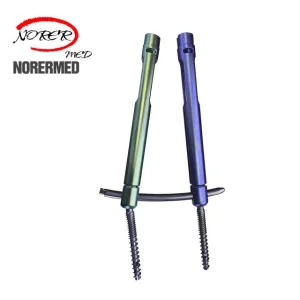
Ultra-low profile design optimized for minimally invasive spinal fusions in companion animals.
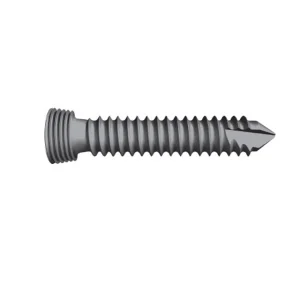
Excellent self-tapping threads and high fatigue limit, ensuring mechanical integrity under load.
The healthcare system of New Zealand is undergoing a profound structural evolution. With the consolidation of District Health Boards (DHBs) into Te Whatu Ora (Health New Zealand), public procurement has centralized, shifting the focus towards standardizing clinical supplies, reducing lead times, and controlling per-unit procurement costs without compromising patient safety.
For surgical institutions—ranging from major metropolitan hospitals in Auckland, Wellington, and Christchurch to regional clinics—procuring implants and instruments requires strict adherence to regulatory standards. Every medical device must be registered database-compliant through the Medsafe WAND system (Web-based Database of Medical Devices).
Concurrently, the private surgical market, represented by groups like Southern Cross Healthcare and Mercy Ascot, demands premium-tier implants with swift customization options. Additionally, New Zealand’s massive agricultural dependency and high pet ownership rate create a sophisticated market for Veterinary Orthopedics, where working farm dogs and companion pets require high-durability spinal and trauma solutions.
The global orthopedic implant sector is experiencing a paradigm shift. Traditional sourcing methods are giving way to digitalized, highly adaptable supply lines. Advanced clinical techniques demand materials that minimize stress shielding (such as carbon-fiber reinforced PEEK) and implants designed for minimally invasive surgeries. However, the rise in worldwide inflation and public healthcare budget constraints has forced hospital procurement directors to seek direct-from-manufacturer partnerships.
Changzhou, located in the Jiangsu province, is recognized globally as the premier cluster for medical device manufacturing. Utilizing Swiss-type CNC automatic lathes, multi-axis machining centers, and Class 100,000 cleanrooms, manufacturers in this region achieve unparalleled tolerances (down to 0.005mm). This hyper-localized ecosystem allows companies like DEON Medical to source certified materials, execute advanced surface treatments (anodizing, sandblasting, acid etching), and complete sterilizable packaging workflows with maximum cost-efficiency.
When procurement officers in Wellington or Auckland evaluate external OEM/ODM partners, they verify the device history records (DHR). Our production facilities maintain real-time monitoring of raw material grain structure, ensuring titanium implants do not fail under dynamic cyclic fatigue. For spinal implants, such as PEEK cages, we employ raw polymers certified for long-term implantation, delivering equivalent clinical outcomes to legacy Western brands at a fraction of the cost.
A comparative overview designed for orthopedic surgeons, biomedical engineers, and commercial healthcare procurement officers.
| Material Property | Medical-Grade Titanium (Ti-6Al-4V ELI) | PEEK (Polyetheretherketone) | Clinical Advantage for Patients |
|---|---|---|---|
| Modulus of Elasticity | ~110 GPa | ~3.6 GPa (Close to cortical bone) | PEEK significantly reduces stress-shielding, encouraging natural bone remodeling. |
| Radiolucency | Radiopaque (High artifact on CT/MRI) | Fully Radiolucent (X-ray transparent) | Allows surgeons to precisely assess fusion progress post-operatively. |
| Osseointegration | Excellent (Naturally forms bio-inert oxide layer) | Requires surface treatment or bone graft pockets | Titanium is optimal for high-load joint reconstruction; PEEK is ideal for interbody cages. |
| Fatigue Limit | Superior (High dynamic mechanical stress threshold) | Moderate-High (Optimal for spinal loads) | Ensures implant lifetime outlasts the patient healing cycle without structural failure. |
Direct transparency of DEON Medical's manufacturing footprint, certifying quality control and capacity for international supply contracts.
Our facility implements strict ISO 13485 quality protocols. Every single manufacturing lot undergoes dimensional verification using coordinate measuring machines (CMM) and projector inspection systems. Raw materials are imported from certified medical-grade alloy mills and accompanied by chemical analysis certificates (MTR).
Furthermore, our surface treatment line guarantees optimal roughness profiles for osseointegration, using controlled acid washing and bead-blasting protocols that leave zero chemical residue on finished products.
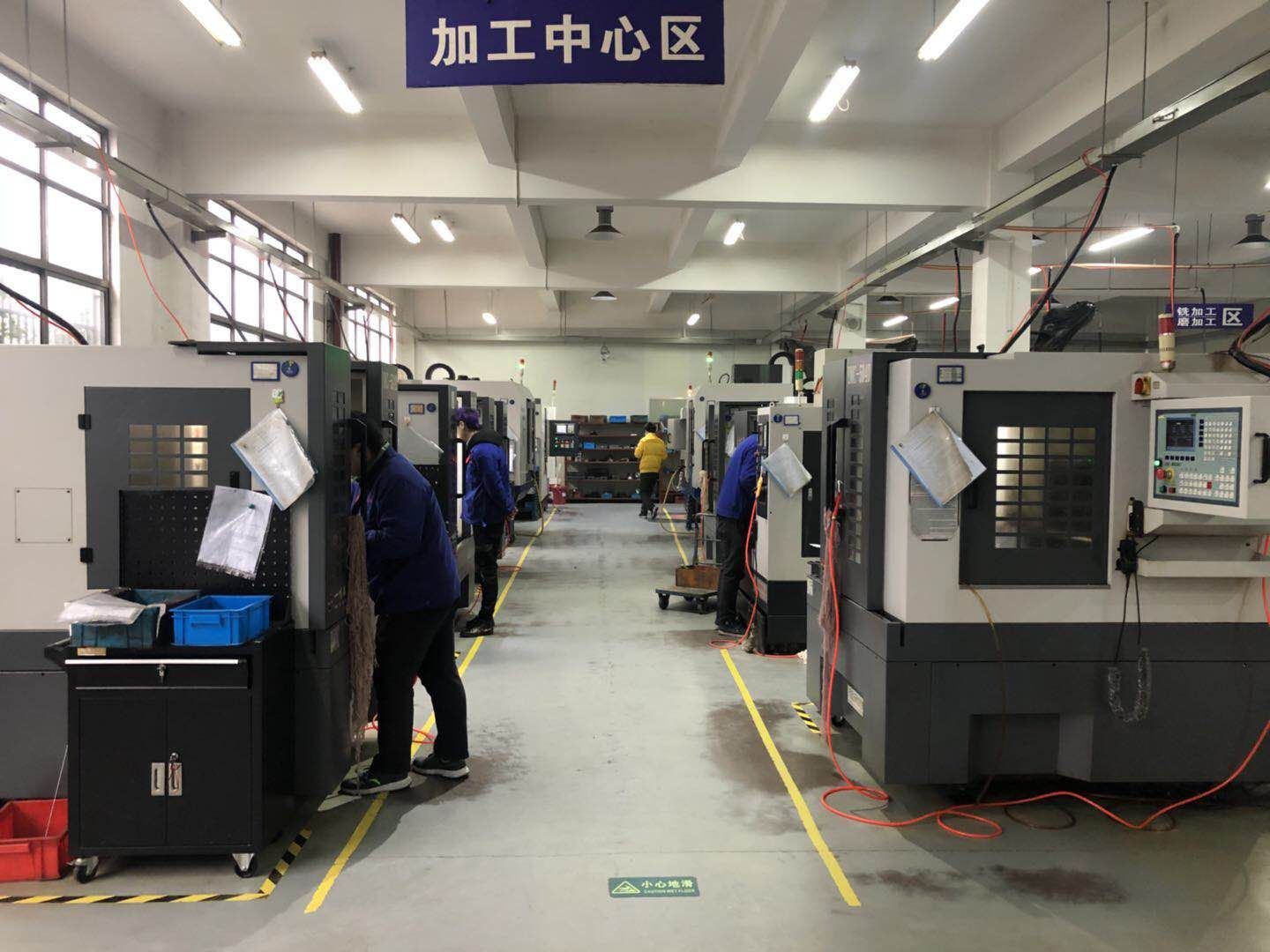
High-speed CNC machining centers executing precision screw threads.
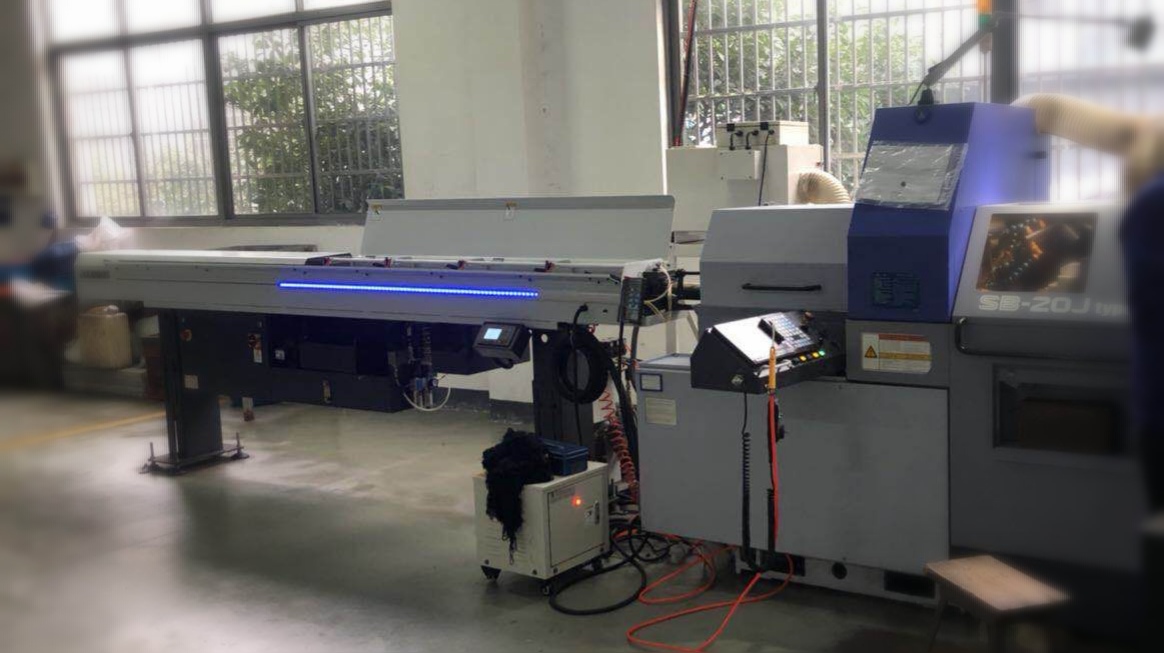
Optical measurement systems validating product dimensions.
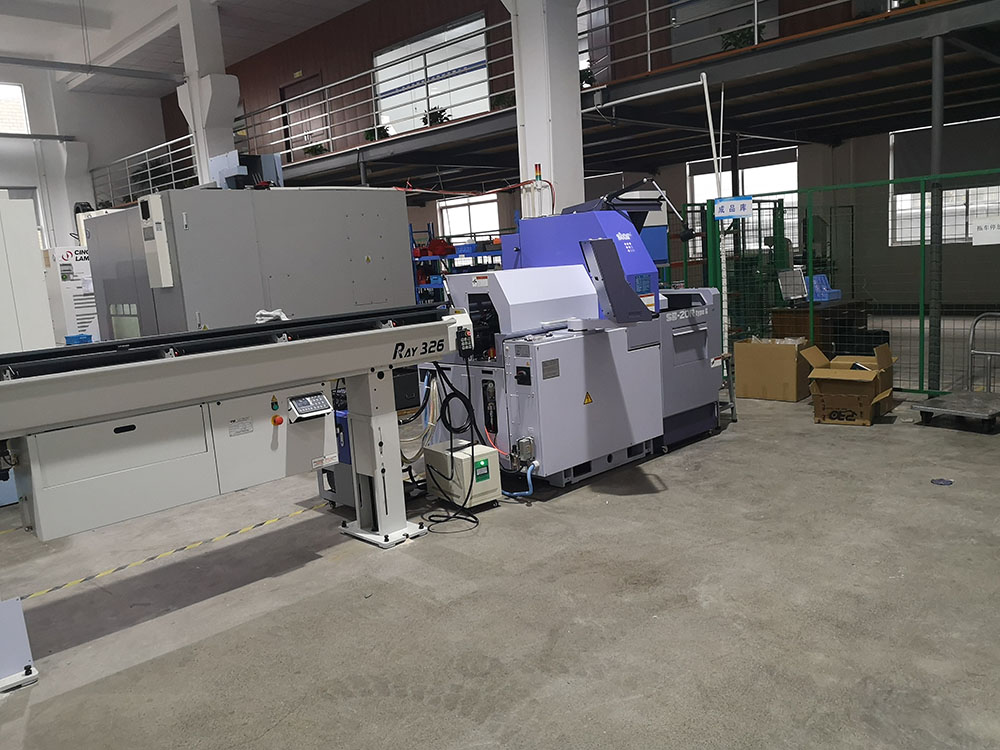
Controlled storage area for trauma plates and fixation products.
Browse our complete line of medical devices engineered for long-term clinical efficacy and structural reliability.
Optimal anatomical fit with locking options for proximal and distal shaft fractures.
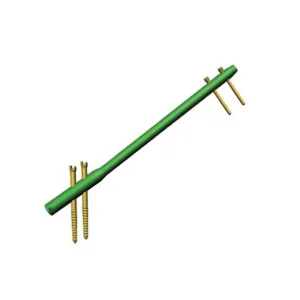
Advanced system for stabilizing complex fractures of the femur shaft.
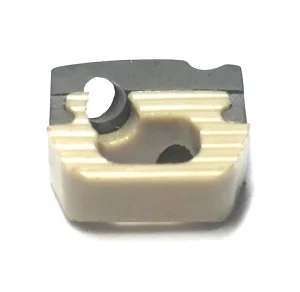
High-performance implant for canine cervical instability treatment protocols.
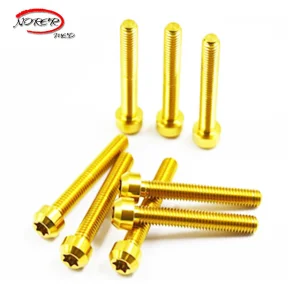
Custom OEM options for distributors requiring precise custom titanium components.
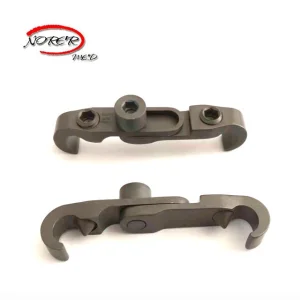
Ensures optimal torsional stability in multi-segment posterior spinal fusions.
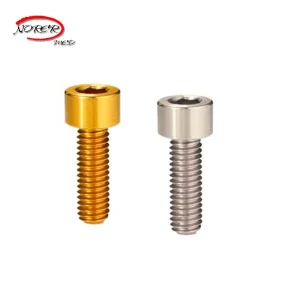
Specialized Swiss-turn machining for complex external and internal fixation assemblies.
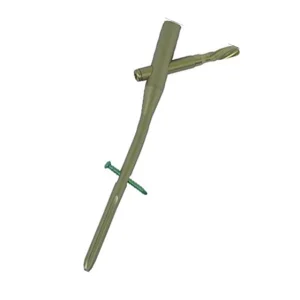
Proximal Femoral Nail Antirotation system optimized for osteoporotic fractures.
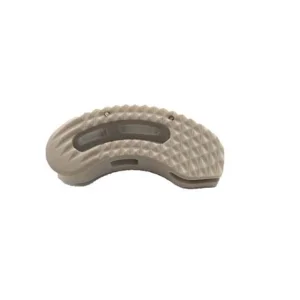
Transforaminal Lumbar Interbody Fusion cage with excellent radiographic clarity.
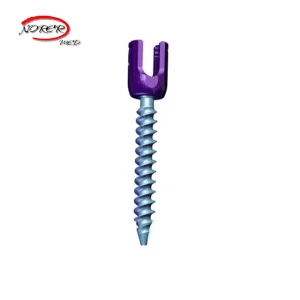
Provides angular adjustment in one plane for complex spinal deformity corrections.
How we coordinate logistics, quality, and certification requirements for oceania-based buyers.
Given the geographic reality of New Zealand, our logistics department coordinates air-express shipments (via DHL/FedEx) for high-urgency custom instruments, reaching Auckland or Christchurch airports within 5 to 7 working days. For bulk trauma plate or locking screw restocking orders, we arrange consolidated sea freight to Port of Tauranga or Lyttelton, optimization-matched to minimize local warehousing expenses.
Our implants are shipped in non-sterile configurations (packaged in clean medical-grade protective bags) and are engineered to withstand standard autoclave sterilization cycles (steam sterilization at 134°C for 18 minutes) or ethylene oxide (EtO) treatments used in central sterile services departments (CSSD) across Southern Cross Healthcare and public Te Whatu Ora networks.
Comprehensive technical answers for hospital administrators, biomedical engineers, and commercial orthopedic distributors.
Yes. Our manufacturing system is certified under ISO 13485:2016 quality standards. We provide complete technical documentation packages (including material certificate of analysis, biocompatibility study summaries, and mechanical fatigue test results) required by New Zealand medical device sponsors to register products on the Medsafe WAND database.
We use medical-grade Titanium Grade 5 ELI (Ti-6Al-4V Extra Low Interstitial) conforming to ASTM F136 specifications, as well as Pure Titanium (Grades 2 and 4) conforming to ASTM F67. For spinal interbody cages, we utilize pure medical-grade PEEK polymer conforming to ASTM F2026.
Absolutely. Our Changzhou facility features multi-axis CNC Swiss-machining centers capable of executing custom toolings, custom length screws, and patient-specific plates from STEP or IGES CAD files. Standard prototype turnaround averages 14 to 21 working days.
We manufacture veterinary-specific spinal pedicle systems and PEEK cages with modified dimensions appropriate for feline and canine anatomy. These items are produced under the same precision CNC tolerances as our human clinical implants, ensuring maximum reliability for animal health providers.
 Deon Medical