These high-demand implant systems represent our core manufacturing solutions customized for orthopedic surgery centers and distribution networks across Mexico City.
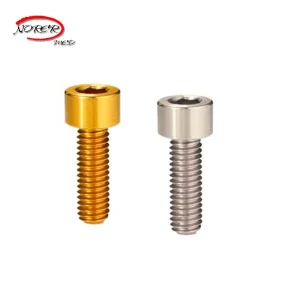
Custom medical-grade screw threading tailored to match orthopedic instrument specifications in Mexico City.
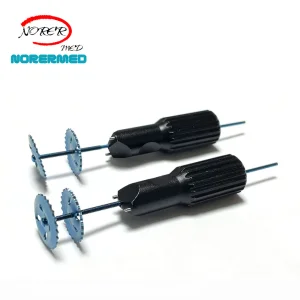
Advanced cranial fixation systems optimized for neurosurgical procedures in CDMX specialty units.
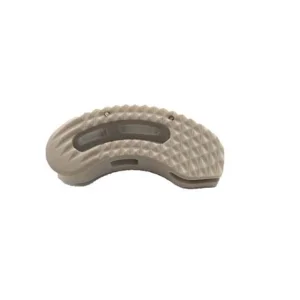
High-performance implantable PEEK cages designed for small animal spinal fusions in veterinary clinics.
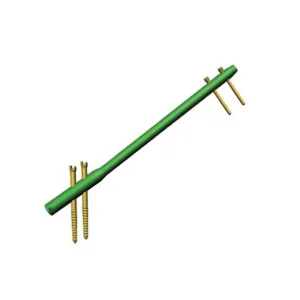
Robust titanium interlocking intramedullary nail systems ideal for trauma surgeries in public hospitals.
As the largest metropolitan zone in North America and a primary clinical hub for Latin America, Mexico City (Ciudad de México) plays a vital role in medical technology consumption. The healthcare infrastructure here supports millions of patients through public networks like the IMSS (Instituto Mexicano del Seguro Social) and ISSSTE, alongside highly advanced private healthcare clusters including Hospital ABC, Grupo Ángeles, and Star Médica. This dual-market ecosystem drives an intense and steady demand for precision orthopedic implants, spinal fixation hardware, and trauma bone screws.
However, the local manufacturing landscape for medical devices in Mexico is bifurcated. While the northern border regions (e.g., Tijuana and Ciudad Juárez) focus heavily on large-scale disposable assemblies and cardiovascular components for North American OEMs, Mexico City functions primarily as the distribution, regulatory compliance, and sales epicenter. Most local factories in the central region concentrate on basic surgical instruments, sterilization trays, and general medical equipment.
This is where a collaborative synergy between Mexico City medical device importers and specialized factories in Changzhou, China becomes essential. It enables local distributors to bypass high costs while providing orthopedic surgeons with devices that meet rigorous international benchmarks like ISO 13485 and CE certifications.
For a surgical instrument distributor in Mexico City to compete effectively in public hospital tenders (licitaciones) and private clinical sales, managing product margins while maintaining zero-defect quality is critical. Partnering with a dedicated Chinese manufacturer like DEON Medical (Changzhou) Co., Ltd. offers key strategic advantages:
We process medical grade raw materials including Ti-6Al-4V ELI (Grade 5 Titanium / ASTM F136), implant-grade PEEK (Polyetheretherketone) from leading suppliers, and high-strength surgical stainless steel. All materials come with mill test certificates (MTC) showing exact chemical composition and mechanical properties.
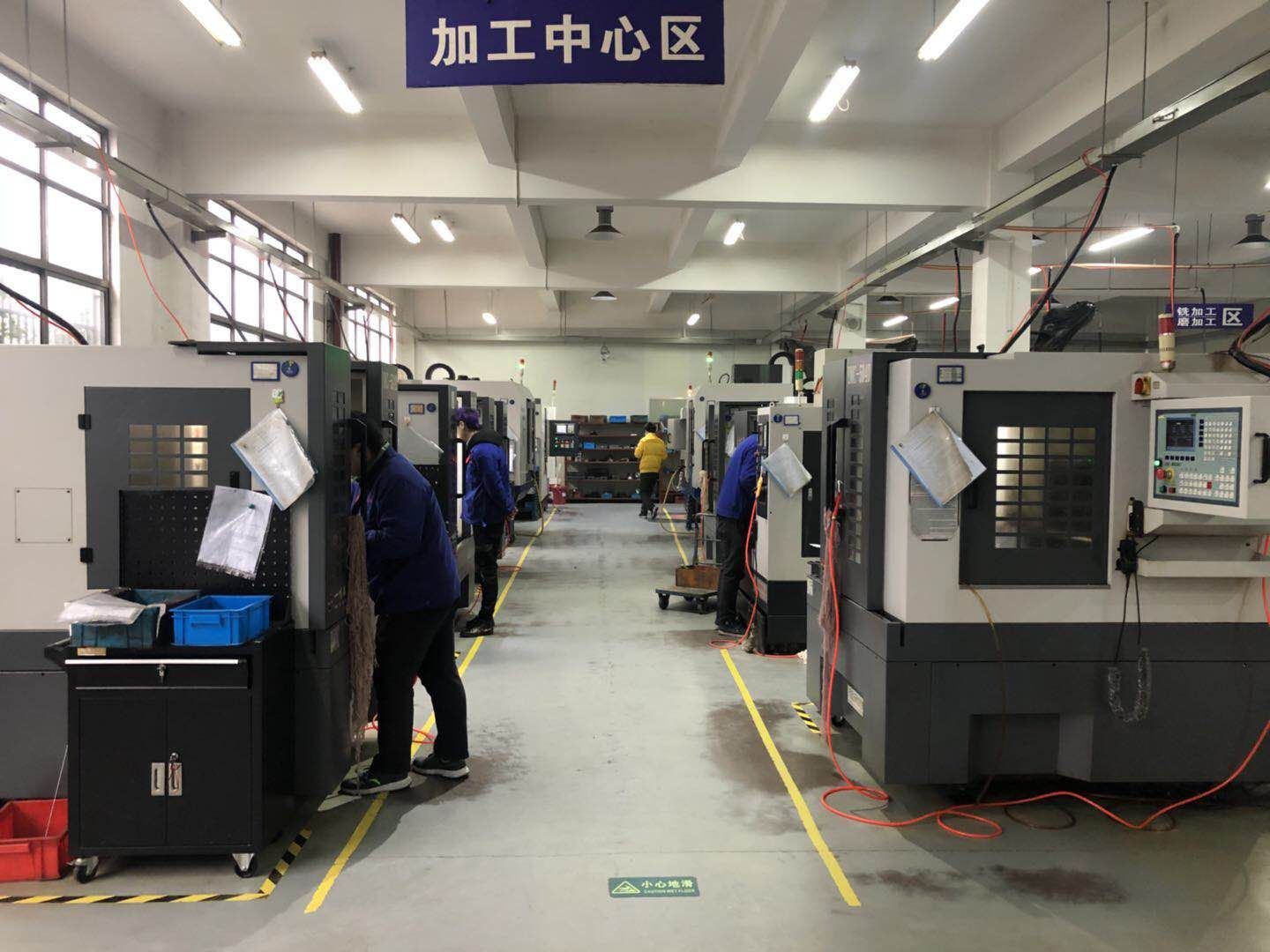
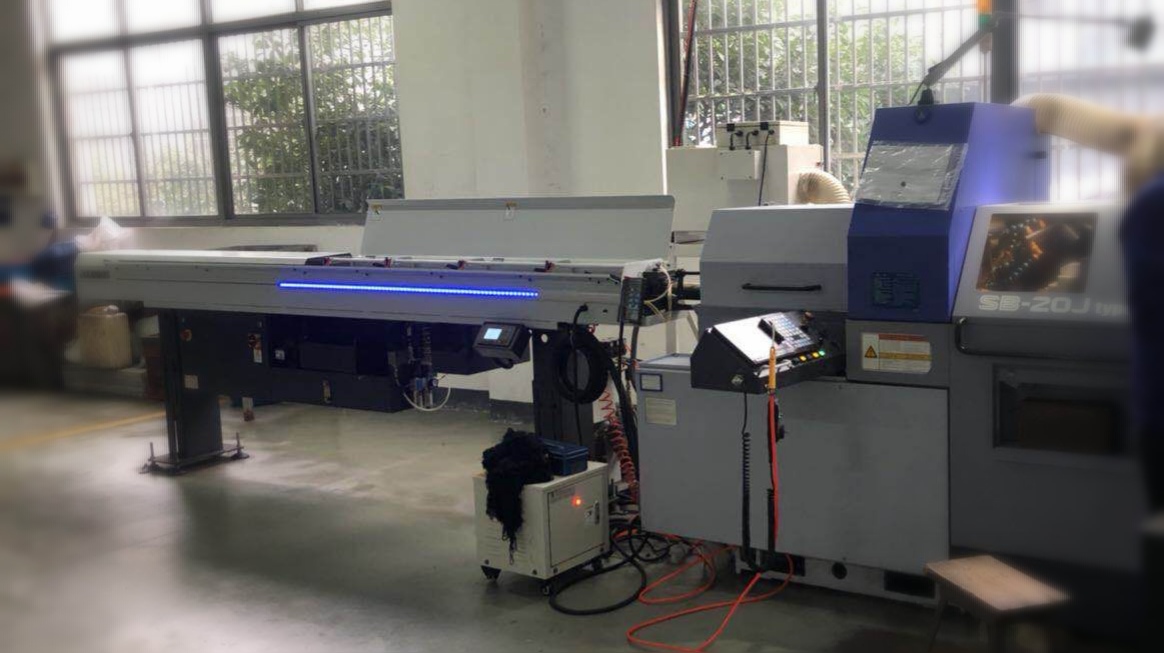
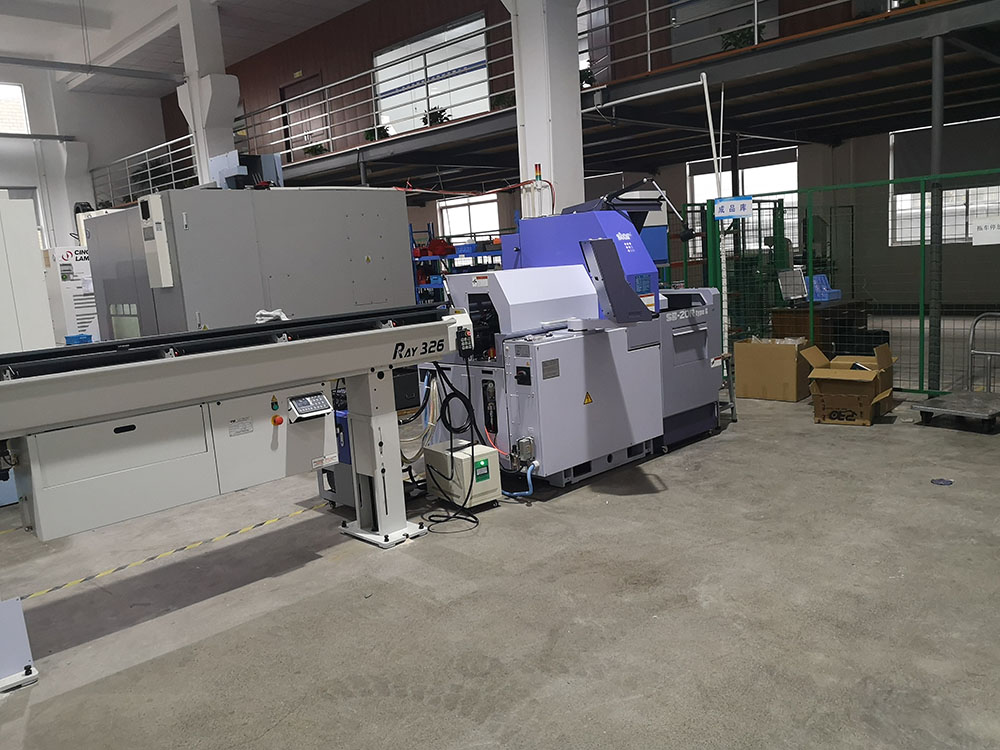
Using advanced multi-axis Swiss CNC lathe systems, we execute complex designs, including variable-angle thread patterns, self-tapping screw flutes, and low-profile plating geometry. This guarantees mechanical strength and compatibility with standard orthotaxy drivers.
Additionally, the centralized ecosystem of Changzhou’s Medical Device Industrial Zone in Jiangsu Province streamlines our processes. From heat treatment and anodizing to ultrasonic cleaning, packaging, and third-party mechanical testing, all phases occur within a single industrial cluster. This high efficiency translates directly into lower per-unit production costs, which we pass along to distributors in Mexico City, improving their competitiveness in regional bids.
Successfully importing orthopedic implants and surgical instruments into Mexico City requires strict alignment with the Comisión Federal para la Protección contra Riesgos Sanitarios (COFEPRIS). Under Mexican regulation, orthopedic implants (bone plates, pedicle screws, joint replacement units) are classified as Class II or Class III medical devices, depending on their invasiveness and duration of contact with the body.
To obtain the necessary sanitary registration (Registro Sanitario), a local distributor in Mexico City must submit a comprehensive dossier. This dossier must contain detailed technical documents, which DEON Medical provides to support our partners:
By preparing well-organized, translation-ready dossiers, we help minimize typical administrative bottlenecks in Mexico, accelerating the time-to-market for our surgical solutions.
Explore our complete manufacturing portfolio. Engineered with medical-grade titanium and high-durability polymers to ensure biomechanical stability in demanding surgical scenarios.
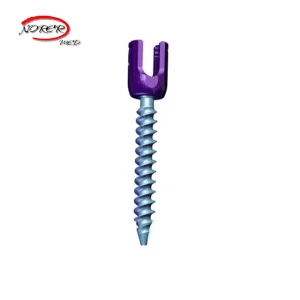
Polyaxial and uniplanar screw models engineered for multi-segment spinal stabilization.
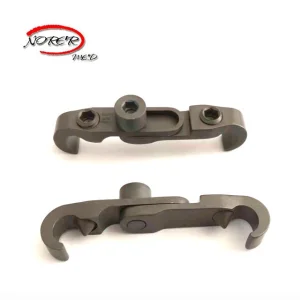
High-strength connectable rods for maintaining spinal alignment during long-term fusion.
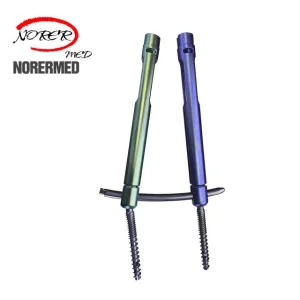
Optimized insertion paths and thread designs for minimally invasive animal surgeries.
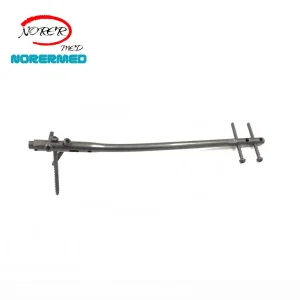
Advanced tibial nail system with multiple proximal and distal locking configurations.
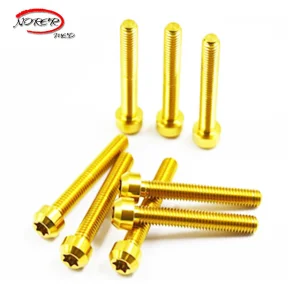
Raw titanium rods precision-machined into custom configurations for medical applications.
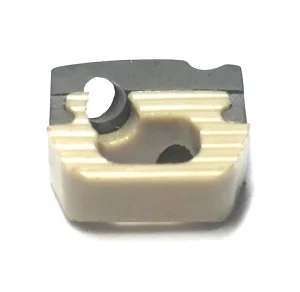
Biocompatible PEEK material engineered for optimal bone graft fusion and radiography.
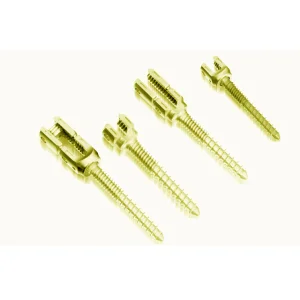
Rigid monoaxial pedicle fixation systems tailored for domestic and working animal surgeries.
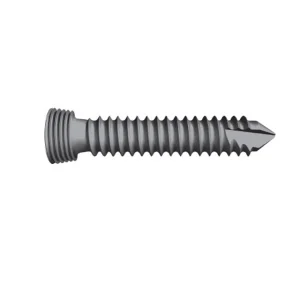
Precision locking screw components designed to integrate with standard compression plates.
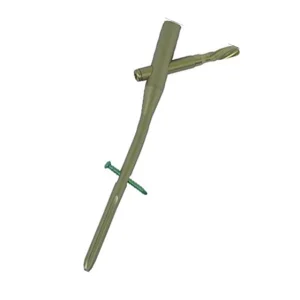
Proximal Femoral Nail Antirotation (PFNA) system engineered for stable fixation of trochanteric fractures.
Navigating the transpacific logistics corridor from China to Mexico requires careful operational planning. For surgical instrument and implant distributors based in Mexico City, managing inventory flow, customs processes, and quality checks is key to meeting clinical demand without interruptions.
1. Logistics Routing Options
Ocean shipments typically arrive at the ports of Manzanillo or Lázaro Cárdenas before moving via secure rail or road transport directly to warehouses in Mexico City's industrial zones (such as Azcapotzalco or Vallejo). For urgent requirements, high-value implants and micro-machined parts can be flown directly into Aeropuerto Internacional Benito Juárez (AICM) or the new AIFA (Aeropuerto Internacional Felipe Ángeles).
2. Customs Management (El Pedimento)
Sourcing medical-grade components requires careful coordination with licensed Mexican customs brokers (Agentes Aduanales). Importers must be registered on the Padrón de Importadores and hold the corresponding sector registration (Sectorial) for medical goods. Accurate customs classification (Fracción Arancelaria) ensures smooth clearance and prevents costly delays.
3. Bonded Warehouses (Almacenes Generales de Depósito)
Many prominent distributors in Mexico City utilize bonded warehouses. This arrangement allows them to store bulk quantities of imported orthopedic plates, screws, and nails under bond, deferring duty payments until the items are released for distribution to hospitals.
The healthcare sector in Latin America is evolving, driven by clinical advancements and shifting demographics. Importers and distributors in Mexico City should keep these key trends in view to capture emerging opportunities:
1. The Rise of Minimally Invasive Surgery (MIS)
Surgeons in both private complexes and major public systems are shifting toward minimally invasive procedures. This has created strong demand for specialized instruments, such as cannulated pedicle screws, percutaneous placement systems, and target-guiding instruments designed to minimize soft-tissue trauma and accelerate patient recovery.
2. Adoption of Bio-Compatible Polymers (PEEK)
PEEK is rapidly becoming the standard for spinal fusion devices (such as TLIF and ACIF cages). Its elastic modulus close to natural bone helps reduce stress-shielding, while its radiolucency allows clear assessment of bone healing on postoperative X-rays.
3. Expansion of Specialized Veterinary Care
The veterinary medicine market in Mexico City is expanding quickly. Specialty pet hospitals are increasingly performing advanced orthopedic surgeries—treating cruciate ligament tears, spinal compressions, and fractures—creating steady demand for dedicated small-animal implants and plates.
We manufacture advanced orthopedic trauma plates, screws, spinal systems, and interbody fusion cages in Changzhou, China.
Changzhou City, Jiangsu Province, China
We design and manufacture bone plates, bone screws, interlocking nails, spinal fixation assemblies, PEEK cervical/lumbar cages, and related surgical instruments. By combining manufacturing expertise with trading capability, we provide complete, customized sourcing support for international medical distributors.
Frequently asked technical, regulatory, and logistics questions from medical device distributors and importers in Mexico City.
 Deon Medical