Engineered for absolute biocompatibility, rapid osseointegration, and strict compliance with EU Medical Device Regulations.
Analyzing the rigorous standards of Region-led public procurement (LOU) and the technical requisites of Karolinska and Sahlgrenska University Hospitals.
Sweden’s healthcare system, governed by the 21 Regioner (such as Region Stockholm and Region Västra Götaland), is renowned globally for its uncompromising quality metrics, clinical registries, and strict adherence to evidence-based medicine. Orthopedic registries, including the Swedish Fracture Register (SFR) and the Swedish Knee Arthroplasty Register, continuously track implant outcomes. For any surgical instrument manufacturer and exporter serving Sweden, this requires a deep commitment to biomechanical consistency and clinical transparency.
Due to Sweden’s active aging population, there is a substantial escalation in surgical interventions involving hip fractures, spinal degeneration, and complex trauma reconstruction. The national healthcare strategy prioritizes cost-efficiency through value-based procurement under the Swedish Public Procurement Act (LOU - Lag om offentlig upphandling). This environment demands surgical hardware that achieves an optimal balance between premium material performance (such as Grade 5 ELI Titanium and medical-grade PEEK) and sustainable unit economics.
Furthermore, Sweden has one of the most advanced veterinary medicine sectors in Europe, driven by high pet insurance penetration rates (notably through insurers like Agria). Swedish veterinary clinics, such as those operated by Evidensia and AniCura, demand human-grade orthopedic solutions—such as PEEK lumbar cages and mini-pedicle screws—to treat canine spinal conditions and feline fractures.
How DEON Medical leverages regional raw-material ecosystems and Swiss-type CNC machining to deliver export-ready trauma implants.
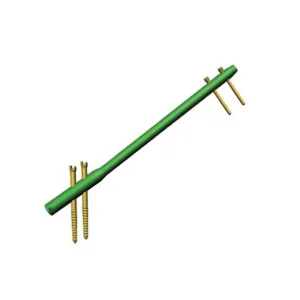
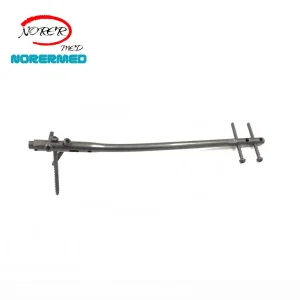
Our facility utilizes high-speed Swiss-type longitudinal CNC lathes. This ensures that complex threads on interlocking nails and polyaxial pedicle screws are turned with dimensional tolerances within ±0.005mm.
We work exclusively with certified medical implant raw materials, sourcing Titanium Alloy (Ti-6Al-4V ELI) conforming to ASTM F136 and pure Polyetheretherketone (PEEK-OPTIMA) for spinal cages.
Our manufacturing processes are audited annually. We maintain cleanroom packaging (Class 10,000 / ISO Class 7) to ensure implants are free from particulate contamination before sterilization.
Optimizing stress distribution, reducing implant migration, and ensuring long-term implant survival rates.
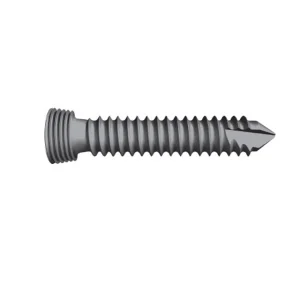
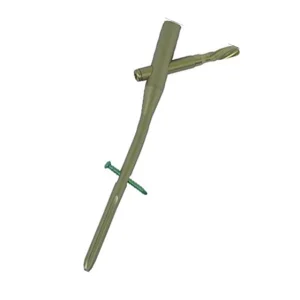
For bone screws and interlocking nails, titanium remains the gold standard. Under dynamic loading conditions (such as walking cycles post-femoral fracture surgery), Ti-6Al-4V ELI provides exceptional fatigue strength and a lower modulus of elasticity compared to stainless steel. This minimizes the risk of "stress shielding," a phenomenon where the implant bears all the mechanical load, causing adjacent bone density to decrease.
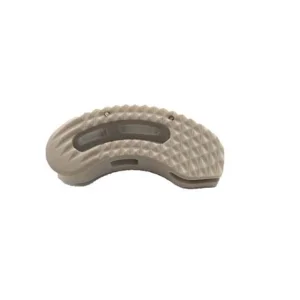
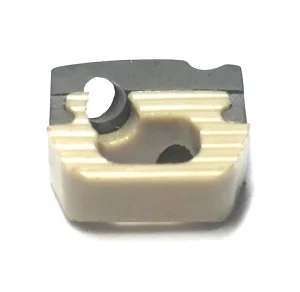
Conversely, for spinal fusion (TLIF and ACIF cages), PEEK (Polyetheretherketone) is chosen because its modulus of elasticity closely matches that of human cortical bone. This helps reduce the incidence of cage subsidence into the vertebral body. In addition, PEEK’s radiolucent properties allow Swedish surgeons to clearly monitor fusion progress on post-operative X-rays without metal artifact distortion.
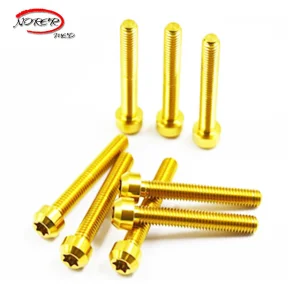
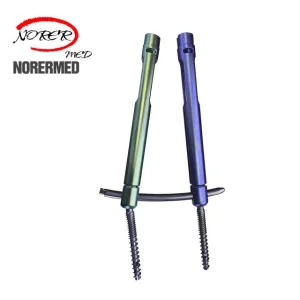
Our titanium implants undergo specialized chemical surface treatments. Type II anodization creates a dense, bio-inert titanium oxide layer that increases wear resistance and prevents the release of titanium ions into local tissues. Color anodizing of locking screws (e.g., green for locking, blue for cortex) serves as a visual guide for operating room nurses, streamlining the surgical workflow and reducing operating time.
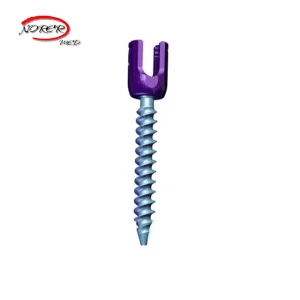
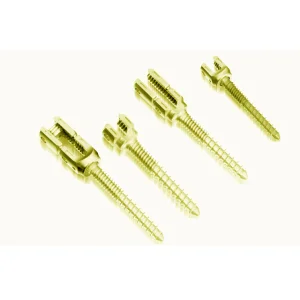
Our polyaxial pedicle screws feature a 60-degree range of motion, allowing for easy intraoperative rod contouring. The inner threads are designed with a reverse angle (buttress thread) to prevent cross-threading and set-screw backout, ensuring stable fixation even in osteoporotic bone.
Inside DEON Medical's manufacturing and quality control lines in Changzhou, Jiangsu, China.
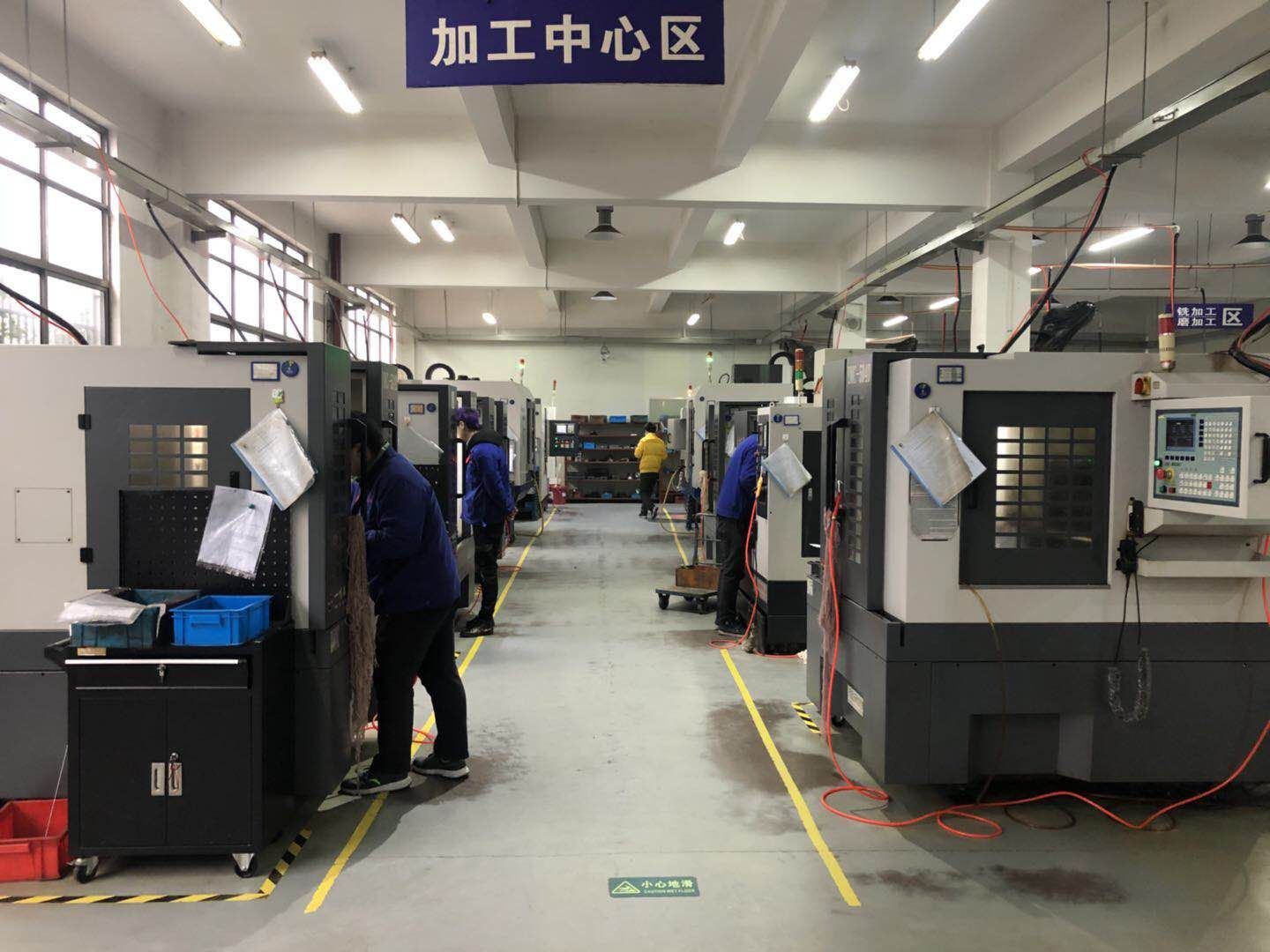
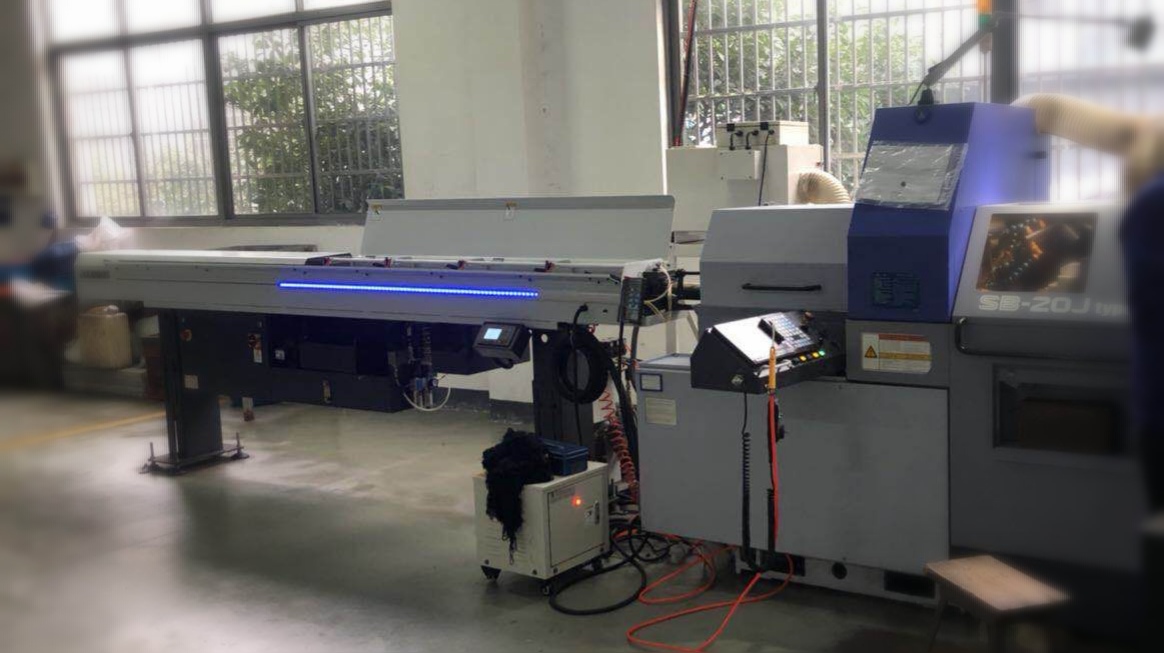
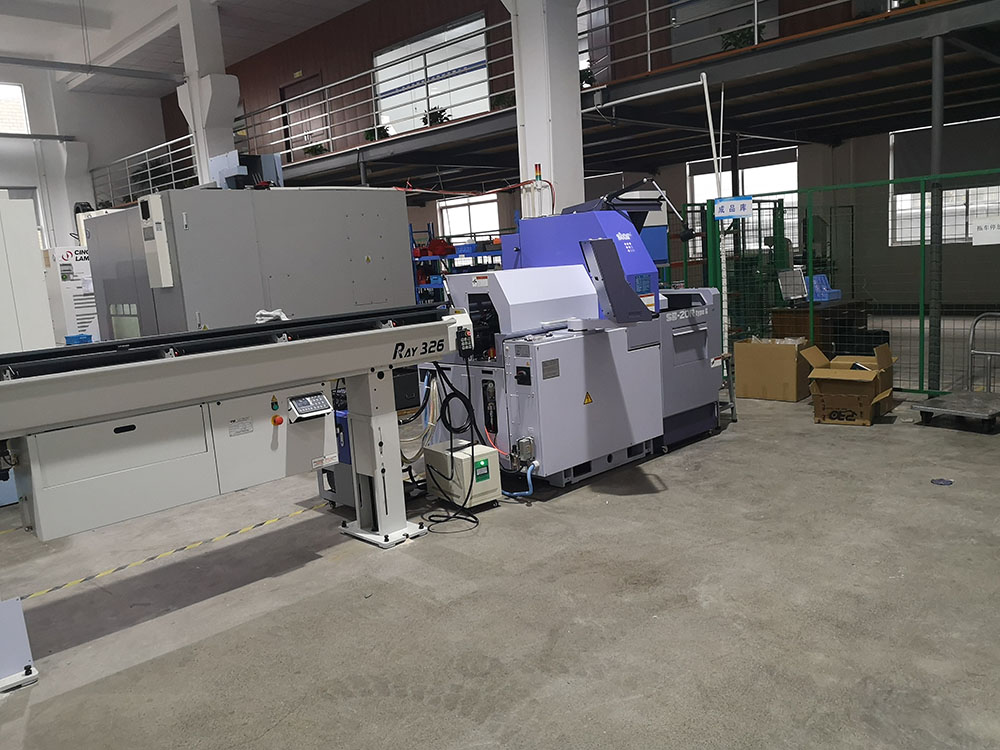
Ensuring full compliance with Läkemedelsverket (Swedish Medical Products Agency) and European medical registries.
The transition from MDD to MDR has introduced stricter requirements for clinical data, post-market surveillance (PMS), and traceability. DEON Medical provides comprehensive technical documentation, including:
We offer both non-sterile bulk implants (to be autoclaved/sterilized at Swedish regional hospitals or sterilization centers) and pre-sterilized packaging options (Gamma radiation or EO gas). Our export team manages logistics directly from Shanghai or Shenzhen ports to key Swedish distribution hubs in Gothenburg, Stockholm, or Malmö, complete with customs documentation and preferential trade compliance certificates.
Fully compatible with standard surgical trays. Custom OEM manufacturing is available upon request.
Addressing procurement, material specifications, and regulatory compliance queries for Swedish medical buyers.
DEON Medical delivers high-quality trauma, spinal, and veterinary implants designed to meet the rigorous quality standards of the Swedish healthcare market.
 Deon Medical