Explore our high-demand surgical implants engineered with biocompatible titanium and medical-grade PEEK for Toronto's advanced clinical networks.
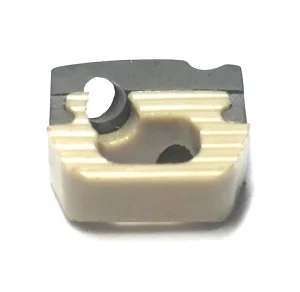
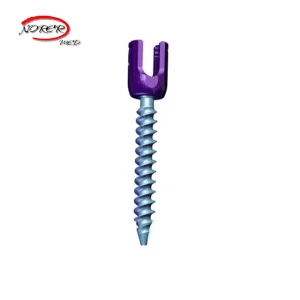
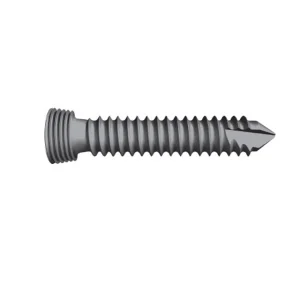
Toronto, as Canada’s primary healthcare and biomedical research hub, demands an uncompromising supply chain for orthopedic and spinal implants. Institutions within the University Health Network (UHN)—including Toronto General Hospital, Sunnybrook Health Sciences Centre, and Mount Sinai Hospital—operate at the absolute forefront of reconstructive, spinal, and trauma surgeries. This clinical environment calls for surgical implants that offer superior biocompatibility, precision manufacturing tolerances, and consistent structural longevity.
The demographic shifts in Ontario, characterized by an aging population and a rise in active-lifestyle trauma incidents, have accelerated the local volume of primary and revision joint arthroplasty, complex spinal fixations, and osteosynthesis procedures. Local medical device distributors and hospital purchasing committees face the ongoing challenge of mitigating rising procurement costs while securing implants that comply with strict regulatory frameworks. Partnering directly with overseas manufacturers that operate under ISO 13485 quality systems and employ Swiss-type CNC machining allows Toronto entities to resolve cost-inefficiencies in their supply chain.
SEO Insight for Sourcing Officers: Purchasing implants directly from verified manufacturers reduces local hospital system expenditures by 30-40% compared to traditional multi-tiered domestic distribution networks, while maintaining identical mechanical performance profiles and mechanical testing standards (ASTM F136 / ASTM F543).
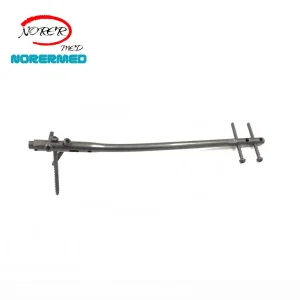
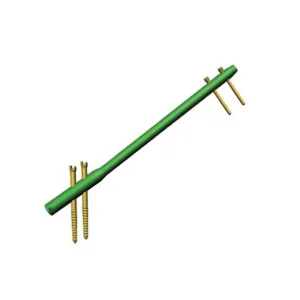
The procurement landscape for surgical devices has evolved from simple transactional purchasing to strategic co-development. Advanced medical networks in the Greater Toronto Area (GTA) are actively seeking manufacturing partners capable of offering OEM/ODM customization services. The ability to modify thread pitches on cortical screws, adjust the profile of interlocking nails, or customize the structural porosity of PEEK spinal cages is vital for improving patient outcomes.
Global sourcing also requires navigating strict logistical timelines. Implants destined for the Ontario market must arrive with comprehensive documentation—including material mill certificates, bioburden test reports, passivation verification, and dimensional inspection sheets. To meet these needs, leading manufacturers utilize vertical integration. This integrates design, multi-axis machining, automated cleaning, and cleanroom packaging within a single facility. It helps eliminate variables that could compromise the biosafety of the device.
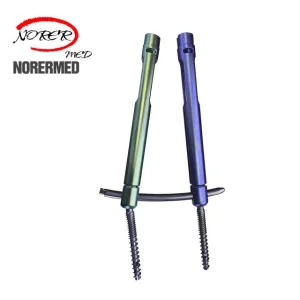
Retaining high structural reliability for complex constructs.
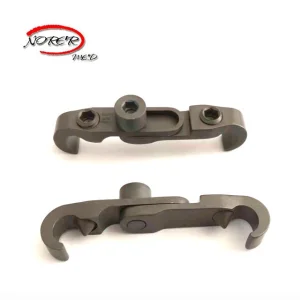
Designed specifically for multi-segment posterior spinal fusion constructs, our titanium crosslink rods provide high-level torsional stability. This component is essential for prevention of construct rotation and screw pullout in patients undergoing severe scoliosis correction or trauma repairs within Ontario's clinical networks.
Request QuoteA comprehensive overview of our production capabilities, quality systems, and manufacturing operations based in Changzhou, China.
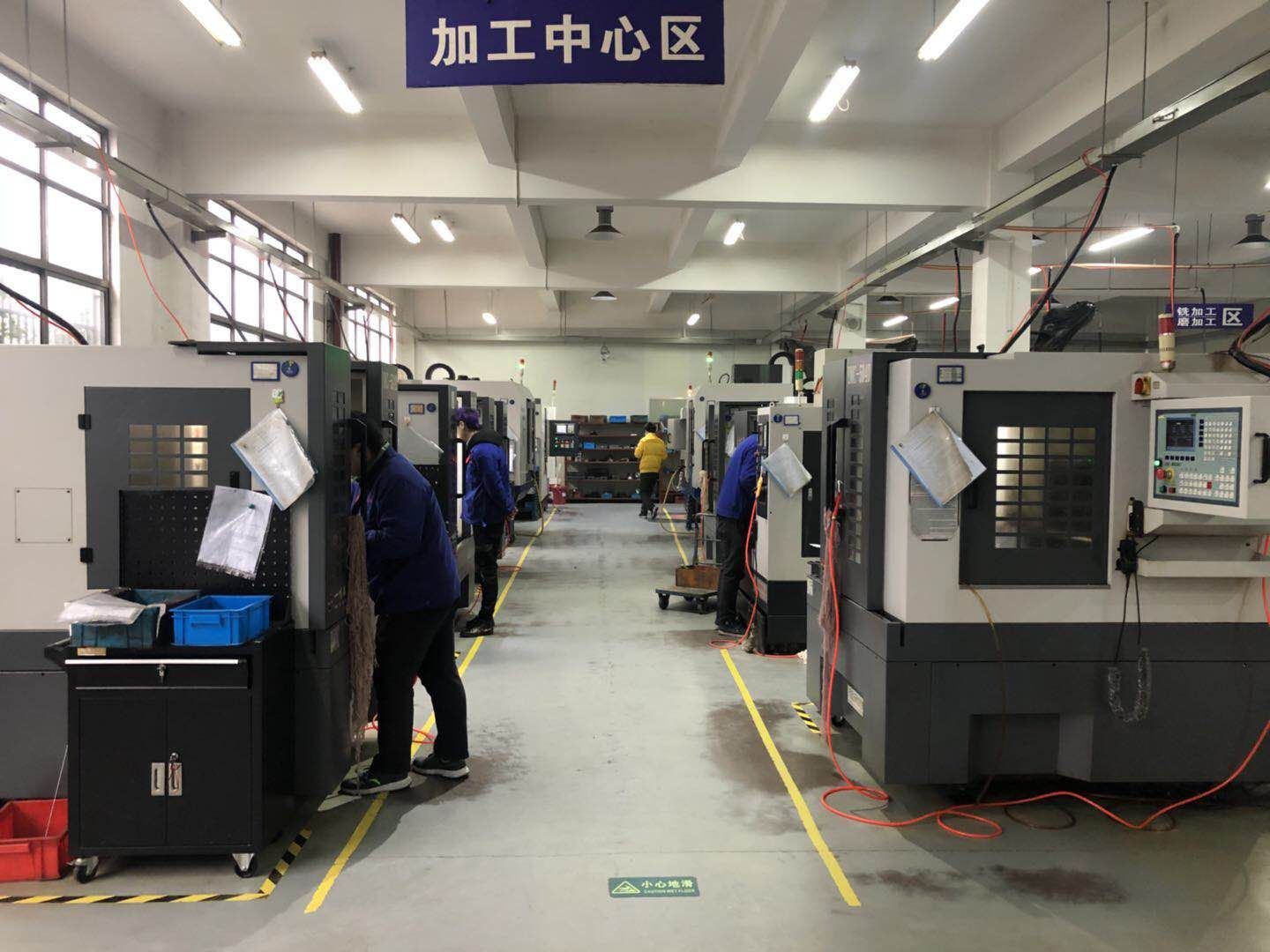
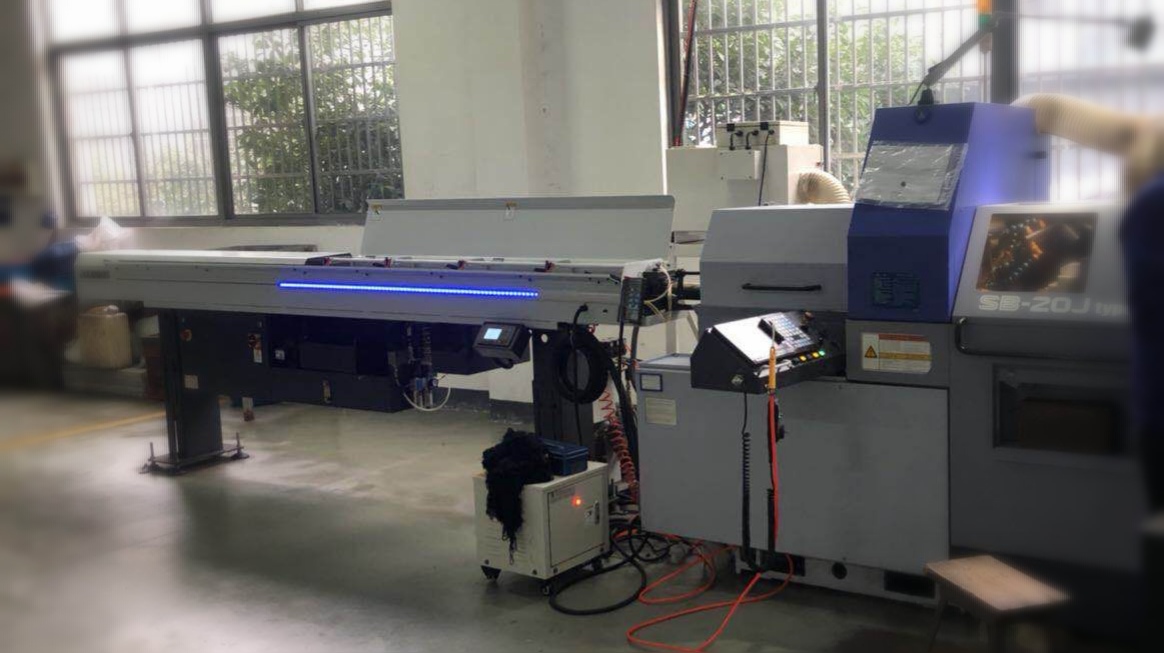
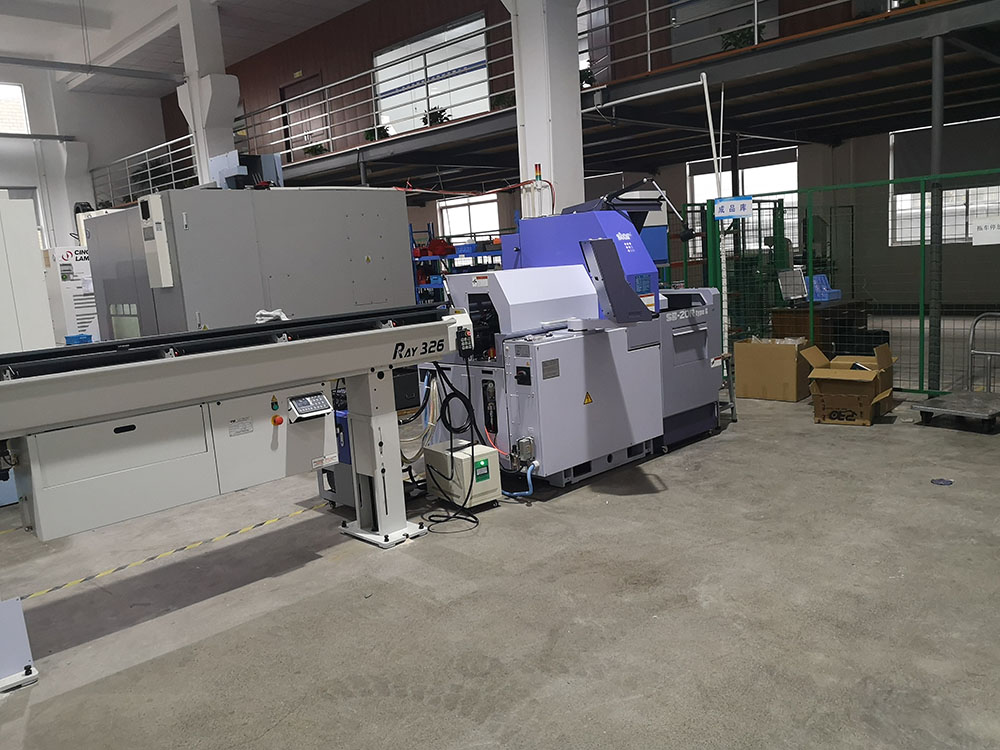
DEON Medical (Changzhou) Co., Ltd. stands as a specialized manufacturer of orthopedic implants and spinal stabilization hardware. Based in the medical device industrial hub of Jiangsu, China, we operate advanced multi-axis machining tools to turn medical-grade titanium and PEEK raw materials into high-precision, clinical-grade components.
| Company Name | DEON Medical (Changzhou) Co., Ltd. |
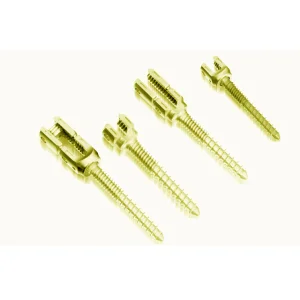
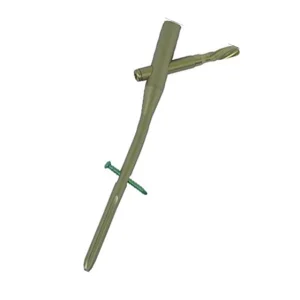
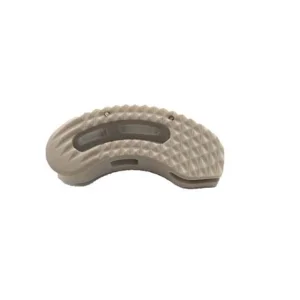
| Core Competencies | Orthopedic Trauma bone plates, bone screws, interlocking nails, spinal pedicle screws, Cervical Plates, PEEK cervical & lumbar cages. |
| Manufacturing Staff | 11 - 50 Skilled Operators & QA Engineers |
| Geographical Location | Jiangsu, China (Changzhou Medical Device Hub) |
| Export Market History | 10+ Years of International B2B Partnerships |
| Quality Certifications | ISO 13485:2016 Quality Management Systems |
Importing orthopedic implants into the Toronto market requires strict compliance with the Food and Drugs Act and the Medical Devices Regulations (SOR/98-282). Orthopedic reconstructive devices, spinal pedicle screws, and cervical cages fall under Class III medical devices. This requires a Medical Device License (MDL) from Health Canada before they can be distributed or used in clinics.
The technical file required for MDL submission is extensive. It must include proof of conformity to recognized consensus standards, such as:
Furthermore, quality management validation must align with the Medical Device Single Audit Program (MDSAP). Manufacturers like DEON Medical provide the complete technical documentation package—including mechanical fatigue test reports, static axial compression data, dynamic torsion testing profiles, and chemical clean residues verification (per ISO 10993). This detailed documentation helps streamline the regulatory approval process for importing agencies in Canada.
The intersection of artificial intelligence and digital fabrication is transforming modern implant design. The next generation of orthopedic hardware focuses on personalized solutions. This involves utilizing patient-specific CT data to generate highly customized configurations for spinal cages and cranial locks.
Integrating Electron Beam Melting (EBM) and Direct Metal Laser Sintering (DMLS) to produce porous titanium structures that mimic human trabecular bone, maximizing osteointegration and biological fixation.
Applying advanced anodic oxidation, acid-etching, and plasma-spray hydroxyapatite (HA) coatings to optimize surface roughness and accelerate cellular attachment at the implant-bone interface.
Investigating high-strength magnesium alloys and bioresorbable polymers for transient stabilization. These materials safely degrade inside the body after the bone has fully healed, eliminating the need for hardware removal surgeries.
Employing high-speed 7-axis CNC Swiss-turning centers to achieve tight sub-micron tolerances on micro-locking screws and complex bone plate geometries.
Industrial-grade medical implants for orthopedic surgery, spinal fusion, and cranial fixation.
Key information regarding material standards, custom manufacturing, logistics, and compliance for the Toronto medical supply market.
 Deon Medical