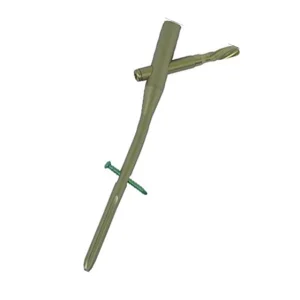
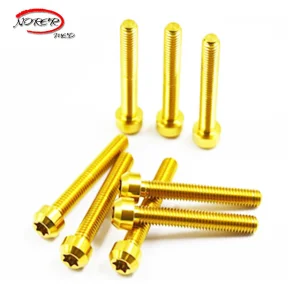
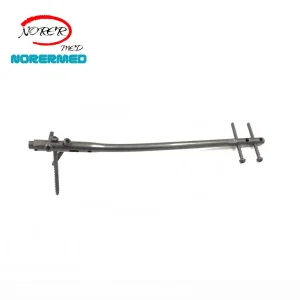
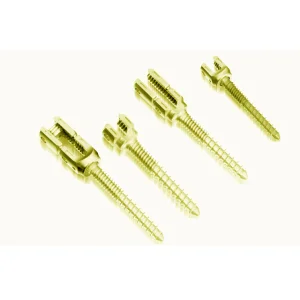
Advanced trauma implants and precision locking systems specifically engineered for demanding surgical environments in Seattle, WA.
Analyzing Seattle's advanced biomechanical demands, regulatory alignment, and global supply chain integrations.
Seattle, Washington, stands at the absolute vanguard of global biotech innovation and clinical medicine. Home to world-renowned research centers such as the University of Washington (UW) Medicine, the historic Harborview Medical Center (the Pacific Northwest’s sole Level 1 adult and pediatric trauma center), and the Swedish Medical Center, the region exhibits an extremely high concentration of complex orthopedic and neurosurgical procedures.
In a metropolitan area defined by both pioneering medical research and an active, outdoors-oriented population, surgical cases involving severe skeletal trauma, degenerative spinal pathologies, and complex joint reconstructions are frequent. Consequently, procurement officers and surgical directors at local hospitals demand surgical instruments and implants that exceed standard regulatory baselines. The shift toward minimally invasive surgery (MIS) and rapid post-operative recovery has placed an unprecedented premium on the biomechanical integrity and design tolerances of interlocking nails, pedicle screws, and cranial locks.
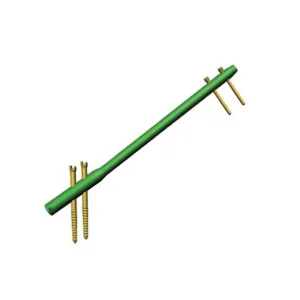
Surgical instruments serving Seattle must operate seamlessly across complex trauma scenarios. Harborview's Level 1 Trauma Center demands instant availability of specialized femoral and tibial interlocking systems engineered for multi-fragment fractures, offering robust rotational stability and anatomical compliance.
Modern implantology relies heavily on Grade 5 titanium (Ti-6Al-4V ELI) complying with ASTM F136. This material offers an exceptional strength-to-weight ratio and superb osseointegration characteristics, minimizing the risk of implant rejection in high-strain spinal and cranial applications.
Selecting the appropriate material for orthopedic implants is not merely a manufacturing decision; it dictates patient recovery times, bone remodeling, and long-term implant survival.
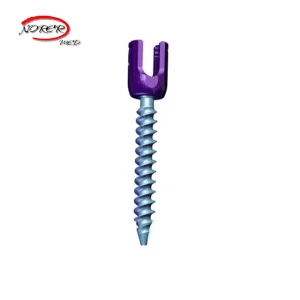
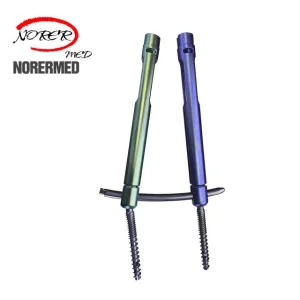
For rigid fixation, Medical Grade 5 Titanium (Ti-6Al-4V ELI) is the gold standard. It features low density, high fatigue strength, and extreme corrosion resistance. Its elastic modulus, while higher than human cortical bone, is significantly lower than stainless steel, which dramatically reduces the effect of stress shielding—a primary cause of post-operative bone resorption around implants. This makes it ideal for femoral and tibial interlocking nails and spinal pedicle screws.
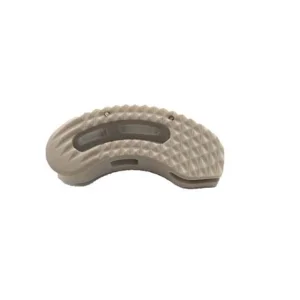
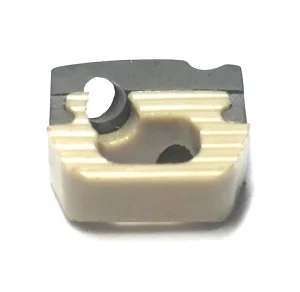
Conversely, for intervertebral fusion applications, such as cervical and lumbar cages (ACIF/TLIF), PEEK (Polyetheretherketone) has emerged as the premier biomaterial. With an elastic modulus that closely mirrors that of human cancellous and cortical bone (around 3.6 GPa to 18 GPa), PEEK minimizes stress shielding at the interbody site. Crucially, PEEK is radiolucent, allowing surgeons to monitor fusion progress via X-ray and CT scans without the visual artifacts caused by metal implants.
As healthcare systems in Seattle and the broader United States struggle with rising operational costs, securing reliable, high-quality, and cost-effective manufacturing streams is essential. This is where the specialized industrial cluster of Changzhou, Jiangsu Province, China, plays a crucial role.
Changzhou is recognized globally as China’s premium manufacturing hub for orthopedic implants and trauma hardware. The region's integrated industrial supply chain encompasses everything from specialized raw material sourcing (highly purified medical titanium and premium PEEK resins) to advanced machining, chemical surface processing, and cleanroom packaging.
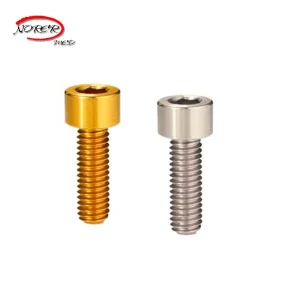
By establishing direct procurement partnerships with manufacturers in this cluster, healthcare distributors and hospital networks in Seattle bypass several layers of intermediary margins. Advanced CNC machining facilities in Changzhou, like DEON Medical, utilize state-of-the-art multi-axis Swiss-type automatic lathes (such as Citizen and Tornos systems) to deliver tolerances as tight as ±0.01mm. This ensures that every locking screw and crosslink rod meets the exact technical tolerances demanded by Western surgical environments.
Importing medical hardware into the United States requires stringent compliance with regulatory protocols. To serve Seattle’s hospitals, manufacturers must align their quality management systems with the internationally recognized ISO 13485:2016 medical device standard.
Every batch of orthopedic implants must undergo rigorous mechanical testing (such as fatigue testing under ASTM F1717 for spinal constructs and ASTM F382 for bone plates). Furthermore, surface treatments require meticulous control:
Seattle is widely recognized as one of the most pet-friendly cities in the United States. This cultural characteristic has fueled a massive boom in advanced veterinary specialty care. Veterinary hospitals, such as the BluePearl Specialty and Emergency Pet Hospitals and local VCA centers, perform highly complex orthopedic surgeries.
Procedures like Tibial Plateau Leveling Osteotomy (TPLO), canine spinal reconstructions, and cranial cruciate ligament (CCL) repairs require implants of equivalent quality to those used in human medicine. The adoption of titanium monoaxial and polyaxial pedicle screws, PFNA interlocking nails, and specialized PEEK cages for domestic animals has grown rapidly. By sourcing veterinary-specific orthopedic systems directly from certified global manufacturers, local veterinary practices can offer world-class clinical outcomes while maintaining accessible pricing for pet owners.
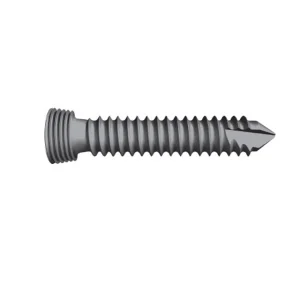
Established as a trusted engineering hub in Jiangsu, China, DEON Medical (Changzhou) Co., Ltd. is a leading manufacturer specializing in orthopedic trauma bone plates, cortical and locking bone screws, orthopedic interlocking nails, spinal pedicle screw systems, cervical plates, and PEEK cervical and lumbar cages. Serving medical distributors and surgical suppliers globally, including the United States Pacific Northwest, we combine advanced manufacturing technology with efficient logistical pipelines.
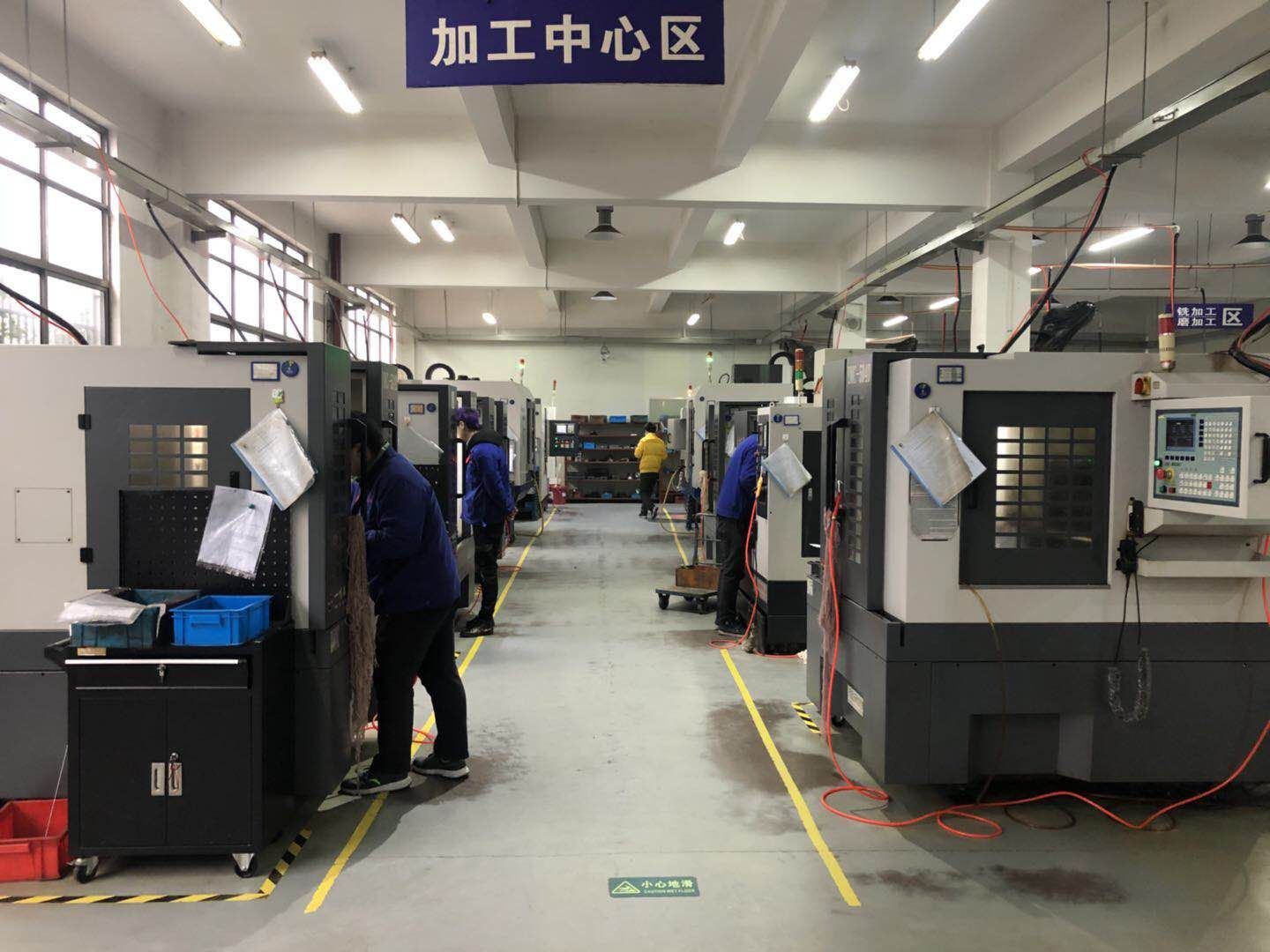
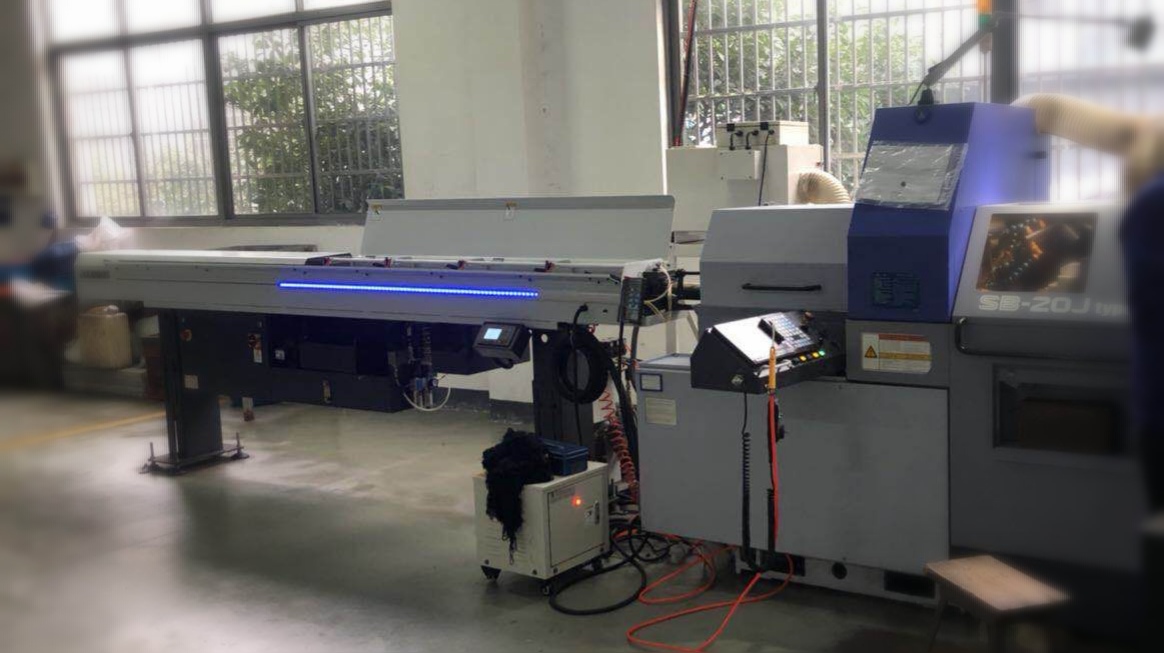
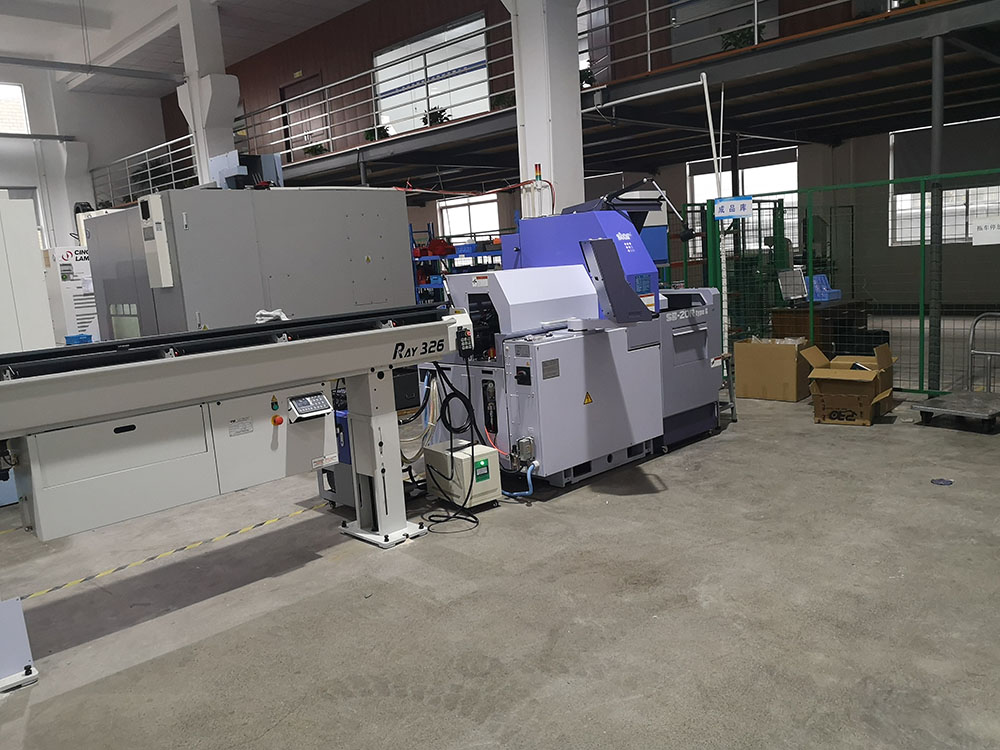
Fully compatible with US hospital requirements and specialized veterinary surgical centers across Washington State.
Crucial information regarding raw materials, quality control, shipping pipelines, and regulatory verification for Seattle buyers.
 Deon Medical