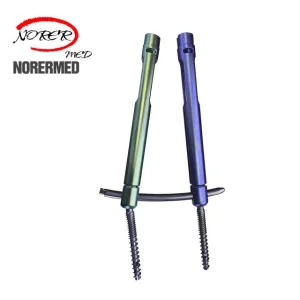
The demand for high-strength, lightweight, and biocompatible materials has placed titanium alloys (specifically Ti-6Al-4V Grade 5 and Grade 23 ELI) at the absolute forefront of advanced industrial and medical applications globally. In Metro Manila, the industrial ecosystem is witnessing a significant transition. While the Philippines historically relied heavily on fully imported, finished surgical products, local healthcare providers, and specialized assembly plants in economic zones (such as Cavite, Laguna, and Batangas) are increasingly seeking localized, customizable solutions.
By bridging high-precision manufacturing bases in Jiangsu, China, with distribution and post-processing networks in Manila, procurement teams can significantly reduce their lead times and achieve custom-tailored product variations. The strategic geography of Manila as a logistics hub for Luzon and the Visayas regions allows for efficient shipping and local quality verification protocols, which is vital for clinical trials and rapid-response trauma requirements.
Titanium machining presents severe tribological challenges: low thermal conductivity leads to heat accumulation at the cutting edge, which accelerates tool wear. A localized technical support system in Manila ensures that regional clinical practitioners and design engineers can receive direct feedback on structural mechanical designs, mechanical integrity, and assembly clearances. Establishing a robust titanium part network within the Philippines mitigates the risks associated with global logistics bottlenecks, ensuring that critical pediatric spinal surgeries and emergency trauma operations are never compromised.
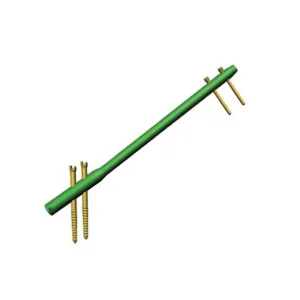
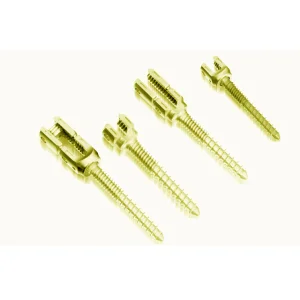
Understanding the grain structure of medical-grade titanium is central to engineering custom parts. Standard titanium parts typically utilize Grade 2 CP (Commercially Pure) titanium due to its exceptional corrosion resistance and high weldability. However, for load-bearing surgical implants—such as tibial interlocking nails, femoral plates, and polyaxial pedicle screws—Grade 5 (Ti-6Al-4V) or Grade 23 (ELI - Extra Low Interstitial) is required. Grade 23 features reduced oxygen, nitrogen, and carbon content, which drastically boosts fracture toughness and resistance to fatigue under physiological conditions.
| Titanium Grade | Tensile Strength (MPa) | Yield Strength (MPa) | Elongation (%) | Primary Application Scenarios |
|---|---|---|---|---|
| Grade 2 (CP) | ≥ 345 | 275 - 450 | ≥ 20 | Non-load-bearing implants, cranial plates, dental shells |
| Grade 5 (Ti-6Al-4V) | ≥ 895 | ≥ 825 | ≥ 10 | Structural orthopedics, aerospace fasteners, automotive rods |
| Grade 5 ELI (Gr.23) | ≥ 860 | ≥ 795 | ≥ 10 | Surgical screws, spinal fixation rods, cardiovascular devices |
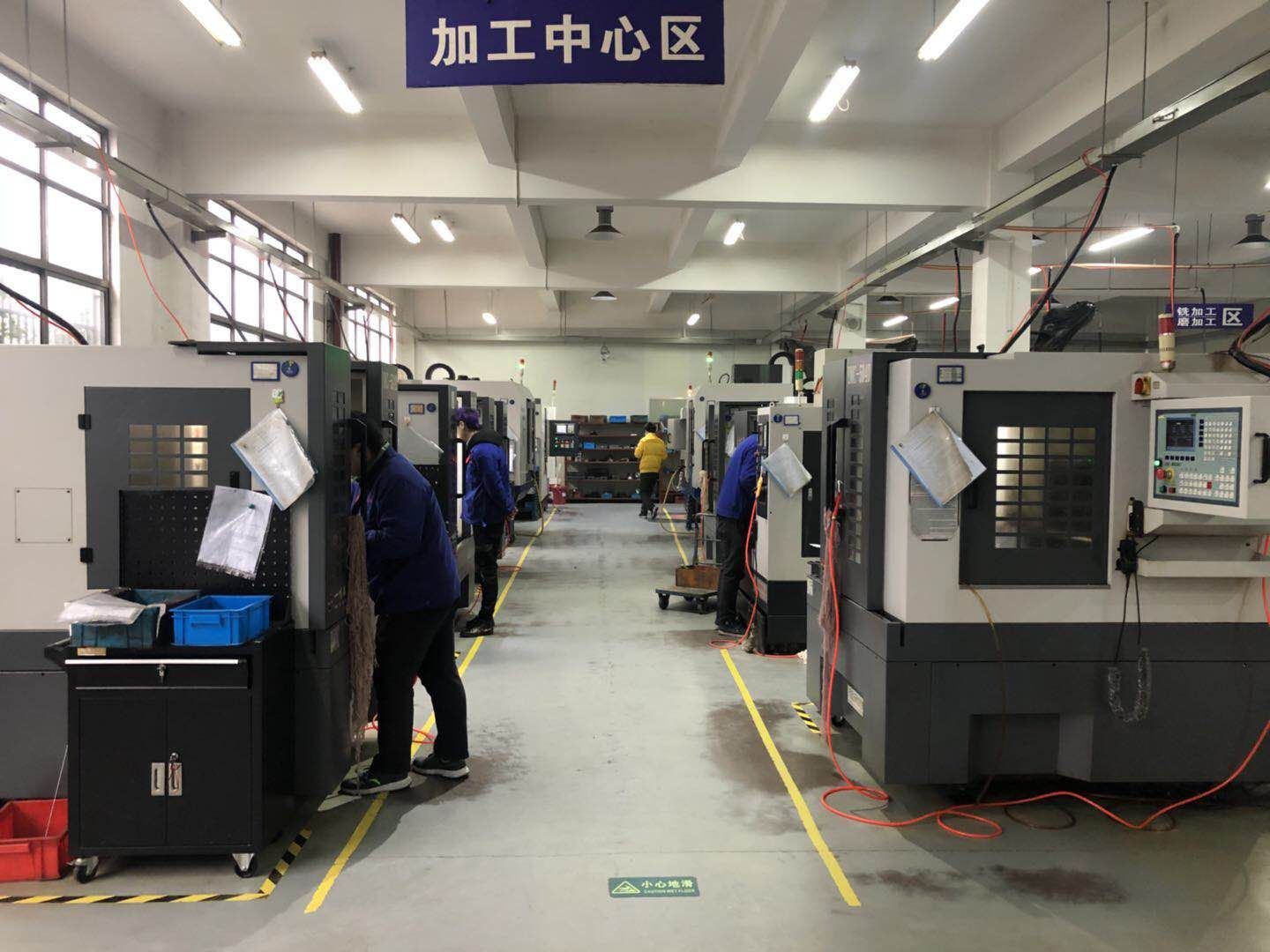
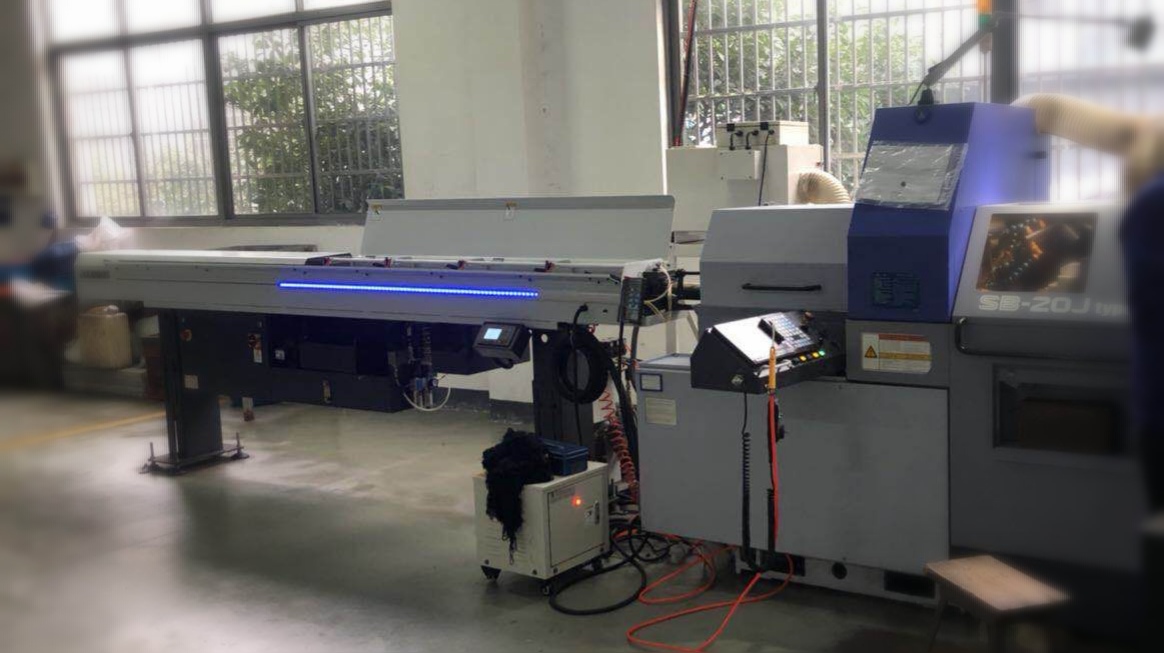
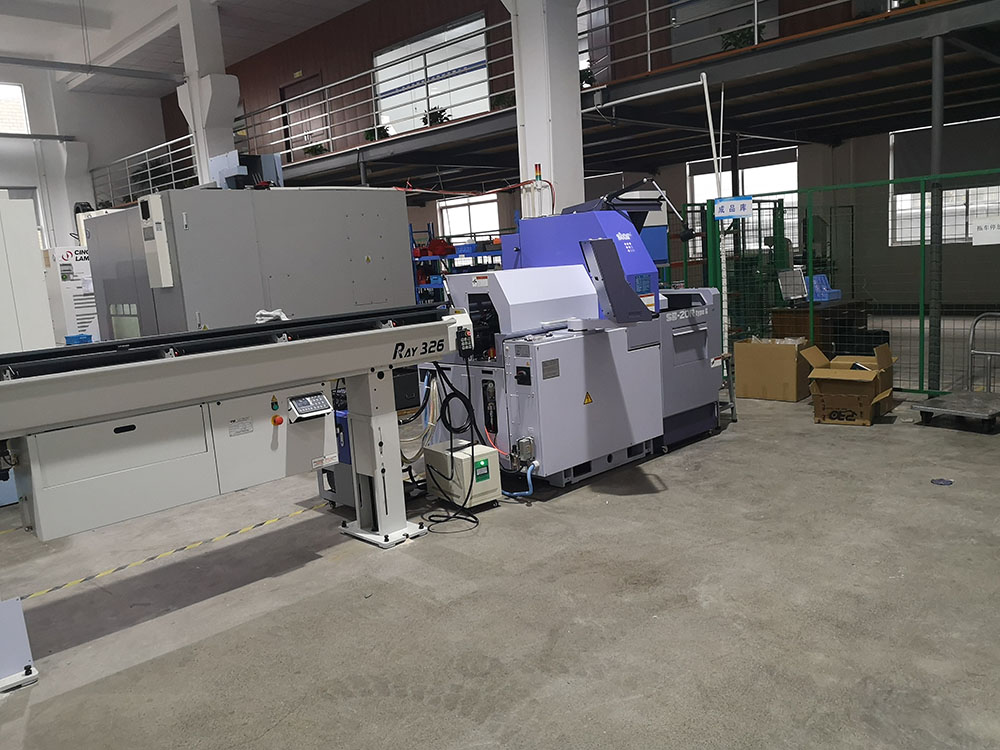
The machining process involves state-of-the-art Swiss-type CNC lathes and multi-axis milling centers. The tool geometries must be optimized with positive rake angles and deep chip channels to avoid built-up edge (BUE) formation. Furthermore, specialized cooling methods, such as high-pressure micro-lubrication (MQL) or flood coolant systems, are employed to protect the material from microstructural thermal alterations.
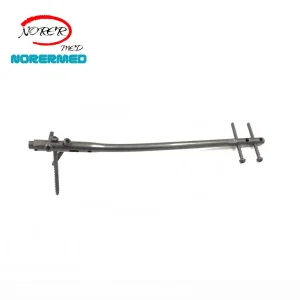
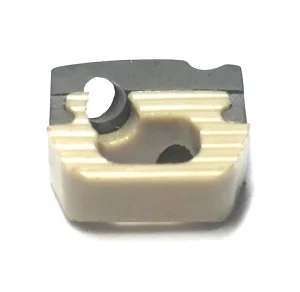
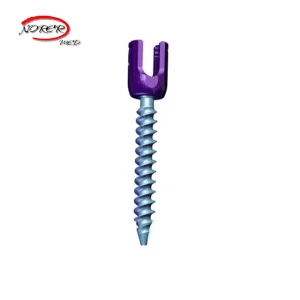
Imports of medical-grade and high-spec industrial titanium parts into the Philippines are governed by strict regulatory processes. The Food and Drug Administration (FDA) of the Philippines requires Class B, C, and D medical products to possess standard Certificates of Medical Device Registration (CMDR) or Certificates of Medical Device Notification (CMDN). As a major manufacturing exporter from Jiangsu, China, DEON Medical holds full traceability documentation—including raw material Mill Test Certificates (MTR), ISO 13485:2016 certifications, and CE declarations.
For smooth customs clearing at the Port of Manila or Ninoy Aquino International Airport (NAIA), our shipment packages are optimized for local clearance protocols. We work with local freight forwarders in Metro Manila to handle customs brokerage, ensuring all duties, tariffs, and sanitization clearances are pre-arranged. This end-to-end transparency helps local distributors bypass operational bottlenecks.
Moreover, we offer OEM and ODM support based on CAD files (STP/STEP/IGS formats), allowing local medical researchers at institutions such as the University of the Philippines Manila (UPM) or the Philippine General Hospital (PGH) to co-develop anatomical mockups, trial instruments, or specialized patient-specific implants.
Across Metro Manila, several high-value sectors rely on specialized titanium custom parts. We actively supply three main domains:
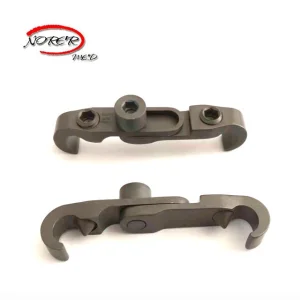
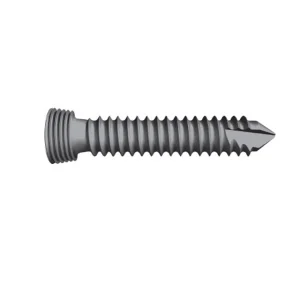
In dense urban environments like Manila, Quezon City, and Caloocan, orthopedicians encounter complex bone fractures weekly. Standardized trauma plates do not fit every anatomical variation. Custom machined locking screw configurations and modular tibial nails allow orthopedists to secure critical fusions rapidly. The biomechanical matching of Grade 5 titanium reduces stress shielding, preventing bone resorption around the implant site.
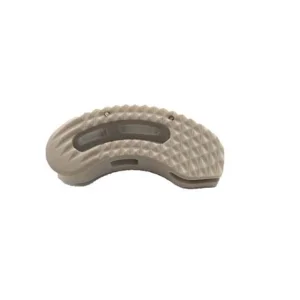
The veterinary market in Quezon City, Makati, and Taguig has expanded rapidly. Veterinarians require micro-sized pedicle screws, locking plates, and PEEK (Polyether ether ketone) interbody fusion cages designed for feline and canine spinal surgeries. Using custom titanium parts specifically dimensioned for veterinary anatomy ensures high post-operative success rates for private pet hospital chains.
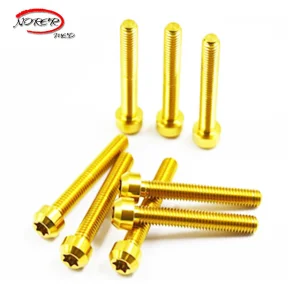
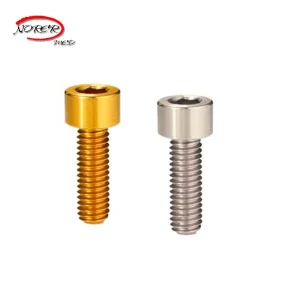
Industrial areas surrounding Metro Manila utilize high-precision titanium fasteners and micro-machined connectors in chemical-heavy and electronic plating baths where stainless steel would fail due to corrosion. Titanium custom parts offer long-term asset life, reducing downtime inside high-frequency plating lines.
DEON Medical (Changzhou) Co., Ltd. is a premier global manufacturing facility located in Changzhou City, Jiangsu Province, China. Over a history of 10 years, we have specialized in the design and volume production of Orthopedic Trauma bone plates, locking bone screws, orthopedic interlocking nails, spinal pedicle screws, cervical plates, and PEEK cervical/lumbar cages.
Employing a dedicated staff of 11 to 50 precision engineering professionals, our facility integrates high-precision Swiss CNC machining centers and advanced inspection systems to maintain absolute traceability. As a leading supplier to Southeast Asia, we ensure our global standards translate directly to the local requirements of Metro Manila.
The titanium manufacturing sector is transitioning toward hybrid additive-subtractive manufacturing. Direct Metal Laser Sintering (DMLS) allows for the printing of highly porous trabecular structures that mimic natural bone geometry, encouraging fast osseointegration. Once printed, the functional interfaces—such as internal screw threads and locking joint faces—are machined on 5-axis CNC mills to maintain high-tolerance specifications.
DEON Medical is actively integrating bioactive surface coatings, including type II anodized finishes and acid-etched micro-surfaces, to improve surgical implant compatibility. These technologies are being optimized for quick deployment to Metro Manila's medical communities, providing advanced surgical solutions for regional reconstructive surgeries.
 Deon Medical