Engineered specifically to meet the high mechanical demands and strict biocompatibility regulations of Metro New York's aerospace hubs and Upstate's medical research corridors.
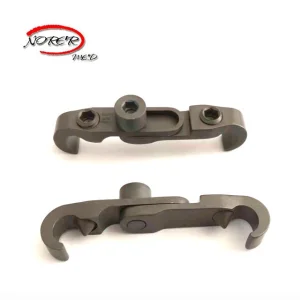
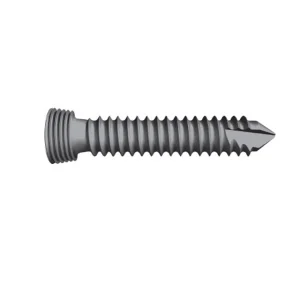
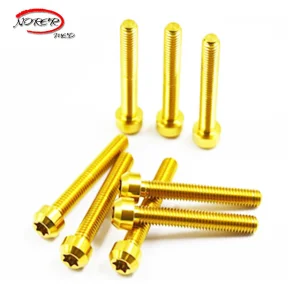
The state of New York, from the rapid innovation centers of Manhattan to the precision manufacturing belts of Syracuse, Rochester, and Buffalo, represents one of the most demanding markets for high-performance metallurgy globally. As advanced industries shift towards biocompatible, lightweight, and extreme-strength materials, Titanium (specifically Ti-6Al-4V Grade 5 and Ti-6Al-4V ELI Grade 23) has established itself as an indispensable resource.
Historically reliant on localized domestic machining shops, New York's MedTech and aerospace OEMs are facing severe domestic lead-time constraints and escalating material markups. Today's commercial environment requires a diversified supply chain model. Successful procurement teams across Long Island's defense hubs and Rochester's imaging and surgical innovation centers are turning to international export partnerships that blend ISO-13485 compliance with highly optimized, high-throughput manufacturing models.
We act as a direct technology bridge. By operating as a precision factory and exporter, we bypass middlemen to deliver high-tolerance custom titanium parts directly to New York ports and warehouses. We ensure strict material traceability, allowing local enterprises to remain globally competitive without compromising the structural integrity of their end products.
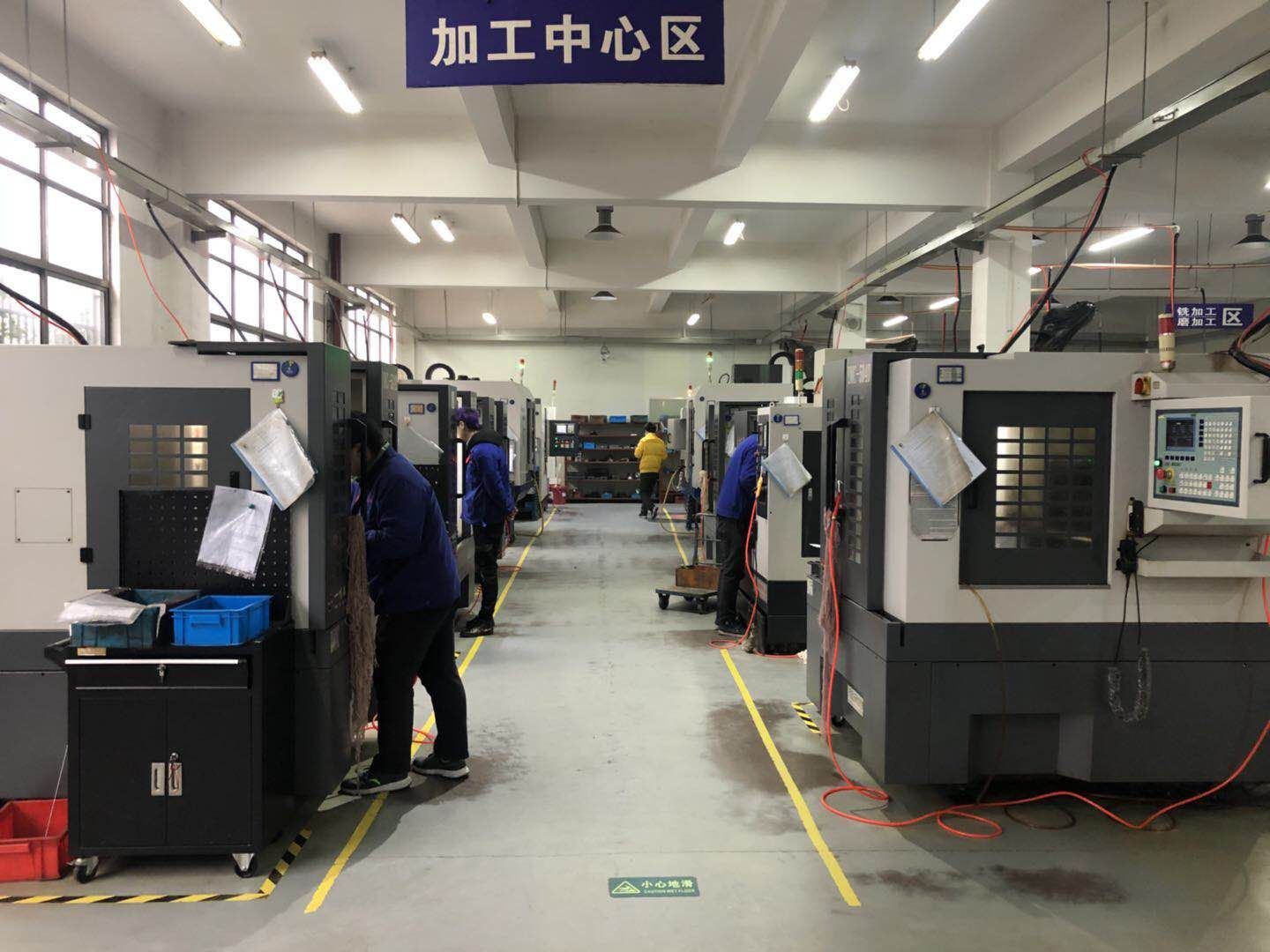
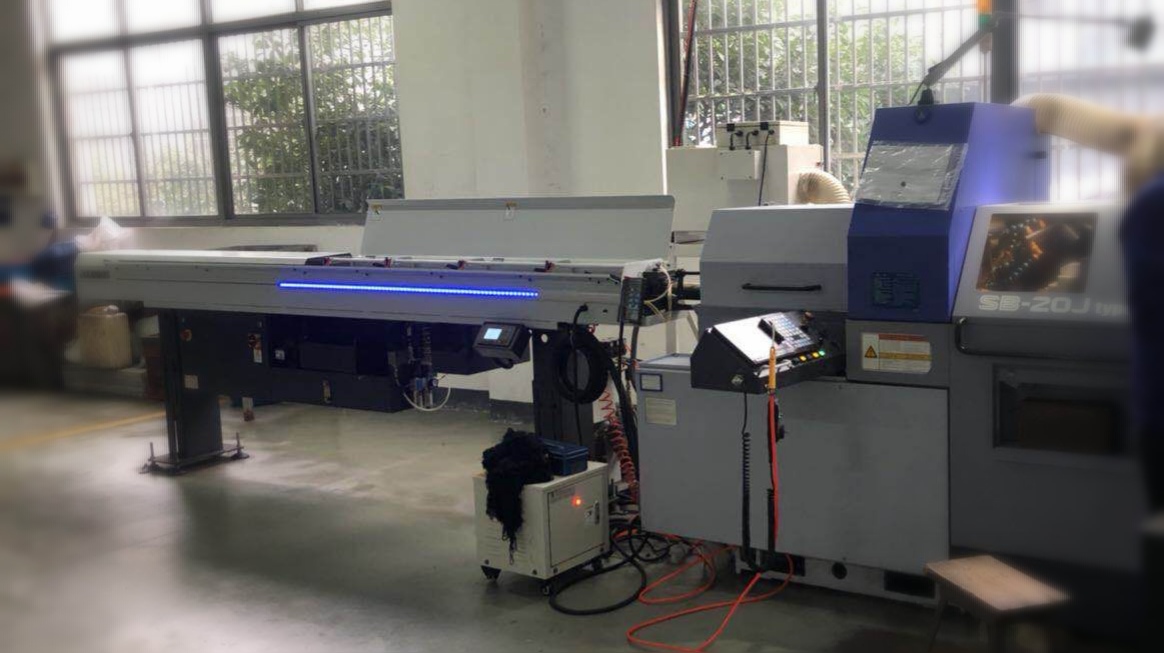
Machining titanium requires deep domain expertise. Its low thermal conductivity means heat concentrates on the cutting tool, while its high elasticity can lead to spring-back and chatter during machining. Our facility overcomes these thermodynamic limitations through specialized tooling, high-pressure coolant systems, and rigid multi-axis CNC configurations.
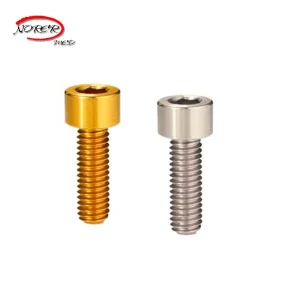
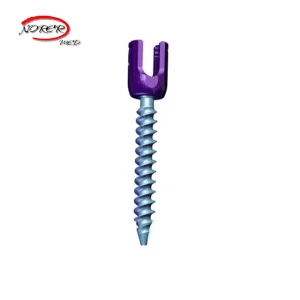
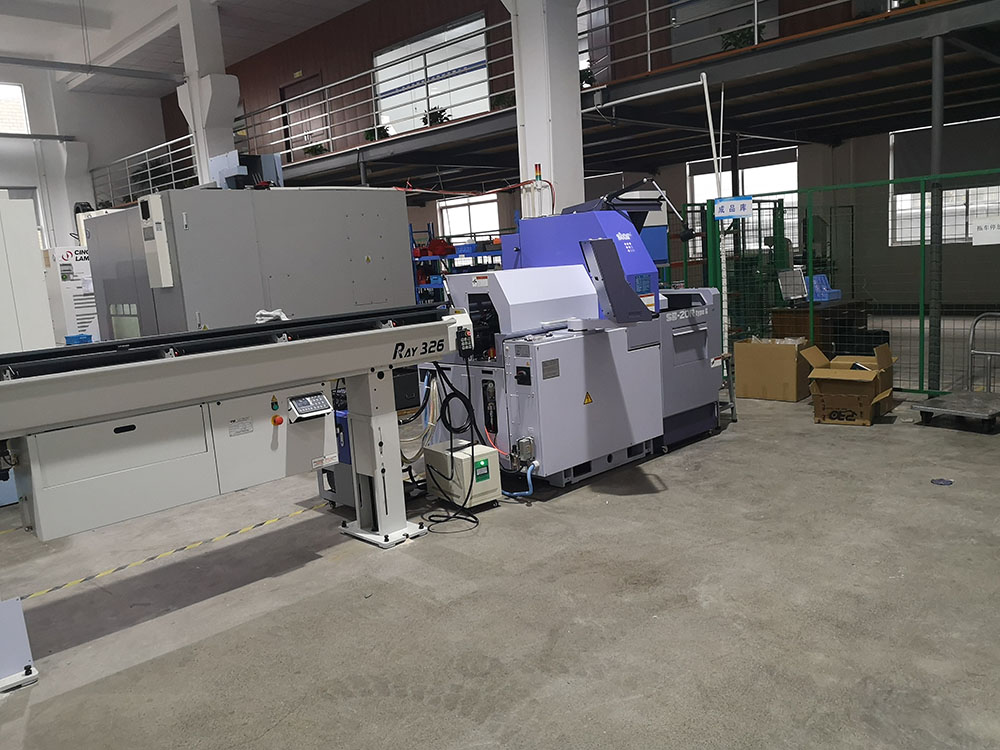
Micro-Swiss CNC Turning: For medical screws, spinal locking hardware, and micro-pins, we maintain a dedicated fleet of Swiss-type lathes capable of turning components under 3mm in diameter with dimensional tolerances held tightly to ±0.005 mm (5 microns).
Surface Treatment & Finishing: Biocompatible components require advanced post-processing. We offer Type II (grey) and Type III (color) anodization, chemical passivation, electropolishing, and micro-blasting to optimize fatigue life, surface friction, and osseointegration properties for implants bound for clinical use.
Navigating international logistics requires absolute compliance. As a veteran exporter, we streamline every phase of the customs process for our New York clients. Whether shipping via air freight into John F. Kennedy International Airport (JFK) for rapid prototyping cycles or ocean freight to the Port of New York and New Jersey for high-volume production, we ensure your delivery arrives without delays.
We provide full documentation suites with every shipment. This includes Mill Test Reports (MTR) proving chemical composition compliance to ASTM/ISO standards, certificate of origin, dimensional inspection sheets, and non-destructive testing reports (NDT). We support DDP (Delivered Duty Paid) terms, meaning our New York partners receive their custom titanium components directly to their receiving docks without handling complex customs clearance operations.
Aligning with the next generation of implantable devices, structural optimization, and materials science innovations.
The global demand for high-strength titanium alloys is shifting rapidly toward customized micro-structures and functional surface engineering. In orthopedic surgery, research shows that solid metal surfaces can lead to stress shielding due to the mismatch in elastic modulus between titanium (approx. 110 GPa) and cortical bone (approx. 18 GPa). The industry is trending towards structural optimization, creating macro-porous designs and utilizing specialized chemical treatments to simulate natural bone density.
Concurrently, the regulatory landscape has grown increasingly strict. In the EU, the transition to MDR has placed immense pressure on documentation, pushing global manufacturers to offer clear traceability pathways. In the US, the FDA's strict oversight on cleaning validation, endotoxin levels, and structural integrity means that factories must execute multi-stage ultrasonic cleaning and visual verification protocols before components leave the cleanroom environment.
On the machining side, artificial intelligence is now integrated directly into CNC toolpaths. Real-time sensor feedback detects tool wear on micro-cutters, adjusting feed speeds on-the-fly to prevent tool breakage and maintain micro-inch tolerances. By leveraging these technology platforms, DEON Medical continuously optimizes production lines, ensuring that our New York clients receive implants and structural components that meet these strict modern standards.
Our comprehensive export catalog designed for New York orthopedic trauma networks, veterinary surgery clinics, and specialized biomedical distributors.
Addressing critical quality assurance, regulatory compliance, and material engineering questions for New York procurement professionals.
 Deon Medical