Providing high-precision osteosynthesis systems, custom titanium locking plates, and biocompatible spinal constructs for public healthcare networks (SNS) and veterinary centers across Spain.
Advanced trauma, fixation, and fusion systems manufactured in ISO class cleanrooms, matching the strict mechanical and biocompatibility requirements of Spanish clinical pathways.
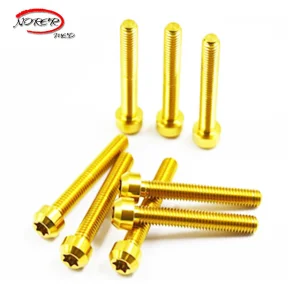
The demand for advanced orthopedic solutions and osteosynthesis systems in Spain is undergoing a profound structural shift. Driven by one of Europe's most rapidly aging populations—often referred to as el envejecimiento de la población—the incidence of fragility fractures, degenerative spinal disc diseases, and complex joint trauma is rising exponentially. The Spanish National Health System (Sistema Nacional de Salud - SNS), combined with a highly active and expanding private hospital sector (such as Quirónsalud, Vithas, and HM Hospitales), demands high-performance implants that optimize clinical outcomes while minimizing recovery periods.
In addition to human trauma care, Spain's veterinary medical sector has developed into a sophisticated, high-standard market. Veterinary reference centers in Madrid, Barcelona, Valencia, and Malaga are increasingly adopting human-grade materials such as medical titanium (Ti-6Al-4V ELI) and polyether ether ketone (PEEK) for pet trauma stabilization and complex spinal surgeries. As a result, Spanish medical distributors and clinical directors are prioritizing raw material traceability, structural longevity, and adherence to harmonized ISO standards when vetting global production partners.
Following the transition from the Medical Device Directive (MDD 93/42/EEC) to the stringent Medical Device Regulation (EU MDR 2017/745), the regulatory framework governing the import and deployment of osteosynthesis products in Spain has become highly complex. Any orthopedic implant utilized in Spain must satisfy detailed requirements monitored by the Spanish Agency of Medicines and Medical Products (Agencia Española de Medicamentos y Productos Sanitarios - AEMPS).
For Spanish procurement departments and importers, establishing a partnership with DEON Medical in the Changzhou orthopedic manufacturing cluster provides unmatched structural advantages. Often referred to as the heartland of medical device precision engineering, Changzhou houses a concentrated ecosystem of state-of-the-art multi-axis Swiss CNC machining centers, automated surface treatment facilities, and advanced testing laboratories.
This localized concentration of material supply chains, tooling specialists, and metallurgical research institutes enables DEON Medical to produce implants with identical mechanical properties to major European brands while maintaining a 30% to 40% efficiency margin. Our facility integrates raw material sourcing directly from certified medical titanium suppliers, bypassing intermediary delays and ensuring consistent chemical composition (reduced interstitial elements) for premium tissue compatibility.
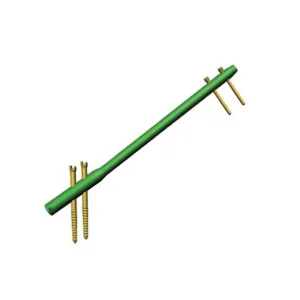
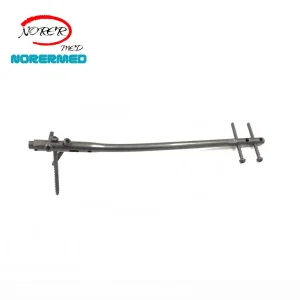
At DEON Medical, our manufacturing process goes beyond simple machining. Every titanium bone screw, Locking Compression Plate (LCP), and intramedullary nail is subjected to rigorous post-machining optimization. Through controlled surface anodization (Type II and Type III), we generate a uniform titanium dioxide layer that enhances corrosion resistance and prevents cold welding of screw-plate interfaces.
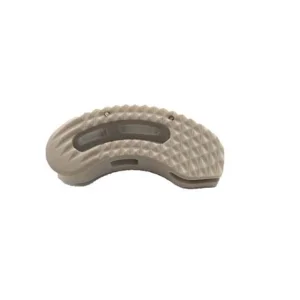
For spinal reconstruction products, we employ medical-grade PEEK-OPTIMA polymers. This material offers an elastic modulus (approx. 3.6 GPa) closely matching human cortical bone, reducing stress-shielding effects that often lead to adjacent segment degeneration. Our spinal cages feature specialized tantalum markers to ensure accurate intraoperative radiographic visualization under fluoroscopy in Spanish surgery suites.
The field of trauma implantology is shifting from passive stabilization components to active biological scaffolding. As a forward-looking manufacturer serving the Spanish market, DEON Medical is tracking and implementing advancements in surface modification and additive design:
Browse our core trauma, spinal, and OEM components developed to satisfy the precise geometry and load requirements of current clinical procedures in the Iberian Peninsula.
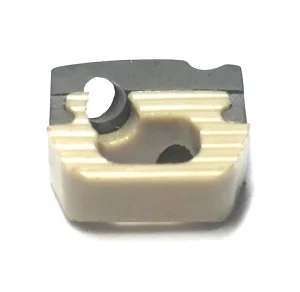
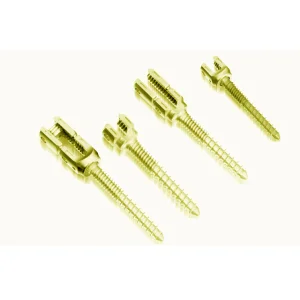
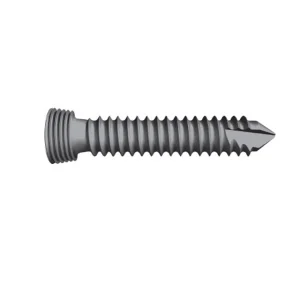
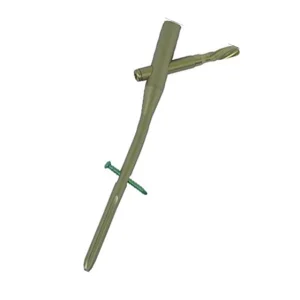
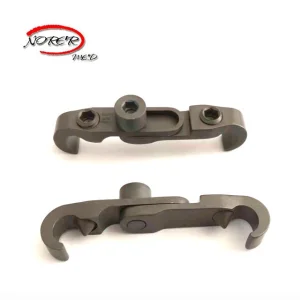
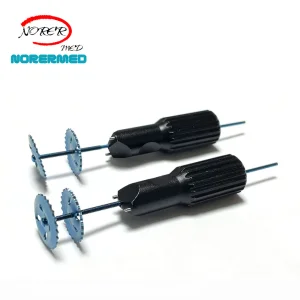
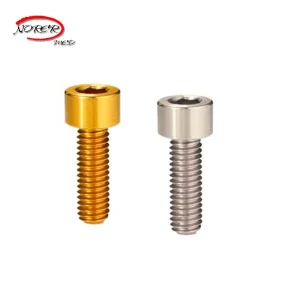
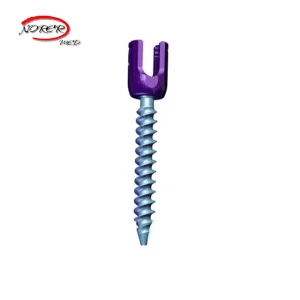
Providing high-precision CNC medical machining, class-10,000 cleanroom packaging, and ISO-certified quality control mechanisms for European healthcare providers.
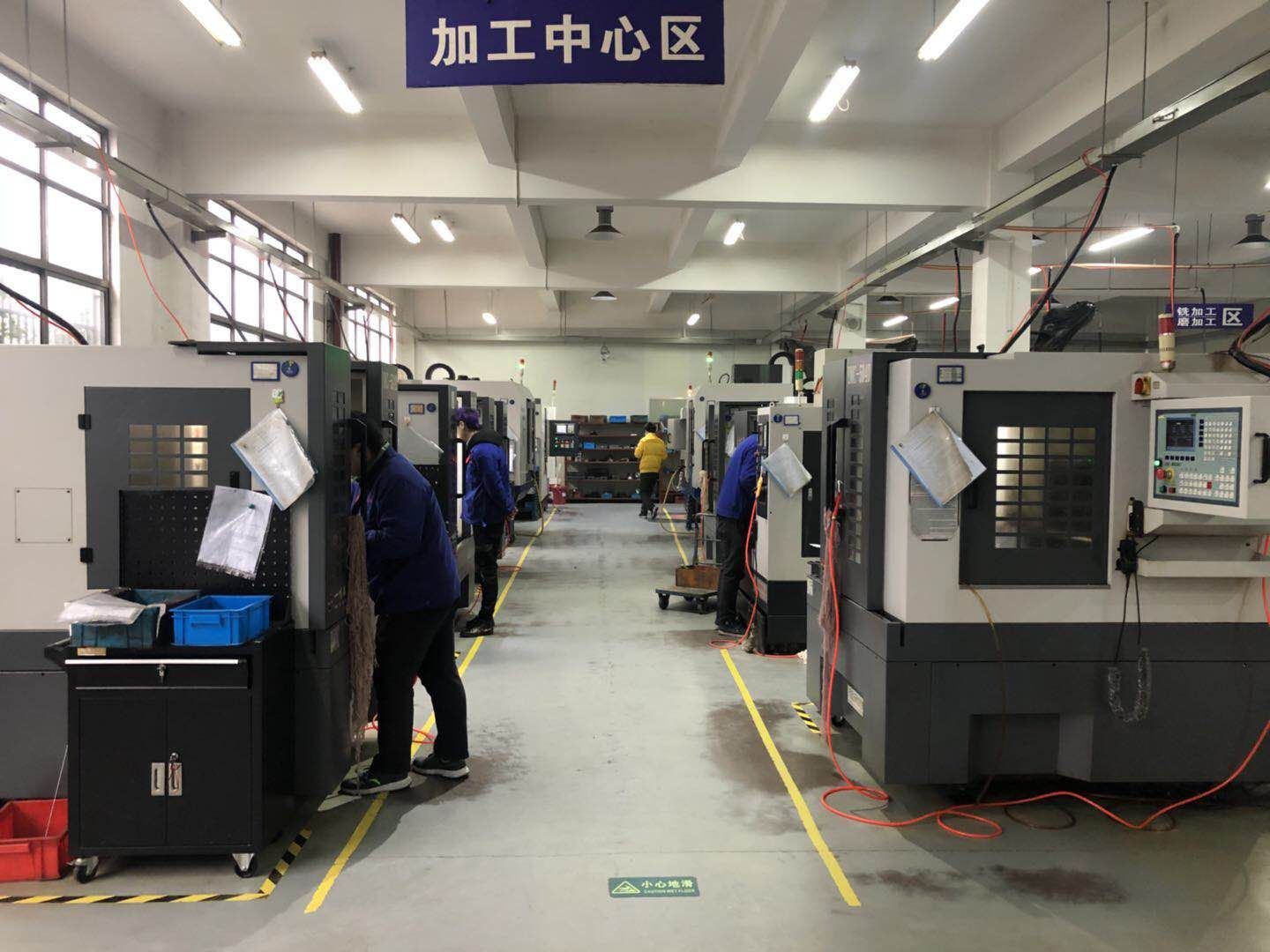
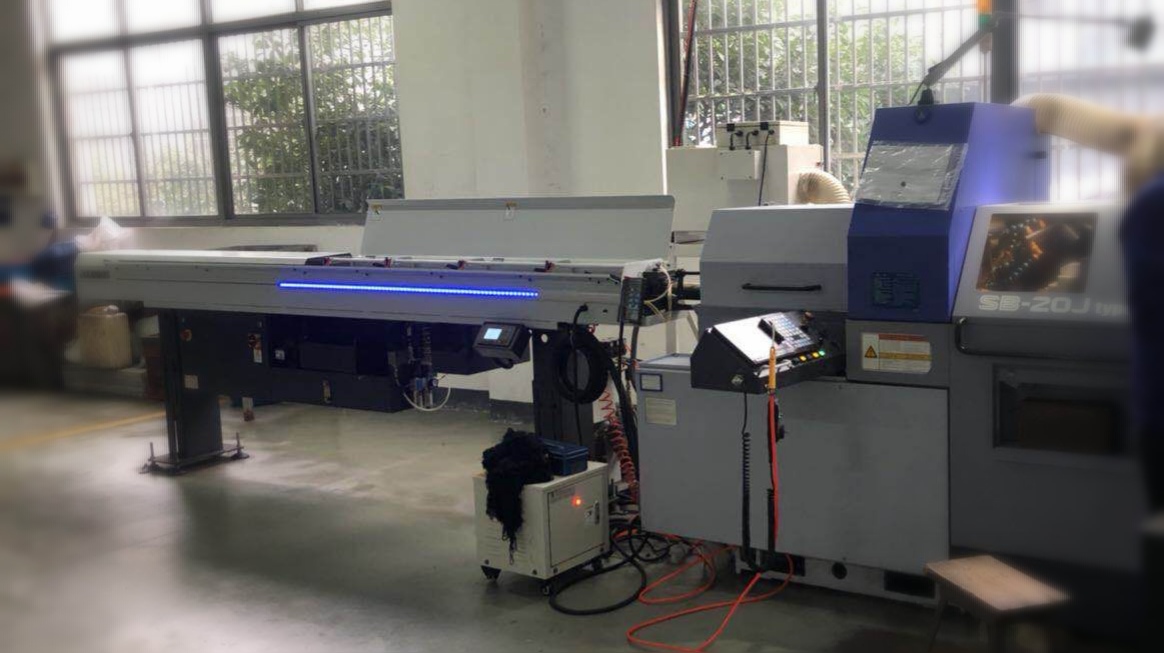
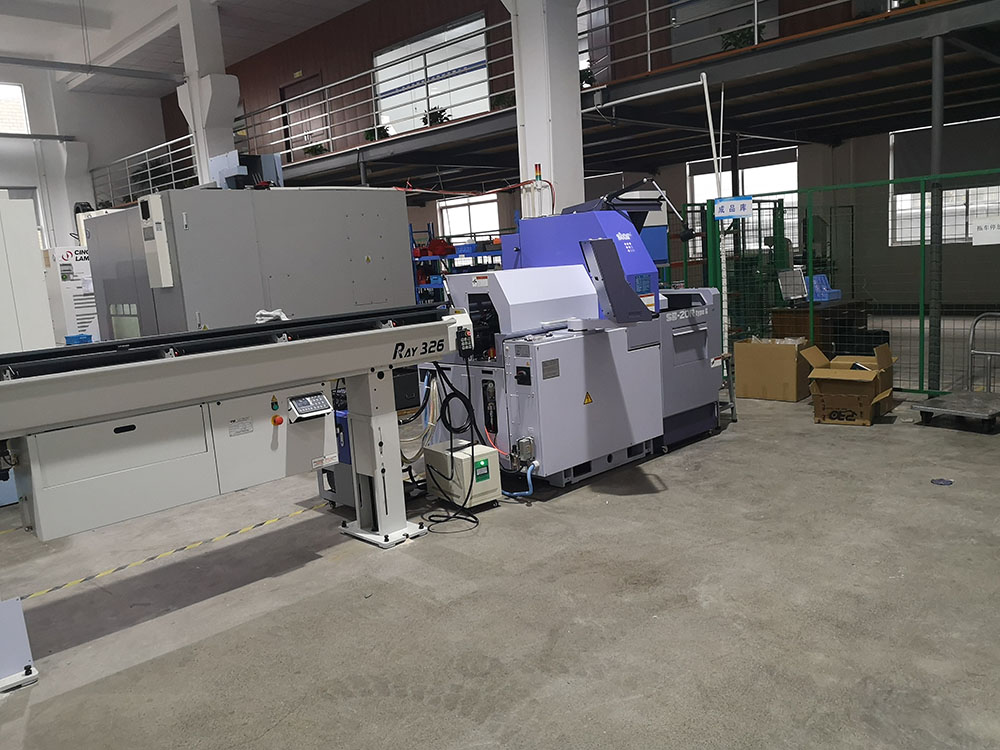
Find answers to critical questions regarding compliance, custom specifications, and logistics workflows for importing orthopedic implants into Spain.
Yes. All human-use implants exported to Spain are manufactured under an ISO 13485:2016 certified quality management system. The raw materials used—primarily Ti-6Al-4V ELI (ASTM F136 / ISO 5832-3) and medical-grade PEEK (ASTM F2026)—feature full material certification. We assist Spanish importers with technical documentation, chemical characterization, and mechanical testing profiles required for registration in the EUDAMED database and AEMPS portal.
For standard stock items (such as tibial interlocking nails or standard cortical screws), shipping can be arranged within 3-5 business days from our warehouse. For custom OEM/ODM production runs, lead times typically span 4 to 6 weeks, which includes precision CNC machining, surface anodization, cleaning, and quality checks. We utilize air freight routes directly to Madrid-Barajas (MAD) or Barcelona-El Prat (BCN), with transit times of 7-10 days.
Absolutely. Spain has a highly sophisticated veterinary orthopedic market that frequently requires specialized sizes for different animal breeds. We offer custom manufacturing services based on your engineering drawings or CAD files. Our five-axis CNC machines can rapidly prototype and produce specialized plates, screws, and PEEK lumbar cages tailored to unique clinical requirements.
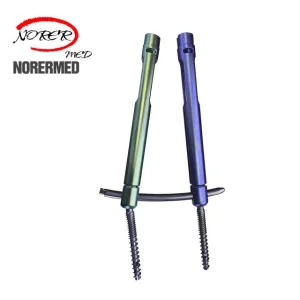
Our spinal fixation screws and constructs are engineered to meet the ASTM F1717 standard (Standard Test Methods for Spinal Implant Constructs in a Vertebrectomy Model). This ensures the pedicle screws can withstand structural cyclic loading over millions of cycles without mechanical failure, addressing long-term stability and patient safety concerns in clinical settings.
Every raw material batch of titanium rod or PEEK block is assigned a unique heat number by the mill, which is verified by an independent third-party laboratory. When the raw material enters our Changzhou facility, it is registered in our ERP system. This material tracking is maintained through the manufacturing process, cleanroom packaging, and shipment, allowing us to provide detailed mill test certificates (MTC) to Spanish distributors for validation.
We provide Type II anodization (creating a thicker biocompatible titanium dioxide protective layer) and Type III color anodization (allowing easy visual identification of screw sizes during surgery). Additionally, we can perform acid-etching to clean the titanium surface and prepare micro-rough surfaces that support cell attachment and tissue healing.
Partner with DEON Medical to secure ISO-certified, CE-compliant orthopedic trauma and spinal implants. Get in touch with our engineering team for technical drawings, material certifications, and pricing structures tailored to the Spanish market.
 Deon Medical