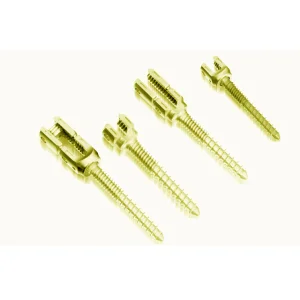
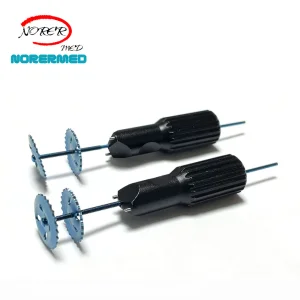
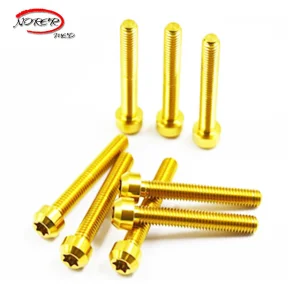
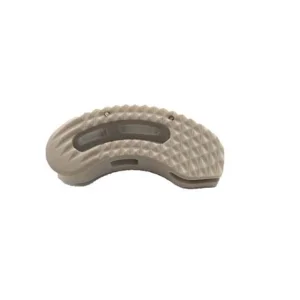
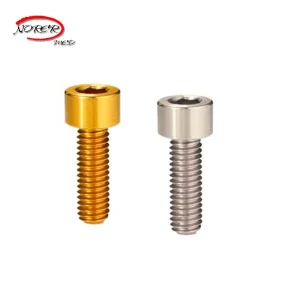
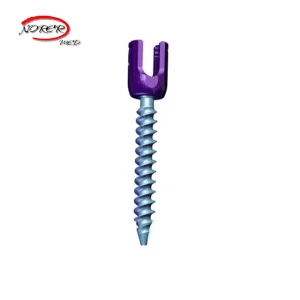
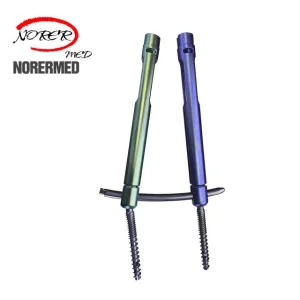
Advanced biomedical implants engineered for structural recovery, osteointegration, and surgical ease in Panamanian clinics.
Panama's healthcare infrastructure operates on a dual-framework: the public sector, managed by the Caja de Seguro Social (CSS) and the Ministerio de Salud (MINSA), and a highly sophisticated, expanding private hospital network focused on medical tourism. Given the country's unique geographical positioning and role as the logistics hub of the Americas, medical device procurement channels require a blend of high regulatory compliance, economic viability, and rapid shipment processing.
Trauma implants—specifically intramedullary nails, distal locking systems, spinal pedicle screws, and anatomically contoured osteosynthesis plates—face strict entry conditions. The national authority, Dirección Nacional de Dispositivos Médicos (DNNDM), enforces rigorous documentation reviews. Successful tenders within the CSS system demand orthopedic systems that exhibit exceptional mechanical fatigue limits, biocompatible surface treatments (such as Type II anodization), and flawless traceability reports from internationally recognized manufacturers.
Implants must align with ISO 13485 quality standards, with complete technical dossiers demonstrating compliance with CE marking and FDA guidelines to expedite domestic registration processes.
An aging population alongside sustained transit infrastructure development has heightened demand for robust implants targeting osteoporotic bone fractures and complex polytrauma surgeries.
Traceable Raw Materials (Ti & PEEK)
Medical Quality Certified Factory
Competitive Lead Time Deficit
Custom Implant Configuration
Internationally, the manufacturing of osteosynthesis devices has shifted from basic structural fixation to dynamic, biologically interactive systems. Grade 5 Titanium (Ti-6Al-4V ELI) and implantable Polyetheretherketone (PEEK) dominate the modern clinical landscape. PEEK provides an elastic modulus highly comparable to cortical bone, significantly reducing stress shielding and encouraging physiological loading dynamics post-surgery.
For trauma fasteners and long-bone splinting, micro-roughness control and precise thread profiles are essential. Standardizing these features reduces implant failure rates in highly dynamic loading sites, such as the femur or tibia, which face complex torsional and axial stresses during early patient mobilization.
A technical guide for procurement officers and orthopedic surgeons analyzing material behaviors for human and veterinary applications.
| Material Type | Tensile Strength (MPa) | Elastic Modulus (GPa) | Biocompatibility Index |
|---|---|---|---|
| Ti-6Al-4V ELI (Grade 5) | 860 - 960 | 110 - 114 | Outstanding (Passive TiO2 layer) |
| Pure Titanium (Grade 4) | 550 - 680 | 104 - 105 | Excellent (High soft tissue adhesion) |
| Medical PEEK (Optima) | 90 - 120 | 3.5 - 4.0 | Radiolucent (Minimal artifacting) |
Combining state-of-the-art precision engineering with agile supply chain pipelines to deliver surgical-grade implants.
Based in Changzhou, Jiangsu—the premier orthopedic manufacturing cluster in China—DEON Medical (Changzhou) Co., Ltd. leverages a mature industrial ecosystem. This geographical focus allows us to secure highly stable raw material chains, utilize specialized high-speed multi-axis CNC machines (including Swiss-style longitudinal lathes), and maintain strict compliance with European and American surgical standards.
Our facility merges advanced manufacturing techniques with rigorous testing systems. Every batch of locking screws, intramedullary nails, and pedicle systems undergoes coordinate measuring machine (CMM) dimensional checks, surface roughness quantification, and mechanical torque-to-failure testing. We operate on a lean-production model, reducing waste and providing highly cost-efficient medical devices to Panamanian distributors without compromising structural integrity.
Our capabilities accommodate small-batch customization for specific regional clinical needs, rapid product registration documentation assistance, and sterile/non-sterile packaging variations compliant with the DNNDM regulations in Panama.
Engineered for major hospitals in Panama City, Colón, and the regional provinces.
High-durability interlocking nails and standard locking plates engineered for cost-sensitive, high-volume emergency trauma wards. Formulated to withstand demanding surgical throughput.
Advanced PEEK and low-profile titanium spine pedicle screws designed for medical centers focusing on minimally invasive spinal surgeries (MISS) and high-demand recovery protocols.
Dedicated veterinary orthopedic plates, miniature locking systems, and specialized spinal implants customized for specialized companion animal clinics in Panama's urban zones.
Explore our certified orthopedic systems, manufactured from biocompatible medical alloys and engineering polymers.
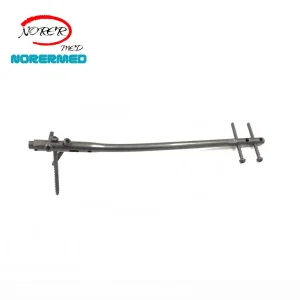
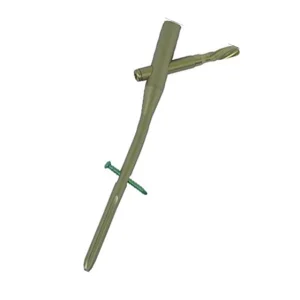
Verified Orthopedic OEM/ODM Partner based in Changzhou, China.
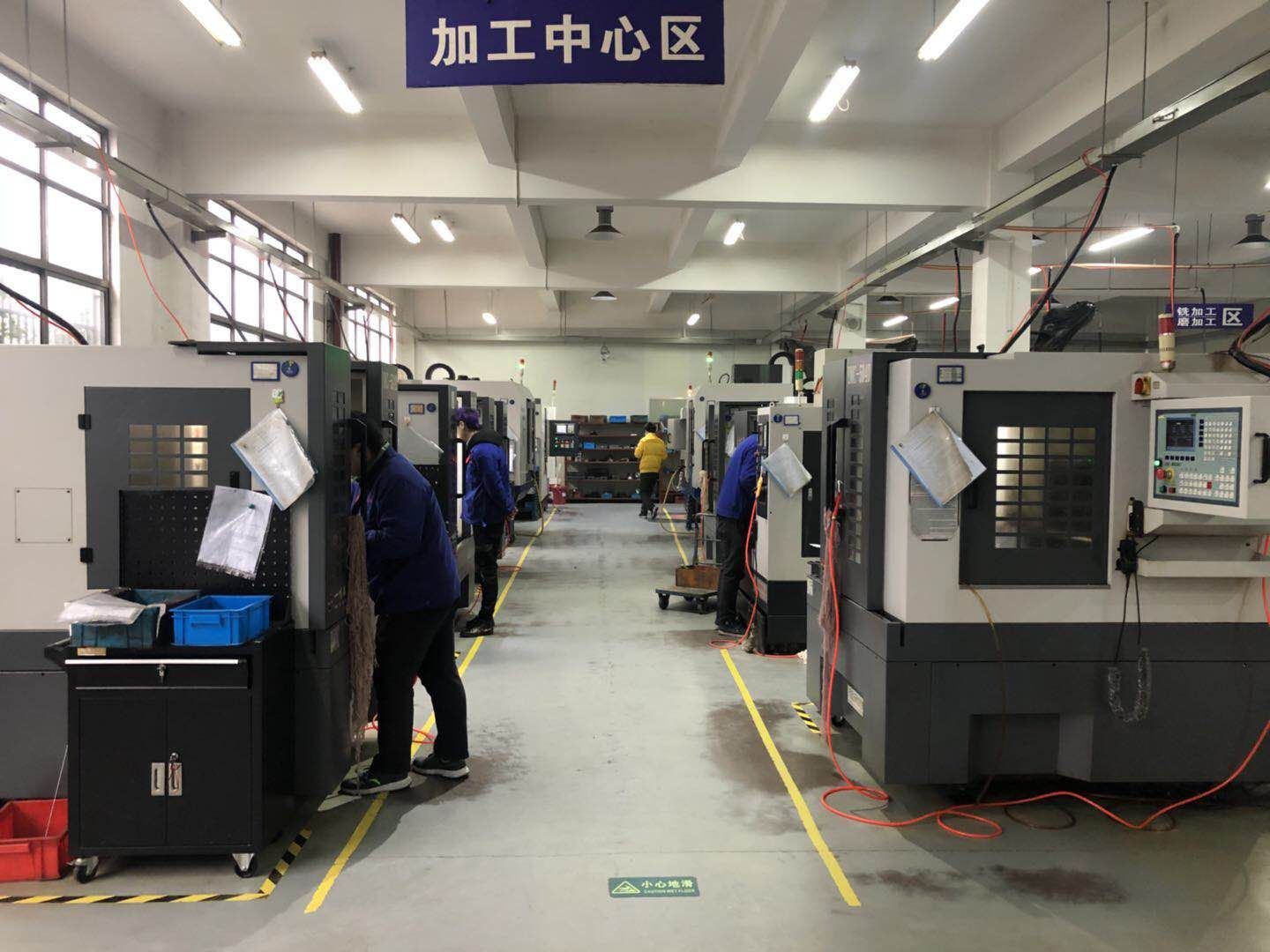
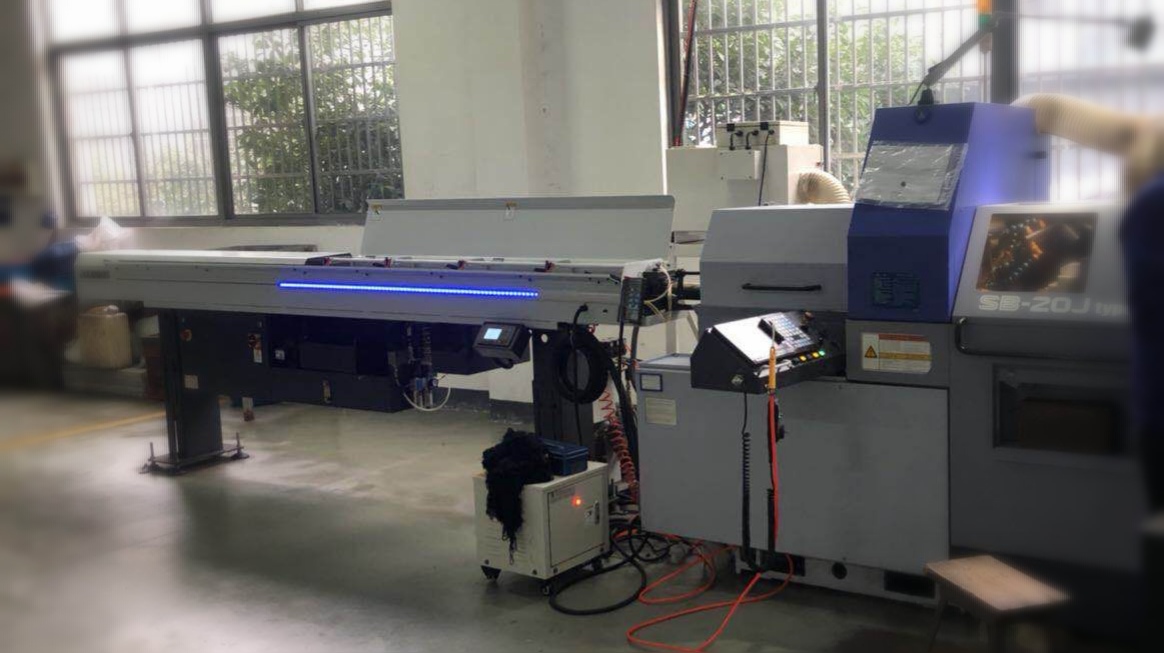
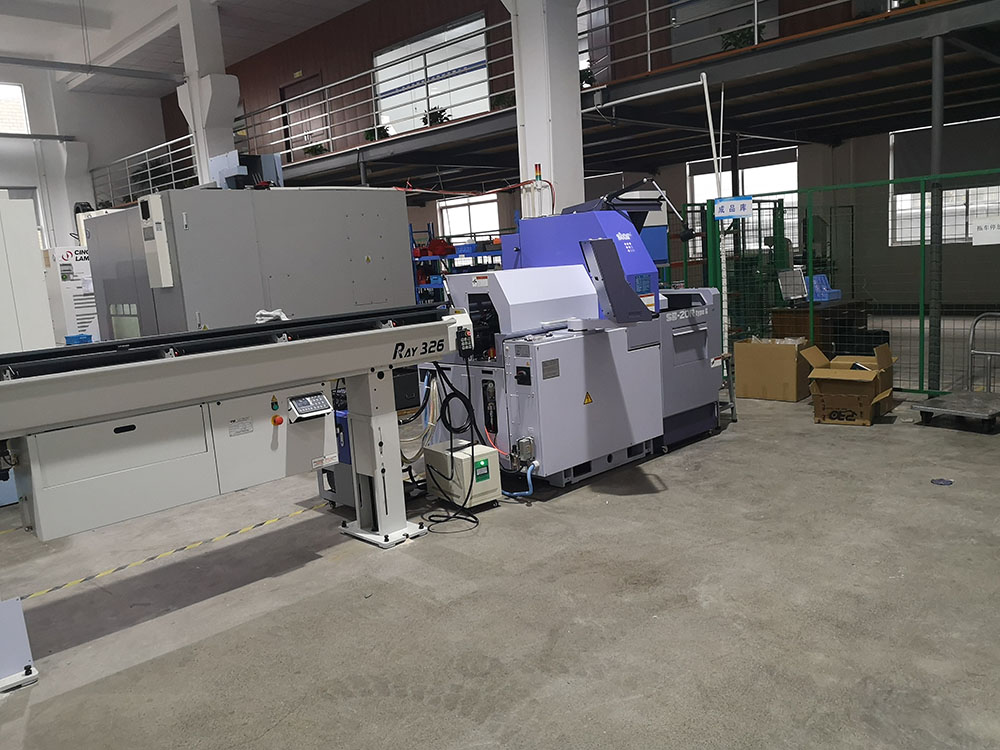
Essential regulatory, technical, and logistics information for medical device procurement in Panama.
Registration is managed by the Dirección Nacional de Dispositivos Médicos (DNNDM). Importers must present a Certificate of Free Sale (CFS), ISO 13485 certification, CE or FDA registration documentation, along with complete mechanical testing profiles and biocompatibility dossiers. DEON Medical supplies comprehensive technical files to help local distributors register products efficiently.
All implants are fabricated from medical-grade Titanium Alloy (Grade 5 / Ti-6Al-4V ELI) or high-grade PEEK. We supply material mill certificates with chemical composition breakdowns and mechanical performance metrics for every production run, ensuring absolute compliance with international ASTM and ISO specifications.
Yes. Our engineering department can modify dimensions, thread pitches, and surface treatments, or develop custom branding and packaging for local tenders. We provide complete OEM/ODM options to match the technical specifications required in public tenders.
For urgent clinical requirements, air cargo via Tocumen International Airport (PTY) takes approximately 5 to 7 business days. Larger replenishment orders are shipped by sea to the ports of Balboa or Colon, with transit times averaging 28 to 35 days.
 Deon Medical